Public vs Private Healthcare in Estonia: Which Should Expats Choose?
Moving to a new country involves a mountain of paperwork, but nothing feels more personal or more stressful than figuring out what happens if you get sick. In Estonia, you are dropped into a world-class digital society, yet the choice between the state-funded system and private clinics can feel like a maze. This guide solves that dilemma by breaking down the nuances of public versus private care so you can make an informed decision for your health and your wallet.
The Foundation: How the Estonian Healthcare System Actually Works
When you first arrive in Tallinn or Tartu, the healthcare system might seem like a black box. Unlike some countries where you simply pay a monthly fee to a private company and call it a day, Estonia operates on a solidarity-based system funded largely through social taxes. As an expat, understanding this foundation is the first step toward feeling secure in your new home. It isn't just about having a card in your wallet; it is about being integrated into a digital ecosystem that tracks your health history from the moment you receive your residence permit.
The Tervisekassa (Health Insurance Fund) Model
The Tervisekassa, formerly known as Haigekassa, is the backbone of the public system. It is a compulsory insurance scheme for anyone working under an Estonian employment contract, the self-employed, and certain groups like students or retirees. The way How Estonia's Health Insurance Fund (Tervisekassa) Works: A Full Overview functions is simple in theory: your employer pays a 13% social tax on your behalf, which grants you access to nearly all medical services with minimal out-of-pocket costs.
However, the reality for many expats is that coverage isn't instantaneous. There is often a lag between starting your job and your insurance becoming active in the system. I remember my first month in Tallinn, worrying that a simple flu might cost me hundreds of euros because my status still showed as "inactive" on the state portal. This is where many newcomers realize that the public system, while robust, requires you to be "in the system" before it offers its full protective embrace.
The Role of the Isikukood and Digilugu
You cannot talk about healthcare in Estonia without mentioning the isikukood (personal identification code). This eleven-digit number is your golden ticket to everything. Without it, you effectively do not exist in the medical database. Once you have your code, you gain access to the Digilugu, or the Health Information System. This is a centralized digital record where every doctor’s visit, every blood test result, and every X-ray is stored.
The beauty of this system is that whether you see a doctor in Pärnu or a specialist in Narva, they can see your entire history with a click of a button. For an expat, this removes the burden of carrying physical medical files from your home country. However, the hurdle remains: knowing How to Get Your Isikukood (Personal Code) and Why It Matters for Healthcare is a prerequisite that you must handle during your first weeks of residency, or you will find yourself paying full price for every consultation, even in public hospitals.
How to Register with the Tervisekassa as a Foreigner in Estonia
The registration process for the Tervisekassa is largely automatic if you are employed, but for those on a startup visa or a digital nomad visa, the path is different. If you are not a tax resident or if your employer is based abroad, you won't automatically be funneled into the public system. This creates a significant gap for many in the international community.
If you are an EU citizen, your European Health Insurance Card (EHIC) provides a safety net for necessary care, but it isn't a long-term solution for routine check-ups. Non-EU expats often find themselves in a bureaucratic loop. You need to ensure your residence is registered in the population register first. Only after your address is finalized and your employment is reported can you stop worrying about the Understanding Health Insurance Waiting Periods for New Residents in Estonia that often catch people off guard.
Public Healthcare in Estonia: The Pro-Expat Reality Check
The public system in Estonia is excellent in terms of medical quality. The doctors are highly trained, the equipment in hospitals like PERH (North Estonia Medical Centre) is state-of-the-art, and the cost to the patient is incredibly low. But as an expat, you will quickly learn that the "price" you pay for the public system isn't just the social tax—it's time.
The Perearst (Family Doctor) Gatekeeper System
Every resident in Estonia is supposed to have a perearst or family doctor. This person is your first point of contact for everything from a sore throat to a mental health referral. The system is designed so that the family doctor filters cases, ensuring that specialists aren't overwhelmed with minor issues. For an expat, The Expat Guide to Finding a Family Doctor (Perearst) in Estonia is often the first major cultural hurdle.
Many doctors' lists are full, especially those who speak fluent English. You might find yourself calling ten different clinics only to be told they aren't accepting new patients. When you finally get on a list, the experience can be very different from what you're used to. Consultations are often brisk, and there is a high degree of self-reliance expected from the patient. You have to be your own advocate in the public system, often navigating receptionists who may only speak Estonian or Russian.
Coverage for Chronic Conditions and Surgery
Where the public system truly shines is in its handling of serious, long-term health issues. If you have a chronic condition like diabetes or if you require a major surgery like a hip replacement, the Tervisekassa covers almost the entire cost. In a private clinic, these procedures could cost tens of thousands of euros. In the public system, you might only pay a symbolic "inpatient fee" of around 2.50 to 5 euros per day.
The downside is the wait. For non-urgent surgeries or specialist consultations, the waiting list can be several months long. I’ve known expats who waited four months just to see an ophthalmologist for a routine eye check. This "queue culture" is a shock to those coming from countries with more immediate, market-driven healthcare. However, if your life is in danger, the system moves with incredible speed and efficiency.
Understanding the Tervisekassa (Health Insurance Fund) Benefits
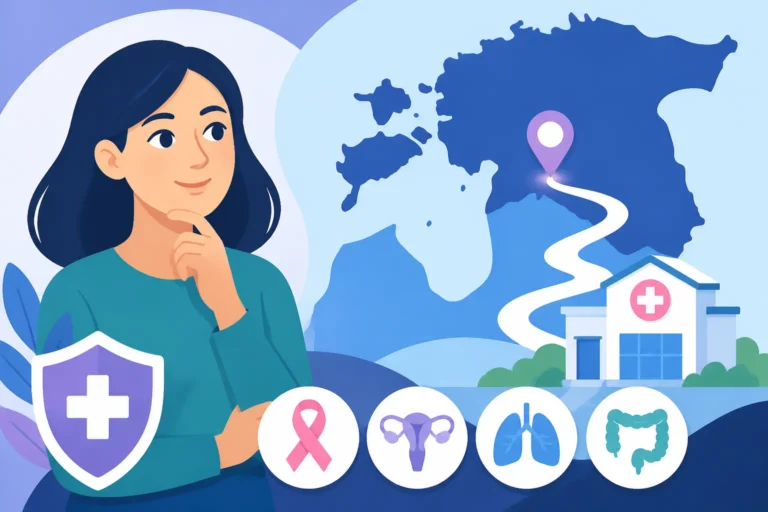
The benefits of the state fund extend beyond the doctor's office. It covers a significant portion of prescription costs and offers various preventive screenings. For example, Estonia has extensive programs for cancer screening and childhood vaccinations that are completely free under the public umbrella.
Another massive benefit is the sick leave system. If you are insured through your employer, the state and your employer combine to pay you a percentage of your salary while you recover at home. This social safety net is one of the primary reasons many expats choose to stick with the public system despite the long waits for specialists. You aren't just buying medical care; you are buying financial stability in the event of a long-term illness.
The Private Healthcare Alternative: Speed and Comfort
For many in the expat community, the public system's waiting times are a dealbreaker. This has led to a thriving private healthcare sector in Estonia, dominated by clinics like Confido, Qvalitas, and Fertilitas. These centers offer a starkly different experience: sleek waiting rooms, English-speaking staff at every desk, and appointments available within days, if not hours.
Why Expats Often Choose Private Clinics
The primary motivator for choosing private care is convenience. If you have a worrying lump or a sudden skin rash, waiting three months for a public specialist is agonizing. In a private clinic, you can usually see a dermatologist the same week. For a busy professional or a parent with a sick child, that speed is worth the out-of-pocket cost.
Private clinics also tend to be more "expat-friendly" in their communication. Most have robust online booking systems in English and provide detailed medical reports that are easy to understand. When you are navigating a foreign country, sometimes just being able to explain your symptoms in your native language without a translation barrier is the greatest comfort. This is why Understanding Private Clinics and Medical Centres in Estonia is essential for anyone who values their time and peace of mind over saving a few euros.
English-Speaking Doctors and Personalized Care
While many doctors in the public system do speak English, it is not guaranteed. In the private sector, it is essentially a requirement. The doctors in private clinics often have more time to spend with you. While a public family doctor might have 15 minutes per patient, a private consultation usually lasts 30 to 45 minutes.
This extra time allows for a more holistic approach to health. Private doctors are often more willing to order elective blood tests or more comprehensive wellness checks that the public system might deem unnecessary. If you are someone who likes to be proactive about your health—rather than just reacting to illness—the private route offers the depth of care you are likely looking for.
Navigating Private Clinics and Medical Centres in Estonia
It is important to note that many "private" clinics in Estonia actually have contracts with the Tervisekassa. This means they might offer some public appointments (with long waits) alongside their private, paid appointments. When booking, you must be very clear about whether you are paying "out of pocket" or using your state insurance.
If you choose the private path, you aren't just limited to general practitioners. You can find everything from private cardiologists to psychologists. For many expats, a hybrid approach works best: using the public system for emergencies and routine prescriptions, while visiting a private clinic for specialist consultations to skip the queues.
Weighing the Costs: Public Taxes vs. Private Premiums
The financial aspect of healthcare in Estonia is often misunderstood. Some believe that the public system is "free," while others fear that private care will bankrupt them. Neither is entirely true. The cost structure in Estonia is quite transparent once you look under the hood.
| Feature | Public Healthcare (Tervisekassa) | Private Healthcare |
|---|---|---|
| Funding | 13% Social Tax (Employer paid) | Out-of-pocket or Private Insurance |
| Consultation Fee | 0 – 5 EUR | 50 – 150 EUR |
| Specialist Wait Time | 1 – 4 Months | 1 – 7 Days |
| Prescription Subsidy | High (50% – 100%) | None (unless using state-funded slots) |
| Language | Estonian, Russian, some English | Mostly English, Estonian, Russian |
| Digital Integration | Full (Digilugu/Digiretsept) | Full (Most sync with state records) |
How Social Tax Funds Your Public Health Coverage
If you are employed in Estonia, your "cost" for public healthcare is already being deducted from your gross salary package. You don't see it as a bill, but it is a significant part of the cost of your labor. This 13% contribution is what keeps the system running and ensures that even those with lower incomes have access to surgery and hospital care.
For the self-employed, particularly those acting as an FIE (Sole Proprietor), the social tax burden falls directly on you. This can be a heavy hit every quarter. If you are wondering about the total financial impact, checking The Cost of Healthcare in Estonia: A Complete Breakdown for Foreigners (2026) can help you calculate whether the tax burden is more or less expensive than buying a comprehensive private plan.
Out-of-Pocket Expenses in the Private Sector
If you walk into a private clinic without insurance, you will be paying for every single minute. A standard consultation with a GP starts around 50 to 70 euros. Seeing a specialist will likely cost between 100 and 150 euros. Diagnostic tests like MRIs or ultrasounds can add several hundred more to the bill.
While these prices are lower than in the United States, they are higher than the nominal fees in the public system. However, many expats find that they don't need a full private insurance policy. Instead, they "self-insure" for minor issues—meaning they just pay the 100 euros for a specialist once or twice a year to save time, while relying on the public system for everything else.
The Cost of Healthcare in Estonia for Foreigners
For those who are not yet covered by the Tervisekassa—perhaps you are on a Jobseeker visa or you've just arrived—the costs can be daunting. An emergency room visit without insurance can cost upwards of 200 euros just for the triage and basic tests. If you are hospitalized, the daily rate can be significant.
This is why having some form of coverage from day one is non-negotiable. Whether it's a travel-focused policy or a local private plan, you don't want to be the person trying to figure out payment while in a hospital bed. For many in the "in-between" stage, How Much Does Private Health Insurance Cost in Estonia in 2026? provides a good benchmark for what you should be budgeting during your first few months.
Bridging the Gap: Hybrid Solutions and Supplemental Insurance
Most expats in Estonia eventually settle into a hybrid model. They keep their mandatory public insurance because it’s paid by their employer and covers the "big stuff," but they also use private resources to fill the gaps in service and speed.
Using Private Insurance to Skip the Public Queues
Many international companies in Tallinn now offer private health insurance as a perk. This isn't meant to replace the Tervisekassa but to supplement it. These plans often cover a certain number of private specialist visits per year, dental care, and even mental health sessions.
If your company doesn't offer this, you can purchase individual supplemental plans. These are becoming more popular as the public system feels the strain of a growing population. Having a plan that allows you to book an appointment at Confido and then get reimbursed is the ultimate "quality of life" upgrade for a resident in Estonia.
When SafetyWing Makes Sense for New Arrivals
For digital nomads, freelancers, or those waiting for their residence permits to be processed, SafetyWing offers a practical solution. It is designed specifically for people who are between systems. Since it operates on a subscription model, it’s easy to keep active while you are navigating the bureaucratic hurdles of getting your isikukood and registering your employment.
SafetyWing acts as a safety net for accidents and emergencies, which is often the biggest fear for newcomers. It won't help you register with a family doctor, but it will ensure that if you trip on the cobblestones of Old Town and break an arm, you aren't stuck with a massive bill while you wait for your Tervisekassa status to update. It’s a bridge that provides peace of mind during the transition period.
Managing the Transition Between Private and Public Care
The trickiest part of healthcare in Estonia is the handoff. If you see a private doctor and they find something that requires major surgery, you will likely want to have that surgery done in the public system to save money. This requires your private doctor to issue a digital referral that the public system recognizes.
Thankfully, because of Navigating Estonia's Digital Healthcare System: An Expat's Roadmap (2027), this is much easier than it used to be. Most private doctors have access to the same digital systems as public ones. They can upload their findings to your Health Record, which your future public surgeon can then access. However, you still have to navigate the public waiting list for that surgery, even if a private doctor diagnosed the problem yesterday.
Practical Scenarios: When to Go Public and When to Go Private
Sometimes, the choice between public and private isn't about philosophy; it's about the specific medical situation you are facing. Here are a few common scenarios expats encounter and the best way to handle them.
Handling Emergencies and Urgent Care
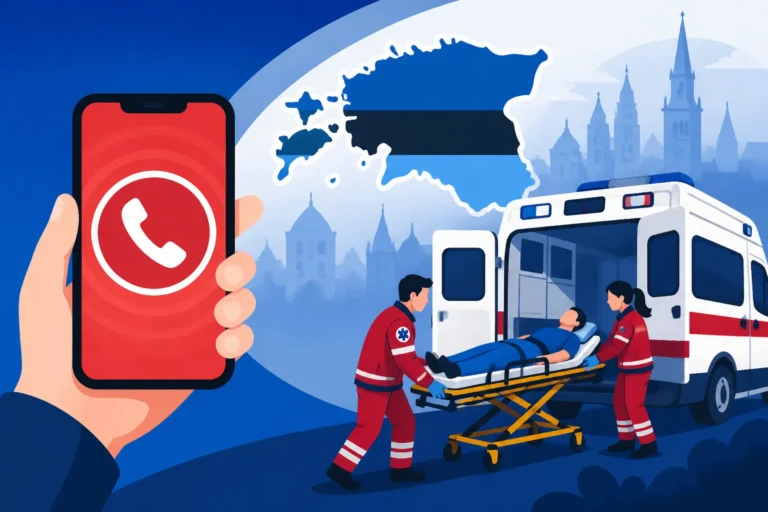
In a true emergency—heart attack, severe trauma, or anything life-threatening—always go to the public hospital (EMO). The Emergency Medicine Departments at hospitals like East Tallinn Central Hospital or Tartu University Hospital are world-class. They do not care about your insurance status in the moment of crisis; they will treat you first and figure out the paperwork later.
For "urgent" but not life-threatening issues, like a high fever on a Saturday night, you can use the How to Use the Family Doctor Advice Line (1220) in Estonia. They offer advice in English and can tell you if you really need to go to the ER or if you can wait until Monday. Going to the ER for a minor issue will result in a long wait (sometimes 6+ hours) and a small fee, so the advice line is a great first step.
Prenatal Care and Childbirth Experiences
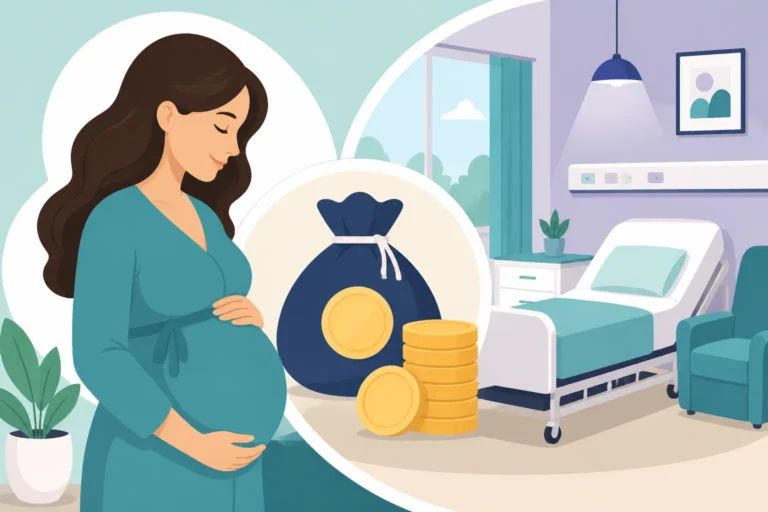
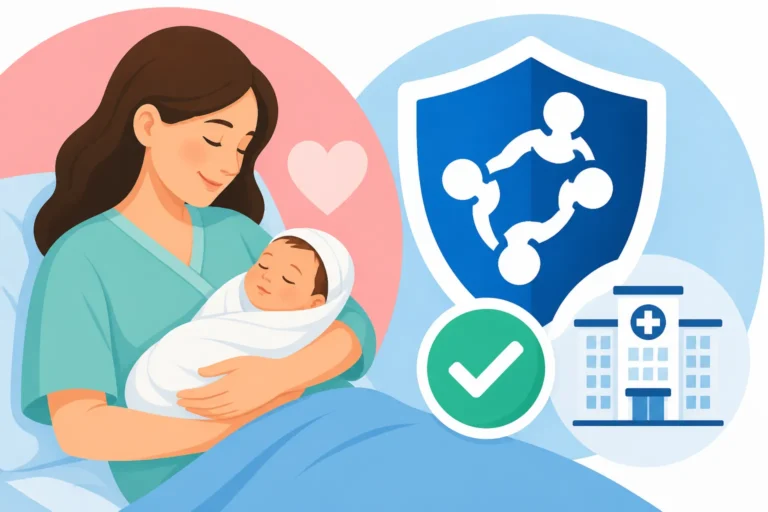
Estonia is a fantastic place to have a baby. The prenatal care in the public system is exhaustive and high-quality. You are assigned a midwife who follows you throughout the pregnancy. The vast majority of births happen in public hospitals like the Pelgulinna Maternity Hospital, which are incredibly modern.
Some expats choose private clinics for their monthly check-ups to ensure they always see the same English-speaking doctor, but they still choose the public hospital for the actual birth. The public hospitals have the intensive care units for newborns that private clinics often lack. The best part? If you are insured by Tervisekassa, the entire birth experience, including the hospital stay, is free.
Dental Care and Specialist Referrals
Dental care is one area where the public/private line blurs. Most dentists in Estonia are private, even if they have some Tervisekassa contracts. Adults get a very small annual subsidy (around 40 to 60 euros) from the state, but for the most part, you will be paying out of pocket.
For specialists, the referral (saatekiri) is key. In the public system, you cannot just call a cardiologist; you need your family doctor to issue a digital referral. In the private system, you can often just book directly. Understanding How E-Referrals (Saatekiri) Work for Specialists in Estonia will save you from showing up at a clinic only to be told you don't have the right digital paperwork to get the subsidized price.
The Digital Advantage: Navigating Estonia’s e-Health Ecosystem
Estonia’s "e-health" is more than just a buzzword; it is a fundamental shift in how you interact with medical professionals. For an expat, it is the single most helpful part of the system, provided you know how to use it.
Using Your ID-Card to Access Medical Records
Your Estonian ID-card (or Mobile-ID/Smart-ID) is your key to the Health Portal. By logging into digilugu.ee, you can see every visit you've made, every diagnosis, and even the notes your doctor wrote about you. This transparency is rare in other countries.
If you're moving from another city, you don't need to worry about your records being lost. Everything is tied to your ID-card. For someone still getting used to the language, being able to log in and use a translation tool on your doctor's notes can be a lifesaver. It helps you understand exactly what the diagnosis was, even if you didn't quite catch every word during the appointment.
How Digiretsept (Digital Prescription) Works
Gone are the days of paper prescriptions. In Estonia, a doctor simply enters the prescription into the system. You then go to any pharmacy (apteek), show your ID-card, and they hand you the medicine. It is incredibly efficient.
You can even see when your prescriptions are about to expire or request a renewal online through some private clinics or by emailing your family doctor. For expats, Understanding the Digiretsept (Digital Prescription) System in Estonia means you never have to worry about losing a piece of paper or having a pharmacist misread a doctor's handwriting.
The Benefits of a Saatekiri (Digital Referral)
The saatekiri is the digital thread that connects the different parts of the system. When your family doctor creates one, it exists in the "cloud." When you call a specialist to book an appointment, they can see that referral instantly.
Without a referral, you are a "private" patient and must pay the full price. With a referral, you are a "public" patient and pay only the 5-euro visit fee. Knowing how to ask for and track these referrals is the secret to moving between the public and private sectors without getting stuck with unexpected bills.
Final Verdict: Which Path Should You Choose?
So, after all the analysis, which should you choose? The answer depends entirely on your stage of life, your employment status, and your tolerance for waiting.
The Best Choice for Families and Long-Term Residents
If you are moving to Estonia with children and plan to stay for several years, the public system is your best friend. The cost savings on pediatric care, vaccinations, and potential hospital stays are enormous. While the initial hunt for a family doctor is frustrating, once you are on a list, the continuity of care is excellent.
For families, I recommend getting on a family doctor list immediately and then using private clinics for the occasional "urgent" specialist visit when the public wait is too long. This gives you the best of both worlds: the safety net of the state and the speed of the private sector.
Advice for Digital Nomads and Short-Term Expats
If you are here on a one-year Digital Nomad Visa or are freelancing for clients outside Estonia, you likely won't be paying the local social tax that funds the Tervisekassa. In this case, you are essentially a private patient.
For you, a combination of SafetyWing for emergencies and out-of-pocket payments at private clinics like Confido is the most logical path. You get the high-quality care Estonia is known for without needing to navigate the complexities of the state bureaucracy that isn't really designed for short-term visitors.
Conclusion on the Estonian Healthcare Journey
Estonia’s healthcare system is a reflection of the country itself: digital, efficient, but sometimes a bit cold and bureaucratic to the uninitiated. Whether you choose the public path or the private one, the quality of medical science you receive will be among the best in Europe.
Don't let the paperwork scare you. Get your isikukood, find a doctor who speaks your language, and embrace the digital tools at your disposal. Whether it's a routine check-up or an unexpected emergency, you are in a country that takes health seriously. By understanding the balance between the state fund and private convenience, you can focus on enjoying your life in this beautiful Baltic gem, knowing that you are well-covered no matter what happens.
Disclaimer
This guide is for informational purposes only and does not constitute medical or legal advice. Healthcare regulations and costs in Estonia are subject to change. Always verify your insurance status and coverage details directly with the Tervisekassa or your private insurance provider.