Navigating Estonia’s Digital Healthcare System: An Expat’s Roadmap (2027)
Moving to a new country always involves a steep learning curve, but Estonia’s digital-first approach to medicine can feel like stepping into a science fiction novel. You might arrive expecting paper forms and manila folders, only to realize your entire medical history is locked behind a digital ID and a code you haven't received yet. This guide is your roadmap to mastering Navigating Estonia's Digital Healthcare System: An Expat's Roadmap (2026) and ensuring you never feel lost in the cloud.
The Foundation: Getting Your Isikukood and Digital Identity
When you first land in Tallinn or Tartu, you’ll quickly hear the word "Isikukood." This 11-digit personal identification number is the skeleton key to your life in Estonia. Without it, you effectively do not exist in the digital medical landscape. I remember sitting in the Police and Border Guard Board (PPA) office, feeling the weight of the silence, waiting for that piece of paper that would finally allow me to book a simple check-up. It is the absolute first hurdle you must clear.
The Isikukood is not just for taxes or residency; it is your unique identifier in the central health database. Every blood test, every X-ray, and every specialist note is tied to this number. It is vital to understand How to Get Your Isikukood (Personal Code) and Why It Matters for Healthcare because until that number is active in the system, a doctor cannot even open a digital file for you. You are essentially a ghost in the machine until the PPA processes your residency.
Once you have your number and your physical residency card, you need to set up your digital authentication tools. In Estonia, we don't use simple passwords for sensitive health data. You’ll need to choose between the ID-card (with a USB reader), Mobile-ID, or Smart-ID. Most expats find Smart-ID the most convenient for daily use on their phones. It feels a bit daunting to use a banking-grade app just to see a doctor's note, but this high-security layer is what allows the system to be so incredibly transparent and accessible to you as the patient.
The Personal Code (Isikukood) Reality Check
The reality of the Isikukood is that while it’s efficient, the initial registration can be a bottleneck. If you are here on a D-visa or a temporary basis, your access might feel "half-baked" until your permanent right of residence is recorded. Many expats try to bypass this by going to private clinics, only to find that even the private clinics want that 11-digit number to sync your records. It’s the "glue" of the Estonian society.
If you find yourself in a situation where your residency is still processing, you might feel a sense of medical "limbo." This is a common frustration for newcomers who need a prescription or a consultation but aren't yet "in the system." During this transition, having a flexible backup plan is crucial. Many nomads and early-stage expats use SafetyWing to cover their medical needs while the local bureaucracy grinds away. It provides that much-needed safety net when you are technically a resident but digitally invisible to the public clinics.
Finally, remember that your Isikukood is public in many ways (it’s on your ID card), but its connection to your health data is private. Only you and your authorized healthcare providers can see what’s behind the curtain. Understanding the balance between this public ID and your private health record is the first step toward feeling like a local rather than a guest.
Smart-ID and Mobile-ID for Medical Access
After you get your ID card, don't just put it in your wallet. You need to activate the certificates. Many expats don't realize they needed to download the "DigiDoc" software to manage their pins. Without active certificates, you can't log into the Health Portal. Mobile-ID is a SIM-based solution that works even without an internet connection, which is great for reliability. However, Smart-ID has become the fan favorite because it’s free and incredibly easy to set up once you have your initial ID card.
When you log into a medical site, you’ll be asked for your PIN1 (to identify yourself) and sometimes PIN2 (to sign a document or consent). This distinction is vital. Think of PIN1 as your key to the front door and PIN2 as your legal signature. If a doctor asks you to sign a "Saatekiri" or a consent for data sharing, you’ll be doing it digitally. No more messy pens or scanned PDFs.
The beauty of these tools is that they work everywhere. Whether you are at a pharmacy in the middle of Saaremaa or a hospital in Narva, your digital signature is your bond. It removes the need for physical paperwork, but it also means you must keep your phone charged and your PINs memorized. If you lose your phone or forget your codes, you are effectively locked out of your own medical history until you can reset them at a bank or PPA office.
The Patient Portal: Your Digital Medical Home
Estonia recently transitioned to a new "Health Portal" (Terviseportaal), replacing the older, somewhat clunky Digilugu. This portal is where the magic happens. When you log in, you see every encounter you’ve ever had with an Estonian doctor. It shows your diagnoses, your immunization records, and even your dental history. It’s a level of transparency that many of us from the US, UK, or elsewhere find both refreshing and a little bit shocking.
The first time I logged in, I found notes from a minor consultation three years prior that I had completely forgotten about. This portal is the heart of Understanding the Digilugu (Digital Health Record) System in Estonia and it functions as a centralized hub. You don’t have to call your old doctor to send files to your new one; they both just look at the same screen. As an expat, this is a lifesaver because it eliminates the "lost in translation" aspect of explaining your medical history in a second language.
However, the portal isn't just a passive viewing gallery. You can use it to book appointments, see your test results the moment the lab uploads them, and manage your health declarations. If you are applying for a driving license, you’ll need to fill out a health declaration here first. It’s a comprehensive ecosystem that requires a bit of clicking around to fully understand, but once you do, you’ll wonder how you ever lived with paper files.
Accessing Health Records and Test Results
One of the most satisfying parts of the Estonian system is checking your "Analüüsid" (Analysis/Test Results). Usually, within 24 to 48 hours of a blood draw, the results appear in your portal. They are often color-coded, showing if you are within the "Normvahemik" (normal range). You can see the specific doctor’s interpretation, though it will likely be in Estonian. This is where a translation app becomes your best friend.
It’s important to note that while the data is all there, the interface can still be a bit technical. You might see complex medical Latin or Estonian shorthand. Don't panic if you see red marks on your results; often, these are minor deviations that your doctor will explain later. The power here is that you have the data before you even speak to the specialist, allowing you to prepare questions and be an active participant in your care.
For those of us who have moved multiple times, this digital record-keeping is a dream. If you move from Tallinn to Tartu, your records follow you instantly. There is no "transfer fee" and no waiting for mail. You simply log in, and the new doctor at the Tartu University Hospital can see exactly what the doctor at East Tallinn Central Hospital did last month. It’s a seamless transition that minimizes redundant testing and saves everyone time.
Managing Consents and Data Privacy
Privacy is a huge deal in Estonia. You have the right to "close" your records to specific doctors or the entire system if you wish. However, I highly recommend against this unless you have a very specific reason. If you close your data, an emergency room doctor won't be able to see your allergies or current medications in a crisis. You can manage these consents directly in the Health Portal with a few clicks and a signature from your PIN2.
You can also see a "Logi" (Log) of exactly who has accessed your records and when. If a doctor you’ve never met looks at your file, it will show up there. This accountability keeps the system honest. If you suspect someone has accessed your data without cause, there are clear legal channels to investigate it. This transparency builds a level of trust in the digital system that is rare in other parts of the world.
As an expat, you should also look at the "Representative" (Esindatavad) section. Here, you can grant your spouse or a trusted friend the right to see your records or book appointments for you. This is incredibly helpful if you are dealing with a language barrier or a serious illness where you need someone else to help navigate the logistics. It’s all handled digitally, without the need for a notary in most cases.
The Family Doctor System: Your Gateway to Care
In Estonia, the Family Doctor (Perearst) is the sun around which all other medical services orbit. You cannot simply decide to see a cardiologist because your heart feels fluttery; you must first see your Perearst. They are the gatekeepers. For a new expat, this is often the most frustrating part of the journey. Many of us come from systems where you can just call a specialist and pay out of pocket, but in Estonia’s public system, the referral is king.
Finding a doctor who is accepting new patients and speaks English can be a challenge, especially in Tallinn. It requires some legwork and a bit of patience. I spent three weeks calling different clinics (Perearstikeskus) before I found one in Mustamäe that had an opening. You should consult The Expat Guide to Finding a Family Doctor (Perearst) in Estonia to understand the nuances of this search. It’s not just about proximity; it’s about finding a provider who understands the unique stresses of expat life.
Once you are registered, your Perearst handles everything from routine check-ups to sick leave notes (haigusleht). They are also the ones who issue your digital referrals. If you try to book a specialist without one, the digital registration system will literally block you from making the appointment unless you choose a "paid" (tasuline) slot, which can be significantly more expensive.
Finding and Registering with a Doctor
The registration process involves filling out an application (Avaldused) and sending it to the clinic. They have seven days to respond. They can only refuse you if their list is full or if you don't live in their designated service area. This "service area" rule is why it’s so important to have your address registered correctly in the population register. If you live in Pirita but try to register with a doctor in Nõmme, they might turn you away.
Many expats make the mistake of waiting until they are sick to find a doctor. Do not do this. The registration process takes time, and the system needs a few days to update after the doctor accepts you. If you wake up with a fever and haven't registered yet, you'll be stuck calling the 1220 advice line or heading to the ER, which is not ideal for non-emergencies.
When searching, look for clinics that mention "English" or "Russian" on their websites if you aren't fluent in Estonian yet. Places like the Confido Medical Centre or the Tallinn Medical Centre often have more English-speaking staff, though they may operate more on the private side. However, even if you see a private doctor, they can still issue digital prescriptions and referrals that work in the public system, provided you have Tervisekassa coverage.
The Digital Referral System (Saatekiri)
The "Saatekiri" is the golden ticket of Estonian healthcare. When your family doctor decides you need specialized care, they "write" a digital referral. This doesn't result in a piece of paper; it’s an entry in the central database. Once it’s issued, you can log into the National Digital Registration System (Üleriigiline Digiregistratuur) and see all available appointments across all hospitals in Estonia.
This is where the digital system truly shines. You can filter by city, by hospital, or by the earliest available date. Sometimes, the wait in Tallinn is three months, but if you are willing to drive to Paide or Haapsalu, you can get seen in three days. The digital referral allows you to shop around for the best time slot without having to call ten different receptionists. It’s an empowering tool that puts the patient in control of their schedule.
Be aware that referrals have an expiration date, usually around six months to a year. If you don't book an appointment in that window, the referral disappears, and you have to go back to your Perearst to get a new one. This is a common pain point for expats who get a referral but then forget to act on it because life gets in the way. Understanding How E-Referrals (Saatekiri) Work for Specialists in Estonia will save you from making unnecessary trips back to your primary doctor.
| Feature | Digital System (Estonia) | Traditional System (Many Expats' Home) |
|---|---|---|
| Referrals | Digital "Saatekiri" in a central hub. | Physical paper or faxed documents. |
| Prescriptions | Linked to ID card; any pharmacy access. | Paper slips or specific pharmacy calls. |
| Medical Records | Single portal (Terviseportaal) for all visits. | Scattered records across various clinics. |
| Booking | Centralized National Digital Registratuur. | Calling individual clinics/hospitals. |
| Sick Leave | Digital "Haigusleht" visible to employer/state. | Manual paper notes to be hand-delivered. |
Digital Prescriptions: No More Paper Slips
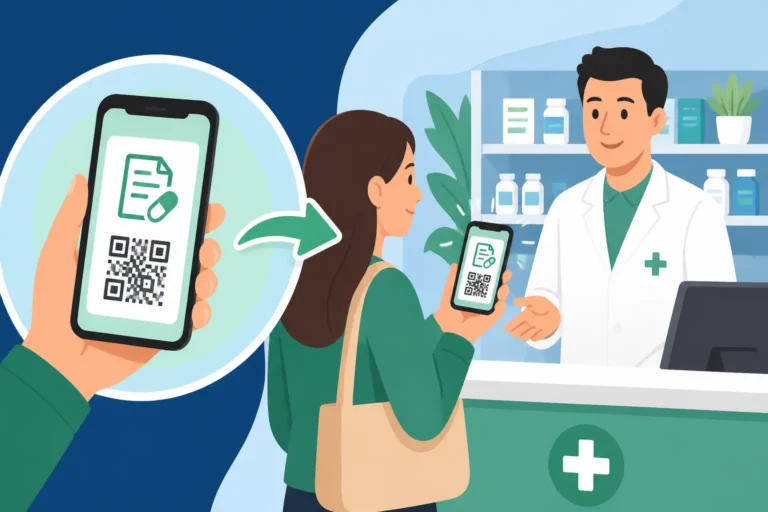
One of the first things you'll notice at an Estonian pharmacy (Apteek) is that nobody has paper prescriptions. You walk up to the counter, hand over your ID card, and the pharmacist sees everything that has been prescribed for you. It’s incredibly efficient. This is the Understanding the Digiretsept (Digital Prescription) System in Estonia in action. Whether it’s a standard antibiotic or long-term medication, it’s all tied to your Isikukood.
For expats with chronic conditions, this is a godsend. You can often request a prescription renewal through your doctor’s portal or even via email, and they can "push" it to the system without you needing to visit the office. Once they sign it, you can walk into any pharmacy in the country—from the 24-hour one in Tallinn’s Tõnismägi to a tiny kiosk in a rural village—and pick up your meds.
The pharmacist can also see if you have specific "concessions" or discounts. For instance, if you have a chronic illness registered in the system, the state might cover 50%, 75%, or even 100% of the drug cost. This is calculated automatically at the point of sale. You don't have to fill out reimbursement forms or wait for a check in the mail; the price you pay at the counter is the final, subsidized price.
How Digital Prescriptions Work
When a doctor creates a "Digiretsept," it is instantly active. I’ve actually had appointments where I walked from the doctor’s office to the pharmacy downstairs, and the prescription was already waiting for me. There is no "processing time" like in some countries. You just need to make sure you have your physical ID card or at least know your 11-digit number and have a way to prove your identity.
If you are picking up medication for someone else—say, a sick spouse or a child—you will need their Isikukood. In the Health Portal, you can also designate someone as an authorized person to pick up your prescriptions. This is a vital setup step for families. If your partner is the one who usually does the grocery shopping and pharmacy runs, make sure they are authorized in your portal to avoid any awkward "I can't give you this" moments at the counter.
One minor thing to watch out for: prescriptions do expire. Most are valid for 60 to 180 days. If you wait too long to pick up a "as needed" medication, you might find it has vanished from your list. Also, keep an eye on the number of "refills" left. The system tracks this perfectly, so you can't accidentally (or intentionally) get more than what was prescribed.
Pharmacy Network and Access
Estonia has a very dense network of pharmacies. Major chains like Apotheka, Benu, and Euroapteek are everywhere. Most pharmacists in larger cities speak excellent English and can explain the dosage and side effects clearly. They can also see your medication history to check for potential drug interactions, adding an extra layer of safety to your care.
In Tallinn, there are two 24-hour pharmacies: one on Tõnismägi and one in Lasnamäe (Vikerlase). If you find yourself in need of medication in the middle of the night, these are your only options. It’s worth pinning these on your Google Maps the moment you arrive. The digital system works exactly the same at 3:00 AM as it does at 3:00 PM; as long as the prescription is in the system, you can get it.
For those who prefer convenience, some pharmacies now offer home delivery for non-prescription and even some prescription meds through their websites. However, the first time you get a prescription, I recommend going in person. The pharmacists are a great resource for navigating the local versions of familiar drug brands. They can tell you, for example, that the local equivalent of your home-country painkiller is exactly the same formula, just under a different name like "Paracetamool."
Health Insurance and the Tervisekassa
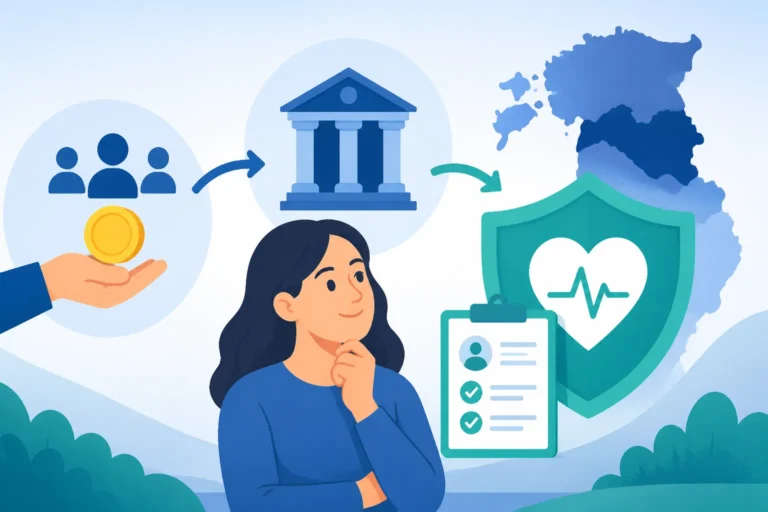
The engine that powers this digital system is the Estonian Health Insurance Fund, now branded as Tervisekassa. If you are working for an Estonian company and paying social tax, you are automatically covered. There is no "enrollment period" like in the US; it simply activates once your employer registers your start date in the employment register. You can check your insurance status anytime by logging into the e-Eesti portal.
However, many expats fall into the "gaps." This includes digital nomads, those on a job hunt, or freelancers who haven't yet reached the social tax threshold. For these groups, understanding How Estonia's Health Insurance Fund (Tervisekassa) Works: A Full Overview is essential. If you aren't covered by the state, you are liable for 100% of your medical costs, which can add up quickly if you end up in the hospital.
This is where private options come into play. While the public system is great, it’s not always immediate. During your first few months in Estonia, or if you are moving between jobs, the public insurance might have a "waiting period" or a lag in activation. Newcomers are often advised to look at SafetyWing as a bridge. It’s designed for the mobile life and fills the gaps that local state insurance might leave open, especially if you are traveling outside Estonia frequently.
Public Coverage (Tervisekassa) Realities
Tervisekassa is a "solidarity-based" system. This means that whether you earn 1,000 euros or 10,000 euros, you get the same level of care. It covers almost everything: doctor visits, surgeries, hospital stays, and most diagnostic tests. You will usually pay a small "visit fee" (visiiditasu) of around 5 euros for a specialist visit, but the state covers the rest. It’s an incredible value compared to the private insurance premiums in many other countries.
The catch is the "waiting list" (järjekord). Because the system is public and affordable, the demand is high. For non-urgent issues, you might wait two or three months to see a dermatologist or an ophthalmologist. This is the main reason why some expats choose to go "private" (tasuline). If you pay out of pocket, you can usually get an appointment within a week.
One of the best features of Tervisekassa is the European Health Insurance Card (EHIC). Once you have Estonian insurance, you can order this card for free. It covers you for emergency care in any EU country. It’s a huge perk of being a resident here. You can order it through the riik.ee portal, and it arrives in your mailbox about a week later.
Bridging the Gap with Private Insurance
Private insurance in Estonia is a bit different than in the UK or the US. It’s often used as a "supplement" rather than a replacement. Companies like Ergo or Salva offer health insurance plans that cover the "paid" slots at clinics, meaning you can skip the public waiting lists. This is a luxury, but for a busy professional or someone with a recurring health issue, it’s worth the monthly cost.
If you are a freelancer or a digital nomad, you might not be eligible for Tervisekassa right away. In this case, you must have private coverage to maintain your residence permit or visa. SafetyWing is a popular choice here because it meets the requirements for most Estonian visas and provides coverage that moves with you. If you decide to spend a month working from a beach in Greece, your insurance doesn't break, which is something local Estonian private plans often struggle with.
Ultimately, the goal is to never be "uninsured" in Estonia. While the state won't let you die in the street—emergency care is provided to everyone—the bills for an uninsured hospital stay are staggering. Bills can run into the thousands for a simple appendectomy for someone whose insurance had lapsed. Always double-check your status on the portal before any planned procedure.
Specialist Care and Hospital Stays
When your family doctor gives you that digital referral, you enter the world of specialized medicine. Estonia has world-class facilities, particularly the North Estonia Medical Centre (PERH) in Tallinn and the Tartu University Hospital. These are "Haigla" in Estonian, and they are massive, modern institutions where everything is tracked digitally from the moment you check in at the self-service kiosk.
Booking these visits is done through the same digital portal we’ve discussed. You can see your How E-Referrals (Saatekiri) Work for Specialists in Estonia and match them with open slots. When you arrive at the hospital, you don't need to bring a folder of history; the specialist just opens your digital file and sees exactly what your family doctor was concerned about. It makes the consultation much more focused and efficient.
If you are admitted to the hospital, the digital tracking continues. Your vitals, medications administered, and even your meals are often logged in a system that feeds back into your main health record. When you are discharged, a "discharge summary" (epitees) is uploaded to the portal. This is a detailed document that tells your family doctor exactly what happened, what medications you were given, and what the follow-up plan is.
Booking via the Digital Registration System
The National Digital Registration System (Digiregistratuur) is accessible via the Health Portal. It’s available in English, which is a massive help. You can search by "Specialty" (Eriala) and see a list of every clinic in the country that has a contract with the Tervisekassa. This includes both large public hospitals and smaller private clinics that take public patients.
Pro tip: The system updates in real-time. If someone cancels an appointment, it pops back up in the registry. If you are desperate for an earlier slot, log in on a Monday morning or late Friday afternoon. I’ve managed to move a three-month wait down to a three-day wait just by checking the portal a few times a day. It’s a bit like hunting for concert tickets, but for your health.
If you have private insurance or are willing to pay, you should select the "Paid service" (Tasuline teenus) checkbox. This will show you a completely different set of appointments. Often, the same doctor who has a three-month wait for a "public" slot has an open "paid" slot tomorrow. It’s a "pay-to-play" aspect of the system that is common in Estonia, allowing those with means to bypass the queues while keeping the public system funded.
Hospitalization and E-Health Records
Being in a hospital in a foreign country is scary, but the digital system in Estonia provides a weird sort of comfort. You can see the names of your nurses and doctors in your portal later. If you don't understand something the doctor says in person—perhaps because of the language barrier or the stress of the situation—you can read the "Epihriis" (Summary) later and run it through a translator.
The nurses in Estonian hospitals are increasingly tech-savvy. Many use tablets at the bedside to update your chart. This reduces the chance of errors, such as being given the wrong dose of medicine. Your "digital twin"—the collection of all your data—is always being updated. This means that if you have a complication later, any doctor in the country can see exactly what happened during your stay.
One thing to keep in mind is the "hospital bed fee" (voodipäevatasu). It’s very low—usually around 2.50 euros per day—but it’s something you’ll be invoiced for after you leave. The invoice will likely arrive via email or be visible in your internet bank. In Estonia, everything is an e-invoice, and your health costs are no exception.
Specialized Digital Services: Dental and Mental Health
Dental care in Estonia is largely private for adults, but the digital integration is still there. Your dentist will still use your Isikukood, and your dental records (like which teeth have fillings) are stored in the same central portal. This is incredibly helpful if you ever need emergency dental work while traveling within Estonia; the new dentist can see exactly what’s been done before.
The state provides a small annual benefit for dental care, which is currently around 60 euros (more for pregnant women or the elderly). The beauty of the digital system is that you don't have to "claim" this. When you go to a dentist that has a contract with Tervisekassa, they deduct the benefit from your bill automatically. You can read more about Understanding Dental Care and Adult Dental Benefits in Estonia to see how to maximize this.
Mental health services are also being brought into the digital fold. While the "waiting list" for a psychologist can be long, you can now access "e-consultations" where your family doctor can get a specialist’s opinion digitally within 48 hours. This helps determine if you need an urgent in-person visit or if your medication can be managed by the Perearst.
Dental Benefits and Digital Claims
Even though you pay for most dental work out of pocket, the state "Adult Dental Care Benefit" is a nice little perk. To use it, you just need to make sure your dentist is a partner of Tervisekassa. Most major clinics in Tallinn and Tartu are. When you pay your bill, the 60-euro credit is applied instantly. No paperwork, no receipts to mail in.
If you need more extensive work, like a "Proteesihüvitis" (Prosthesis benefit), the system handles that too. Everything is linked to your digital identity. You can log into the Health Portal and see exactly how much of your annual dental limit you have left. It’s a small detail, but it shows the power of having everything in one place.
For those looking for English-speaking dentists, clinics like Maxilla or Kliinik 32 are very popular with the expat community. They are fully integrated into the digital system, ensuring that your X-rays and treatment plans are available should you ever need to see a specialist or an oral surgeon in the public hospital system.
Mental Health Support in a Digital Age
Mental health has become a priority in Estonia, and the digital tools are catching up. You can find English-speaking therapists through portals like peaasi.ee or tervisetrend.ee. While the "public" psychologists are hard to reach, many private therapists offer video consultations, which are great for expats who might be living in more remote parts of the country or who just prefer the comfort of home.
If you are in a crisis, there is a digital "Mental Health First Aid" available online. Also, the 112 emergency number is fully integrated with medical dispatchers who can help in English. For non-emergencies, you can use the How to Access Mental Health Services in Estonia as an Expat guide to find the right path, whether it’s through your family doctor or a direct private booking.
The "e-referral" for mental health is a bit different. Often, you can see a psychiatrist without a referral for the first visit, but a referral from your Perearst can sometimes help lower the cost or get you into a specific state-funded program. Always check the current rules in the Health Portal, as they can change based on new healthcare laws in 2026.
Practical Tips for Navigating the System
Navigating a digital system in a foreign language is a marathon, not a sprint. My biggest tip? Use Google Chrome’s "Translate to English" feature on the Health Portal. While the portal has an English button, sometimes the actual medical notes (the parts written by the doctors) remain in Estonian. The auto-translate feature isn't perfect, but it will tell you if the doctor wrote "healthy" or "needs surgery."
Another practical tip is to always keep your "Isikukood" in a "Favorites" note on your phone. You will be asked for it constantly—at the doctor, at the pharmacy, at the lab. It becomes your second name. Also, ensure your contact details are updated in the eesti.ee portal. If a doctor cancels an appointment or a lab result is ready, the system will send an SMS or email to the address on file there.
If you ever feel overwhelmed, remember that the Emergency Medical Care in Estonia: What Every Expat Needs to Know is there as a fallback. The system is designed to be efficient, but it also has human safety nets. Don't be afraid to ask for help at the registration desk; most hospital staff under the age of 40 speak excellent English and are used to helping foreigners navigate the "E-stonia" experience.
Language Barriers and Translation
The language barrier is the number one complaint of expats in Estonia. While the software is digital and often available in English, the human interaction is where things can get lost. If you are going for a major consultation, consider bringing a friend who speaks Estonian, or at least have your key symptoms written down and translated beforehand.
Most doctors in Tallinn and Tartu are comfortable with English, but their written notes will almost always be in Estonian. This is for legal reasons, as the central system is a legal record. When you read your "Epitees" later, look for keywords like "Analüüsid korras" (Analysis okay) or "Retsept pikendatud" (Prescription extended). Over time, you’ll pick up these medical Estonian terms.
If you find a doctor you really like who speaks great English, stick with them! You can switch your family doctor at any time if you find one that better suits your needs. It just requires a new application to the new clinic. Having a doctor you can communicate with effectively is the most important part of "hacking" the digital system.
Emergency Situations and the 112 App
In a true emergency, forget the portal and the referral. Call 112. The dispatchers are trained to handle calls in English, Estonian, and Russian. There is also an app called "112" that you should download. It automatically sends your GPS coordinates to the dispatcher, which is a lifesaver if you are out hiking in Lahemaa or find yourself lost in a part of the city you don't know well.
For "urgent but not life-threatening" issues, there is the 1220 Family Doctor Advice Line. It’s available 24/7. Between 3:00 PM and 10:00 PM, they even offer advice in English. This is a great digital-adjacent service where a doctor can give you advice on whether you need to head to the ER or if it can wait until your clinic opens on Monday.
Lastly, if you do end up in the ER (EMO), be prepared for a wait. Just like the digital registration for specialists, the EMO uses a triage system. If your issue isn't life-threatening, you might be there for several hours. During this time, the hospital will likely have already pulled your records from the portal, so they will know your history before they even call your name. It’s that digital efficiency working in the background, even when you’re just sitting in a waiting room chair.
Disclaimer
The information provided in this guide is for informational purposes only and does not constitute professional medical or legal advice. Healthcare regulations and digital systems in Estonia are subject to change. Always verify current procedures with the Tervisekassa (Estonian Health Insurance Fund) or your healthcare provider. For emergency assistance in Estonia, dial 112 immediately.