How to Use the Family Doctor Advice Line (1220) in Estonia
Imagine waking up at 3:00 AM in your Tallinn apartment with a stabbing pain in your stomach or a child whose fever refuses to break. The panic sets in because you don't know if this is a minor bug or an emergency requiring a trip to the EMO. This guide explains how to use the 1220 advice line to navigate these scary moments with professional medical guidance in English.
What is the 1220 Family Doctor Advice Line
Living in Estonia as an expat often feels like you are learning a secret language, and the healthcare system is no exception. The 1220 service, known locally as the Perearsti nõuandeliin, is a national 24/7 hotline designed specifically to offer medical advice when your regular doctor’s office is closed or when you are unsure about the severity of your symptoms. It is not just a call center; it is a critical layer of the Estonian medical infrastructure that prevents the emergency rooms at East Tallinn Central Hospital or North Estonia Medical Centre from becoming overwhelmed with non-emergency cases.
The Bridge Between Home and the Hospital
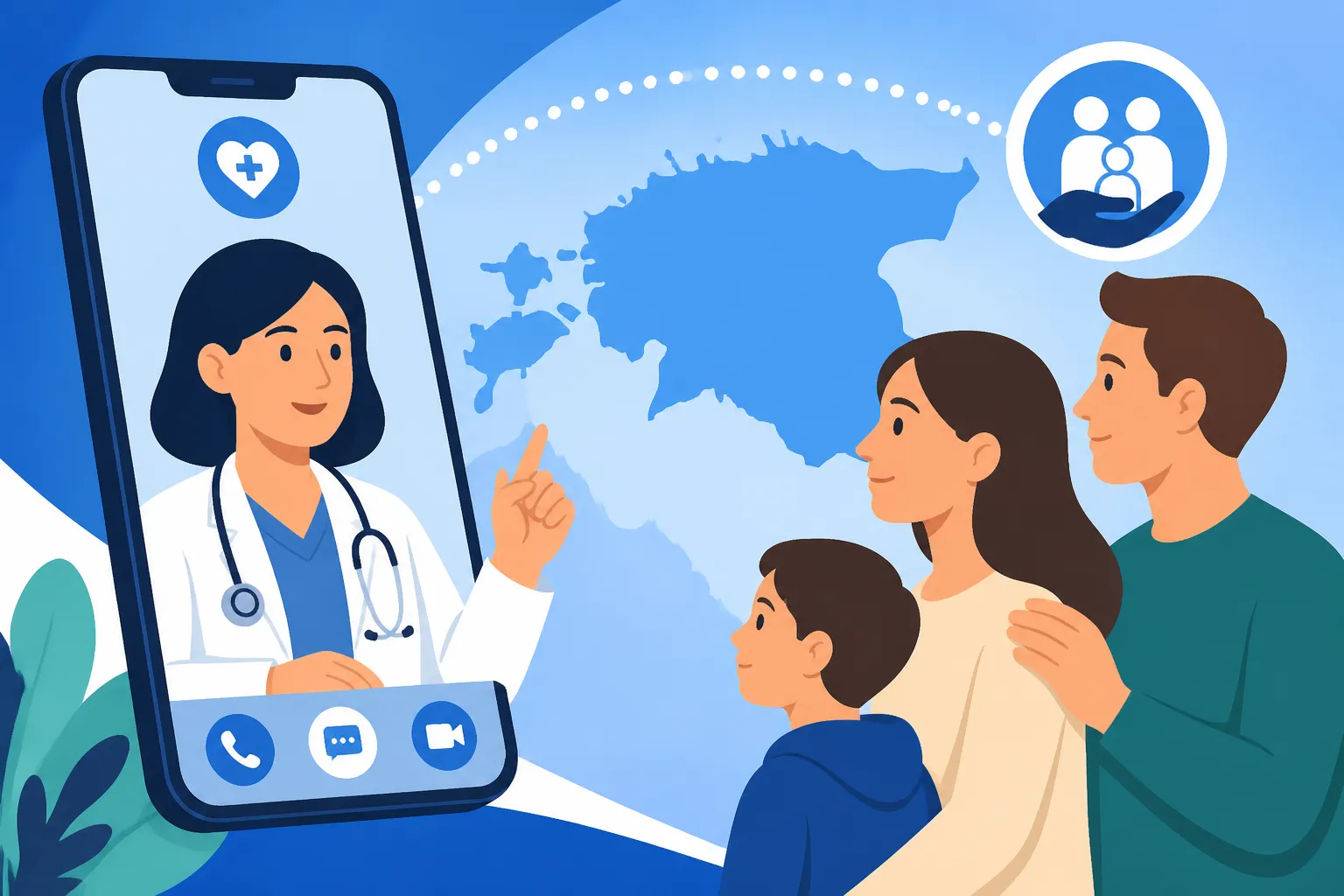
When you call 1220, you are connected to experienced nurses and family doctors who can provide immediate consultations. For an expat, this is a lifeline. We often find ourselves in a "grey zone" where we feel too sick to work but don't want to bother the emergency services. This line bridges that gap perfectly. The staff are trained to triage your situation over the phone. They might suggest home remedies, tell you which over-the-counter medication to buy at a 24-hour pharmacy, or, if the situation is dire, advise you to call 112 immediately.
If you are new to the country and still figuring out The Expat Guide to Finding a Family Doctor (Perearst) in Estonia, this line is even more vital. It provides you with a professional medical opinion before you have established a relationship with a local clinic. It helps reduce the "foreigner's anxiety" that comes from not knowing the local protocols for illness.
Who Mans the Phones
The advice line is staffed by qualified medical professionals. These are not general customer service representatives; they are individuals with years of experience in the Estonian primary care system. Because they understand how the local system works, they can often give you very specific advice tailored to the Estonian context—such as which brands of ibuprofen are available locally or how to handle a tick bite, which is a common concern during the Estonian summer.
The expertise available on the 1220 line is comprehensive. They handle everything from pediatric questions for worried parents to chronic pain management advice for elderly residents. For those who are still waiting for their official residency and wondering What Happens If I Get Sick Before My Health Insurance Starts in Estonia?, the 1220 line offers a way to get expert advice regardless of your current insurance status, though the cost of the call itself may vary based on your provider.
When Should You Call 1220 vs 112
One of the most confusing aspects for newcomers is distinguishing between an "advice" situation and an "emergency" situation. In many countries, there is only one number for everything. In Estonia, the distinction is clear and helps the system run efficiently. If you are breathing, conscious, and not in immediate life-threatening danger, 1220 is almost always your first port of call.
Distinguishing Between Non-Urgent Advice and Emergencies
The 112 number is strictly for life-threatening emergencies—think heart attacks, major trauma, or severe difficulty breathing. If you call 1220 and the nurse realizes your situation is critical, they have the authority and the technical capability to patch you through to the emergency dispatcher or tell you to hang up and dial 112 immediately. Understanding Emergency Medical Care in Estonia: What Every Expat Needs to Know is crucial here. Use 1220 for things like persistent coughs, mild allergic reactions, localized pain, or questions about medication dosages.
For many expats, the fear of "doing it wrong" leads to hesitation. If you are unsure, call 1220. It is better to be told by a professional that you need an ambulance than to sit at home in pain. For those traveling or those who have just arrived and are using a plan like SafetyWing, having this number saved can save you hours of searching for a private clinic in the middle of the night.
Real Life Scenarios for Using 1220
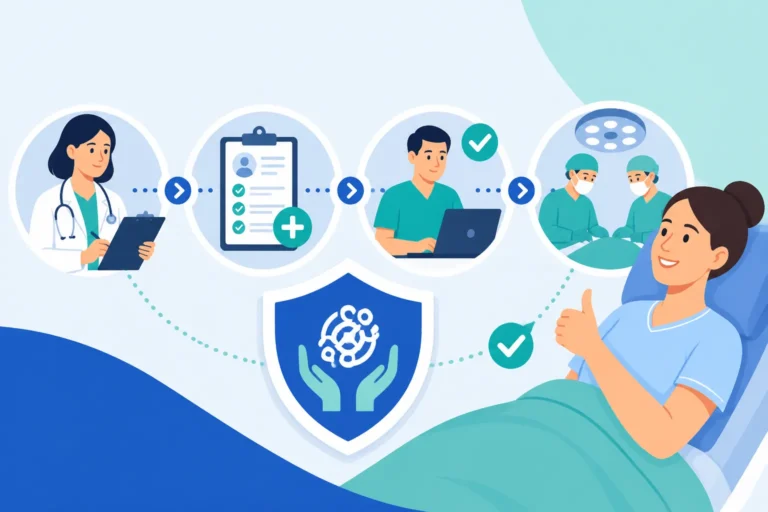
Consider a scenario where you have a high fever and a rash. It could be a simple viral infection, or it could be something more serious. By calling 1220, the nurse will walk you through a series of diagnostic questions. They might ask you to press on the rash to see if it blanches or check your neck stiffness. This remote triage is incredibly effective.
Another common scenario involves pediatric care. If your infant is crying inconsolably and has a slight temperature, 1220 can provide the dosage for paracetamol based on the child's weight—a calculation that is easy to mess up when you are sleep-deprived and stressed. This is a much better alternative than searching through forums or groups where advice can be unreliable. Even if you are covered by Understanding Private Health Insurance Plans in Estonia, the 1220 line remains the fastest way to get an initial medical opinion at 4:00 AM.
Practical Steps for Calling 1220 as an Expat
The actual process of calling is straightforward, but there are a few "Estonian quirks" you should be aware of to make the experience as smooth as possible. When you dial 1220 from an Estonian SIM card, you will typically hear an automated greeting in Estonian first. Don't let this discourage you or make you hang up.
Language Options and English Support
The 1220 line officially provides services in Estonian and Russian. However, in practice, many of the medical professionals on duty speak excellent English. When the call is answered, it is perfectly acceptable to ask, "Tere, do you speak English?" in a polite tone. If the person who answers isn't confident in their English, they will often try to find a colleague who is or use simplified terms to help you.
If your English is your only tool, be patient. The medical terms are often similar, and the nurses are very used to dealing with the international community in Tallinn and Tartu. If you find yourself in a situation where language is a major barrier, having a local friend or a colleague on standby to help translate can be a good backup, though the staff does their best to accommodate foreigners. This is part of the broader effort of Navigating Estonia's Digital Healthcare System: An Expat's Roadmap (2027).
Information You Should Have Ready
To get the most out of your call, you need to be prepared. The nurse will likely ask for your Isikukood (personal identification code). While you can still get advice without one—especially if you are a tourist or a digital nomad using SafetyWing—having it ready allows them to look up your medical history if you are already in the system.
You should also have a list of your current symptoms, how long they have lasted, and any medications you have already taken. If you are calling about someone else, like a child or a partner, make sure you are in the same room as them so you can check their temperature or breathing as the nurse directs you. This level of preparation ensures that the advice you receive is as accurate as possible.
Calling from a Foreign Number
If you haven't switched to a local SIM card yet (from Telia, Elisa, or Tele2), you can still reach the service by dialing the full international format: +372 634 6630. This is an essential tip for newcomers who are still in their first week and haven't set up their local mobile plan. Note that while 1220 is a short-code that might be free or low-cost on local plans, calling the landline number from a foreign SIM will incur international roaming charges.
| Feature | 1220 Advice Line | 112 Emergency Line |
|---|---|---|
| Best For | Minor illness, medical questions, dosage advice | Life-threatening situations, accidents, unconsciousness |
| Availability | 24/7, 365 days a year | 24/7, 365 days a year |
| Language | Estonian, Russian, often English | Estonian, Russian, English |
| Cost | Regular call rates (first 5 mins free for some) | Always free |
| Can Prescribe? | Yes, in limited/emergency cases | No (Ambulance only) |
Cost and Insurance Implications
A major point of confusion for expats is who pays for this service. In many countries, a "doctor's line" implies a heavy consultation fee. In Estonia, the 1220 service is largely subsidized by the state, but there are some nuances depending on your status and how you call.
Pricing for Local and Foreign Lines
If you call from a local Estonian number, the first five minutes of the call are typically free of charge if you have How Estonia's Health Insurance Fund (Tervisekassa) Works: A Full Overview. After the initial five minutes, you pay at the local rate determined by your service provider (usually just a few cents per minute). This makes it an incredibly affordable way to get medical help.
However, if you do not have Estonian health insurance (Tervisekassa), you can still use the service. You will simply pay the standard call rate of your provider. For someone on a budget, this is significantly cheaper than a walk-in visit to a private clinic like Confido or Fertilitas, which can cost upwards of 80 to 100 Euros for a basic consultation.
Coverage for Non-Residents and Travelers
For those in Estonia on a Schengen visa or a Digital Nomad Visa, you might be relying on private insurance like SafetyWing. While these insurers primarily cover larger medical expenses, the 1220 line is your best tool for deciding when to actually "trigger" your insurance and seek in-person care.
If you are an EU citizen, you should also be aware of How to Use Your EHIC (Euroopa Ravikindlustuskaart) in Estonia. While the EHIC covers necessary medical treatment in public hospitals, the 1220 line is a separate service that helps you avoid needing that hospital visit in the first place. It is a preventative tool that saves both you and the state money.
Navigating the Estonian Healthcare Context
To use 1220 effectively, you have to understand where it sits in the broader system. Estonia is a "primary-care-first" country. This means that your Perearst (Family Doctor) is the gatekeeper to all other specialists. The 1220 line acts as a temporary surrogate for your family doctor when they are unavailable.
The Role of the Perearst
In the Estonian system, your family doctor is your primary point of contact for everything from a sore throat to a referral for a cardiologist. When you call 1220, the nurse will often ask if you have already contacted your Perearst. If you haven't registered with one yet, I highly recommend reading How to Choose and Register with a Family Doctor (Perearst) in Estonia.
The advice line staff can see your basic health data if you provide your Isikukood, which allows for a more personalized consultation. They can see if you have chronic conditions or recent hospital visits recorded in the Understanding the Digilugu (Digital Health Record) System in Estonia. This level of digital integration is something most expats find impressive, once they get over the initial hurdle of setting up their digital ID.
Digital Integration and Prescriptions
One of the most powerful features of the 1220 line is its ability to issue or renew prescriptions in urgent cases. If it is a weekend and you have run out of essential medication—like asthma inhalers or blood pressure pills—the doctor on the 1220 line can, after a consultation, issue a Understanding the Digiretsept (Digital Prescription) System in Estonia.
This prescription is tied to your Isikukood, meaning you can walk into any Apteek (pharmacy) in Estonia, show your ID card, and pick up the medicine immediately. This service is a lifesaver for expats who might have forgotten to renew a prescription before a long public holiday like Jaanipäev, when almost all clinics are closed.
Common Pitfalls and How to Avoid Them
While the service is excellent, there are frustrations that expats commonly encounter. Knowing these ahead of time will prevent you from getting discouraged when you are already feeling unwell.
Dealing with Peak Hours and Wait Times
Like any hotline, 1220 has peak hours. Usually, these are Monday mornings (when people realize they are too sick to go to work after the weekend) and early evenings (when people get home from work and their symptoms worsen). During these times, you might be on hold for 10 or 15 minutes.
The wait music can be repetitive, but stay on the line. If your situation is worsening while you wait, hang up and call 112. If you are calling for a non-urgent question, try to call during the middle of the night or mid-afternoon when the volume is lower. If you are using a temporary insurance like SafetyWing and are worried about call costs, remember that the advice you get could save you a much more expensive trip to a private doctor later.
Managing Cultural Communication Nuances
Estonian communication style is often described as direct and "no-nonsense." When you call 1220, the nurse might sound very business-like. To some expats, this can come across as cold or dismissive, but it is actually just a focus on efficiency. They want the facts: What is the temperature? Where is the pain? How long has it been happening?
Don't take the directness personally. It is just the way the medical culture works here. Be just as direct in your answers. Avoid long preambles about your day; get straight to the medical issue. This helps them help you faster. If you are confused by a term they use, ask for clarification immediately. Most nurses would rather explain something twice than have you misunderstand a medical instruction.
Final Thoughts on Using 1220
The 1220 Family Doctor Advice Line is one of the most underutilized resources by the expat community. It provides a sense of security in a country where the language barrier can often feel like a wall between you and the care you need. Whether you are a permanent resident with Tervisekassa or a temporary visitor with SafetyWing, having this number programmed into your phone is a prerequisite for a stress-free life in Estonia.
By understanding the difference between advice and emergency, preparing your information beforehand, and being patient with the language and cultural differences, you can manage 90% of your health concerns without ever having to sit in a cold waiting room. It is a modern solution for a digital nation, and once you use it once, you'll wonder how you ever managed without it.
Disclaimer
This guide is for informational purposes only and does not constitute professional medical advice. Always consult with a qualified healthcare provider regarding any medical condition. In the event of a life-threatening emergency in Estonia, dial 112 immediately. The 1220 line is a consultative service and should not be used as a replacement for emergency intervention when required.