Understanding Emergency Numbers (112) and Ambulance Care in Estonia
Finding yourself in a medical emergency is terrifying enough, but when it happens in a foreign country where you are still learning the language and the administrative landscape, that fear can turn into paralyzing panic. This guide breaks down exactly how to use the 112 system, what happens when an ambulance arrives, and how to navigate the costs and logistics of emergency care in Estonia.
The Universal Emergency Number 112 in Estonia
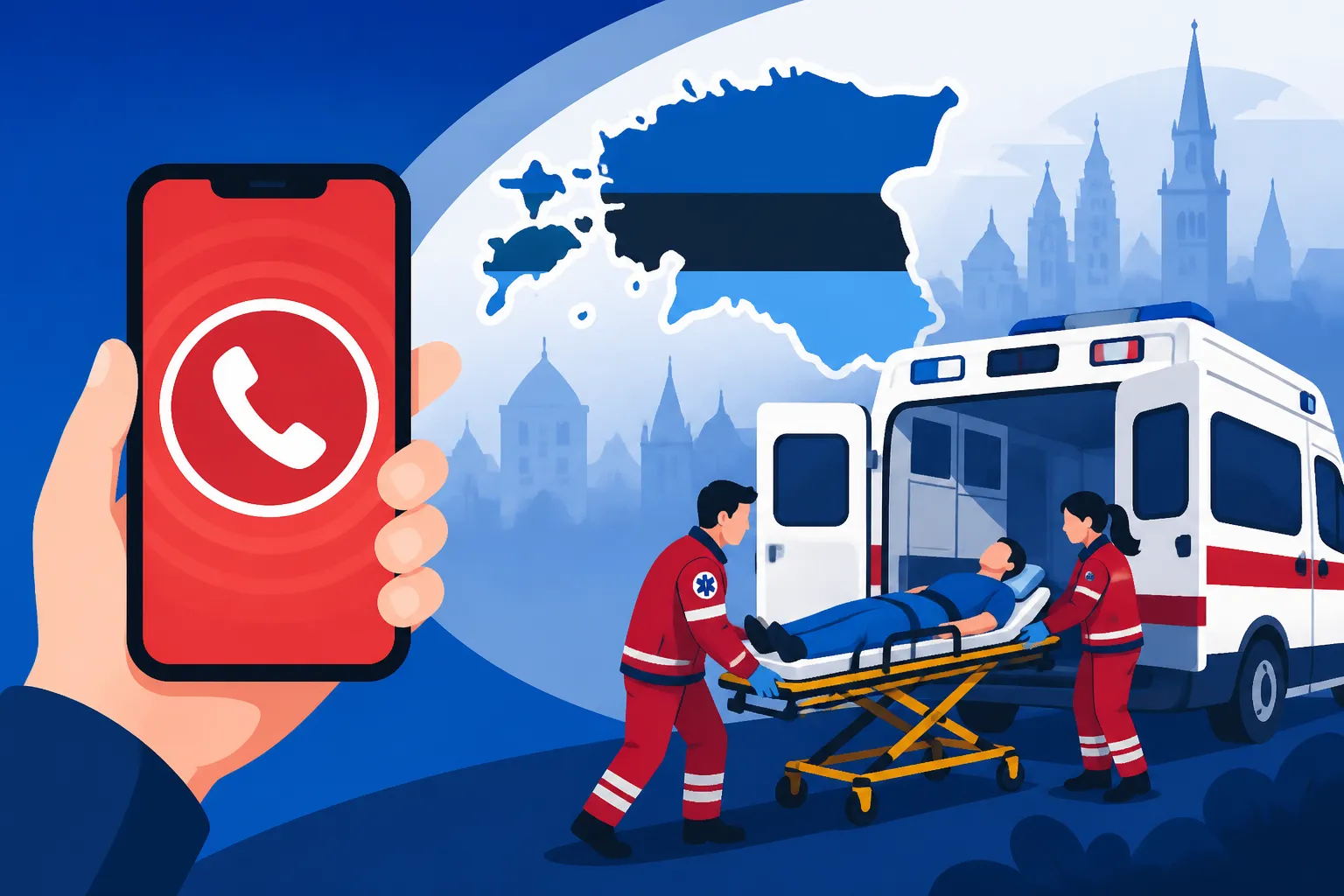
When you are in a crisis, the first thing you need to know is What Is the Emergency Phone Number in Estonia? so you don't waste precious seconds searching. In Estonia, 112 is the single, universal number for all life-threatening situations, whether you need the police, the fire department, or an ambulance (Kiirabi). It is a free call from any mobile or landline, even if you do not have a SIM card in your phone or if your mobile service provider is not local. This is a standard across the European Union, but Estonia’s digital integration makes the response particularly efficient.
Once you dial 112, you will be connected to the Emergency Response Centre (Häirekeskus). It is a common misconception among expats that you need to speak Estonian to get help. While the primary language is Estonian, the dispatchers are highly trained and almost always speak Russian and English. If you are struggling with the language, stay calm and state clearly in English that you need an ambulance and what your location is. Do not hang up until the dispatcher tells you to do so, as they may give you life-saving instructions over the phone while the crew is in transit.
It is also important to understand that the 112 dispatcher uses a sophisticated geographical information system to locate you. However, if you are in a large apartment complex or a rural area without a clear street address, you must be prepared to give landmarks. I remember a friend who lived in a new development in Tallinn where the street names weren't even on Google Maps yet; she had to describe the nearest supermarket and the color of her building to get the Kiirabi to her door. This is where knowing your neighborhood specifics becomes vital.
When to Call 112 vs. Other Services
One of the biggest hurdles for foreigners is determining what constitutes a "real" emergency. In some countries, people call an ambulance for a high fever; in others, they wait until they are unconscious. In Estonia, you should call 112 if there is an immediate threat to life or limb. This includes severe chest pain, difficulty breathing, unconsciousness, heavy bleeding, or major trauma from an accident. If the situation is urgent but not life-threatening, such as a moderately high fever in an adult or a minor bone fracture where you can still move, the system encourages other routes.
If you are unsure whether your situation is an emergency, you should consult Emergency Medical Care in Estonia: What Every Expat Needs to Know for a more detailed breakdown. Calling 112 for a non-emergency doesn't just clog the system; it can lead to frustration when the dispatcher tells you to call your family doctor or visit the EMO (Emergency Medicine Department) on your own. For those who are in Estonia on a shorter stay or are waiting for their local coverage to begin, having a plan like SafetyWing can provide the mental peace of mind to handle these uncertainties without worrying about the financial fallout of a hospital visit.
What Happens During the 112 Call
When the dispatcher answers, they will ask a series of specific questions. They aren't trying to be intrusive; they are triaging the situation. They will ask what happened, the address of the emergency, your phone number, and the number of people injured. A key tip for expats is to have your Isikukood (personal identification code) or passport number nearby if possible, although they will never deny emergency care if you don't have it. Understanding How to Get Your Isikukood (Personal Code) and Why It Matters for Healthcare can actually help speed up the administrative part of the process once you reach the hospital.
The dispatcher may ask you to perform certain actions, like checking a pulse or clearing an airway. In Estonia, the dispatchers stay on the line until the ambulance arrives if the situation is critical. It is a very structured process designed to keep you focused. For digital nomads or tourists who might be feeling isolated, knowing that the operator is there to guide you is a huge relief. If you are visiting and don't yet have local health coverage, mentioning that you have a private policy like SafetyWing can sometimes help the hospital staff later with the administrative intake, though the 112 dispatcher does not need this information.
Language Support and Technical Reliability
Estonia is a world leader in digital infrastructure, and this extends to the Häirekeskus. If you cannot speak at all, you can also send an SMS to 112, though you must register for this service in advance on the emergency services website. This is primarily for the hearing impaired, but it is a useful backup to know about. For most expats, English will be sufficient. I have personally assisted a neighbor who only spoke Spanish by translating for her while she was on the phone with 112; the dispatcher was incredibly patient as we worked through the details.
The system is remarkably reliable, but like any technology, it has its quirks. If you are calling from a foreign mobile number, the location tracking might be slightly less accurate than with a local SIM. Always try to confirm your address verbally. If you are out in the Estonian nature—perhaps hiking in Lahemaa—try to find a trail marker or use a GPS app on your phone to give coordinates. The more specific you are, the faster they can reach you.
Understanding the Kiirabi (Ambulance) Response
In Estonia, the ambulance service is known as "Kiirabi." It is not just a transport service; it is a mobile medical unit. Depending on the severity of the call, the team sent to you might be a nurse-led team or a doctor-led team. This is a significant difference from some Western systems where ambulances are primarily staffed by EMTs or paramedics. In Estonia, if the dispatcher deems the situation highly critical, an actual emergency physician may be in the vehicle to begin advanced interventions right in your living room or at the scene of an accident.
When the Kiirabi arrives, they will conduct a thorough assessment. They carry advanced diagnostic equipment, including EKGs and blood sugar monitors. One thing that surprises many expats is that the Kiirabi does not always take the patient to the hospital. If they can stabilize you and provide a treatment plan that can wait until you see your family doctor, they will do so. They might give you a shot for pain, provide a nebulizer treatment, or simply give you advice on how to manage a high fever. This is part of the efficient triage system designed to prevent the EMOs from becoming overwhelmed.
Types of Ambulance Teams
There are different levels of Kiirabi teams. The most common is the nurse-brigade (õebrigaad), which consists of three members: two highly trained nurses and a technician/driver. These teams can handle the vast majority of emergencies. For the most complex cases, such as cardiac arrest or major multi-vehicle accidents, a doctor-brigade (arstibrigaad) is dispatched. These teams are essentially a small piece of an intensive care unit on wheels.
The professionalism of these teams is world-class. They are used to dealing with foreigners, especially in cities like Tallinn and Tartu. Even if their English isn't perfect, their medical training is standardized. If you have any medical history, it is incredibly helpful to have it stored in the system. Understanding the Digilugu (Digital Health Record) System in Estonia is vital here; if you have been in the Estonian system before, the doctors at the hospital can see your records immediately, but the ambulance crew may not have full access in the field. Having a printed summary of your allergies or current medications in English can be a lifesaver.
Treatment on Site vs. Hospital Transport
If the Kiirabi decides you need to go to the hospital, you will be taken to the nearest EMO (Erakorralise meditsiini osakond). You generally do not get to choose which hospital you go to in a life-threatening emergency; the crew will take you to the facility best equipped to handle your specific condition. In Tallinn, this is often the North Estonia Medical Centre (PERH) in Mustamäe or the East Tallinn Central Hospital (ITK) in the city center. In Tartu, it is almost always the University of Tartu Hospital (Kliinikum).
The transport itself is focused on stabilization. Once you arrive at the EMO, the ambulance crew "hands you over" to the hospital staff. This is where you will be triaged again by the hospital nurses to determine how quickly you need to be seen by an E-doctor. If you are not in immediate danger, you might find yourself waiting for several hours. This is a common frustration for expats, but it is a sign that the system is prioritizing those whose lives are at risk. For those who aren't yet covered by the state, How Much Does Private Health Insurance Cost in Estonia in 2026? is a relevant topic, as private insurance can sometimes offer faster routes for non-emergency follow-ups.
Communication During Care
During the ambulance ride and the initial intake, communication is key. If you are the person needing care, try to remain as calm as possible and answer questions clearly. If you are calling for a friend or family member, stay with them and act as the liaison for the crew. The Kiirabi crews are generally very direct; don't mistake their efficiency for rudeness. They are focused on the task at hand.
For many expats, the fear of not being understood leads to avoiding calling the ambulance altogether. This is a dangerous mistake. Even with a language gap, the physical symptoms you are presenting will tell the medical professionals much of what they need to know. For visitors or those on the Digital Nomad Visa who might be worried about the cost of these high-level medical teams, products like SafetyWing are designed exactly for these "what-if" scenarios, ensuring that you don't hesitate to call for help when it matters most.
Costs and Insurance Coverage for Emergency Care
The question of "How much will this cost?" is often the second thing people think about after "Am I going to be okay?" In Estonia, the cost of emergency care depends heavily on your insurance status. For those who are employed locally and paying social tax, the majority of the costs are covered by the Tervisekassa (Estonian Health Insurance Fund). However, the system for foreigners can be a bit more complex, and it is crucial to understand Understanding Health Insurance Through Social Tax in Estonia to know if you are truly covered.
If you have Tervisekassa coverage, the ambulance service (Kiirabi) itself is free at the point of use. You will not receive a bill for the ambulance ride or the treatment provided by the paramedics on the scene. If you are admitted to the hospital through the EMO, you might be charged a small "in-patient fee" (voodipäevatasu), which is usually around 5 euros per day for up to 10 days. This is a nominal fee that applies to almost everyone.
| Service Type | Tervisekassa Covered | EU Citizen (EHIC) | Non-EU / Uninsured |
|---|---|---|---|
| Ambulance (Kiirabi) | Free | Free (with card) | Billable (approx. 100€+) |
| EMO Visit (Triage) | 5€ Co-pay | 5€ Co-pay | Billable (approx. 80-150€) |
| Emergency Surgery | Covered | Covered | Full Market Price |
| Hospital Stay | 5€ per day | 5€ per day | Full Market Price |
Coverage for EU Citizens and EHIC
If you are a citizen of another EU country and you have a valid European Health Insurance Card (EHIC), you are entitled to emergency care on the same terms as Estonian residents. This means the Kiirabi is free, and you only pay the standard co-payments at the hospital. However, you must have the physical card or a digital provisional certificate with you. Many expats from the EU forget to update their EHIC or don't realize it has expired. It is worth checking How to Use Your EHIC (Euroopa Ravikindlustuskaart) in Estonia to ensure you are prepared before an emergency strikes.
Without the EHIC, even as an EU citizen, the hospital might bill you as a private patient and expect you to claim the money back from your home country later. This can involve significant paperwork and upfront costs. This is why even EU residents living in Estonia often choose to have a secondary private policy like SafetyWing during their first few months of relocation, just to avoid the headache of cross-border reimbursement for emergency bills.
Costs for Non-EU Residents and Tourists
For those from outside the EU who do not yet have Tervisekassa coverage—such as those on a D-visa, a Digital Nomad Visa, or a tourist visa—emergency care is not free. You will be billed for the ambulance service and the hospital treatment. The cost of a Kiirabi call-out can range from 100 to 200 euros, and hospital costs can escalate rapidly depending on the tests and treatments required. If you find yourself in this situation, you will likely be asked to pay at the hospital or receive an invoice to your registered address.
This is a major financial risk that every expat should take seriously. You can read more about the specifics in How Much Does an Ambulance (Kiirabi) Cost in Estonia? to get a sense of the potential bills. For anyone in this "uninsured gap," I cannot stress enough the importance of having travel or expat insurance. SafetyWing is a popular choice among the Tallinn tech community because it can be started even after you've already left your home country, and it covers exactly these types of emergency medical evacuations and hospitalizations that could otherwise drain your savings.
Emergency Care for the Uninsured
It is a core principle in Estonia that no one is denied life-saving care based on their ability to pay. If you are in a car accident or suffer a heart attack, the Kiirabi will treat you and the hospital will stabilize you regardless of whether you have an Estonian ID card or insurance. However, once the immediate threat is over, the billing department will become involved. For those without any means, there are certain social safety nets, but for most expats, the debt will follow you and could even affect future residency renewals.
For a deeper look into this, check Can Tourists Access Emergency Care in Estonia for Free? to understand where the "free" care ends and the billing begins. It is always better to have insurance like SafetyWing as a buffer. Even if you eventually get Tervisekassa, that initial period of residency is often when people are most vulnerable because they are moving boxes, exploring new places, and are generally more prone to accidents.
Non-Emergency Alternatives and When to Use Them
One of the best things about the Estonian healthcare system is the 1220 Family Doctor Advice Line. This is a 24/7 service where you can speak to a doctor or a high-level nurse about medical issues that are not life-threatening. The service is available in Estonian, Russian, and English. If it is 2 AM and your child has a high fever or you have a sudden, painful rash, call 1220 before you consider calling an ambulance or heading to the EMO.
The advice line is incredibly helpful for navigating the "is this an emergency?" anxiety. They can tell you if you can wait until morning to see your family doctor or if you should go to the hospital immediately. If they believe you need an ambulance, they can actually bridge the call to 112 for you. Learning How to Use the Family Doctor Advice Line (1220) in Estonia is one of the most practical things a new expat can do to feel settled and safe in their new home.
24-Hour Pharmacies (Valveapteek)
If the 1220 line recommends a certain over-the-counter medication, you'll need to know where to find it after hours. In Estonia, these are called "Valveapteek." In Tallinn, there are two main 24-hour pharmacies: one in the city center at Tõnismägi 5 and another in Lasnamäe at Vikerlase 19. In Tartu, the 24-hour pharmacy is typically located at Raekoja plats.
These pharmacies are a lifeline for minor emergencies like allergic reactions, dental pain, or sudden digestive issues. The pharmacists are usually very knowledgeable and can often provide advice in English. For more details on locations and what they stock, see What Pharmacies Are Open Late or 24 Hours in Tallinn? and keep those addresses saved in your phone. Having a basic first-aid kit and some common medications at home is great, but knowing the "valveapteek" location is your backup plan for when the home kit isn't enough.
Poison Control and Specialized Hotlines
There are other specific numbers that can save you a trip to the emergency room. The Poisoning Information Centre hotline is 16662. They provide expert advice on what to do if someone has swallowed something toxic, been bitten by a snake (Estonia has the common European adder), or had a bad reaction to a chemical. This is a vital number for parents especially.
Additionally, for mental health crises, there is the 116 123 support line. While the 112 system can handle acute psychiatric emergencies where there is a risk of self-harm, these specialized hotlines are better for immediate emotional support and guidance on where to find long-term help. As an expat, the stress of relocation can sometimes lead to mental health struggles, and knowing these resources exist is part of a complete "health toolkit" in Estonia.
Practical Tips for Handling Emergencies as an Expat
Preparation is the antidote to panic. One of the first things you should do after moving into your new home is to print out your address and keep it on the fridge. It sounds simple, but in a moment of extreme stress, your brain might forget the name of that long Estonian street or the specific apartment number. If you have guests staying with you, ensure they also know how to describe where they are.
You should also ensure your digital life is ready. How Do I Access My Digilugu Health Record Online in Estonia? is a question you should answer long before you are sick. Log in with your Smart-ID or Mobile-ID and ensure your emergency contact information is updated. If the hospital staff can see who to call in your records, it saves them an enormous amount of time and stress.
Creating an "ICE" (In Case of Emergency) Card
It is wise for expats to carry a small card in their wallet—or a note on their phone’s lock screen—with "ICE" information. This should include your full name, Isikukood, any major allergies (like penicillin or nuts), chronic conditions (like diabetes), and a contact person's phone number. If you have private insurance like SafetyWing, include the policy number and the 24/7 assistance phone number on that card as well.
In a situation where you are unconscious or unable to speak, this card does the talking for you. The medical teams in Estonia are very efficient, and they will look for identification. If they find your insurance info immediately, it can streamline the process of getting you into a private room or arranging for specialized care that your policy might cover above and beyond the basic state requirements.
Understanding the EMO Triage Categories
When you arrive at the hospital, you will be assigned a color category based on your urgency:
- Red: Life-threatening. You are seen immediately.
- Orange: Potentially life-threatening. You are seen within 15 minutes.
- Yellow: Urgent but not immediately life-threatening. You could wait up to 60 minutes.
- Green: Non-urgent. You might wait up to 3 hours or more.
- Blue: Very low urgency. These patients are often redirected to their family doctor and may wait the longest.
Knowing this prevents the "why is everyone ignoring me?" feeling that often leads to expat frustration. If you are in the green or yellow category, bring a book or a charger for your phone. You can find more about the patient experience in The Complete Guide to Healthcare in Estonia for Expats (2027), which helps set realistic expectations for your hospital visit.
Navigating the Language Gap in the Hospital
While the Kiirabi crew might have basic English, the hospital staff at the EMO usually has a wider range of language skills. However, the intake forms and signs might still be in Estonian. Don't be afraid to use translation apps on your phone. Google Translate’s camera feature is excellent for reading Estonian medical forms or signs.
If you are struggling to communicate, you can ask, "Kas te räägite inglise keelt?" (Do you speak English?). Most younger doctors and nurses in Estonia are quite fluent. If you are truly stuck, the hospital may be able to find a staff member who can translate, but in a fast-paced emergency room, this isn't always possible. This is another reason why having a printed list of your symptoms and history in English is so helpful.
Summary of Emergency Procedures
When an emergency happens, every second counts. By knowing the 112 system, understanding that the Kiirabi is there to stabilize you, and being aware of the costs and insurance implications, you are already ahead of most newcomers. Estonia’s medical system is high-tech and efficient, but it requires you to be an active participant who knows which number to call and what documents to have ready.
Whether you are here for a few months or a few decades, your health is your most important asset. Don't let the fear of a language barrier or a complicated bill keep you from seeking help. With a combination of the local Tervisekassa system and a reliable backup like SafetyWing, you can navigate the Estonian healthcare landscape with confidence, knowing that you and your loved ones are protected even in the most unexpected circumstances.
Disclaimer
The information provided in this guide is for informational purposes only and does not constitute medical or legal advice. While every effort has been made to ensure the accuracy of the details regarding Estonian emergency services and insurance as of 2026, systems and costs can change. Always consult with the official Estonian Health Insurance Fund (Tervisekassa) or your private insurance provider for the most current information regarding your specific coverage and obligations. If you are experiencing a medical emergency right now, stop reading and dial 112 immediately.