Are Prescription Medications Expensive in Estonia?
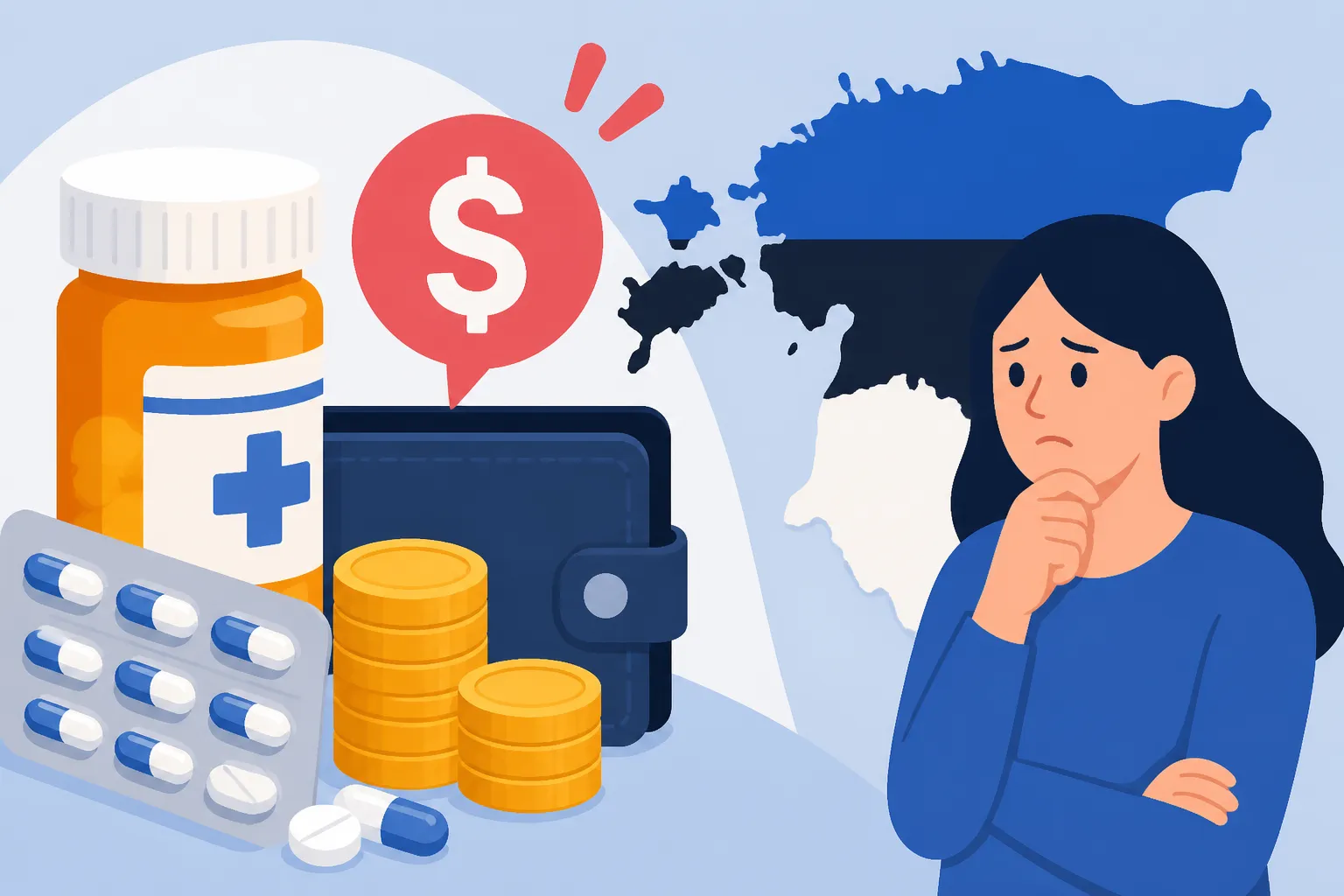
Moving to a new country often comes with a "sticker shock" fear regarding healthcare, especially if you rely on daily maintenance medication. You might be wondering if your monthly budget will be swallowed by pharmacy visits or if the system here is as efficient as the tech brochures claim. This guide breaks down exactly how much you can expect to pay for prescriptions in Estonia and how the subsidy system works.
Understanding the Digital Prescription System in Estonia
When I first arrived in Tallinn, I spent far too much time looking for a paper prescription that didn't exist. Estonia is famous for its "e-everything," and healthcare is no exception. The backbone of the pharmacy experience here is the Digiretsept, or digital prescription. You won't walk out of a doctor's office with a slip of paper; instead, the doctor enters the prescription into a central database linked to your personal identification code.
To pick up your medicine, you simply go to any pharmacy and present your ID card or residence permit. The pharmacist scans it, sees what has been prescribed, and hands over the medication. It is incredibly efficient once you are in the system, but for a newcomer, it can feel a bit invisible. If you are still waiting for your residence permit, you might feel stuck. During this transitional period, many expats rely on SafetyWing to ensure they have some form of coverage while navigating the local bureaucracy.
The beauty of this system is that it also allows for easy renewals. You often don't need to visit the doctor in person just to get a refill. A quick phone call or an email to your family doctor’s nurse is usually enough for them to "push" a new prescription to the digital system. You can then check your active prescriptions by logging into the national health portal. Understanding How to Access My Digilugu Health Record Online in Estonia is a vital skill for any long-term resident who wants to keep track of their medical history and current medications.
The Cost of Medications and the Tervisekassa Subsidy
The short answer to whether prescriptions are expensive is: no, not compared to North America, but it depends heavily on your insurance status. If you are covered by the Tervisekassa (Estonian Health Insurance Fund), the state subsidizes a massive portion of the cost for most essential medicines. Most people gain this coverage through employment where their employer pays social tax. If you are curious about the mechanics of this, you should look into How Estonia's Health Insurance Fund (Tervisekassa) Works: A Full Overview to see if you qualify.
For those with coverage, the pricing structure is divided into discount categories. You will almost always pay a mandatory "base fee" of approximately 2.50 EUR per prescription, and then a percentage of the remaining cost. The discount tiers are typically 50%, 75%, 90%, or even 100% for life-saving medications or chronic conditions.
| Medication Type | Typical Subsidy Level | Estimated Out-of-Pocket Cost |
|---|---|---|
| Standard Antibiotics | 50% | 5 – 15 EUR |
| Chronic Hypertension Meds | 75% – 90% | 3 – 7 EUR |
| Specialized Biological Treatments | 100% | 2.50 EUR (Base Fee) |
| Over-the-Counter (Painkillers) | 0% | 4 – 10 EUR |
The "expensive" medications are usually those not yet on the subsidized list or brand-name drugs where a cheaper generic equivalent exists. In Estonia, pharmacists are legally required to offer you the cheapest generic version first. If you insist on a specific brand name, you will have to pay the price difference yourself. This is one of the many nuances covered in Prescription Medications and Pharmacies in Estonia: The Complete Guide, which I highly recommend reading before your first major pharmacy run.
Managing Prescription Costs Without Public Insurance
The biggest trap for expats is the "waiting period." When you first move and start a job, there can be a gap before your Tervisekassa coverage becomes active. If you have a chronic condition that requires expensive medication, this gap can be financially painful. During this time, you are considered a private patient, meaning you pay the full market price for everything. This is where having a plan like SafetyWing can be a lifesaver, as it provides a safety net while you wait for the local system to kick in.
If you are a digital nomad or self-employed through a foreign entity, you might never enter the Tervisekassa system. In these cases, you’ll want to know How Much Private Health Insurance Cost in Estonia in 2026? to compare the costs of paying for prescriptions out-of-pocket versus having a private policy that might reimburse those expenses. For many, the out-of-pocket cost of standard medications is low enough that they simply pay cash, but for specialized meds, the costs can climb into the hundreds of euros.
Another scenario is bringing prescriptions from your home country. Estonia is quite strict about foreign prescriptions. While EU prescriptions are generally accepted if they contain specific information, non-EU prescriptions (from the US, Canada, etc.) are often not valid at the counter. You will likely need to see a local doctor to have the prescription "converted" into a Digiretsept. This involves a consultation fee, which adds to the overall cost. Learning How to Use a Digiretsept at a Pharmacy in Estonia will help you understand the workflow once you've secured that local script.
Practical Tips for Saving Money at the Apteek
If you find yourself needing medication regularly, there are a few local secrets to keep costs down. First, always register with a family doctor (Perearst) as soon as you get your personal code. Without a registered Perearst, getting a specialist to write a recurring prescription can be much more expensive and time-consuming. You can find more details on this process in the guide on The Expat Guide to Finding a Family Doctor (Perearst) in Estonia.
Secondly, take advantage of the digital nature of the system to price-shop. Most major pharmacy chains like Apotheka, Benu, and Euroapteek have online stores where you can check the price of non-prescription items and even see the availability of your prescribed meds. Sometimes, the price for over-the-counter supplements can vary significantly between chains.
If you are a frequent traveler, consider how your insurance handles emergencies. While SafetyWing is excellent for travel and transitional periods, you should also understand How to Use Your EHIC (Euroopa Ravikindlustuskaart) in Estonia if you are an EU citizen, as this can provide similar subsidy levels to the local Tervisekassa for necessary treatments.
Lastly, keep an eye on the "added benefits" for high-cost medication. If your annual spending on subsidized medications exceeds 100 EUR, the state provides an additional discount. For spending between 100 and 300 EUR, you get an extra 50% off. If you spend over 300 EUR in a calendar year, the state covers 90% of the costs exceeding that amount. This happens automatically in the digital system—no need to collect paper receipts and mail them to a government office in a frantic rush at the end of the year.
For anyone moving to the capital, it's also worth noting where the late-night services are. I’ve had many 2 AM runs to the Tõnismägi pharmacy in Tallinn. Knowing What Pharmacies Are Open Late or 24 Hours in Tallinn? is just as important as knowing the price, because getting sick on a Saturday night shouldn't mean waiting until Monday for relief.
Health and Medical Disclaimer
The information provided in this article is for informational purposes only and does not constitute professional medical or legal advice. While we strive to keep the information up to date, healthcare regulations and social tax laws in Estonia can change. Always consult with a qualified medical professional or the Estonian Health Insurance Fund (Tervisekassa) for specific advice regarding your health and insurance status.