Understanding the Role of the Family Doctor Centre (Perearstikeskus) in Estonia
Moving to a new country involves a steep learning curve, but few things are as stressful as falling ill and not knowing where to turn. In Estonia, the primary gateway to medical care isn't a hospital or a private clinic, but the Family Doctor Centre, known locally as the Perearstikeskus. This guide clarifies exactly how these centres function, their role as gatekeepers to the wider medical system, and how you can navigate them effectively as an expat.
What Exactly is a Perearstikeskus
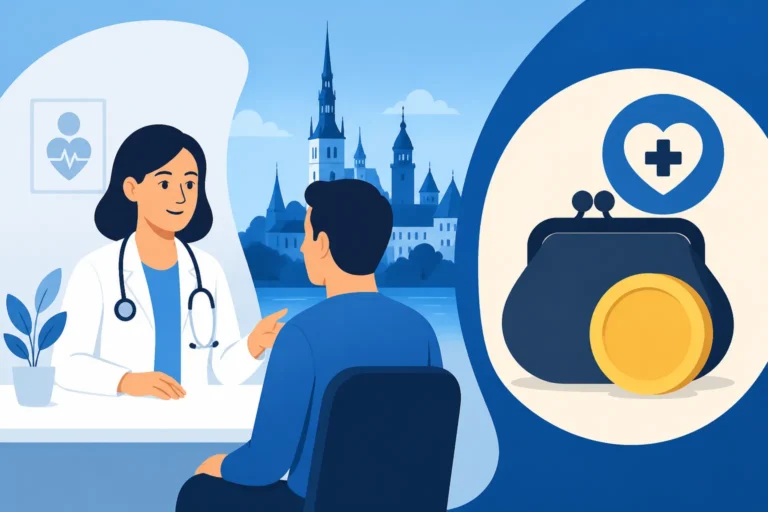
When you first arrive in Tallinn or Tartu, you might expect the healthcare system to look like a series of independent GP offices. However, the Estonian model is built around the Perearstikeskus, a centralized hub where family doctors and nurses work in teams. These centres serve as your first point of contact for nearly every health-related issue, from a common cold to the management of chronic diseases. Understanding this structure is vital because, in Estonia, you generally cannot see a specialist without first going through your family doctor.
The Perearstikeskus is not just a building; it is a clinical team responsible for a specific list of residents. Unlike some countries where you can walk into any clinic and pay a fee, the Estonian system is based on registration. Every legal resident is entitled to be on the list of a specific family doctor. This doctor becomes the person who knows your medical history, manages your Understanding the Digilugu (Digital Health Record) system in Estonia, and coordinates your care across the entire national health landscape.
It is also important to recognize that these centres are distinct from the EMO (Erakorralise meditsiini osakond), which is the emergency room. A common mistake many expats make is heading to the hospital for non-urgent issues like a lingering cough or a prescription renewal. Doing so often results in long wait times and a potential bill, as the ER is reserved for life-threatening situations. The Perearstikeskus is where "maintenance" and routine diagnostics happen, providing a more personalized and less frantic environment than a hospital ward.
The Team Dynamics: Doctor vs. Nurse
One of the first things you will notice when visiting a Perearstikeskus is that you will likely spend more time with a family nurse (pereõde) than with the doctor (perearst). This is a deliberate and highly efficient part of the Estonian healthcare model. The family nurse is a highly trained professional capable of handling many routine tasks, such as vaccinations, blood pressure monitoring, and even certain types of acute illness consultations.
In many cases, when you call your centre to report an illness, the nurse will be the one to assess your symptoms. They have the authority to open a "sick leave" certificate, which is essential for your employer. If you are struggling with the administrative side of being unwell, Understanding Sick Leave (Haigusleht) and Sick Pay in Estonia will help you understand how these digital certificates trigger your social benefits. The nurse acts as the frontline, ensuring that the doctor’s time is reserved for complex diagnoses and specialized medical decisions.
The relationship between the doctor and the nurse is collaborative. If the nurse identifies a symptom that requires a more intensive look, they will immediately consult the doctor or schedule you for a direct appointment with them. As an expat, this can sometimes feel like you are being "held back" from the doctor, but it is actually a sign of an organized system. Embracing the role of the nurse can lead to faster service and more frequent check-ins, which is especially helpful during the long, dark winters when seasonal illnesses are rampant.
Navigating the Registration Process
Before you can benefit from a Perearstikeskus, you must be officially registered. This process cannot begin until you have your Estonian ID card or at least your personal identification code. If you are still waiting on paperwork, How to Get Your Isikukood (Personal Code) and Why It Matters for Healthcare is the first step you need to take. Without this code, you don't exist in the digital health system, making it nearly impossible to join a doctor’s list.
Once you have your Isikukood, you need to find a doctor who has room on their list. This is often the most frustrating part of the process for foreigners. Many popular English-speaking doctors in central Tallinn or Tartu have full lists and are legally allowed to decline new patients unless they live in the doctor’s designated service area. I personally spent weeks calling different clinics when I first moved here, only to find that proximity to my apartment was the deciding factor in getting accepted.
After finding a doctor with an opening, you must submit a formal application (avaldus). This can often be done digitally, but some older clinics might still ask you to sign a paper form. The doctor has seven working days to review your application and notify you of their decision. While you wait for this process to finalize, or if you are a digital nomad not yet integrated into the system, having gap coverage like SafetyWing can be a lifesaver for private visits. SafetyWing provides a safety net while you are navigating the bureaucratic transition into the state-funded system.
| Service Type | Perearstikeskus (Family Doctor) | EMO (Emergency Room) | Private Clinic |
|---|---|---|---|
| Primary Contact | First point of call for non-emergencies | Life-threatening situations only | Specialized or fast-track care |
| Referrals | Required for specialists | Not applicable | Often not required |
| Cost | Free (if insured by Tervisekassa) | Small fee (usually 5 EUR) | High out-of-pocket costs |
| Prescriptions | Issued and renewed digitally | Emergency prescriptions only | Full prescribing authority |
| Wait Times | Same day for acute; days/weeks for routine | Hours depending on triage priority | Usually very short |
The Gatekeeper Role and E-Referrals
Estonia’s healthcare system is strictly tiered. Your family doctor at the Perearstikeskus acts as the gatekeeper to specialized care. If you want to see a cardiologist, a neurologist, or an ENT specialist, you cannot simply call a hospital and book an appointment. You must first visit your family doctor, who will evaluate the necessity of the visit and then issue a digital referral (saatekiri).
This "saatekiri" system is designed to prevent specialists from being overwhelmed with cases that could be managed at the primary care level. Once the referral is in the system, you can see it on the national health portal. For more details on this process, you should read How E-Referrals (Saatekiri) Work for Specialists in Estonia. This digital handshake between your family doctor and the specialist ensures that your medical data is transferred securely and that the specialist knows exactly why you are there.
There are, however, a few exceptions to the referral rule. In Estonia, you do not need a referral to see a psychiatrist, a gynecologist, a dermatologist, or an ophthalmologist (for eye exams). For everything else, the Perearstikeskus is your mandatory starting point. This can be annoying if you "know" what is wrong with you, but it ensures that The Expat Guide to Finding a Family Doctor (Perearst) in Estonia stays effective by filtering out unnecessary specialist visits.
Digital Integration and the Digiretsept
The Perearstikeskus is the heart of Estonia's e-health revolution. When your doctor prescribes medication, they do not hand you a piece of paper. Instead, they issue a "Digiretsept" (digital prescription). This is linked directly to your Isikukood. You simply walk into any pharmacy (Apteek) in the country, hand over your ID card, and the pharmacist pulls up your active prescriptions on their screen.
This system is incredibly convenient, especially for chronic medications. Most Family Doctor Centres allow you to request prescription renewals via email or through their website’s portal. Within 24 to 48 hours, the doctor or nurse reviews the request and updates the system. You never have to step foot in the clinic just to get a refill. It is this level of efficiency that makes Registering with the Tervisekassa in Estonia: The Complete Expat Guide (2027) so worthwhile for long-term residents.
However, new arrivals often find themselves in a "gray zone" where they have started a job but their insurance hasn't kicked in yet. During this month-long waiting period, you may have to pay for your medications in full. If you are moving from a country with high medical costs, these prices might still seem reasonable, but for comprehensive protection, maintaining a policy like SafetyWing during your first 90 days is highly recommended. It ensures that if an unexpected illness occurs before your Tervisekassa is active, you aren't left footing a massive bill for private consultations.
Languages and Communication Barriers
One of the most common anxieties for expats is the language barrier. While Estonia is a digital-first society, the human element of healthcare still relies on communication. Most younger doctors and many nurses in larger cities like Tallinn speak excellent English. However, in smaller towns or older practices, the primary languages might be Estonian or Russian.
When you are looking for a centre, it is perfectly acceptable to ask upfront: "Do you have any English-speaking doctors accepting new patients?" If you find yourself in a situation where the staff only speaks Estonian, don't panic. The digital health portal is available in English, and many doctors are willing to use translation apps or email for non-urgent communication. Finding a specific English-Speaking Doctor in Estonia is easier if you focus your search on clinics like Confido or Qvalitas, though these are often private and operate slightly differently than the standard public Perearstikeskus.
If you are ever in a situation where your centre is closed and you need medical advice but aren't sure if it’s an emergency, you can call the family doctor advisory line. By dialing 1220, you can speak to a medical professional who can give advice in English (and Estonian/Russian). To understand how this fits into your overall care plan, check out How to Use the Family Doctor Advice Line (1220) in Estonia. This service is invaluable for late-night fever scares or questions about medication dosages when your primary centre is offline.
Understanding Costs and Insurance Coverage
If you are employed by an Estonian company or are a registered FIE (sole proprietor) paying social tax, your visits to the Perearstikeskus are free. The Estonian Health Insurance Fund (Tervisekassa) covers the cost of the consultations, basic blood tests, and many diagnostic procedures. You can learn more about this by reading How Estonia's Health Insurance Fund (Tervisekassa) Works: A Full Overview.
There are, however, some small fees to be aware of. While the visit itself is covered, a family doctor may charge a small fee (usually around 5 EUR) for a home visit, though home visits are increasingly rare. Additionally, if you require a medical certificate for a driving license or a weapons permit, the clinic will charge a private fee for the examination and the paperwork, as these are not considered "medically necessary" treatments.
For those who are not covered by Tervisekassa—such as tourists, some digital nomads, or those in their first weeks of residency—the Perearstikeskus will still treat you, but you will be charged as a private patient. These costs are regulated but can still add up if multiple tests are required. This is another area where SafetyWing offers significant value, as it can reimburse the costs of these necessary medical visits, allowing you to access the same high-quality care as locals without the financial stress.
Managing Acute Illness and "Sick Days"
The true test of your relationship with your Perearstikeskus comes when you wake up with a high fever or an acute injury. Every centre is required to have "acute hours" (valveaeg) every day. This is a block of time specifically set aside for patients with sudden, urgent problems that cannot wait for a scheduled appointment.
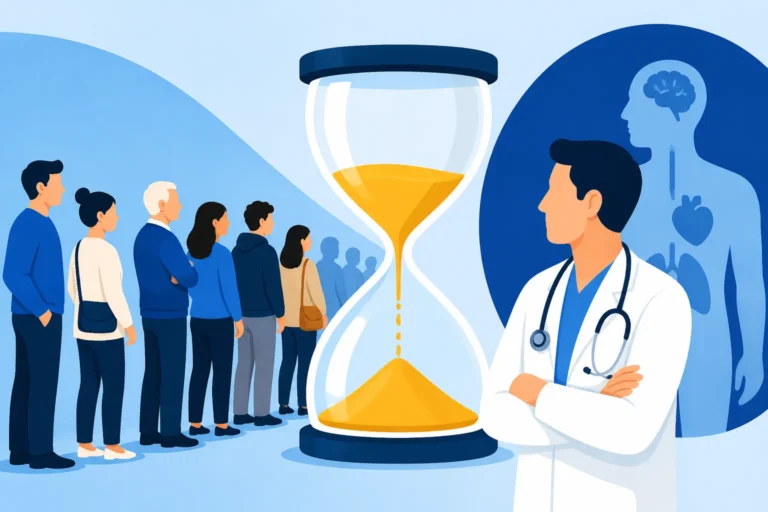
If you fall ill, the protocol is to call your clinic as early as possible—usually right when they open at 8:00 AM. Explain your symptoms to the nurse. If it is an acute issue, they will usually give you a time to come in that very same day. For expats, this can feel a bit like a "hunger games" style rush to get through on the phone lines, but it is the most effective way to see a professional quickly. If the situation is far more serious, you should skip the clinic entirely and read Emergency Medical Care in Estonia: What Every Expat Needs to Know to understand when to call an ambulance.
Once you are seen, the doctor will update your digital record. This is a crucial step for your professional life in Estonia. Your employer will be able to see that you have an open "haigusleht" (sick leave) in the state system. You don't need to bring a physical note to your boss; they simply check the e-Tax board portal. The Perearstikeskus handles all of this behind the scenes, allowing you to focus entirely on your recovery.
Important Disclaimer
The information provided in this guide is for informational and educational purposes only and does not constitute professional medical or legal advice. Healthcare regulations and procedures in Estonia are subject to change. Always consult with the Estonian Health Insurance Fund (Tervisekassa) or a qualified medical professional for specific advice regarding your health and insurance status. SafetyWing is a private insurance provider and its terms, conditions, and coverage limits apply separately from the Estonian state healthcare system.