Can I Use Public Healthcare in Estonia on a Work Visa?
Starting a new life in Tallinn or Tartu is an exhilarating whirlwind of paperwork, apartment hunting, and learning how to navigate the cobblestone streets. However, many expats face a stressful reality check when they realize that holding a work visa does not mean you have an active health insurance card in your pocket from the moment you land. This guide explains exactly how to navigate the bridge between your work visa and the Estonian public healthcare system so you never face a medical bill alone.
Understanding the Link Between Your Work Visa and the Tervisekassa
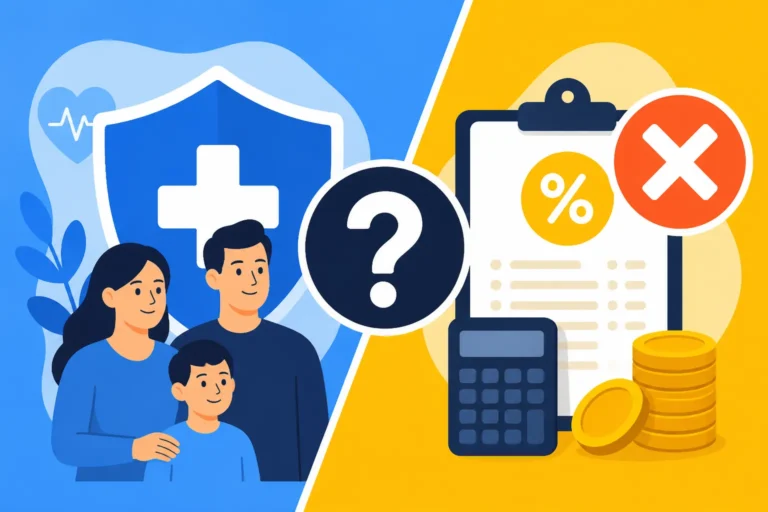
The short answer is yes, you can use the public healthcare system while on a work visa, but it is not an automatic right triggered by the visa itself. In Estonia, health insurance is tied to the payment of social tax. When you are here on a work visa, your access to the Estonian Health Insurance Fund (Tervisekassa) is generated by your employer’s contributions. If you are not yet working or your employer hasn't finalized your registration, you are effectively uninsured in the eyes of the state.
I remember my first week in Tallinn; I was so focused on my residence permit that I forgot the Tervisekassa operates on its own timeline. You need to understand How Estonia's Health Insurance Fund (Tervisekassa) Works: A Full Overview to realize that the system is built on solidarity. Your employer pays a 33% social tax on your gross salary, and a specific portion of that is earmarked for health insurance. Without this tax flow, the system doesn't "see" you.
The Employer Registration Process
The very first hurdle is the Employment Register (Töötamise register). Your employer is legally required to register your employment no later than the moment you actually start working. This is the trigger. Once they enter your details into the Tax and Customs Board system, the information is forwarded to the Tervisekassa. You don't usually need to fill out a separate application to "join" the insurance fund if you are a standard employee; the data synchronization handles it for you.
However, many expats fall into the trap of thinking they are covered the day they sign their contract. In reality, it can take a few days for the systems to talk to each other. You should always double-check your status on the state portal, eesti.ee, once you have your digital ID credentials. If you are curious about the underlying mechanics, reading up on How Does Social Tax Give Me Health Insurance in Estonia? can help you understand the line items on your future payslips.
The Mandatory 14-Day Waiting Period
This is the part that catches most people off guard. According to Estonian law, your health insurance coverage typically begins after a 14-day waiting period from the date your employment was registered. If you fall ill on day three of your new job, the Tervisekassa will not cover your costs. This "limbo" period is a significant risk for newcomers who haven't yet built up savings in Euros.
During this two-week gap, you are personally liable for any medical expenses. Because of this, veteran expats often recommend having a bridge policy like SafetyWing to cover the initial transition. Having SafetyWing ensures that if you trip on a medieval doorstep in the Old Town during your first week, you aren't stuck paying hundreds of euros out of pocket while waiting for your state insurance to kick in.
Essential Steps to Activate Your Public Healthcare Coverage
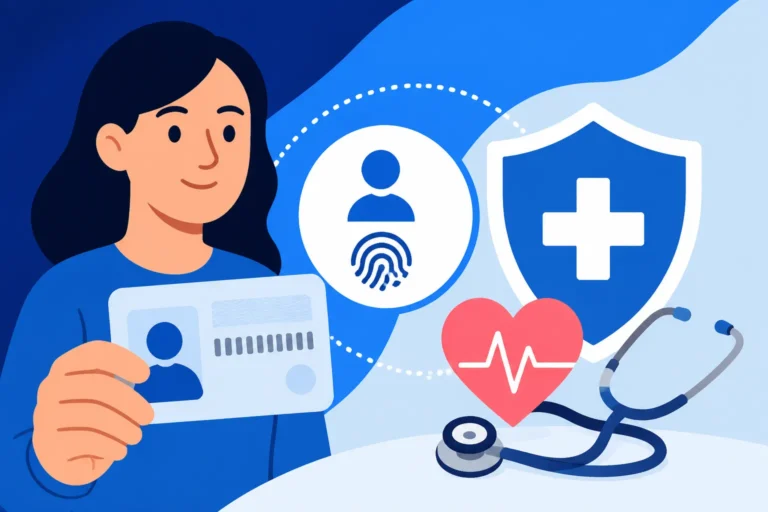
Having a work visa is the legal permission to be here, but the Isikukood (personal identification code) is the "master key" for healthcare. Without this 11-digit number, you cannot be registered in the health system, you cannot get a family doctor, and you certainly cannot access the digital prescription system.
The process of getting your Isikukood can sometimes feel like a "chicken and egg" situation. You need the code for the contract, and you need the contract for the visa, and you need the visa for the code. Most people on a D-visa (long-stay work visa) can apply for an Isikukood at the local municipality office or the Police and Border Guard Board (PPA). For more details on the paperwork involved, check out What Documents Do I Need to Get an Isikukood in Estonia? to make sure your first visit is successful.
Registering with the Tervisekassa
Once you have your Isikukood and your employer has registered you, the Tervisekassa activation happens behind the scenes. However, if you are a freelancer or a sole proprietor, the process is different. You would need to look into How to Register with the Tervisekassa as a Foreigner in Estonia to ensure you are meeting the minimum social tax requirements to qualify for coverage.
For standard work visa holders, the main thing is verification. A typo in a surname or an Isikukood at the HR department can cause a three-week delay in insurance activation. Always log into the health portal once you have your ID card or Mobile-ID to see if your "Insurance Status" is marked as active.
Finding a Family Doctor (Perearst)
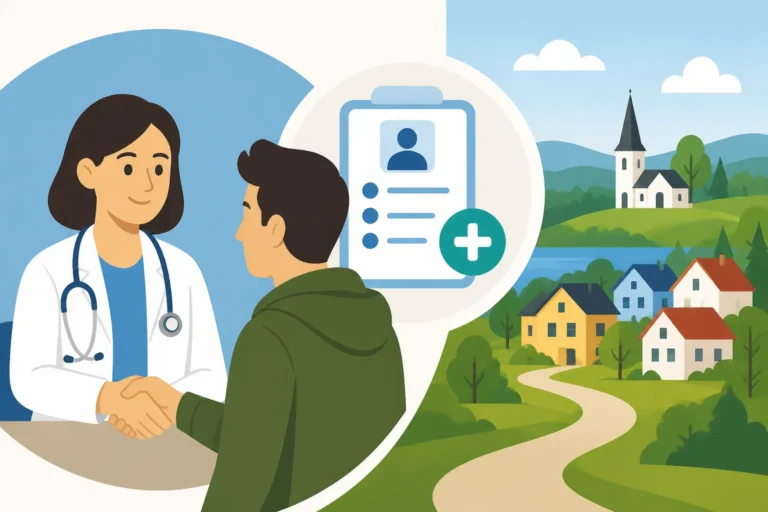
In Estonia, the Family Doctor (Perearst) is the gatekeeper of the entire medical system. You cannot simply walk into a hospital for a routine issue or even to see a specialist without a referral from your Perearst. Finding a doctor who is accepting new patients and speaks fluent English can be a challenge in high-demand areas like North Tallinn or Central Tartu.
I highly recommend starting your search the moment your insurance is active. You must submit a signed application to the specific doctor's office you wish to join. They have seven working days to notify you if you've been accepted. For a step-by-step walkthrough, refer to The Expat Guide to Finding a Family Doctor (Perearst) in Estonia. If you are struggling with the language barrier, there are resources specifically for Where Can I Find an English-Speaking Family Doctor in Tallinn? that can save you hours of cold-calling clinics.
Navigating the Gap: What to Do Before Your Coverage Starts
The transition period is the most vulnerable time for any expat. Whether it is the 14-day waiting period after starting work or the weeks spent waiting for your residence permit appointment, you must have a plan for medical emergencies. Public hospitals in Estonia are excellent, but they are not free for those without active Tervisekassa coverage, except in life-threatening circumstances.
If you end up in the ER without insurance, you will be billed as a "private patient." These costs can escalate quickly. An ER visit fee for an uninsured person can start at 100 EUR just for the consultation, not including tests, X-rays, or medication. This is why many expats use SafetyWing as a safety net during their first 90 days. It provides a level of comfort knowing that your health isn't dependent on the speed of Estonian bureaucracy.
Emergency Care vs. Routine Care
It is vital to distinguish between what the state considers "Emergency Care" and "General Care." If you are in a life-threatening accident, Estonian hospitals will treat you regardless of your insurance status. However, "treating" you doesn't mean it’s free; it means they won't turn you away at the door. You will still receive an invoice later.
For non-emergencies, like a persistent cough or a skin rash, you will find it nearly impossible to get an appointment in the public system without active insurance. For those moments when you are unsure if you need a hospital or just some rest, you can use How to Use the Family Doctor Advice Line (1220) in Estonia. This service is invaluable, but keep in mind that the English-speaking service may have limited hours compared to the Estonian and Russian lines. For a clearer picture of what you might end up paying out of pocket, see The Cost of Healthcare in Estonia: A Complete Breakdown for Foreigners (2026).
| Coverage Stage | Insurance Type | Access Level | Out-of-Pocket Risk |
|---|---|---|---|
| First 14 Days | Private (e.g., SafetyWing) | Private clinics & ER | Low (if insured privately) |
| Post-14 Days | Tervisekassa (State) | Full Public System | Low (standard co-pays) |
| Unemployed Gap | None / Voluntary | Emergency Only | High |
| Specialized Care | Tervisekassa + Referral | Public Specialists | Low (but long waits) |
Common Challenges and Practical Tips for Expats
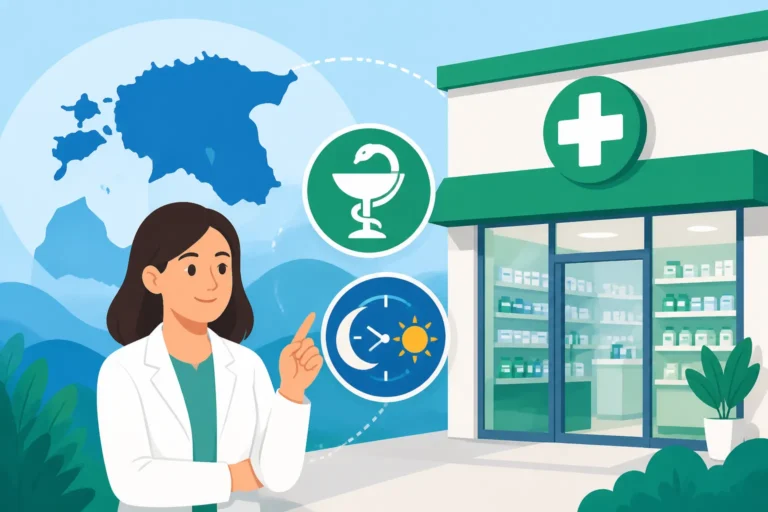
Even after your insurance is active, the Estonian system has its quirks. One of the most famous is the "Digital Prescription" or Digiretsept. You won't get a paper slip from your doctor. Instead, they upload the prescription to your Isikukood, and you simply present your ID card at any pharmacy (Apteek) in the country. This is a dream once you are used to it, but it can be confusing the first time. You can learn more about Understanding the Digiretsept (Digital Prescription) System in Estonia to avoid looking lost at the pharmacy counter.
Another hurdle is the waiting list for specialists. Even with a referral, waiting times for a public dermatologist or ophthalmologist can be three to six months. If you are in pain or the issue is urgent but not an "emergency," you might choose to see a private specialist. In these cases, you pay the full market rate, even if you have Tervisekassa.
Dealing with Language Barriers
While many younger doctors speak excellent English, the administrative staff at the reception desks or the nurses in the triage units might only speak Estonian or Russian. This is particularly true in smaller towns outside of Tallinn and Tartu. If you find yourself in a situation where communication is failing, try to have a local friend on standby to translate over the phone.
If you do end up in a situation where you need immediate help and don't have a doctor yet, knowing Emergency Medical Care in Estonia: What Every Expat Needs to Know is crucial. The emergency number is 112, and the operators are generally trained to handle calls in English, though they may need to transfer you.
Leveraging the Digital Health Record
Estonia is famous for its e-governance, and healthcare is no exception. Every blood test, every X-ray, and every doctor's note is stored in the Digilugu (Digital Health Record). You can log in at any time to see your history. This is incredibly helpful if you need a second opinion or if you are visiting a different clinic than your usual one, as the doctor can see your entire history with a few clicks.
When you are on a work visa, keeping your contact information updated on these portals is essential. If the Tervisekassa needs to reach you regarding your insurance status or a change in your coverage, they will use the email address associated with your state profile. Always make sure your @eesti.ee email is forwarded to your primary personal inbox.
Final Advice for New Work Visa Holders
The transition to Estonian life is smoother when you respect the timelines of the local bureaucracy. Do not assume your HR department has everything under control; be proactive. Ask for your registration date, apply for your Isikukood immediately, and secure a "bridge" insurance policy like SafetyWing for those first few weeks.
Once you are in the system, the healthcare in Estonia is high-quality, modern, and very affordable. The peace of mind that comes with a fully functioning Tervisekassa account is worth the initial effort of navigating the paperwork. Just remember: the 14-day rule is real, the Perearst is your best friend, and your ID card is your most important medical document.
Disclaimer
The information provided in this guide is for informational purposes only and does not constitute legal or professional medical advice. Healthcare regulations and immigration laws in Estonia are subject to change. Always consult with the Estonian Health Insurance Fund (Tervisekassa) or the Police and Border Guard Board (PPA) for the most current requirements and personal status verifications.