Is Private Health Insurance Tax-Deductible in Estonia?
Oh, the joys of navigating Estonian bureaucracy and taxation as an expat! It’s enough to make your head spin, isn't it? One of the most common questions I hear, and one I certainly grappled with myself when I first moved here, is about tax deductibility, especially concerning health insurance. You might be used to a system back home where certain health-related expenses, including private insurance premiums, offer a nice little break on your tax bill. However, Estonia plays by its own rules, and understanding them is crucial so you don't end up disappointed or, worse, making assumptions that could cost you. This guide will clarify exactly where private health insurance stands in the Estonian tax landscape and help you understand what you can actually deduct.
The Estonian Tax System: A Quick Refresher for Expats
Before we dive into the specifics of private health insurance, let’s quickly set the stage with a bit about how personal income tax works in Estonia. It’s quite different from many other countries, and understanding the basics will make the deductibility issue much clearer.
Understanding Income Tax Tulumaks in Estonia
Estonia prides itself on a simple, flat-rate income tax system. For individuals, this means that almost all income – whether it’s from your salary, a sole proprietorship (FIE), or certain other sources – is subject to a flat tax rate. As of my last check, this rate stands at 20%. This flat rate applies uniformly, which in theory simplifies things, but the devil, as always, is in the details, especially when it comes to what can reduce your taxable income.
One of the key features that expats often overlook is the universal tax-free income allowance, or maksuvaba tulu. This isn't a deduction in the traditional sense, but rather a portion of your income that isn't taxed at all. The amount depends on your annual income, gradually decreasing as your income rises. It means that everyone gets a certain amount of income tax-free, which is often automatically factored into your monthly salary if you've provided the necessary declarations to your employer. This is a significant benefit, but it's distinct from being able to directly deduct specific expenses like private health insurance premiums. If you’re a new resident, making sure you understand and declare your right to this allowance is one of the easiest ways to optimize your tax situation here. For more details on this, you might find our guide on Understanding Income Tax Tulumaks in Estonia: The Full Expat Guide really helpful.
Who is a Tax Resident in Estonia?
Your tax residency status in Estonia is paramount, as it determines your tax obligations and, critically, what rules apply to your income and potential deductions. Generally, you're considered an Estonian tax resident if you reside in Estonia for at least 183 days during any 12-month period, or if your permanent home is in Estonia. This isn't just about showing up; it’s about establishing your life here.
If you are deemed a tax resident, Estonia will tax your worldwide income. This means income earned both within Estonia and abroad could be subject to Estonian income tax. This is a common point of confusion, especially for digital nomads or those working remotely for foreign companies. On the flip side, non-residents are typically only taxed on income sourced from Estonia. The rules around tax residency are complex and can sometimes be influenced by tax treaties with your home country to avoid double taxation. It's important to clarify your status with the Estonian Tax and Customs Board (Maksu- ja Tolliamet) or a local tax advisor early on. Understanding Tax Residency in Estonia: A Definitive Guide for Expats (2027) is fundamental to making sure you're compliant.
Private Health Insurance and Tax Deductibility in Estonia
Now, let's get to the heart of the matter. Many expats arrive in Estonia hoping to get a tax break for their private health insurance premiums, especially if they've come from countries where this is standard practice. Unfortunately, the news here is generally not what you might expect.
The General Rule: Are Personal Private Health Premiums Deductible?
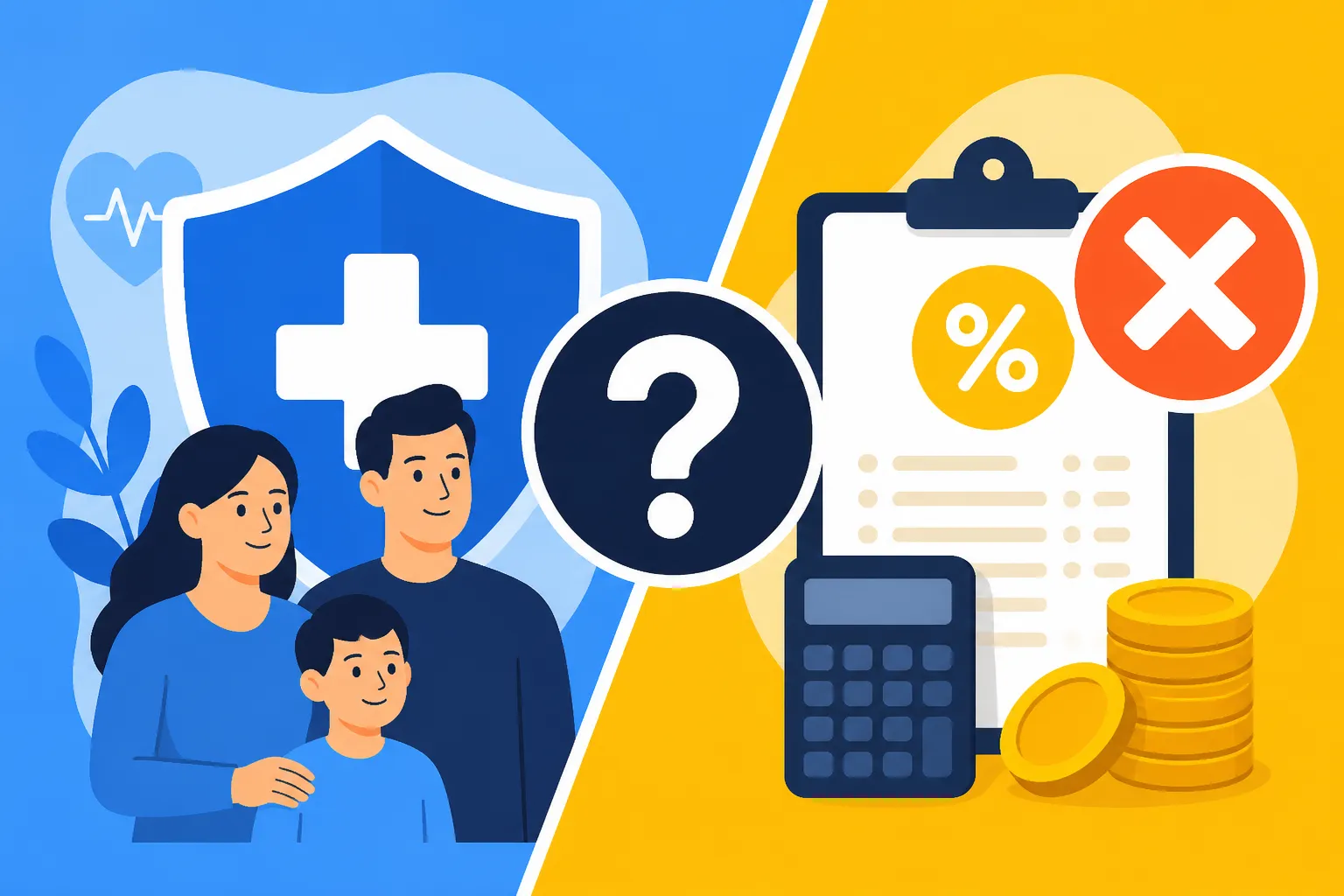
I've been there, optimistically sifting through tax codes, hoping to find a loophole or a special provision for private health insurance premiums. And, trust me, it’s a common misconception. For individuals in Estonia, the general rule is quite clear: premiums paid for personal private health insurance are generally NOT tax-deductible from your income.
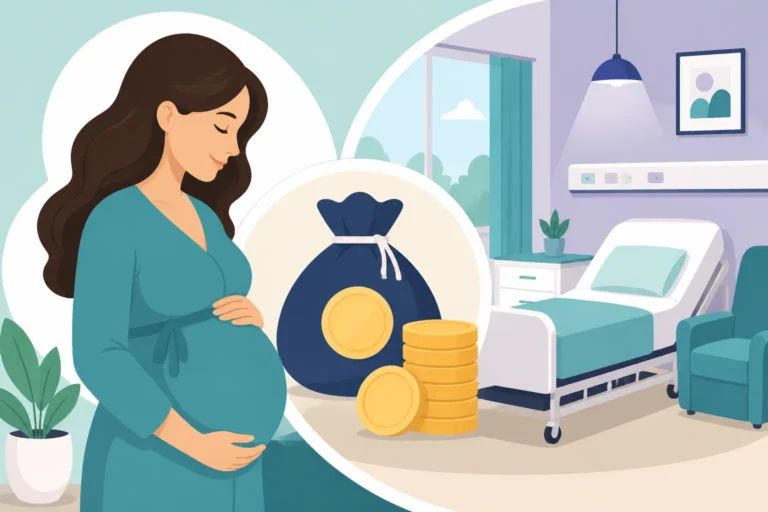
This means that if you, as an individual, decide to take out a private health insurance policy to supplement your Tervisekassa coverage or as your primary form of health insurance (perhaps while waiting for public coverage to kick in, or if you're not eligible for it), you cannot claim those payments as a deduction on your annual income tax return. You pay the premiums with your after-tax income. This might feel a bit unfair, especially when you're making a conscious effort to ensure you and your family are well-covered, but that's simply how the Estonian tax system is structured. It doesn't view private health insurance as an expense that should reduce your taxable income in the same way it might view, say, educational expenses or mortgage interest.
This holds true whether you're using a local Estonian private insurer or an international provider like SafetyWing. While these services offer invaluable peace of mind and access to care, their premiums won't translate into a direct tax saving for you personally. It’s important to factor this into your financial planning when considering the true cost of private health insurance in Estonia.
Exceptions and Employer-Provided Benefits
While your personal payments for private health insurance won't get you a tax deduction, there are nuances when an employer is involved. This is where things can get a little tricky, and it's important to distinguish between an employee's deduction and an employer's expense.
If your employer in Estonia provides you with private health insurance as a benefit, this is typically treated as a fringe benefit (erisoondus) under Estonian tax law. As a fringe benefit, it is generally subject to social tax and income tax at the employer's end. What this means for you, the employee, is that the value of that benefit might be added to your taxable income, or it might be taxed at the employer level without directly impacting your gross salary, depending on how it's structured. However, even in this scenario, you as an individual employee are still not directly deducting the premium payments from your own taxable income. The tax implications are handled by your employer.
For the employer, providing private health insurance can be a deductible business expense, but it's often subject to fringe benefit taxes. This is a decision for companies, not individuals. So, while employers might see some tax considerations, it doesn't translate into a direct personal tax deduction for you. Many startups and international companies in Tallinn and Tartu offer private health insurance from providers like ERGO or Swedbank P&C Insurance as a way to attract talent, acknowledging the value it brings to employees even without direct personal tax advantages.
Comparing Private vs. Public Healthcare Costs and Deductions
It’s worth contrasting this with the public healthcare system. When you're employed in Estonia, a significant chunk of your social tax (sotsiaalmaks) contributions goes towards funding the Tervisekassa, Estonia's national health insurance fund. This social tax, paid by your employer, is what grants you access to the public healthcare system.
Here's the key difference: the social tax you and your employer pay isn't something you can "deduct" from your income. It's a mandatory contribution that ensures your access to the public system. It's already part of the tax structure. So, while it's effectively paying for your healthcare, it doesn't give you a separate line item deduction on your personal income tax return like some foreign systems might for private health contributions.
Therefore, when you choose between relying solely on the public system (via social tax contributions) or supplementing it with private insurance, the tax deductibility of private premiums isn't a factor for your personal finances. Your decision should purely be based on the level of coverage, speed of access, and specific services you desire. This is a crucial point for anyone doing their financial planning here. Understanding How Estonia's Health Insurance Fund Tervisekassa Works: A Full Overview can help clarify the public system's role.
What Can Be Deducted from Your Income in Estonia?
Alright, so private health insurance premiums aren't deductible for individuals. That might be a bit of a bummer, but don't despair! The Estonian tax system does allow for certain deductions that can reduce your overall taxable income. Knowing what these are can genuinely help you manage your finances more effectively.
Common Tax Deductions for Individuals
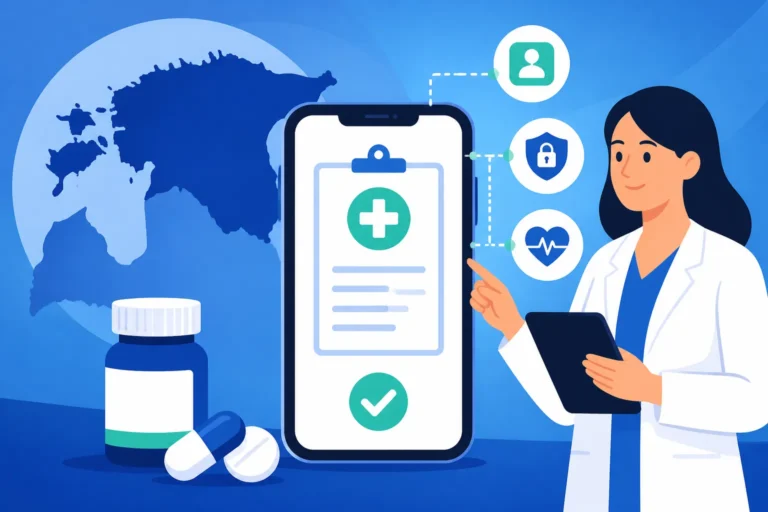
While you won't be deducting your private health insurance, there are other common expenses you can claim. These are typically declared when you file your annual income tax return through the e-MTA portal, which, by the way, is surprisingly user-friendly once you get the hang of it.
Here are some of the most common deductions:
- Housing Loan Interest: If you have taken out a housing loan to purchase a home in Estonia, a portion of the interest paid on that loan is deductible. This is a significant benefit for homeowners and definitely worth claiming.
- Training and Education Expenses: This is a big one for many expats looking to upskill or learn Estonian. You can deduct expenses paid for your own or your dependents' vocational training, hobby education, or university tuition fees. This often includes language courses at accredited institutions, which is great news if you're trying to master eesti keel.
- Gifts and Donations: Generosity is rewarded! Donations made to approved non-profit organizations, foundations, and religious associations in Estonia can often be deducted.
- Mandatory Pension Contributions: Contributions to the mandatory funded pension (the II pillar) are generally tax-deductible. This is usually handled automatically through your payroll, but it's good to be aware of.
- Life Insurance Premiums: Unlike private health insurance, certain life insurance premiums can be deductible, provided the policy meets specific criteria set by Estonian tax law. This is often where confusion arises, as people mix up health and life insurance.
It’s always a good idea to keep meticulous records of any expenses you think might be deductible. When it comes time to file your annual tax return, much of the information might already be pre-filled in e-MTA, but you'll need to manually add certain deductions. Our guide on Filing Your Annual Tax Return in Estonia: The Complete Walkthrough (2027) can walk you through the process.
Maximizing Your Tax-Free Income Allowance Maksuvaba Tulu
Beyond specific deductions, the most impactful way to reduce your taxable income is by properly utilizing the maksuvaba tulu, or tax-free income allowance. This is not a deduction in the sense of an expense you claim, but rather a universal allowance that determines how much of your annual income is completely exempt from income tax.
The amount of this allowance varies based on your total annual income. For lower incomes, the maximum allowance is quite generous, significantly reducing your tax burden. As your income increases, this allowance gradually decreases, eventually reaching zero for very high earners. Most employers factor this into your monthly salary calculations, so you benefit from it throughout the year rather than waiting for a refund. However, it’s crucial to ensure your employer has your correct declaration, especially if you have multiple jobs or change employers during the year, to avoid under- or over-claiming. If you don't declare it correctly, you might end up paying too much tax each month and only get a refund after filing your annual return, which isn't ideal for cash flow. This is probably the biggest single factor affecting most people's take-home pay here. To dive deeper, check out Understanding the Tax-Free Income Allowance Maksuvaba Tulu in Estonia.
Here’s a quick overview of some common deductions and their status:
| Expense Type | Tax-Deductible for Individuals (Generally) | Notes |
|---|---|---|
| Private Health Insurance | NO | Premiums paid by individuals are not deductible. Employer-provided benefits are fringe-taxed. |
| Housing Loan Interest | YES (limited amount) | Interest paid on qualifying housing loans. |
| Training/Education Expenses | YES (limited amount) | For yourself or dependents at accredited institutions. Includes language courses. |
| Gifts and Donations | YES (limited amount) | To approved Estonian non-profit organizations. |
| Mandatory Pension (II Pillar) | YES | Contributions are generally deductible. Usually handled automatically. |
| Life Insurance Premiums | YES (if specific criteria met) | Differs from health insurance. Check policy specifics against tax law. |
| Commuting Costs | NO | Generally not deductible for most employees. |
| Home Office Expenses | NO (generally for employees) | Unless you're an FIE or OÜ with a specific setup. |
Navigating Health Insurance Choices Without Tax Benefits
So, given that private health insurance premiums aren't going to save you money on your taxes, how should you approach your healthcare choices in Estonia? It means your decision to opt for private coverage becomes purely about the practical benefits it offers, rather than a financial incentive from the tax office.
Why Expats Still Consider Private Health Insurance
Even without the tax deductibility, many expats, myself included, still seriously consider or opt for private health insurance in Estonia. Why? Because it offers distinct advantages that the public system, while excellent, sometimes can't match, especially for newcomers or those with specific needs.
- Faster Access to Specialists: This is often the primary driver. While the Tervisekassa provides comprehensive coverage, waiting times for certain specialist appointments can be long. Private clinics often offer appointments much more quickly, which can be invaluable when you're anxious about a health concern.
- Wider Choice of Providers and English Speakers: Private clinics tend to have a larger roster of English-speaking doctors and specialists. This can be a huge comfort if your Estonian language skills aren't quite C1 yet, making communication much smoother and reducing potential misunderstandings. For more on this, our guide on How to Find an English-Speaking Doctor in Estonia is a must-read.
- Enhanced Comfort and Facilities: Private clinics, like those found within larger medical centers, often boast more modern facilities, a calmer atmosphere, and perhaps more personalized service, including longer appointment times.
- Bridging Gaps in Public Coverage: Sometimes private insurance can cover services that the public system covers only partially or not at all, such as certain dental procedures for adults (beyond basic emergency care) or extensive physiotherapy sessions not fully covered by a referral.
- Initial Coverage for New Residents: When you first arrive in Estonia, there might be a waiting period before you become fully eligible for Tervisekassa coverage, especially if you're not immediately employed by an Estonian company paying social tax. Private health insurance, or comprehensive travel insurance from providers like SafetyWing, can bridge this gap, ensuring you're covered from day one. You might find our post on Health Insurance in Estonia: Mandatory, Private and Travel Options Explained extremely useful here.
Key Considerations When Choosing Private Health Insurance
Since tax benefits aren't a factor, your decision process for private health insurance should focus entirely on your personal circumstances, health needs, and budget. Don't let the lack of tax deduction deter you if the other benefits align with what you need.
Here are some critical points to consider:
- Coverage Level: What exactly does the policy cover? Does it include outpatient care, specialist visits, diagnostics (like MRI or blood tests), hospitalization, emergency care, and crucially, dental or maternity care if you need it? Always read the fine print.
- Network of Doctors and Clinics: Which private clinics or hospitals are part of their network? Make sure they have providers in your area, especially if you live outside of Tallinn or Tartu. Check if they offer direct billing or if you'll need to pay upfront and claim reimbursement.
- Geographic Coverage: If you travel frequently outside Estonia, even within the Schengen area, an international private health insurance plan might offer better coverage than a purely local one. Providers like SafetyWing are well-known among digital nomads for their global coverage options.
- Deductibles and Co-payments: Understand how much you'll have to pay out-of-pocket before your insurance kicks in (deductible) and what percentage of costs you're responsible for (co-payment) once the deductible is met.
- Exclusions and Limitations: Be aware of any pre-existing condition clauses, waiting periods for certain treatments, or specific procedures that are not covered.
- Customer Service and Language Support: Can you easily reach them in English? How straightforward is their claims process? Good customer service can make a huge difference when you're feeling unwell or navigating a medical emergency. Our Public vs Private Healthcare in Estonia: Which Should Expats Choose? article might give you further insights into this crucial decision.
Ultimately, choosing private health insurance in Estonia is a personal financial decision focused on peace of mind and access to care, not tax benefits. Evaluate your needs, compare plans, and pick what works best for you and your family.
Disclaimer
Please remember that I am an expat blogger sharing my personal experiences and insights. While I strive to provide accurate and up-to-date information, tax laws and regulations in Estonia can change and their application can vary based on individual circumstances. This content should not be considered professional financial, legal, or tax advice. Always consult with a qualified Estonian tax advisor or the Estonian Tax and Customs Board (Maksu- ja Tolliamet) for advice tailored to your specific situation.