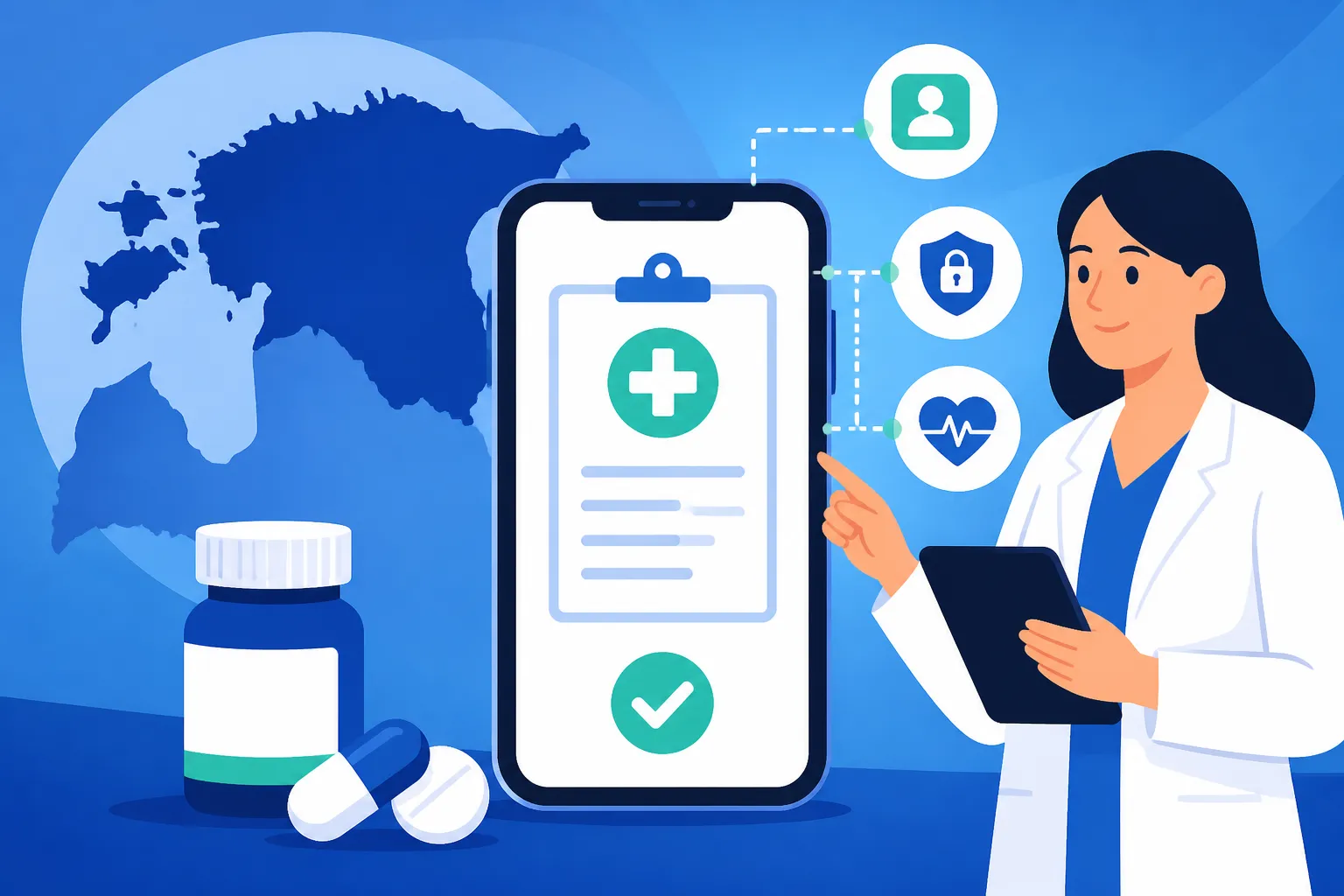
Understanding the Digiretsept (Digital Prescription) System in Estonia
Walking into an Estonian pharmacy for the first time can be a disorienting experience for any expat used to clutching a crumpled piece of paper from their doctor. You stand in line, reach the counter, and realize you have nothing to hand over. This guide demystifies the Digiretsept system, ensuring you never feel lost when trying to access essential medication in your new home.
The Architecture of Digital Health in Estonia
When you first move to Tallinn, Tartu, or any of the quieter corners of this Baltic gem, you quickly realize that paper is a relic of the past. The digital prescription, or Digiretsept, is a cornerstone of the world-famed e-Estonia initiative. It is not just a digital version of a paper slip; it is a fully integrated, centralized database that connects every doctor, every pharmacy, and every resident through a secure data exchange layer called the X-Road. For an expat, this means your medical history follows you regardless of which city you are in or which pharmacy chain you visit.
The Role of the Personal Identification Code Isikukood
Everything in the Estonian healthcare system revolves around your eleven-digit personal identification code, known as the isikukood. This number is the key to your digital life. When a doctor issues a prescription, they do not attach it to a piece of paper; they attach it to your isikukood in the national database. Without this code, the system cannot "see" you. This is why How to Get Your Isikukood (Personal Code) and Why It Matters for Healthcare is often the very first step any foreigner must take after arriving.
For newcomers who are still waiting for their residence permit and subsequent ID code, navigating health needs can be tricky. During this transitional period, having a reliable bridge like SafetyWing can provide the necessary medical coverage and peace of mind. While the digital system is efficient, it relies heavily on your legal status and registration in the population register. Once your code is active, any prescription issued by a licensed Estonian doctor becomes instantly visible to every pharmacist in the country.
The Centralized Health Information System
The Digiretsept is part of a larger ecosystem called the Health Information System (HIS). This system ensures that your data is stored securely and is only accessible to authorized personnel. When a pharmacist scans your ID card, they are essentially querying this centralized database to see what active prescriptions are linked to your profile. This eliminates the risk of losing a prescription or having it stolen.
It also allows for a level of safety that paper systems lack. The system can automatically check for drug interactions if multiple doctors are prescribing different medications to the same patient. If you are struggling to understand how this fits into the broader picture, you might find it helpful to read about Navigating Estonia's Digital Healthcare System: An Expat's Roadmap (2027) to see the full scope of how your data is managed.
Transparency and Patient Access
One of the most empowering aspects of the Estonian system is that the patient is the owner of their data. Through the national patient portal, you can see exactly who has accessed your prescription data and when. If a pharmacist looks at your records, a log is created. This transparency builds a high level of trust between the expat community and the state. You can also see the remaining balance of your prescriptions, their expiration dates, and the specific instructions provided by your doctor without having to call the clinic.
Navigating the Prescription Process
To get a digital prescription, you must first interface with the medical system. This usually starts with your primary care provider. If you are new and haven't settled into the public system yet, you might be using Private Health Insurance Plans in Estonia to see doctors more quickly, but the digital prescription process remains largely the same whether the clinic is public or private.
Booking Your Appointment with a Perearst
The primary gatekeeper of the Digiretsept system is the perearst, or family doctor. In Estonia, you don't typically go to a specialist for a routine prescription. You must first be registered with a local practice. If you are living in the capital, knowing Where Can I Find an English-Speaking Family Doctor in Tallinn? is vital, as the nuances of medication dosages and side effects are not things you want to lose in translation.
During your consultation, the doctor will discuss your symptoms and determine the necessary course of treatment. Once they decide on a medication, they enter the details into their computer, sign it digitally with their ID card, and the prescription is "live" within seconds. There is no waiting for a fax or a phone call to the pharmacy. You can literally walk across the street from the clinic to the nearest Apotheka or Benu and your medicine will be ready for pickup.
E-Consultations and Digital Renewals
One of the greatest conveniences of the Estonian system is the ability to renew prescriptions without an in-person visit. If you have a chronic condition that requires ongoing medication, you can often request a renewal via email or a phone call to your doctor’s nurse. The doctor reviews your file and issues a new Digiretsept remotely. This is a lifesaver for busy expats who cannot afford to spend half a day in a waiting room just for a refill of standard medication.
For those who are traveling or working remotely, it is important to ensure your coverage is continuous. While the Estonian system is fantastic, there are gaps for those who move frequently. Services like SafetyWing are often used by digital nomads who are in the process of transitioning into the Estonian Tervisekassa system. Once you are fully integrated, the ease of How Do I Get a Prescription Renewed Online in Estonia? becomes one of the most appreciated perks of living here.
Specialist Referrals and Prescriptions
Sometimes, a family doctor will determine that your case requires a specialist's eye, such as a cardiologist or a dermatologist. In these instances, they will issue a digital referral, or saatekiri. The specialist then has the authority to issue more specific or higher-tier medications. It is important to understand How E-Referrals (Saatekiri) Work for Specialists in Estonia because, without this digital "handshake" between doctors, the specialist might not be able to issue certain subsidized prescriptions that your insurance covers.
The Pharmacy Experience for Expats
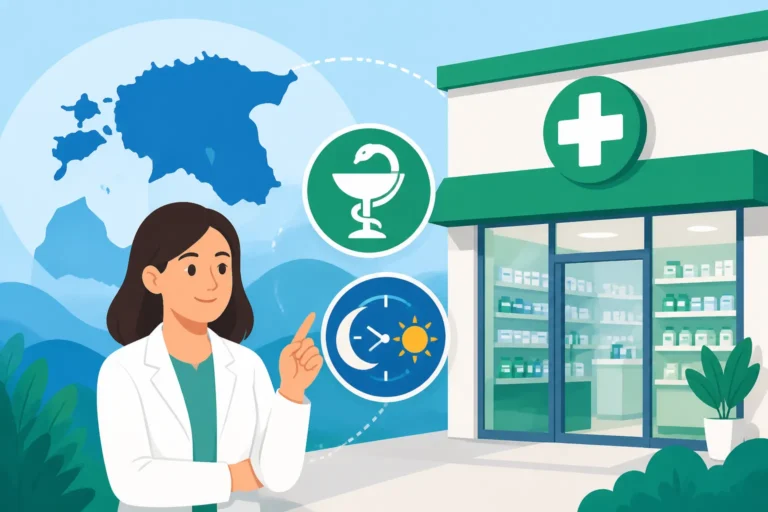
Once the prescription is in the system, the rest is remarkably simple, provided you have your identification. Pharmacies in Estonia are generally high-tech, clean, and staffed by highly trained pharmacists who often speak excellent English, especially in the larger cities.
Identifying Yourself at the Counter
When you arrive at the pharmacy (labeled as Apteek), you do not need to say the name of your medication or provide a serial number. You simply hand over your Estonian ID card or your residence permit card. The pharmacist will insert the card into a reader, and your list of active prescriptions will appear on their screen. This is a point of significant relief for foreigners who might struggle with the pronunciation of Estonian drug names.
If you are an EU citizen and haven't yet received your local ID card, you can sometimes use your passport or your Euroopa Ravikindlustuskaart (EHIC), though this can occasionally be more manual and slower. The system is designed for the ID card, so getting your physical card as soon as possible is highly recommended. You can learn more about the specifics in the guide on How Do I Use a Digiretsept at a Pharmacy in Estonia?.
Purchasing Prescriptions for Family and Friends
The Digiretsept system also allows for a high degree of flexibility through its "authorized purchaser" feature. If you are sick in bed and cannot make it to the pharmacy, a friend or family member can pick up your medication for you. To do this, they only need to know your isikukood. However, for certain controlled substances or for privacy reasons, you may want to restrict this.
You can set permissions in the patient portal to allow specific people to see and buy your prescriptions, or you can leave it "open" so that anyone with your ID code can assist you. This is particularly helpful for expat families. If you are a parent, you will naturally be able to see and buy prescriptions for your children. For more on managing your family's health, see How Do I Register My Newborn for Health Insurance in Estonia?.
Generic vs. Brand Name Options
By law, Estonian pharmacists are required to offer you the most cost-effective generic version of a medication first. This is a shock to some expats from countries where brand names are the default. The digital system actually displays the different price points for various manufacturers of the same active ingredient. The pharmacist will show you the screen and let you choose. In most cases, the generic is identical in efficacy and significantly cheaper.
| Medication Category | Subsidy Level (Standard) | Patient Co-payment |
|---|---|---|
| Standard Prescription | 50% | Variable + 2.50 EUR fee |
| Chronic/Essential | 75% or 90% | Variable + 2.50 EUR fee |
| Children under 4 | 100% (mostly) | 2.50 EUR fee |
| Elderly/Pensioners | 90% | Variable + 2.50 EUR fee |
Costs Subsidies and the Tervisekassa
One of the biggest advantages of the Estonian prescription system is the automatic calculation of subsidies. You do not need to file for reimbursement or keep receipts to get your money back; the discount is applied the moment you pay at the pharmacy counter.
Understanding the Discount Tiers
The Estonian Health Insurance Fund, now known as Tervisekassa, categorizes medications into different subsidy levels. Some are discounted at 50%, others at 75% or even 100% for life-threatening or chronic conditions. The digital system knows exactly which tier applies to you based on your medical diagnosis and your insurance status. If you are working and paying social tax, this is all handled in the background.
If you are unsure if you are currently covered, it is worth checking How Estonia's Health Insurance Fund (Tervisekassa) Works: A Full Overview. For those who are not yet covered by the state system—perhaps you are on a D-visa or are a new entrepreneur—having comprehensive travel or expat insurance like SafetyWing is essential to manage these costs until your public insurance kicks in.
The Annual Cap on Medication Costs
Estonia has a "safety net" for people who require an unusually high volume of medications. If your total spending on subsidized medicines exceeds a certain threshold in a calendar year (currently around 100 Euros), the system automatically increases your subsidy percentage for the remainder of the year. This prevents medical debt from accumulating for those with severe health challenges. You don't have to apply for this; the Digiretsept database tracks your spending and applies the "extra" discount automatically at the point of sale.
Pharmacies and Service Fees
Regardless of the subsidy level, every prescription in Estonia comes with a small, mandatory "recipe fee," which is currently 2.50 Euros. This fee goes toward the administrative costs of the digital system and the pharmacy's professional services. Even if your medication is 100% subsidized by the state, you will still pay this nominal amount. For a deeper look at the financial side of things, read The Cost of Healthcare in Estonia: A Complete Breakdown for Foreigners (2026).
Managing Your Data via the Patient Portal
The digital prescription is not just something a doctor "does" to you; it's something you can actively manage. The national health portal, Terviseportaal (formerly Digilugu), is your dashboard for all things medical.
Navigating the Terviseportaal Interface
By logging into the portal with your Smart-ID, Mobile-ID, or ID card, you can view all your active and historical prescriptions. This is incredibly useful if you forget the dosage instructions or want to see how many refills you have left. The portal provides a clear list, including the date the prescription was issued, the name of the doctor, and the expiration date.
Many expats find that What Is the Digilugu and How Do I Use It in Estonia? is one of the most useful skills to learn early on. The interface is available in English, making it very accessible. You can also see if your doctor has left any specific notes for the pharmacist, such as "do not substitute with generic," which ensures your treatment remains exactly as intended.
Privacy and Access Logs
Estonians take data privacy very seriously. In the portal, you can see a "log" of everyone who has looked at your health records. This includes doctors, nurses, and pharmacists. If you see an entry that looks suspicious, you have the legal right to inquire why that person accessed your data. You can also "close" certain records so they are not visible to any doctor other than the one who created them, though this is generally discouraged as it can hinder emergency care.
Declaring Health Conditions
The portal is also where you can see your officially registered diagnoses. For certain medications to be subsidized at the 75% or 90% level, a specific chronic condition must be linked to your profile in the system. If you are moving to Estonia with a pre-existing condition, you will need to meet with an Estonian doctor to have this diagnosis "translated" into the local system. For more info, see How Do I Register a Chronic Condition with My Estonian Family Doctor?.
Practical Tips for New Residents
The theory of the Digiretsept is wonderful, but the reality of being a new expat can still throw some curveballs. Here are a few practical insights from those of us who have lived through the transition.
Handling Foreign Prescriptions from Your Home Country
One of the most common questions is: "Can I use my prescription from home at an Estonian pharmacy?" The short answer is usually no. Estonian pharmacists are generally only authorized to dispense medication based on a Digiretsept issued by a doctor licensed in Estonia or a valid physical "cross-border" prescription from the EU.
If you are arriving from outside the EU (e.g., the US, Canada, or India), your paper prescription will not be accepted. You should bring at least a two-month supply of your medication with you, along with a signed letter from your home doctor. You will then need to see a local perearst as soon as possible to have the prescription entered into the Estonian digital system. For details on the logistics, check What Medical Documents Should I Bring When Moving to Estonia?.
Finding 24-Hour Pharmacies in Tallinn and Tartu
Illness doesn't always wait for business hours. While most pharmacies in malls close by 9:00 PM, there are designated 24-hour pharmacies (Valveapteek) in the major cities. In Tallinn, there are two primary locations: one on Pärnu mnt 10 and another on Vikerlase 19. In Tartu, the 24-hour pharmacy is usually located in the Town Hall Square (Raekoja plats).
Knowing What Pharmacies Are Open Late or 24 Hours in Tallinn? can save you a lot of stress during a midnight fever or a sudden allergic reaction. These 24-hour pharmacies have full access to the Digiretsept system, so if your doctor issued an emergency prescription over the phone or during an out-of-hours consultation, you can pick it up at 3:00 AM without an issue.
Managing Insurance Gaps
When you first arrive, there is often a "waiting period" before your state health insurance becomes active. This usually happens if you are starting a new job or registering as an FIE (sole proprietor). During this window, you will still have an isikukood, and doctors can still issue you a Digiretsept, but you will not receive any Tervisekassa subsidies. You will have to pay the full "market price" for your medication.
This is where having a private policy like SafetyWing is invaluable. It helps bridge the gap so that an unexpected illness doesn't result in a massive out-of-pocket expense for medication that would normally be subsidized. Once your status changes to "insured" in the national database, the system will automatically start applying the discounts. You can monitor your insurance status via the e-MTA portal or the health portal.
Troubleshooting and Common Pain Points
Even the best systems have hiccups. As an expat, you might encounter a few specific issues when dealing with digital prescriptions.
Missing Insurance Status
Sometimes, your employer has registered you, but the Tervisekassa database hasn't updated yet. When you go to the pharmacy, the pharmacist will see that you have a prescription, but it will show as "uninsured," meaning you pay the full price. If this happens, don't panic. You can pay the full price and later apply for a refund from Tervisekassa once your insurance is confirmed, provided the prescription was issued during your period of coverage. If you find yourself in this situation, What Should I Do If My Health Insurance Status Is Inactive in Estonia? offers a step-by-step resolution.
Language Barriers and Communication
While most pharmacists speak English, some technical medical terms can still be confusing. If you are prescribed something with complex instructions, always ask the pharmacist to write the dosage (e.g., "2 times a day") on the box in English. They are usually happy to help. If you are struggling with a difficult medical situation and need advice, you can also call the How to Use the Family Doctor Advice Line (1220) in Estonia service, which offers advice in English and can help clarify how to use your medication.
System Outages
While extremely rare, the X-Road or the Health Information System can occasionally go down for maintenance. If this happens, pharmacies cannot access the digital database. Usually, these outages are scheduled for the middle of the night and last only a few minutes. However, it is always a good idea not to wait until the very last pill is gone before heading to the pharmacy. A little bit of buffer time ensures that a 15-minute system update doesn't become a major health crisis.
Disclaimer
The information provided in this guide is for educational and informational purposes only. While every effort has been made to ensure the accuracy of these details as of 2026, Estonian healthcare laws and digital systems are subject to change. Always consult with a licensed medical professional or the Tervisekassa (Estonian Health Insurance Fund) for official advice regarding your specific medical needs and insurance status. This guide does not constitute legal or medical advice.