Is Private Health Insurance Worth It for Expats in Estonia?
Moving to Tallinn or Tartu often feels like stepping into the future with all the digital signatures and paperless offices, but the first time you try to book a specialist appointment through the public system, that "future" can feel like it has a three-month waiting list. Many foreigners arrive and wonder if they should stick with the national system or shell out for a private policy. This guide settles the debate by examining wait times, costs, and the specific gaps private insurance fills for expats.
Understanding the Estonian Healthcare Landscape
When you first land in Estonia, the healthcare system seems straightforward: you pay your taxes, you get your health insurance. However, the reality of navigating this as a foreigner is often more layered. The system is split between a robust, tax-funded public sector and a rapidly growing, high-end private sector. For many of us who have lived here for years, the question isn't necessarily about choosing one over the other, but rather how to use them together to avoid the infamous administrative bottlenecks.
The Tervisekassa System
The backbone of Estonian healthcare is the Tervisekassa (formerly Haigekassa). If you are working under an Estonian employment contract, your employer pays a 13% social tax on your behalf, which automatically grants you coverage. It is an egalitarian system designed to ensure everyone has access to high-quality care regardless of their income level. You can find more details in How Estonia's Health Insurance Fund (Tervisekassa) Works: A Full Overview.
The beauty of the public system is that for major issues—surgeries, hospital stays, and chronic disease management—the coverage is nearly absolute. You won't walk out of a public hospital with a five-figure bill for an appendectomy. However, the public system relies heavily on the "gatekeeper" model. Everything starts with your primary care physician. If you are still in the early stages of your move, you should look into The Expat Guide to Finding a Family Doctor (Perearst) in Estonia to understand why this person is the most important contact in your phone. Without their referral, you often cannot access the public specialist system at all.
The Growing Private Sector
In recent years, private medical centers like Confido, Valvekliinik, and Fertilitas have become incredibly popular among the expat community and middle-class locals alike. These centers operate outside the Tervisekassa framework, meaning they don't care if you have a referral or a local personal code—provided you can pay.
Private clinics in Estonia aren't just for the wealthy; they are for the time-poor. While a public dermatologist might have a wait time of twelve weeks, a private clinic can often see you the next afternoon. This sector is where most "private health insurance" policies focus their coverage. These policies are designed to reimburse you for the high out-of-pocket costs at these premium clinics. It’s important to remember that even if you use private insurance, you still need to understand How to Get Your Isikukood (Personal Code) and Why It Matters for Healthcare because the digital prescription system is linked to it, regardless of where you see the doctor.
Why Expats Consider Private Health Insurance
The frustration of being told that the next available gynecologist appointment is in another season is a rite of passage for new residents. This is usually the moment when most expats start Googling private insurance options. It’s not that the care in the public system is bad—it’s actually world-class once you’re in the room—it’s the "getting in the room" part that is the struggle.
Avoiding the Specialist Wait
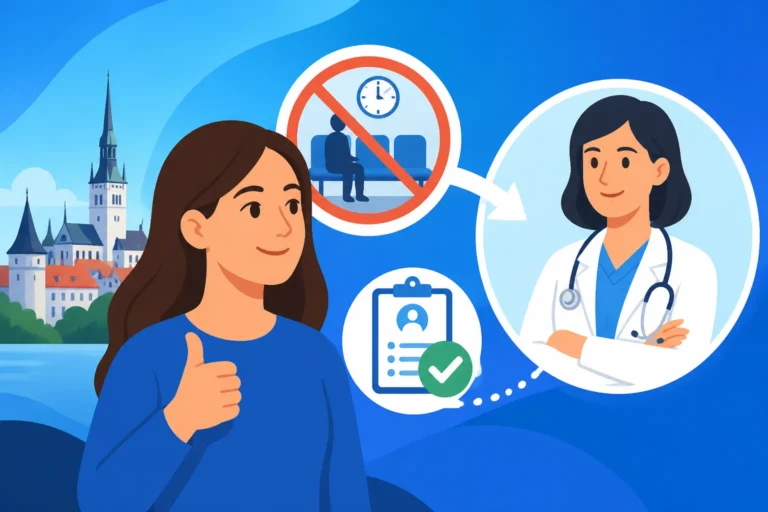
In the Estonian public system, specialist appointments are prioritized based on medical urgency. If your condition isn't life-threatening, you are placed at the back of a very long queue. For someone used to the speed of private healthcare in the US, UK, or UAE, this can be a shock. Private insurance allows you to bypass these queues entirely.
If you are a freelancer or a business owner, you might be interested in Understanding Health Coverage for the Self-Employed (FIE) in Estonia. For this group, time is literally money. Losing three months of productivity because you are waiting for a physical therapy referral isn't an option. Private insurance covers the cost of seeing a specialist privately, where you can often book an appointment online for the same week. This immediate access is the primary reason people decide the monthly premium is worth it.
Language Barriers and Comfort
While many young doctors in the public hospitals speak excellent English, the administrative staff and older specialists might not. This can lead to a lot of anxiety during an already stressful medical event. Private clinics place a high premium on the "customer experience." Their websites are fully translated, their receptionists are often multilingual, and the doctors are given more than the standard 15-minute slot to discuss your concerns.
For many of us, being able to explain a complex symptom in our native language without feeling like we are inconveniencing a busy public servant is worth the extra cost. If you are particularly concerned about this, you can check out our list of How to Find an English-Speaking Doctor in Estonia. Private insurance acts as a bridge to these English-friendly environments, ensuring that you aren't just getting medical care, but that you actually understand the care you are receiving.
When is Private Insurance Actually Worth It
Deciding whether to pay for a private policy depends heavily on your residency status and your specific lifestyle. Estonia is very efficient, but there are certain "dead zones" in coverage where a private policy becomes a literal lifesaver.
Scenario A: The New Arrival and the Gap
One of the biggest traps for new expats is the "waiting period." Even if you have a job lined up, your Tervisekassa coverage doesn't always start the second you step off the plane. There is often a gap between your arrival, getting your residence permit, and the first social tax payment being processed. You can read more about this in Is There a Waiting Period for Health Insurance in Estonia?.
During this bridge period, you are effectively uninsured unless you have a private policy. This is where a provider like SafetyWing is particularly useful. SafetyWing offers nomad insurance that can be started even if you've already left your home country, providing a safety net while you wait for the Estonian bureaucracy to catch up. For a new arrival, having SafetyWing during those first 30 to 60 days means you don't have to worry about the massive costs of an emergency room visit before your public coverage is active.
Scenario B: The Digital Nomad or Freelancer
Estonia is the global capital of remote work, but the healthcare system for nomads is a bit of a gray area. If you are here on a Digital Nomad Visa, you are generally required to have your own private insurance as a condition of the visa. You aren't paying into the local social tax system, so you aren't entitled to Tervisekassa.
In this case, the question isn't whether private insurance is "worth it"—it's mandatory. For these individuals, a flexible plan like SafetyWing is often the go-to choice because it covers both travel-related mishaps and unexpected medical emergencies. If you are considering this route, make sure you understand the specifics in How to Apply for Estonia's Digital Nomad Visa. Without a private policy, a simple broken leg during a weekend trip to Saaremaa could cost you thousands of euros out of pocket.
Scenario C: The High-Need Patient
If you have a chronic condition that requires regular specialist visits, blood tests, or specific brand-name medications, the public system can sometimes feel like a hurdle. While the Prescription Medications and Pharmacies in Estonia: The Complete Guide explains how the subsidy system works, getting those prescriptions renewed often requires a Perearst visit.
If you prefer to see a specific specialist who has managed your condition previously, or if you want access to the latest biological drugs that might not be on the Tervisekassa's "fully subsidized" list yet, private insurance provides that extra layer of financial protection. It allows you to maintain a higher frequency of check-ups than the public system might deem "necessary," giving you peace of mind.
Comparing Costs: Public Contributions vs. Private Premiums
To understand the value, you have to look at the numbers. Most people don't realize how much they are "paying" for the public system because it’s deducted before their salary hits their bank account.
| Feature | Public (Tervisekassa) | Private Insurance (e.g., SafetyWing / Local) |
|---|---|---|
| Monthly Cost | 13% Social Tax (paid by employer) | €40 – €150+ (depending on age/coverage) |
| Primary Care | Required (Perearst) | Direct access to specialists often included |
| Wait Times | 2 – 4 months for non-urgent care | 1 – 7 days |
| Language | Variable (mostly Estonian/Russian) | English-centric |
| Emergency Care | Fully covered | Usually covered (check policy limits) |
| Dental | Limited (adult benefit €40/€105) | Often a separate add-on or higher limit |
As the table shows, the public system is technically "expensive" if you have a high salary, yet it still has the longest wait times. Private insurance is an additional monthly expense, but when compared to the cost of a single private specialist visit (which can range from €80 to €150 in Tallinn), the premium often pays for itself after just two visits a year.
Practical Tips for Choosing a Policy
If you've decided that the public system's wait times are too much of a gamble, you need to be smart about which private policy you pick. Not all "private insurance" is the same in the eyes of the Estonian authorities or the local clinics.
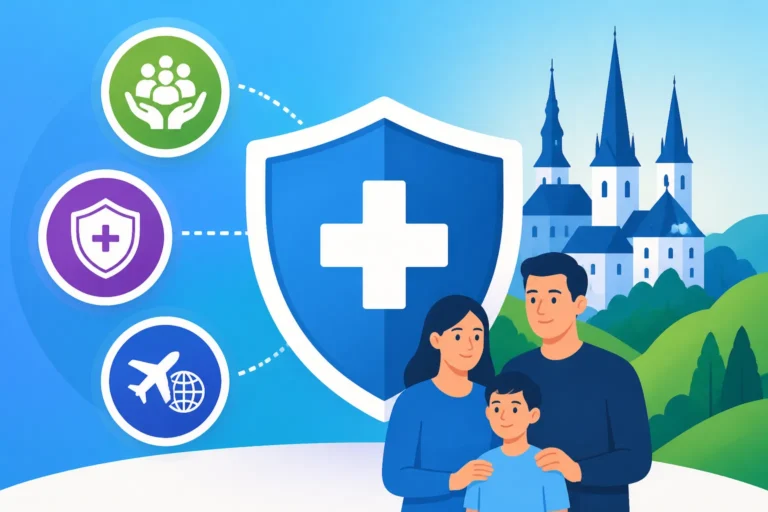
First, check if the policy is "local" or "international." Local providers like Ergo, If, or Salva offer specific "Health Insurance for Foreigners" that is designed to meet the requirements for a residence permit. These are great for basic coverage. However, if you travel frequently outside of Estonia, an international plan like SafetyWing might be better. SafetyWing is built for the modern expat who might spend three months in Tallinn, a month in Greece, and then a week back home visiting family. It follows you across borders, which local Estonian policies generally do not do.
Second, look at the "Direct Billing" list. The biggest headache with private insurance is paying €200 upfront and waiting six weeks for a refund. Some insurers have agreements with clinics like Confido where you only pay your deductible, and the clinic bills the insurer directly. Always ask the clinic before your appointment: "Do you have a direct billing agreement with my provider?"
Finally, don't forget about Understanding Health Insurance Through Social Tax in Estonia. Even if you have the world's best private policy, if you are employed here, you are paying for the public system anyway. Use the public system for the big, expensive stuff—like MRIs or surgeries—where the private co-pays might be high. Use your private insurance for the quick stuff: skin checks, mental health support, and second opinions. This "hybrid" approach is the secret to a stress-free life in Estonia.
Is Private Health Insurance Worth It for Expats in Estonia?
The short answer is: Yes, but mostly for the "speed" and the "gap." If you are a young, healthy individual with a stable job, you can survive on the Tervisekassa, provided you are patient and proactive about your health. But if you value your time, if you are currently in a residency "gap," or if you want the comfort of guaranteed English-speaking care, a private policy is an essential investment.
For those just starting their journey, a flexible option like SafetyWing provides that crucial initial coverage, ensuring that your first few months in the Baltics are spent enjoying the medieval Old Town rather than worrying about medical bills. Estonia’s healthcare is excellent, but like its famous e-residency, you get the best out of it when you know how to navigate the digital and private shortcuts.
Disclaimer
The information provided in this guide is for informational purposes only and does not constitute professional medical or legal advice. Healthcare regulations and insurance policies in Estonia are subject to change. Always consult with the Estonian Health Insurance Fund (Tervisekassa) or a qualified insurance broker to verify current requirements and coverage options for your specific situation.