How to Apply for Estonia’s Digital Nomad Visa
Dreaming of swapping your daily commute for a stroll along the Baltic Sea or a cozy cafe in Tallinn, all while continuing to earn a living from your laptop? Estonia, ever the digital pioneer, made this a reality for many of us with its Digital Nomad Visa (DNV). But let's be honest, navigating visa applications can feel like trekking through a swamp blindfolded, even in a hyper-digital country like Estonia. This comprehensive guide is here to cut through the confusion, offering you a realistic, step-by-step walkthrough of how to apply for Estonia's Digital Nomad Visa, based on our editorial research and official Estonian government sources.
What Exactly Is Estonia's Digital Nomad Visa DNV?
For years, many of us remote workers bounced around on tourist visas, constantly checking the 90/180-day rule, doing "visa runs" that felt less like an adventure and more like a desperate race against the clock. It was stressful, legally ambiguous, and frankly, a bit exhausting. Estonia recognized this growing global trend of location-independent professionals and decided to do something about it, becoming one of the first countries in the world to offer a dedicated visa for digital nomads. This wasn't just a clever marketing ploy; it was a genuine attempt to integrate these talented individuals into its society legally and beneficially.
A Pioneer in Remote Work Visas
Estonia launched its Digital Nomad Visa (DNV) in August 2020, solidifying its reputation as a leader in digital innovation and welcoming foreigners. Before this, working remotely from a foreign country often meant walking a fine line between legal stay and unauthorized work. Many would arrive on a short-term visa or visa-free entry, quietly continue their remote work, and hope for the best. This created a lot of uncertainty and anxiety, especially for those of us who prefer to do things by the book. The DNV effectively legalized and streamlined the process, providing a clear path for remote workers to live and work in Estonia for up to a year, or even longer with an extension, all while contributing to the local economy and culture. It's a testament to Estonia's forward-thinking approach, understanding that talent isn't always tied to a physical office space anymore.
Who is the DNV For?
The Estonian DNV is specifically designed for individuals who can perform their work duties remotely, using telecommunications technology. This means your employer or clients can be located anywhere in the world, as long as they are not based in Estonia. This is a critical distinction that often trips up applicants. If your primary employer or client is an Estonian entity, you're likely looking at a traditional work permit, not the DNV.
Broadly, the visa caters to three main categories:
- Employees of Foreign Companies: You have an employment contract with a company registered outside of Estonia, and your work allows you to perform your tasks remotely from Estonia.
- Freelancers/Self-Employed for Foreign Clients: You provide services to clients who are registered outside of Estonia. This could be anything from web development to content writing, design, consulting, or online teaching. You'll need to demonstrate a consistent client base and income from these foreign sources.
- Business Owners with a Foreign Registered Company: You are a partner or shareholder in a company registered abroad, and you perform managerial or executive duties for that company remotely. This category often appeals to e-residents who have set up their Estonian company but conduct their business with foreign clients, making it important to understand that the DNV is about foreign-sourced income, not just e-residency.
The key thread here is that your income must primarily originate from outside Estonia. This visa is explicitly not for seeking employment within Estonia, nor does it automatically grant you the right to work for Estonian companies.
Key Benefits of the DNV
Beyond the obvious benefit of legally living and working in a beautiful and technologically advanced country, the Estonian DNV offers several distinct advantages that make it an attractive option for digital nomads.
Firstly, and perhaps most importantly, it grants you legal residency in Estonia for the duration of the visa. This means you don't have to worry about overstaying a tourist visa or dealing with the legal grey areas that many nomads previously faced. It provides peace of mind and allows you to truly settle in without constantly looking over your shoulder.
Secondly, the DNV is a long-stay (Type D) visa, which allows you to stay in Estonia for up to 365 days. Unlike short-stay Schengen visas (Type C), which typically limit you to 90 days within any 180-day period, the DNV gives you ample time to immerse yourself in the local culture, explore the country, and build a routine. This extended stay also means you can travel freely within the entire Schengen Area for short periods, adhering to the 90/180-day rule for other Schengen countries outside of Estonia.
Thirdly, Estonia boasts one of the most digitally advanced societies in the world. As a DNV holder, you'll gain access to many of Estonia's e-services, though not all immediately. Once you sort out your How to Get Your Isikukood (Personal Code) and Why It Matters for Healthcare), which is a crucial identifier, many administrative tasks become incredibly simple online. This digital infrastructure makes day-to-day life, from banking to managing your healthcare records, exceptionally smooth.
Finally, while the DNV itself doesn't automatically grant tax residency, it sets the stage for understanding your tax obligations. If you become an Estonian tax resident (typically by spending more than 183 days in the country), you'll benefit from Estonia's favorable tax system, which features a flat income tax rate. Navigating this can be complex, and we'll touch on it more, but it’s certainly a benefit that can make your finances much simpler than in some other countries.
The Core Eligibility Requirements: Do You Qualify?
So, you're intrigued. Estonia sounds like a fantastic place to base yourself. But the burning question remains: do you actually qualify for this coveted visa? Estonia has quite specific criteria, and it's essential to understand them thoroughly before you even think about starting your application. Many aspiring digital nomads get tripped up here, not realizing the strictness of the requirements, particularly around income and the source of that income.
Income Thresholds and Financial Proof
This is often the biggest hurdle for applicants: demonstrating a stable and sufficient income. As of my last check, applicants must prove that they have earned a gross income of at least €3,500 per month for the six months preceding the application. This isn't just a suggestion; it's a hard requirement. The Estonian authorities want to ensure that you are financially self-sufficient and won't become a burden on their social system.
Proving this income requires thorough documentation. You'll typically need to submit:
- Bank statements: Six months' worth of bank statements from your primary business or personal account, clearly showing incoming payments that meet or exceed the threshold. These statements should ideally be officially stamped by your bank or provided in a format that proves their authenticity.
- Employment contracts or service agreements: If you're an employee, your contract should state your salary and your remote work arrangement. For freelancers, contracts with your foreign clients or a portfolio of recent invoices demonstrating your earnings are crucial.
- Tax declarations: Depending on your country of origin, recent tax returns can also serve as proof of income and self-employment status.
- Company registration documents: If you're a business owner, documents proving your ownership and the company's registration outside Estonia will be required, alongside financial statements showing your personal earnings from the business.
It can feel a bit invasive to lay out all your financial details, and I completely get that. It's a common frustration for many expats, especially when dealing with bureaucracies that demand so much personal financial transparency. The key is meticulous organization and ensuring every number aligns perfectly with their stated requirements. Don't underestimate the need for clear, legible, and consistent documentation.
Employment Status and Client Base
As mentioned earlier, the DNV is quite specific about how you earn your living. You must fit into one of these categories, with your income originating outside Estonia:
- Working under an employment contract with an employer registered in a foreign country. This means your paycheck comes from a company not registered in Estonia. You'll need to provide your employment contract, recent payslips, and a letter from your employer confirming your remote work status and salary. They need to clearly state that you are authorized to work from Estonia.
- Providing services to clients whose place of business is in a foreign country, and with whom you have a contract. This is the freelancer or contractor route. You'll need to show contracts, service agreements, invoices, and payment receipts from your foreign clients. The more diverse your client base, the better, as it demonstrates stability. Don't just rely on one client if you can avoid it.
- Being a partner or shareholder in a company registered in a foreign country and earning income from the company. This is for foreign business owners. You’ll need company registration documents, proof of your ownership, and financial statements showing your dividends or salary from the company. The company itself must be actively operating and generating income.
The Estonian authorities are very strict about the 'foreign-sourced' aspect. They want to ensure that the visa isn't being used as a loophole to avoid standard work permit requirements for Estonian companies. If your situation is ambiguous, it’s always best to clarify with the Estonian Police and Border Guard Board (PPA) or the nearest Estonian embassy before investing too much time and money in the application.
Health Insurance Requirements
Another non-negotiable requirement for the Estonian Digital Nomad Visa is comprehensive health insurance. This isn't just a suggestion; it's absolutely mandatory for the entire duration of your requested DNV period. Estonia takes healthcare seriously, and they want to ensure that if you get sick or have an accident, you won't become a burden on their public health system. It’s a common expat worry – getting sick in a new country and not knowing what’s covered.
The insurance policy must meet several key criteria:
- Coverage Amount: It must have a sum insured of at least €30,000. This is a standard minimum for Schengen visas, designed to cover potential medical emergencies, hospitalization, and repatriation costs.
- Validity Period: The policy must be valid for the entire period of your stay requested on the DNV. If you're applying for a 1-year visa, you need 1 year of coverage. Do not try to get away with a shorter period and expect to extend it later; this will likely lead to rejection.
- Geographical Coverage: It should cover the Schengen Area, and specifically Estonia.
- Type of Coverage: It should cover emergency medical treatment, urgent medical treatment, medical transportation, and repatriation in case of illness or death.
While basic travel insurance might cover these minimums, many digital nomads opt for more comprehensive international private health insurance plans. Companies like Cigna Global offer excellent options that not only meet visa requirements but also provide a broader range of benefits, often including access to a wider network of private hospitals and clinics, which can be a huge comfort when you're living abroad. It can be worth the extra cost for peace of mind, especially when you consider that Health Insurance in Estonia: Mandatory, Private and Travel Options Explained can be a complex topic. Make sure to get a policy that explicitly states it covers remote workers or digital nomads if possible, and always get proof of coverage in English.
The Application Process: Step-by-Step Navigation
Alright, you've checked off the eligibility boxes, mentally prepared yourself for the bureaucracy, and now you're ready to dive into the application itself. This is where many of us feel a mix of excitement and dread. While Estonia has made efforts to digitize many processes, the DNV still requires a good old-fashioned paper trail and, often, an in-person appointment. Don't let the paperwork mountain intimidate you; with a systematic approach, you can conquer it.
Gathering Your Documents: The Paperwork Mountain
This is arguably the most time-consuming part, but if you're organized, it will save you immense stress down the line. The Estonian authorities are meticulous, so every document must be accurate, up-to-date, and presented correctly.
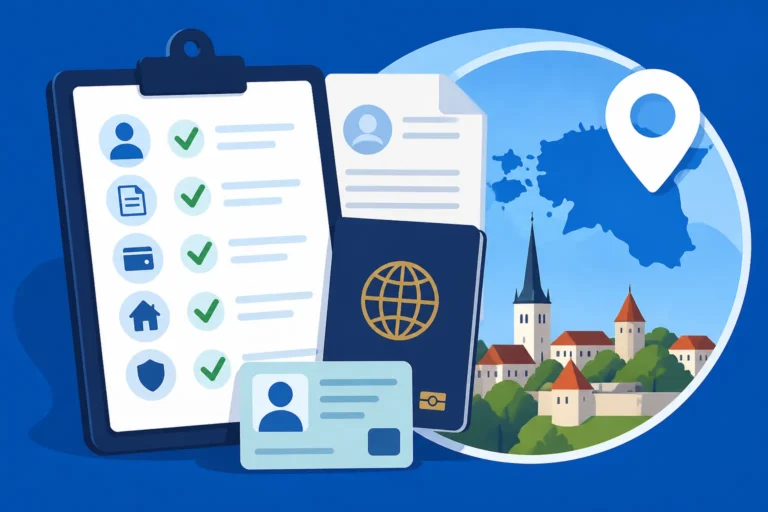
Here’s a typical checklist of what you'll need:
- Valid Travel Document: Your passport or other travel document must be valid for at least three months beyond your intended departure date from Estonia, and it must have at least two blank pages for the visa sticker.
- Application Form: Fill out the D-visa application form completely and accurately. You can usually find this on the Estonian Ministry of Foreign Affairs website or the PPA website. Double-check every field!
- Passport-Sized Photo: A recent colour photo (usually 35x45mm) meeting Schengen visa photo requirements. No selfies, folks!
- Proof of Income: As discussed, this includes bank statements for the last six months, employment contracts, service agreements, invoices, tax declarations, or company financial statements, all clearly showing the €3,500 gross monthly income for the preceding six months.
- Proof of Remote Work Status: Letters from your employer confirming remote work, contracts with foreign clients, or company registration documents for your foreign business.
- Proof of Comprehensive Health Insurance: The policy certificate covering at least €30,000 for the entire duration of your DNV stay in Estonia and the Schengen Area.
- Proof of Accommodation: While not always strictly required for the initial application, it's highly recommended to show where you plan to live. This could be a rental agreement, a hotel booking for your initial stay, or an invitation letter from someone offering you accommodation. You'll definitely need this when you eventually register your residence.
- Travel Itinerary (Optional but helpful): A simple plan of your arrival and intended initial movements.
- Curriculum Vitae (CV): A detailed CV outlining your professional experience and qualifications.
- Motivation Letter: A personal letter explaining why you want to live and work in Estonia as a digital nomad, outlining your plans, and reiterating how you meet the criteria.
Translations and Apostilles: If any of your documents are not in English or Estonian, you will likely need official translations by a sworn translator. For certain documents, especially official certificates like birth or marriage certificates (if you're including family members), an apostille might be required to authenticate them. This can add significant time and cost, so plan ahead. It's truly a paperwork mountain, and getting everything just right is frustrating, I know, but it’s crucial for a smooth application.
Choosing Your Application Method: Embassy or PPA?
Once your dossier of documents is complete, you have two primary avenues for submitting your application, depending on your current location.
-
Applying at an Estonian Embassy or Consulate Abroad:
- Who it’s for: This is the standard route if you are currently outside of Estonia and require a visa to enter the Schengen Area, or if you simply prefer to apply from your home country.
- Process: You'll need to find the nearest Estonian representation in your country of residence (or a country that represents Estonia for visa purposes). Schedule an appointment, attend in person with all your original documents and their copies, and be prepared for an interview. You will also pay the application fee at this time.
- Pros: Allows you to secure the visa before you even travel, offering peace of mind.
- Cons: Requires travel to the embassy if it's not nearby, and processing times can sometimes be longer depending on the specific embassy's workload.
-
Applying at the Police and Border Guard Board (PPA) in Estonia:
- Who it’s for: This option is available if you are already legally present in Estonia, for example, on a visa-free stay (if your nationality permits) or another short-stay visa. Crucially, you must apply for the DNV before your current legal stay expires.
- Process: You will need to book an appointment with the PPA (Politsei- ja Piirivalveamet) in Estonia. Their offices are in major cities like Tallinn and Tartu. This can sometimes be tricky as available slots fill up quickly, so be sure to check how to book an appointment at the Police and Border Guard Board (PPA) well in advance. Gather all your documents, pay the state fee, and attend your appointment for submission and an interview.
- Pros: Convenient if you're already in Estonia and prefer not to leave the country.
- Cons: Can be stressful if your current visa is nearing expiration, and securing an appointment can be competitive. Also, there's no guarantee your current status allows you to apply for a DNV from within Estonia, so always check with the PPA directly.
Regardless of where you apply, the fee for a long-stay (D) visa, which includes the DNV, is typically around €100. Always verify the latest fees on the official PPA or Ministry of Foreign Affairs websites, as they can change.
The Interview and Decision
So you've submitted your application – now comes the waiting game, and perhaps an interview. The interview is a standard part of the process, whether you apply at an embassy or the PPA. Don’t panic; it’s usually straightforward and designed to clarify your application details and ensure you genuinely meet the DNV criteria.
What to Expect During the Interview:
- Questions about your work: Be ready to explain in detail what you do, who your clients or employer are, and how you earn your income. They might ask about your work schedule, your remote setup, and why you chose Estonia.
- Questions about your finances: Expect to elaborate on your income sources, how you manage your money, and how you will support yourself in Estonia.
- Questions about your intentions: They'll want to understand your plans for your stay in Estonia, why you're choosing this specific country, and if you understand the visa's limitations (e.g., that it's not for local employment).
- Language: While English is widely spoken in Estonia, especially in official settings, conducting the interview in English is generally fine if you're applying for an English-based visa. However, knowing a few basic Estonian phrases always helps create a good impression.
Processing Times:
This is where patience becomes a virtue. Processing times can vary significantly depending on the volume of applications, the specific embassy or PPA office, and the complexity of your case. Typically, you might expect a decision within 15 to 30 days, but it can sometimes extend to 60 days or even longer, especially during peak seasons. The best advice is to apply well in advance of your intended travel date and avoid making non-refundable travel arrangements until your visa is approved.
The Decision:
If approved, your D-visa will be affixed as a sticker in your passport. This visa grants you the legal right to enter Estonia and stay for the specified period. When you arrive in Estonia, remember that you still need to register your place of residence to complete your official registration in the country. If your application is denied, the authorities will provide a reason for the refusal. You usually have the right to appeal the decision, but it's often an uphill battle, so getting it right the first time is paramount.
Life After Approval: What to Expect in Estonia
Congratulations! You've got your Estonian Digital Nomad Visa, and the dream of living in this digital paradise is now a reality. But getting the visa is just the first major step. Once you land, there are crucial administrative tasks to tackle that will cement your status as a legitimate resident, albeit a temporary one, in Estonia. These steps are vital for smooth daily living, from accessing services to understanding your tax position.
Registering Your Residence and Getting an Isikukood
This is perhaps the most critical step once you arrive in Estonia. While your DNV allows you to enter and stay, it doesn't automatically mean you're registered in the Estonian Population Register. For many administrative tasks, and to truly feel settled, you'll need to Registering Your Place of Residence in Estonia: The Complete Guide.
Here’s how it typically works:
- Find Your Accommodation: Before you can register, you need a place to live. This could be a rented apartment, a room, or even a long-term hotel stay with an address.
- Submit Your Application: You'll need to visit a local government office (e.g., the local district government in Tallinn or the city government service hall in Tartu). Bring your DNV, passport, and proof of your accommodation (like a rental agreement). If you're staying with someone, they might need to sign a consent form or accompany you.
- Receive Your Isikukood: Once your place of residence is registered, you will automatically be assigned an Isikukood, which is your Estonian personal identification code. This nine-digit number is your golden ticket to most of Estonia's digital services and everyday life. Without it, everything from opening a bank account to getting a local mobile plan becomes incredibly difficult. Understanding How to Get Your Isikukood (Personal Code) and Why It Matters for Healthcare) is fundamental.
- Get Your Residence Card (If Applicable): While the D-visa is a sticker in your passport, some longer-term permits come with a physical residence card. For a DNV, the visa itself acts as your permit. However, getting your Isikukood registers you in the population system.
Don't underestimate the importance of this step. It's not just a formality; it unlocks access to everything from libraries to potentially faster access to certain public services.
Understanding Estonian Taxation as a Digital Nomad
This is where things can get a bit complex, and frankly, it's a source of stress for many of us. While the DNV allows you to work for foreign entities, your presence in Estonia for an extended period can trigger tax residency obligations. Estonia prides itself on its simple and efficient tax system, but navigating international tax rules as an expat still requires careful attention.
- The 183-Day Rule: The general rule of thumb for tax residency in Estonia is spending more than 183 days (six months) within any 12-month period in the country. If you meet this criterion, you generally become an Estonian tax resident.
- Worldwide Income: As an Estonian tax resident, you are liable to pay income tax on your worldwide income. This means your earnings from your foreign employer or clients, even if paid into an overseas bank account, would theoretically be taxable in Estonia.
- Flat Income Tax: Estonia has a flat income tax rate (currently 20%). However, there's also a tax-free income allowance, which can reduce your taxable income.
- Double Taxation Treaties: Estonia has double taxation treaties with many countries. These treaties are designed to prevent you from paying tax on the same income twice (once in Estonia and once in your home country). Understanding the specifics of the treaty between Estonia and your country of tax residency is crucial.
It's absolutely essential to delve into Tax Residency in Estonia: A Definitive Guide for Expats (2027) and consider seeking professional tax advice. Do not assume that just because your income is foreign-sourced, it's automatically exempt from Estonian tax if you become a tax resident. Many digital nomads use specialist accountants who understand international taxation. The Estonian Tax and Customs Board (Maksu- ja Tolliamet) is helpful, but their advice often requires a solid understanding of your unique situation. When it comes to managing your move and getting things set up, companies like Sirelo can be a big help, but for tax specifics, an expert is key.
Extending Your DNV or Transitioning to a Residence Permit
The Estonian Digital Nomad Visa is typically granted for a maximum of 365 days. However, if you've truly fallen in love with Estonia (and many of us do!), you might be wondering about extending your stay.
- DNV Extension: The DNV can typically be extended once for an additional six months. You would need to apply for this extension through the PPA before your current DNV expires. The requirements for extension are largely similar to the initial application, primarily proving continued remote work and financial self-sufficiency.
- Transitioning to a Temporary Residence Permit: If you wish to stay in Estonia for longer than the DNV's maximum period (1 year + 6 months), you would generally need to apply for a different type of residence permit. Common pathways for digital nomads include:
- Residence Permit for Business: If your foreign company grows and you decide to establish a local presence (e.g., an OÜ) in Estonia, you might qualify for a residence permit based on entrepreneurship. This usually involves significant investment and creation of jobs, or demonstrating a substantial business plan. You can learn more about Understanding Residence for Self-Employment and Business in Estonia.
- Residence Permit for Employment: If you find a job with an Estonian company, you would need to apply for a standard work-based residence permit. This involves an Estonian employer sponsoring your visa and fulfilling specific salary and qualification requirements.
- Startup Visa: If you're looking to launch an innovative, scalable startup in Estonia, the Startup Visa might be an option.
It's vital to remember that the DNV is explicitly not a direct pathway to permanent residency or citizenship. It's a temporary arrangement. If your long-term goal is to settle permanently, you'll need to explore the specific criteria for How to Apply for a Temporary Residence Permit in Estonia and eventually How to Extend Your Temporary Residence Permit in Estonia through one of the other available categories. Plan your future steps well in advance, as these processes can be lengthy and require substantial documentation.
Common Pitfalls and Important Considerations
Many hopefuls navigate the DNV process, and while it's a fantastic opportunity, it's not without its potential traps. Being aware of these common pitfalls and understanding some key considerations can save you a lot of heartache, money, and time. Don't go into this with rose-tinted glasses; a realistic perspective is your best friend.
The DNV is Not a Direct Pathway to Permanent Residency
This is one of the most significant misconceptions people have about the Digital Nomad Visa. It's often seen as a backdoor entry to long-term residency or even citizenship, and I need to be brutally honest here: it's not. The DNV is a temporary visa, designed for a specific purpose – to allow remote workers to legally reside in Estonia for a limited period (up to 1 year, extendable by 6 months).
It does not accrue towards the years required for long-term residency or naturalization in the same way that certain other residence permits might. If your ultimate goal is to become a long-term resident or an Estonian citizen, the DNV is a great way to experience the country and see if it's a good fit, but you will almost certainly need to transition to a different type of residence permit (e.g., for work, business, or family reunification) after your DNV expires to continue on that path. Managing your expectations on this front is absolutely crucial to avoid disappointment down the line. Many arrive assuming their DNV time counts, only to find out it often doesn't for the longer-term goals.
Managing Your Tax Obligations Effectively
We touched on this earlier, but it deserves a dedicated section because it’s a source of constant confusion and potential legal trouble. International taxation for digital nomads is incredibly complex, and ignoring it is not an option.
- Understanding Tax Residency: The 183-day rule is a strong indicator, but tax residency isn't always cut and dry. Factors like your "centre of vital interests" (where your family lives, where your primary assets are, etc.) can also play a role, especially if you maintain strong ties to another country.
- Reporting Your Income: If you become an Estonian tax resident, you are legally obligated to report your worldwide income to the Estonian Tax and Customs Board (Maksu- ja Tolliamet). This isn't just about income from Estonian sources; it includes all your earnings, even if they come from a client in New York or an employer in London.
- Avoiding Double Taxation: While double taxation treaties exist, it's not always a simple checkbox. You need to understand how to claim those reliefs, which country has the primary taxing rights, and what documentation is required.
- Penalties for Non-Compliance: Estonia, being a highly digitized country, has efficient tax authorities. Failure to comply with tax obligations can lead to significant fines, penalties, and even impact your future visa or residence permit applications.
My advice, and something I cannot stress enough, is to consult with a qualified tax advisor who specializes in international taxation for individuals. Preferably, find one who is familiar with Estonian tax law and the specifics of digital nomad situations. Don't rely on forum advice or assumptions. Getting professional help from the start, even if it feels like an added cost, can save you immense headaches and potential financial pitfalls later on. For general guidance on the topic, The Complete Guide to Taxes in Estonia for Expats (2027) is a good starting point, but individual advice is paramount.
Moving Logistics and Settling In
Getting the visa is just the beginning of your adventure. The practicalities of moving to a new country can be overwhelming, and Estonia, while small and efficient, still has its quirks.
- Accommodation: Finding suitable long-term accommodation can be challenging, especially in popular areas like Tallinn. Start your search early, consider temporary accommodation for your first few weeks, and be prepared for deposits and agency fees. Platforms like City24.ee and KV.ee are popular, but you might also use expat Facebook groups. Remember that registering your residence is dependent on having an address!
- Banking: Opening a local bank account can sometimes be surprisingly difficult for non-residents or new arrivals, even with an Isikukood. Estonian banks like LHV, SEB, and Swedbank have tightened their onboarding processes. Be prepared to explain your income source thoroughly. However, The Expat Guide to Opening a Bank Account in Estonia offers some great pointers. Many expats initially rely on international digital banks like Wise or Revolut before getting a local account.
- Cost of Living: While Estonia is generally more affordable than Western European capitals, costs, particularly in Tallinn, are rising. Factor in expenses for rent, utilities, groceries, transportation, and leisure. A detailed breakdown can be found in The Complete Guide to Cost of Living in Estonia for Expats (2026).
- Healthcare: Even with your mandatory travel health insurance, understanding how to access healthcare in Estonia can be a learning curve. Know where your nearest clinics and pharmacies (apteek) are, and remember that for serious emergencies, you dial 112.
- Relocation Support: Don't be afraid to leverage resources. Companies like Sirelo specialize in international moving services and can assist with everything from finding reputable movers to offering local integration tips. Having someone guide you through the logistics can make a world of difference, especially when you're still grappling with a new language and culture.
The initial period of settling in can feel like a marathon, not a sprint. Be patient with yourself, embrace the learning curve, and don't hesitate to reach out to the vibrant expat communities in Estonia. They are an invaluable source of advice, support, and friendship.
Digital Nomad Visa vs. Other Estonian Visas
To truly understand the unique place of the Digital Nomad Visa, it helps to compare it with other common ways foreigners enter and stay in Estonia. This table highlights key differences to help you decide if the DNV is truly the right fit for your situation.
| Feature | Estonian Digital Nomad Visa (DNV) | Short-Stay Schengen Visa (Type C) | Long-Stay Visa (Type D – e.g., for Work/Study) |
|---|---|---|---|
| Purpose of Stay | Remote work for non-Estonian entities/clients | Tourism, short business trips, family visits, short studies | Employment with Estonian company, studying at Estonian institution |
| Maximum Duration | Up to 1 year (extendable by 6 months) | 90 days within any 180-day period | Varies, usually up to 1 year, extendable for specific purpose |
| Work Rights | YES, for non-Estonian companies/clients only | NO, generally not permitted | YES, for the specific Estonian employer/institution |
| Income Source | Must be from foreign (non-Estonian) sources | N/A (must show sufficient funds for stay) | From Estonian employer/scholarship, or personal funds for students |
| Schengen Travel | Permitted, for short stays outside Estonia | Permitted within Schengen area | Permitted, for short stays outside Estonia |
| Tax Implications | Can become tax resident after 183 days; taxed on worldwide income | Not typically tax resident | Usually becomes tax resident; taxed on Estonian income (and worldwide if applicable) |
| Pathway to Residency | Not a direct pathway to permanent residency | No | Can be a pathway to long-term/permanent residency after continuous legal stay |
| Required Income | Minimum €3,500 gross/month for last 6 months | Sufficient funds to cover stay (e.g., €50-€100/day) | Varies by employment/study, usually above average Estonian salary for work |
Understanding the Long-Stay (Type D) Visa for Estonia) can further clarify the distinctions, especially if your long-term goals involve more than remote work.
Disclaimer
The information provided in this guide is for general informational purposes only and does not constitute legal, financial, or immigration advice. While I strive to provide accurate and up-to-date information based on my experience and available public data, laws, regulations, and official procedures in Estonia can change without notice. Always consult official Estonian government sources (such as the Police and Border Guard Board, Ministry of Foreign Affairs, or Tax and Customs Board) or seek professional advice from a qualified immigration lawyer or tax consultant for your specific situation. Reliance on any information in this guide is solely at your own risk.