Understanding Private Clinics and Medical Centres in Estonia
One of the most jarring experiences for a new arrival in Estonia is realizing that even with a valid residence permit, getting a specialist appointment through the public system can take months. This guide explains how private clinics and medical centres bridge that gap, offering faster access and English-speaking services to ensure your health doesn't wait on a government list.
The Landscape of Private Healthcare in Estonia
When you first arrive in Tallinn or Tartu, the medical system can seem like a monolith governed by the Tervisekassa (Health Insurance Fund). However, beneath the surface of the state-run hospitals lies a sophisticated and rapidly expanding network of private medical centres. These facilities operate independently of the public system, though many hold contracts with the state to provide certain services. For the average expat, the distinction is vital: private clinics are often the only way to see a doctor within days rather than months.
Why Expats Turn to Private Clinics
The primary driver for choosing private care is undoubtedly speed. In the public system, the wait time for a non-urgent dermatologist or ophthalmologist appointment can easily stretch to three or four months. When you are dealing with a painful skin condition or a worrying change in your vision, that wait feels eternal. Private clinics, such as Confido or Qvalitas, often have slots available within 48 to 72 hours. This immediacy is a lifesaver for those of us used to more on-demand healthcare systems in our home countries.
Another significant factor is the language. While many younger doctors in the public hospitals speak excellent English, the administrative staff and nursing personnel might not. Private medical centres specifically cater to an international clientele and the tech-savvy local population. From the receptionist who greets you to the specialist who examines you, the English proficiency is generally much higher and more consistent. This reduces the anxiety of a medical visit, ensuring that nothing is lost in translation regarding your symptoms or treatment plan.
Finally, the environment in private centres is often more modern and patient-centric. You aren't just a number in a crowded waiting room at a massive regional hospital like East Tallinn Central Hospital (ITK). Instead, you are in a boutique environment with scheduled appointments that actually run on time. For busy professionals or digital nomads, the ability to book an appointment during a lunch break and be back at the desk an hour later is worth the out-of-pocket cost.
Identifying Private vs. Public Facilities
It can sometimes be confusing to distinguish between a private clinic and a public hospital branch, especially since some private entities operate within the same neighborhoods as public ones. Public healthcare is centered around large "Haigla" (hospitals), such as North Estonia Medical Centre (PERH) or Tartu University Hospital. These are massive complexes. Private centres are usually branded as "Arstikeskus" (Doctor’s Centre) or "Kliinik" (Clinic) and are often located in modern office buildings or shopping centres like Nautica or Veerenni in Tallinn.
It is also important to note that many private clinics are "partners" with the Tervisekassa. This means they have a limited number of slots funded by the state. If you ask for a Tervisekassa-funded appointment at a private clinic, you will likely face the same long wait times as the public system. To get the "private" experience, you must explicitly state you are a self-paying patient. Understanding Public vs Private Healthcare in Estonia: Which Should Expats Choose? is the first step in deciding which route fits your current health needs and budget.
Top Private Medical Centres and Clinics in Tallinn and Tartu
Estonia’s private medical sector is dominated by a few large players and many boutique specialized clinics. Knowing where to go for what can save you a lot of time browsing through Estonian-language websites. In the capital, the options are plentiful, while Tartu offers a more concentrated but high-quality selection of private providers.
Major Multidisciplinary Centres
Confido Medical Centre is arguably the most recognizable name in Estonian private healthcare today. They have several locations across Tallinn, including a massive flagship centre at Veerenni. They offer everything from family doctor services to complex surgeries. What makes Confido a favorite for many is their "Walk-in Clinics" located in shopping centres. These are perfect for minor issues like a sudden sore throat or a prescription renewal. I’ve found their online booking system to be the most intuitive for non-Estonian speakers.
Qvalitas is another heavy hitter, particularly well-known for occupational health checks. If your Estonian employer offers health benefits, there is a high chance they are partnered with Qvalitas. They have a strong presence in Tallinn, Tartu, Pärnu, and even Jõhvi. Their specialists cover a broad range of fields, and they are particularly efficient with routine health screenings. For those who need to know How to Find an English-Speaking Doctor in Estonia, starting with the specialist lists at Confido or Qvalitas is usually a winning strategy.
Fertilitas, located in the peaceful suburb of Viimsi just outside Tallinn, is the largest private hospital in Estonia. While they are famous for maternity care and gynecology, they are actually a full-service hospital with a strong focus on rehabilitation, orthopedics, and ENT (ear, nose, and throat) specialists. If you require a minor surgical procedure and don't want to wait for the public hospital queue, Fertilitas is often where the top doctors from the public system perform their private surgeries in the evenings or on weekends.
Specialized Clinics for Specific Needs
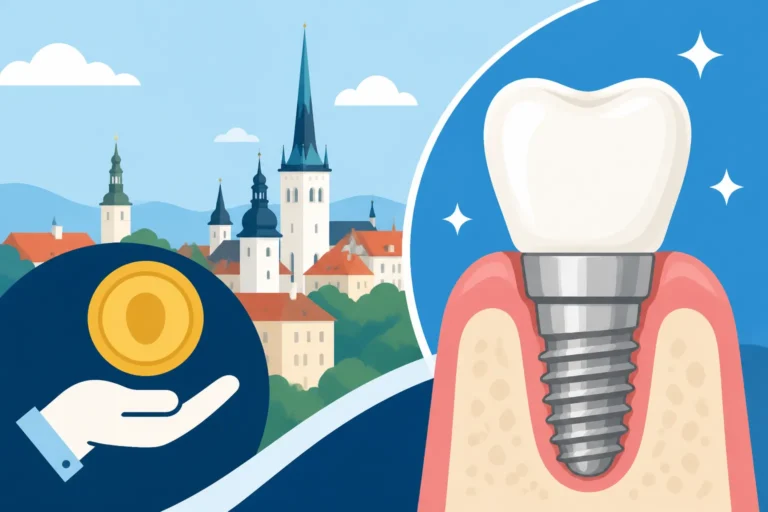
Sometimes a general medical centre isn't enough. For dental care, the system is almost entirely private for adults. Clinics like Maxilla or Kliinik 32 are high-end options in Tallinn that provide everything from basic cleanings to complex implants. It is a shock for many expats to learn that the Tervisekassa provides very little coverage for adult dentistry, making it essential to budget for these visits. You can read more about these costs in our guide on How Much Does Dental Treatment Cost in Estonia Without Insurance?.
For dermatology and aesthetics, Niine Skin Clinic is the gold standard. They specialize in mole checks and skin cancer prevention, which is vital if you spend a lot of time outdoors. Their equipment is state-of-the-art, and their dermatologists are some of the most respected in the Nordics. Similarly, for mental health, many expats turn to private clinics like Peaasi or various private psychotherapy practices because the wait times for a psychiatrist in the public system are notoriously long. Accessing Mental Health Services in Estonia as an Expat often requires going private if you need immediate support in English.
In Tartu, while smaller than Tallinn, the private scene is robust. Medita Kliinik is a primary choice for specialists like urologists, gynecologists, and vascular surgeons. Because Tartu is a university town, the quality of care is exceptionally high, as many of these private doctors are also researchers or professors at the University of Tartu.
The Cost of Going Private in Estonia
One of the most pleasant surprises about private care in Estonia is that, compared to the US or even the UK and Germany, the prices are relatively transparent and affordable. You don't have to worry about receiving a five-figure bill for a consultation and a blood test. However, "affordable" is subjective, and costs can add up if you require multiple diagnostic tests.
Average Consultation Fees and Specialist Costs
For a standard consultation with a specialist (like a cardiologist, neurologist, or ENT), you can expect to pay between €50 and €100 for the initial visit. This fee typically covers the 20 to 30 minutes you spend with the doctor. It does not usually include follow-up tests, such as ultrasounds, blood work, or biopsies. A follow-up visit to discuss results is often slightly cheaper, usually ranging from €40 to €70.
Diagnostic tests are priced individually. A routine blood panel might cost between €30 and €60, while more advanced imaging like an MRI or CT scan can cost between €200 and €400 depending on the area being scanned and whether contrast is used. For a deep dive into these figures, check The Cost of Healthcare in Estonia: A Complete Breakdown for Foreigners (2026). Many clinics list their price lists (Hinnakiri) directly on their websites, though they may be hidden under Estonian headings.
| Service Category | Estimated Private Cost (EUR) | Tervisekassa Co-pay (EUR) |
|---|---|---|
| Specialist Consultation | €50 – €120 | €5 |
| General Blood Test | €15 – €50 | €0 |
| MRI Scan | €200 – €450 | €0* |
| Dental Cleaning | €60 – €100 | Full Price |
| Mental Health Session | €60 – €90 | €5* |
*Note: Tervisekassa covers these only with a referral and after waiting in the public queue.
Comparing Costs: Private Pay vs. Tervisekassa Co-payments
In the public system, if you have a referral (saatekiri), the co-payment for a specialist visit is a flat €5. This is incredibly cheap, but it comes with the "cost" of the wait time. When you choose to go to a private medical centre as a self-paying patient, you are essentially paying a premium to skip the line. For many, the €70 difference between the public co-pay and the private fee is a small price to pay for peace of mind and immediate answers.
It is also worth noting that if you are a freelancer or digital nomad, you might not have Tervisekassa coverage yet. In this case, private clinics are your only option. Many nomads use services like SafetyWing to cover unexpected medical costs while they are establishing residency. SafetyWing is particularly useful because it provides a safety net while you navigate the local administrative hurdles. Knowing Are Private Clinics in Estonia Worth the Cost? depends entirely on your urgency and your current insurance status.
Navigating Appointments and English-Speaking Staff
Booking a medical appointment in a foreign country can be a source of significant stress. Estonia’s "e-society" reputation extends into its healthcare, but there are still quirks you need to be aware of to ensure your booking goes smoothly.
How to Book a Private Appointment
Most major private clinics offer online booking portals. Confido, for instance, has a very slick interface where you can choose a specialty, see the profiles of available doctors (often including their languages spoken), and pick a time slot. You will usually need to provide your Estonian personal code (isikukood) to book, but many private clinics also allow you to book with just your date of birth and passport number if you are a new arrival.
If you don't have an isikukood yet, I highly recommend calling the clinic’s registration desk. The phone operators at private centres almost always speak English. They can manually create a patient profile for you in their system. This is a common hurdle for those still figuring out How to Get Your Isikukood (Personal Code) and Why It Matters for Healthcare. Once you are in their system, future bookings become much easier.
The Language Barrier and Expat Expectations
While I have praised the English levels in private clinics, it is important to manage expectations. You might encounter a doctor who is a brilliant specialist but has a slightly "curt" or "direct" manner of speaking, which is common in Estonian culture. This isn't a sign of rudeness; it’s just the local communication style. In private clinics, however, doctors are generally more accustomed to the "bedside manner" expected by Western expats.
Always confirm at the time of booking that the doctor is comfortable conducting the full consultation in English. Most portals will have small flags or a "Languages" section in the doctor’s bio. If you are seeking care for a complex or chronic condition, having a doctor who can discuss nuances in English is non-negotiable. This is why many foreigners specifically seek out clinics that advertise private specialist consultations specifically for the international community.
Integrating Private Care with the Public System
One of the most advanced features of Estonia is that your health data is not siloed. Whether you see a doctor at a state hospital or a private clinic in a mall, the data eventually ends up in the same place.
Digilugu and Your Digital Health Record
The Digilugu (Health Information System) is the backbone of Estonian medicine. Whenever a doctor at a private centre like Qvalitas sees you, they are legally required to upload a summary of the visit, your diagnoses, and any test results to this central portal. This means that if you later see a specialist in the public system, they can log in and see exactly what the private doctor found.
For expats, this is a massive relief. You don't have to carry around folders of paper records. You can log into the patient portal (digilugu.ee) using your Smart-ID or ID-Card and see your own history. Understanding How Do I Access My Digilugu Health Record Online in Estonia? is essential for managing your long-term health here. It ensures continuity of care, regardless of where you choose to spend your money.
Referrals and Specialist Care Coordination
A common strategy for savvy expats is to use private clinics for the initial "gatekeeping" or diagnostic phase. For example, you might pay for a private consultation with a specialist to get a quick diagnosis and an e-referral (saatekiri). Once that referral is in the digital system, you might then choose to wait for a Tervisekassa-funded slot for a more expensive procedure, like surgery or long-term therapy.
However, be aware that a referral from a private doctor doesn't always "jump" the queue in the public system. It just makes you eligible for the €5 co-payment slots. If the private doctor determines you need urgent care, they can mark the referral as "priority," which helps across both systems. Navigating How E-Referrals (Saatekiri) Work for Specialists in Estonia is a key skill for optimizing your healthcare spend and timing.
Insurance and Payment Options for Private Care
Paying for private care can be done directly at the reception desk via card or cash, but most expats prefer to have some form of insurance coverage to mitigate the costs, especially for more serious issues.
SafetyWing and International Travel/Nomad Insurance
For those who are in Estonia on a Digital Nomad Visa or are still in the 90-day "waiting period" for public insurance, international health insurance is a requirement. SafetyWing is a popular choice here because it is designed specifically for nomads and expats who move between countries. It covers emergency medical expenses and, crucially, can often be used to show "proof of insurance" when applying for your initial residence permits.
While SafetyWing is primarily for emergencies and unexpected illnesses, having it gives you the confidence to use private clinics knowing that if a minor issue turns into something major, you are covered. For someone who hasn't yet integrated into the Tervisekassa, SafetyWing acts as the bridge that allows you to access Estonia's high-quality private medical centres without the fear of a massive financial hit. Mentioning SafetyWing to the clinic staff is also helpful, as they can often provide the specific type of itemized invoice (Arve) that you will need for a reimbursement claim.
Employer-Provided Private Health Insurance
In recent years, the Estonian labor market has become incredibly competitive, especially in the tech sector. To attract talent, many companies now offer "Health Insurance" (Tervisekindlustus) as a benefit. This is usually a private policy with a provider like Stebby, Ergo, or If Insurance. These policies often cover a certain amount of private specialist visits, dental care, and even mental health sessions per year.
If you are lucky enough to have this benefit, your visits to private clinics might be 100% reimbursed or even paid directly by the insurer through a specialized card or app. Always check the limits of your policy before booking. Many expats find that with employer insurance, they never actually need to use the public system except for major emergencies. If you are curious about how this fits into the bigger picture, read about Understanding Private Health Insurance Plans in Estonia.
Conclusion
Understanding the private medical landscape in Estonia is about more than just finding a doctor; it's about taking control of your time and your peace of mind. While the public system is excellent for major medical events, the private sector is where the day-to-day healthcare needs of the expat community are met with efficiency and clarity. By utilizing these clinics, you ensure that your transition to life in Estonia is as healthy as it is productive.
Disclaimer
The information provided in this guide is for informational purposes only and does not constitute professional medical or legal advice. Healthcare regulations and prices in Estonia are subject to change. Always consult with a qualified medical professional or the Estonian Health Board for the most up-to-date information regarding your specific health needs and insurance requirements.