How Do I Find a Psychiatrist (Psühhiaater) in Tallinn?
Feeling overwhelmed, lost, or simply struggling with your mental health in a new country like Estonia is a profoundly isolating experience. It's tough enough to acknowledge you need help, but then trying to navigate a foreign healthcare system, often with language barriers, to find a psychiatrist – a psühhiaater as they say here – can feel like an impossible climb. This guide is here to cut through the confusion and give you a clear, empathetic path to finding the mental health support you need right here in Tallinn.
Understanding Mental Healthcare in Estonia for Expats
Let's be honest, mental health is a topic that carries stigma everywhere, and navigating it in a new cultural context like Estonia can add layers of complexity. The Estonian healthcare system, while generally efficient and digitally advanced, operates with certain structures that can be perplexing for foreigners, especially when it comes to specialist care like psychiatry. Understanding these basics is your first step to getting the right help.
The Public vs. Private Landscape
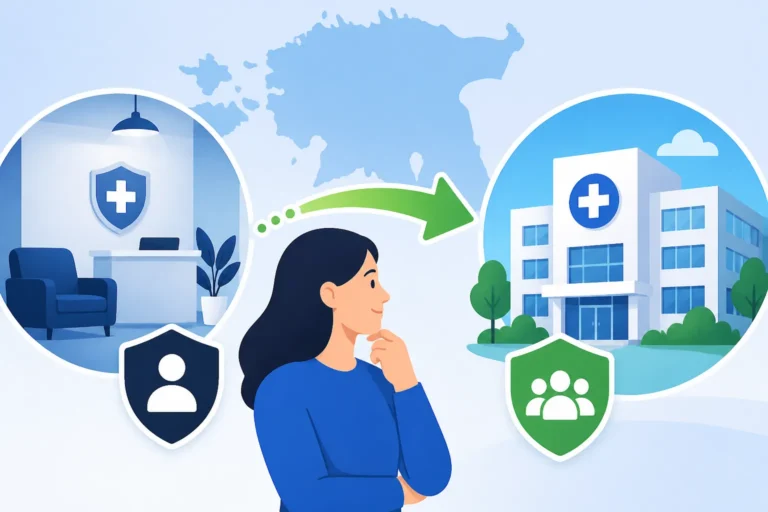
Just like with general medical care, Estonia offers both public and private options for mental health services. This distinction is crucial for expats because it directly impacts waiting times, costs, and often, the availability of English-speaking professionals.
The public system is primarily funded by the Tervisekassa (Estonian Health Insurance Fund). If you're officially registered as a resident and paying social tax, you're generally covered. The biggest advantage here is the significantly lower cost, often just a nominal specialist fee. However, the flip side is often longer waiting lists for appointments, especially for highly sought-after specialists like psychiatrists. I've heard countless stories from expats, and even personally experienced, the frustration of being told the next available appointment is months away. It can feel like a punch to the gut when you're already in a vulnerable state and need help now.
Private clinics, on the other hand, offer much quicker access to specialists. You can often get an appointment within days or weeks, not months. The trade-off, of course, is the cost. Private consultations are out-of-pocket expenses unless you have specific private health insurance that covers mental health or your employer offers a comprehensive benefits package. Many expats find themselves weighing the immediate need for care against the financial implications, and it's a valid concern. The good news is, private clinics are also more likely to have English-speaking staff and doctors, which can alleviate a huge amount of stress.
The Role of the Family Doctor Perearst
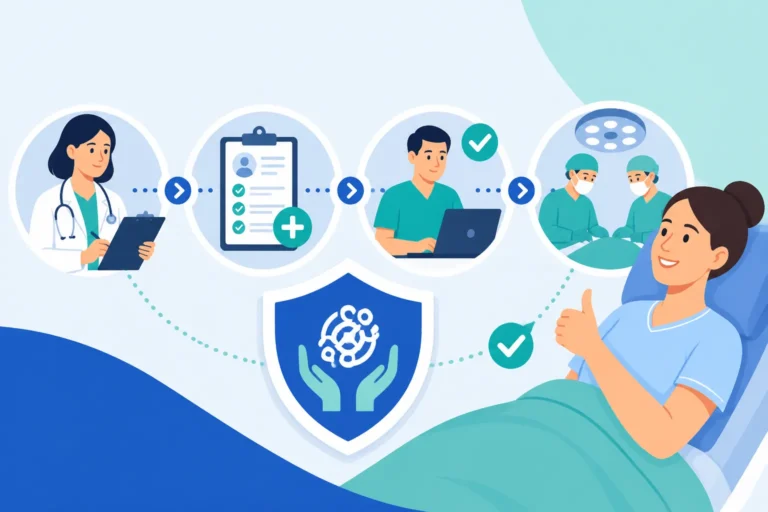
In Estonia, your family doctor, or perearst, is your primary gatekeeper to most specialist care within the public system, including psychiatry. You cannot simply book an appointment with a public psychiatrist on your own. You must first see your perearst, explain your symptoms, and get a referral (saatekiri). This system is designed to ensure that primary care physicians manage common issues and only serious or complex cases are escalated to specialists.
For an expat, this initial step can sometimes feel like an unnecessary hurdle. You might feel you already know what kind of help you need, or you might be hesitant to discuss deeply personal mental health struggles with a general practitioner who may not be a mental health specialist themselves, especially if there's a language barrier. However, it's a mandatory part of the process for public care. Your perearst can also be incredibly helpful in guiding you through the local system, suggesting resources, or even prescribing initial medication for common conditions like depression or anxiety if they deem it appropriate. Don't underestimate the importance of establishing a good relationship with your perearst; it's foundational for The Expat Guide to Finding a Family Doctor (Perearst) in Estonia.
Navigating the Public System for a Psychiatrist Psühhiaater
If you're looking to utilize the public healthcare system, which is covered by your Tervisekassa insurance, there's a specific path you'll need to follow. It requires patience and persistence, but it's a viable option for many.
Getting a Referral from Your Perearst
Your journey to a public psychiatrist must begin with your perearst. Schedule an appointment to discuss your concerns. When you go, be prepared to articulate your symptoms clearly. It's perfectly fine to write down notes beforehand, especially if you're worried about forgetting details or if you anticipate a language barrier. Explain why you believe you need to see a psychiatrist – is it for diagnosis, medication management, or specialized therapy?
Your perearst will assess your situation. They might offer some initial advice, suggest lifestyle changes, or prescribe common antidepressants or anti-anxiety medications themselves. If they agree that specialist psychiatric evaluation is necessary, they will issue an electronic referral (e-saatekiri). This referral is crucial. Without it, public hospitals and clinics will not book you an appointment with a psychiatrist.
Once you have the referral, you can then start contacting public mental health centers or hospitals. Keep in mind that a referral doesn't guarantee an immediate appointment; it just opens the door. It's often up to you to call around and find the earliest slot. This can be frustrating, I know. It's a system that relies on the patient taking initiative, which isn't always easy when you're already feeling unwell.
Public Healthcare Providers in Tallinn
Tallinn has several major hospitals and health centers that offer psychiatric services within the public system. These include:
- North Estonia Medical Centre (Põhja-Eesti Regionaalhaigla or PERH): Located in Mustamäe, PERH is one of the largest hospitals in Estonia and has a significant psychiatric clinic. They offer a range of services from inpatient care to outpatient consultations.
- East Tallinn Central Hospital (Ida-Tallinna Keskhaigla or ITK): Located in Kesklinn (Ravi Street), ITK also provides psychiatric services.
- West Tallinn Central Hospital (Lääne-Tallinna Keskhaigla or LTKH): This hospital in Pelgulinn also has a psychiatric department.
When contacting these institutions, you'll need your Estonian personal identification code (isikukood) and your referral from your perearst. Be prepared for potentially long waiting lists. Depending on the urgency and specific service needed, waits can range from a few weeks to several months. This is perhaps the most significant challenge of Public vs Private Healthcare in Estonia: Which Should Expats Choose? when it comes to specialized care. Don't be shy to ask about estimated waiting times when you call; sometimes different departments or specific doctors might have slightly different schedules.
Language Barriers in Public Care
This is a real concern for many expats. While many younger doctors and medical professionals in Estonia, especially in Tallinn, speak English to some degree, it's not universally guaranteed, especially in older generations or non-specialized support staff. When discussing complex mental health issues, clear communication is paramount. Misunderstandings can lead to misdiagnosis or ineffective treatment.
When you call to book an appointment, make sure to explicitly ask if an English-speaking psychiatrist is available. You can also ask your perearst to specify in the referral that you require an English-speaking specialist. If you cannot find one, or if you feel uncomfortable, consider bringing a trusted friend or family member who speaks Estonian to act as an interpreter. Alternatively, some expats use professional medical translation services, though this adds to the cost. It's an unfortunate reality that you might have to advocate strongly for yourself here, but your mental well-being is worth it. For broader advice, consider checking out How to Find an English-Speaking Doctor in Estonia.
Exploring Private Psychiatric Care in Tallinn
For many expats, especially those who need immediate attention or prefer a wider choice of language options, private psychiatric care becomes the go-to solution. While it comes with a higher price tag, the benefits in terms of accessibility and tailor-made care can be significant.
Why Consider Private Care
The primary advantage of private clinics is speed. You're unlikely to face the multi-month waiting lists that are common in the public system. If you're experiencing acute distress or need to start treatment quickly, private care can be a lifesaver. This faster access can significantly reduce stress during an already difficult time.
Beyond speed, private clinics often offer more flexibility in scheduling and a greater likelihood of finding specialists who are fluent in English or other common expat languages. They also tend to provide a more personalized experience, with longer consultation times and a broader range of therapeutic approaches available. For expats who value direct access and clear communication in their native tongue, private care is often a more comfortable and effective route.
Finding English-Speaking Private Psychiatrists
Tallinn has a growing number of private clinics and individual practitioners who cater to the international community. Here are some places to start your search:
- Confido Medical Centre: Confido is a well-known private healthcare provider with several locations in Tallinn. They have a large psychiatry department and actively promote their English-speaking doctors. You can often filter their online booking system by language. They have a good reputation for professional and modern facilities.
- Sensus Tervise ja Heaolu Kliinik: Sensus specializes specifically in mental health services, offering psychiatry, psychology, and psychotherapy. They are very expat-friendly and have several English-speaking specialists. Their focus is solely on mental well-being, which some people find reassuring.
- Fertilitas Hospital: While a larger hospital, Fertilitas also offers private psychiatric consultations and is known for having English-speaking staff.
- Online Directories: Websites like Docu.ee (formerly Terviseportaal) allow you to search for specialists and sometimes filter by language or check doctor profiles for language information.
- Expat Facebook Groups: Local expat groups in Tallinn are an invaluable resource. Ask for recommendations there; fellow expats often share direct experiences and can point you to specific doctors they trust. This is how many of us find our best local contacts!
When you contact a private clinic, always confirm that the psychiatrist you're booking with is fluent in English. It's an important detail you don't want to overlook.
Understanding the Costs and Insurance
Private psychiatric consultations in Tallinn typically range from €70 to €150 per session, depending on the clinic, the doctor's experience, and the length of the appointment. Initial consultations might be slightly more expensive. Follow-up appointments are usually a bit less. These costs are paid directly by you at the clinic.
If you have private health insurance, it might cover some or all of these costs. However, mental health coverage varies greatly between policies. Some policies have specific exclusions, limits on the number of sessions, or require a referral even for private care. It's absolutely critical to check the terms and conditions of your private insurance policy before booking an appointment. Contact your insurance provider directly and ask very specific questions about psychiatric coverage, including any deductibles or co-payments.
For those without comprehensive private insurance, or those on short-term stays, travel insurance options like SafetyWing might provide emergency medical coverage, but it's unlikely to cover ongoing, non-emergency psychiatric care. Generally, travel insurance focuses on acute, unexpected illnesses or injuries, not pre-existing conditions or elective psychological support. Always double-check with any insurer what exactly they cover, especially for mental health needs. For a deeper dive into private insurance options, you can read Understanding Private Health Insurance Plans in Estonia.
Here's a quick comparison of the two main routes:
| Feature | Public System (Tervisekassa) | Private System |
|---|---|---|
| Cost (if insured) | Low (nominal specialist fee, e.g., €5) | High (full price, e.g., €70-€150/session) |
| Referral Required | Yes, from Perearst | No (usually), direct booking |
| Waiting Times | Long (weeks to months) | Short (days to a few weeks) |
| English-Speaking Doctors | Less common, inquire specifically | More common, actively advertised by clinics |
| Access | Via Perearst referral to public hospitals/health centres | Direct to private clinics/specialists |
| Coverage | Basic psychiatric care, medication consultation | Broader range of therapies, more personalized attention |
Practical Steps for Booking Your Appointment
Once you've decided whether to pursue public or private care, the next steps involve actually getting that appointment locked in.
Preparing for Your First Consultation
No matter which route you choose, preparing for your first appointment can make a huge difference.
- Gather Your Medical History: If you have any previous diagnoses, medications, or therapy notes from your home country, bring them along. Even if they're in another language, the medical terms might be recognizable, or you can have key sections translated.
- List Your Symptoms: Write down what you've been feeling, when it started, how often it occurs, and how it impacts your daily life. Be specific. For example, instead of "I feel sad," try "I've been feeling persistently sad and unmotivated for the past three months, leading to difficulty concentrating at work and isolating myself from friends."
- Note Key Questions: Think about what you want to get out of the appointment. Do you need a diagnosis? Medication? Therapy recommendations? Understanding your own goals will help guide the conversation.
- Consider a Support Person: If you're nervous or anticipate language issues, ask a trusted friend or family member to accompany you. They can offer emotional support and help with communication if needed.
- Understand the Digital System: Estonia’s digital healthcare system, Digilugu, is very advanced. Your doctor will record everything here. You can access your Digilugu (Digital Health Record) System in Estonia online via eesti.ee using your ID card or Mobile-ID. This is important for tracking your care.
Essential Estonian Phrases and Support
While many doctors speak English, knowing a few key phrases or having resources ready can really help:
- "Ma vajan abi vaimse tervise osas." (I need help with mental health.)
- "Ma tunnen end [sümptom: nt. kurb, ärev, stressis]." (I feel [symptom: e.g., sad, anxious, stressed].)
- "Kas te räägite inglise keelt?" (Do you speak English?)
- "Mul on isikukood [teie isikukood]." (I have an isikukood [your isikukood].)
- "Kas ma saan saatekirja psühhiaatri juurde?" (Can I get a referral to a psychiatrist?)
If you're really struggling with communication, don't hesitate to use translation apps on your phone or, as mentioned, bring an Estonian-speaking friend. Many clinics also have support staff who can assist, even if the doctor themselves isn't fluent.
Follow-Up and Ongoing Care
A first consultation with a psychiatrist is just the beginning. They will assess your condition, potentially provide a diagnosis, and discuss a treatment plan. This plan might include medication, psychotherapy, or a combination of both.
- Medication Management: If medication is prescribed, you'll receive a digital prescription (digiretsept). You can pick this up at any apteek (pharmacy) using your ID card. You'll likely need regular follow-up appointments with your psychiatrist to monitor the medication's effectiveness and adjust dosages.
- Therapy: Psychiatrists in Estonia primarily deal with diagnosis and medication. For ongoing talk therapy, they might refer you to a psychologist or psychotherapist. These are separate professions, and psychologists/therapists may or may not be covered by Tervisekassa or private insurance, depending on the specific service. Always clarify this during your initial consultation or when booking.
- Building a Support Network: Beyond professional help, don't forget the power of a good support network. Reach out to expat communities, join local clubs, or connect with friends and family. Living abroad can be tough, and having people who understand what you're going through can be incredibly beneficial for your overall well-being.
- Understanding The Cost of Healthcare in Estonia: A Complete Breakdown for Foreigners (2026) will also help you budget for ongoing care.
Seeking mental health support is a brave step, especially when you're an expat in a new country. The Estonian system has its quirks, but with this guide, I hope you feel more empowered to navigate it and find the psühhiaater you need in Tallinn. Remember, you're not alone in this journey.
Disclaimer
The information provided in this guide is intended for general informational purposes only and does not constitute professional medical, legal, or financial advice. While we strive to keep the information accurate and up-to-date, healthcare systems, regulations, and costs in Estonia can change. Always consult with qualified medical professionals, legal advisors, or relevant Estonian authorities (such as the Tervisekassa or specific clinics) for personalized advice tailored to your individual circumstances.