How to Access Mental Health Services in Estonia as an Expat
Moving to a new country often brings a hidden emotional toll that brochures never mention. In Estonia, the combination of bureaucratic hurdles, social isolation, and the infamously dark winters can trigger or worsen mental health struggles for even the most resilient expats. This guide explains exactly how to navigate the Estonian mental health system, from public referrals to private therapy options.
Understanding the Estonian Mental Health Landscape
The first thing you need to realize as an expat is that Estonia’s mental health system is split into two distinct worlds: the public system, funded by the national health insurance, and the private sector. If you are moving here for work, you likely have access to the public system, but understanding how to trigger those benefits is where most foreigners get stuck. It isn't always intuitive, and the cultural approach to "toughing it out" can sometimes make the system feel a bit cold or distant.
The foundation of your journey here is The Complete Guide to Healthcare in Estonia for Expats (2027). Without a solid grasp of how the overall medical system works, you will find yourself frustrated by the specific gates you need to pass through to see a psychologist or a psychiatrist. Estonia is a highly digital society, which is a blessing once you are "in" the system, but the initial setup requires patience and a clear understanding of your rights as a resident.
Many expats fall into the trap of thinking they can only access care if they speak perfect Estonian. This is simply not true. While the public system is primarily Estonian and Russian-speaking, there is a growing network of providers who are comfortable in English. However, finding them requires knowing where to look and how to use your digital tools effectively.
The Role of the Family Doctor in Mental Health
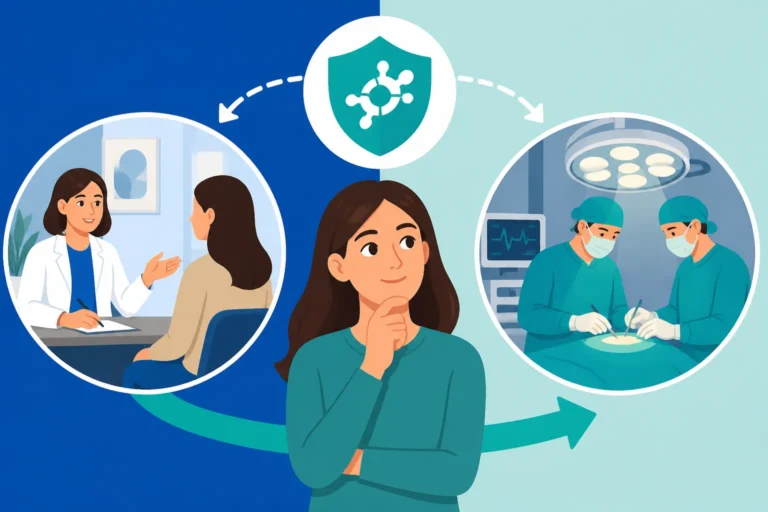
In the Estonian system, your family doctor, or Perearst, is the gatekeeper for almost everything. If you are feeling the weight of depression or anxiety, your first official stop should be a consultation with them. They are trained to handle initial mental health screenings and can prescribe basic medications for sleep or mild anxiety. More importantly, they provide the necessary referral to see a clinical psychologist within the public system.
If you haven't yet secured a primary physician, you should prioritize The Expat Guide to Finding a Family Doctor (Perearst) in Estonia. Having a doctor who knows your history and speaks your language is invaluable when you are struggling with mental health. The Perearst can also order blood tests to rule out physical issues, such as Vitamin D deficiencies, which are rampant in Estonia and can mimic or exacerbate symptoms of clinical depression.
For those who are still waiting for their residency documents to clear or are in the "gap" period between jobs, having a backup plan is essential. This is where a provider like SafetyWing can be a lifesaver, offering a safety net for those who haven't yet been fully integrated into the local How Estonia's Health Insurance Fund (Tervisekassa) Works: A Full Overview. Without coverage, a single mental health crisis can lead to significant out-of-pocket expenses.
Direct Access to Psychiatric Care
Unlike clinical psychologists, you do not technically need a referral from a family doctor to see a psychiatrist in the public system. This is a crucial distinction that many expats miss. If you feel you are in need of specialist psychiatric evaluation or medication management, you can book an appointment directly with a psychiatric clinic that has a contract with the national health insurance fund.
However, just because you can book directly doesn't mean it’s easy. The waiting lists for public psychiatrists can be months long. When you are in the middle of a mental health dip, waiting three months for an appointment feels like an eternity. This is why many expats choose to utilize private insurance like SafetyWing to cover initial private consultations while they wait for a slot in the public system to open up.
Navigating the Public System and Tervisekassa
The public health insurance fund, formerly known as Haigekassa and now called Tervisekassa, is what covers your mental health visits if you are employed or have a residence permit that grants you coverage. The quality of care in public hospitals like the North Estonia Medical Centre (PERH) in Tallinn or the Tartu University Hospital is world-class, but the administrative experience can feel very "old school" compared to the sleek tech startups Tallinn is famous for.
To even start this process, you must ensure your administrative foundation is solid. You cannot access these services without How to Get Your Isikukood (Personal Code) and Why It Matters for Healthcare. This code is your key to the entire digital kingdom in Estonia. Once you have it, and your insurance is active, every prescription and visit will be logged in your digital health record.
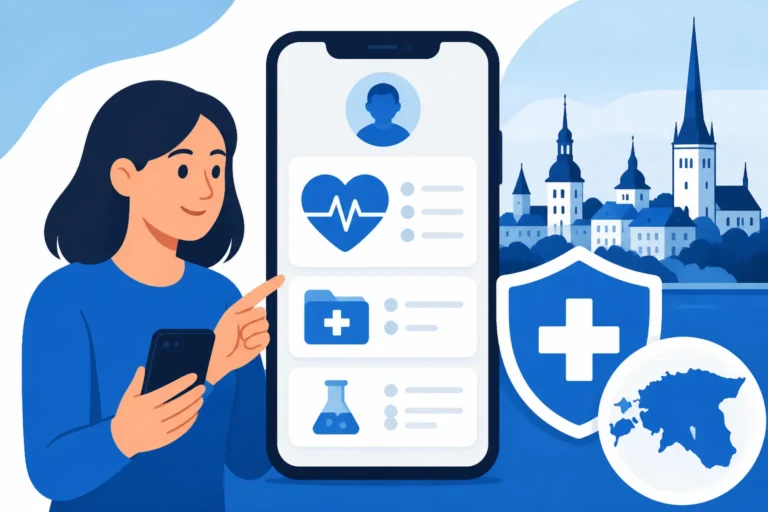
The digital aspect of Estonian healthcare is truly remarkable. You can see your history, test results, and even renew prescriptions through the national health portal. For a deeper dive into this, I recommend Navigating Estonia's Digital Healthcare System: An Expat's Roadmap (2027). Being able to see your "Digilugu" (Digital Health Record) gives you a sense of agency that many other countries lack.
How to Find an English-Speaking Psychiatrist
Language is the biggest barrier for expats seeking mental health support. In the public system, clinics are required to provide care, but they aren't strictly required to provide it in English. However, many younger doctors are incredibly proficient in English. When you call to book an appointment (and yes, you usually have to call, as online booking systems are often only in Estonian), explicitly ask for an "Inglise keelt kõnelev psühhiaater" (English-speaking psychiatrist).
It is also worth checking the smaller regional clinics or those attached to the larger hospitals. Often, the main receptionists might struggle with English, but the doctors themselves are quite comfortable. If you find the phone calls too daunting, How to Find an English-Speaking Doctor in Estonia provides strategies for navigating these linguistic hurdles without losing your mind in the process.
Understanding the Waiting Times and Reality
Let’s be realistic: the public system is strained. For non-urgent mental health issues, a wait time of 4 to 12 weeks is common. If you are seeking talk therapy (psychology) rather than just medication (psychiatry), the wait can be even longer. The Estonian government has been trying to increase funding for mental health, but the demand currently outstrips the supply of clinical psychologists.
If you find the wait times in the public sector unacceptable, you might consider the alternative. We often discuss the trade-offs in Public vs Private Healthcare in Estonia: Which Should Expats Choose? to help people decide if the speed of the private sector justifies the cost. In the context of mental health, that speed can sometimes be the difference between a manageable dip and a total breakdown.
Private Mental Health Care: The Expat's Shortcut
For many expats, private mental health care is the only viable option, especially in the first year of living here. Private clinics offer much faster appointment times—often within a week—and almost always have staff who speak fluent English. The downside, of course, is the cost. A private therapy session in Tallinn or Tartu can range from 70 to 120 EUR per hour.
If you are working for a major tech company like Wise, Bolt, or Pipedrive, check your employee benefits. Many of these companies provide private health insurance that specifically includes a "mental health bucket." If you are a freelancer or working for a smaller firm, having a policy from SafetyWing can help bridge the gap, particularly if your mental health needs arise from an acute situation rather than a chronic long-term condition.
Private care also allows you to choose your therapist based on their specialization and "vibe," which is much harder to do in the public system where you are often assigned whoever is available. Finding a therapist who understands the expat experience—the "identity loss" that comes with moving, the struggle of making friends in a reserved culture—is vital.
Why Many Expats Choose Private Clinics
The privacy and comfort of private clinics are a major draw. In the public system, psychiatric wards can feel a bit clinical and intimidating. Private centers like Confido or Qvalitas offer a more boutique experience. They also offer "Mental Health Audits," which are comprehensive packages that include a session with a psychologist, a psychiatrist, and sometimes even nutritional advice.
Another reason for going private is the continuity of care. In the public system, you might see a different resident or doctor if your primary one is away. Private clinics tend to offer a more stable relationship with a single provider. This is particularly important for therapy, where building trust is the most significant factor in success.
Costs and Insurance Reimbursements
If you choose the private route, you need to be prepared for the financial commitment. Most private clinics require payment upfront. If you have private insurance, you then submit the invoice for reimbursement.
| Service Type | Public (Tervisekassa) | Private Clinic |
|---|---|---|
| Psychiatrist Visit | 5 EUR (Visitation Fee) | 80 – 150 EUR |
| Psychologist Session | Covered (Referral Needed) | 70 – 120 EUR |
| Waiting Time | 1 – 4 Months | 2 – 10 Days |
| Language | ET/RU (Limited EN) | Usually Fluent EN |
| Prescription Cost | Subsidized | Subsidized (with ID card) |
Even if you see a private doctor, as long as you have an Estonian ID card (Isikukood), they can issue digital prescriptions that are subsidized by the state. This is a huge relief, as it means you aren't paying full price for medications even if you pay full price for the consultation. For more on the paperwork side of things, read Understanding the Digilugu (Digital Health Record) System in Estonia.
Dealing with the Estonian Winter and SAD
We cannot talk about mental health in Estonia without talking about the "Grey Season." From November to March, the sun is a rare visitor, and the days are incredibly short. Seasonal Affective Disorder (SAD) is a very real phenomenon here, even for people who have never struggled with mental health in their home countries.
The local solution often involves a combination of light therapy, Vitamin D, and frequent trips to the sauna. Many expats find that their mental health takes a significant hit during their first winter. It’s not just the cold; it’s the lack of light and the way the city goes quiet as everyone retreats into their homes.
During these months, if you feel your mood slipping, don't wait for it to "go away." Use the resources available. Having a plan that includes SafetyWing for emergency support can give you peace of mind while you navigate the seasonal shift. It is much easier to manage SAD when you have professional support than to try and fight the darkness alone.
Light Therapy and Supplements
In Tallinn and Tartu, you can find "Light Therapy" rooms in some spas and medical centers. Many Estonians also buy high-intensity SAD lamps for their homes. Your Perearst will almost certainly tell you to take high doses of Vitamin D (often 4000 IU or higher during winter). This isn't just a suggestion; it is a necessity for maintaining serotonin levels in this climate.
If you are feeling particularly low, a visit to your family doctor to check your blood levels is a good first step. They can advise if your symptoms are purely seasonal or if there is something deeper going on. For more on how to manage these appointments, check out How to Use the Family Doctor Advice Line (1220) in Estonia. This 24/7 line is a great resource if you aren't sure if your symptoms warrant a full doctor's visit.
Social Isolation and the Expat Bubble
Estonians are famously reserved. They aren't being rude; they just value their privacy and don't engage in "small talk" the way many Western cultures do. For an expat, this can feel like coldness or rejection, leading to deep feelings of isolation. This social friction is a major contributor to mental health struggles in the community.
Joining expat groups, hobby clubs, or language classes is essential. While you are working on your mental health with a professional, you also need to work on your social health. The "Expat Bubble" can be a safe haven, but try to also find international-friendly Estonian spaces to avoid feeling like a permanent outsider.
Emergency Resources and Crisis Support
If you or someone you know is in an immediate mental health crisis, you need to know exactly what to do. Estonia has a robust emergency response system, but it can be terrifying to navigate when you are in a state of panic.
The first thing to remember is the universal emergency number: 112. If there is a risk of self-harm or a severe psychiatric break, call 112 immediately. The operators usually speak English and can dispatch an ambulance or a specialized psychiatric team. You should familiarize yourself with Understanding Emergency Numbers (112) and Ambulance Care in Estonia before you ever need to use it.
Psychiatric Emergency Rooms
Tallinn and Tartu both have "Psychiatric Clinics" with 24/7 emergency rooms. In Tallinn, this is the Paldiski mnt 52 clinic (Lääne-Tallinna Keskhaigla psühhiaatriakliinik). You can walk in here at any time of day or night if you are in a crisis. You will be evaluated by a triage nurse and a psychiatrist on duty.
The experience of a public psychiatric ER can be intense. It is functional and safe, but it is not "luxurious." They will stabilize you and determine if you need inpatient care. If you have insurance through SafetyWing, they can often help coordinate your care or provide the necessary financial documentation for follow-up private care after a crisis is managed.
Helplines and Digital Counseling
If you aren't in an immediate physical crisis but need someone to talk to right now, there are several helplines available:
- Emotional Support Helpline (116 123): Available daily from 10:00 to 24:00. They offer support in Estonian, Russian, and often English.
- Peaasi.ee: This is the leading mental health portal in Estonia. They offer free e-counseling (you can write to them) and have a wealth of resources in English about anxiety, depression, and stress.
- Lahendus.net: A volunteer-run counseling service where psychology students provide free, anonymous support via email.
Specialized Support for Digital Nomads and Remote Workers
Estonia is a hub for digital nomads, but this lifestyle comes with its own mental health challenges. Constant moving, lack of a stable routine, and the pressure of running a remote business can lead to burnout. Since many nomads aren't residents, they don't have access to Tervisekassa.
For this group, SafetyWing is often the primary solution. It was designed specifically for the nomad lifestyle, covering mental health emergencies that might occur while you are exploring the cobblestone streets of Old Town or working from a co-working space in Telliskivi. Without this, a nomadic stint in Estonia can become very expensive if a health issue arises.
Overcoming the Language Barrier in Therapy
Even if you find an English-speaking therapist, there can still be cultural misunderstandings. Many expats find that online therapy through platforms in their home country is more effective because the shared cultural context makes explaining their feelings easier. However, if you need a local diagnosis for work-related sick leave (Haigusleht), you must see a doctor registered in Estonia.
Building a Long-Term Support Plan
Accessing mental health services shouldn't be a one-time event. It’s about building a sustainable life in Estonia. This means having your isikukood ready, being registered with a family doctor, and knowing which private clinics you trust. It also means understanding that the "Estonian way" of handling emotions might be different from yours, and that’s okay.
As you settle in, keep a list of your providers and their contact details in your phone. Make sure your emergency contact knows how the Estonian system works. Mental health is a journey, and while the Estonian winters are long, the system here is capable of supporting you through them if you know how to pull the right levers.
Disclaimer
The information provided in this guide is for informational purposes only and does not constitute professional medical advice, diagnosis, or treatment. Always seek the advice of your physician or other qualified health provider with any questions you may have regarding a medical condition. Never disregard professional medical advice or delay in seeking it because of something you have read in this guide. If you are in a life-threatening situation or are having thoughts of self-harm, contact the emergency services immediately at 112.