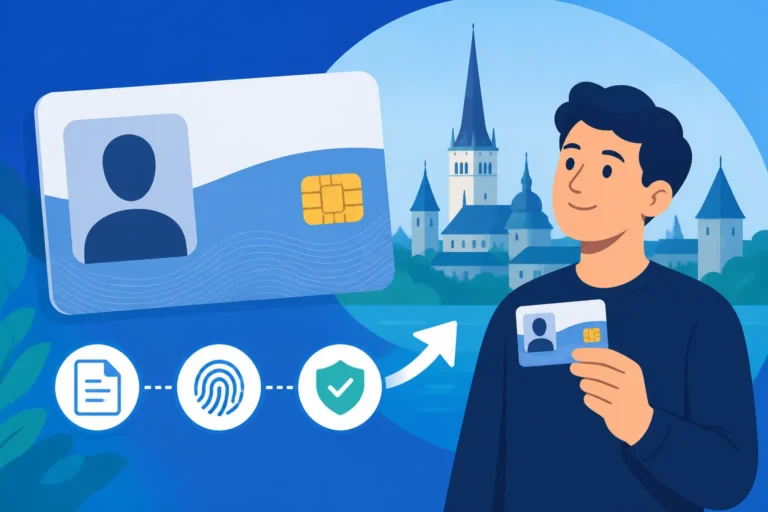
The Complete Guide to Estonian Work Permits for Foreign Workers (2027)
For many non-EU/EEA citizens dreaming of a life and career in Estonia, the path to working legally can feel like navigating a dense, fog-laden forest. The terminology is often confusing, the requirements stringent, and the process seemingly opaque. This comprehensive guide aims to shine a bright, clear light on Estonian work permits, demystifying the entire journey from initial understanding to successfully settling into your new professional life in this digital-first nation.
What Exactly Is an Estonian Work Permit? Navigating the Terminology Maze
One of the biggest initial hurdles for foreign nationals eyeing employment in Estonia is simply understanding what exactly constitutes a "work permit." Unlike some countries where a work permit might be a standalone document or stamp, Estonia integrates this authorization into its broader immigration framework. It’s less about a separate piece of paper and more about the right to work that comes with a specific type of residence permit or registration.
Work Permit vs. Residence Permit for Work: Untangling the Concepts
When people talk about an "Estonian work permit," they are usually referring to the right to work that is granted when you receive an Estonian temporary residence permit for employment (or, in some cases, a long-stay D-visa with registered short-term employment). Essentially, you don't apply for a "work permit" in isolation; you apply for a residence permit that includes the permission to work for a specific employer in a specific role. Your residence card, once issued, will clearly state your right to work, and often the employer it's tied to.
This distinction is crucial because it means the entire application process is geared towards obtaining a residence permit, with the employment aspect being a core component of that application. Your employer's involvement from the very beginning is not just helpful, it's usually mandatory. This permit allows you to live in Estonia for an extended period, typically two to five years initially, and engage in the employment activities specified in your application.
The Pivotal Role of Your Estonian Employer
In most scenarios, your prospective Estonian employer is the absolute linchpin of your work permit journey. Without a concrete job offer and an employer willing to sponsor you, obtaining a residence permit for employment is practically impossible for non-EU/EEA citizens. The employer must demonstrate to the Estonian authorities that the position cannot be filled by an Estonian or EU/EEA national, often by going through a labour market test via the Estonian Unemployment Insurance Fund (Töötukassa).
This employer-driven process means that before you even start thinking about gathering your personal documents, you need to secure a job offer. The employer will often be responsible for initiating the process in Estonia, obtaining the necessary permissions, and ensuring that the terms of your employment (like salary, which often needs to meet a specific threshold) comply with Estonian regulations. They will issue an invitation, which is a critical document for your application. This symbiotic relationship underscores that your "work permit" is deeply intertwined with a specific job and employer, not a general authorization to seek employment once you arrive.
Who Needs an Estonian Work Permit? Understanding Eligibility
The question of who needs an Estonian work permit is fundamental, as it dictates the entire application pathway. Estonia, as an EU member state, operates under different rules for its citizens, other EU/EEA/Swiss citizens, and those from outside this bloc, often referred to as "third-country nationals."
EU/EEA/Swiss Citizens: Your Automatic Right to Work
If you are a citizen of an EU Member State, the European Economic Area (EEA—which includes Iceland, Liechtenstein, and Norway), or Switzerland, you enjoy the fundamental right to free movement of workers within the European Union. This means you do not need a work permit or a separate residence permit for employment to work in Estonia. You can simply move to Estonia, find a job, and start working.
Your only administrative obligation is to register your place of residence in the Estonian Population Register within three months of your arrival. Once your residence is registered, you will receive an Estonian personal identification code (Isikukood), which is essential for almost all official transactions, from opening a bank account to accessing healthcare. This streamlined process is a significant advantage for fellow Europeans, making relocation for work relatively straightforward compared to non-EU citizens. You can learn more about this by reading our guide on How to Register Your Right of Residence as an EU Citizen in Estonia.
Third-Country Nationals: The Primary Focus
For citizens of countries outside the EU, EEA, and Switzerland (what Estonia refers to as "third countries"), obtaining the right to work in Estonia is a much more structured and regulated process. This is the group for whom the concept of an "Estonian work permit" – in the form of a residence permit for employment – is directly applicable and the main focus of this guide.
Generally, third-country nationals need a temporary residence permit for employment (Tööle asumine), which explicitly grants them the right to work in Estonia. This permit is usually applied for based on a specific job offer from an Estonian employer. Without this permit, you cannot legally work in Estonia for longer than a short, pre-approved period (as with short-term employment registration, which we'll discuss next) or under specific visa categories like the Digital Nomad Visa. The process involves significant documentation, meeting specific criteria, and often, an employer’s active participation in securing the necessary permissions.
Exemptions and Special Cases: When the Rules Bend
While the standard residence permit for employment is the most common route, Estonia does offer several exemptions and special categories that can simplify or alter the work authorization process for certain individuals. These are often designed to attract specific talent or facilitate international cooperation:
- Top Specialists and High-Salary Employees: If your salary meets a certain threshold (typically 1.5 times the Estonian average gross salary) and your employer confirms you are a top specialist, you may be exempt from the labour market test required for other foreign workers. This speeds up the process significantly.
- Startup Founders: Estonia's vibrant startup ecosystem offers a special Startup Visa for Founders in Estonia. This visa allows non-EU founders to establish and run their startups in Estonia, granting them the right to reside and work. It's an entrepreneurial route, not a traditional employment one.
- Digital Nomads: The How to Apply for Estonia's Digital Nomad Visa allows individuals working remotely for foreign companies or as freelancers to reside in Estonia and work digitally. While it's not a traditional "work permit" tied to an Estonian employer, it does legally permit you to perform work while living in Estonia.
- Researchers and Lecturers: Individuals coming to Estonia for scientific research or to teach at an educational institution often have a more streamlined application process, as their roles are typically considered beneficial to the national interest and are often exempt from the immigration quota.
- Short-Term Employment Registration: For shorter periods, typically up to 365 days within a 455-day period, your employer can register your short-term employment with the PPA. Depending on your nationality, you might enter on a visa-free stay or a long-stay D-visa, but the registration itself confers the right to work for that specific duration. This is often used for seasonal workers, project-based roles, or highly specialized consultants.
These special cases highlight Estonia's pragmatic approach to immigration, aiming to balance national interests with the needs of a globalized workforce. It's always worth checking if your specific situation falls under one of these exemptions to potentially simplify your application.
Navigating the Landscape of Estonian Work Authorization Schemes
Estonia offers several distinct avenues for foreign workers, each with its own set of rules and benefits. Understanding these different schemes is crucial to choosing the right path for your specific professional situation and long-term goals. It's not a one-size-fits-all approach, and what's best for a seasonal worker won't be suitable for a highly-skilled IT professional.
The Standard Residence Permit for Employment: Your Main Pathway
For the vast majority of third-country nationals coming to Estonia for a regular job, the temporary residence permit for employment (often simply called an RP for employment) is the primary route. This permit is directly tied to a specific employment contract with an Estonian company and usually requires the employer to have completed a labour market test with the Töötukassa (Unemployment Insurance Fund), unless an exemption applies. The test ensures that no suitable Estonian or EU/EEA candidate could be found for the role.
To qualify, your salary must meet a certain threshold, which is typically at least the Estonian average gross salary, and sometimes higher for certain professions. This type of permit is usually granted for an initial period of up to five years, though frequently it’s two or three years for the first issuance. It confers full rights to reside in Estonia, access public services (like healthcare once registered with Tervisekassa), and generally integrate into Estonian society. It's a comprehensive solution for long-term employment. The Police and Border Guard Board (PPA) is the main authority overseeing these applications.
Short-Term Employment Registration: For Brief Stints
Not all jobs require a long-term commitment or full residence permit. For brief engagements, Estonia offers the short-term employment registration scheme. This is typically suitable for foreign workers whose employment in Estonia will not exceed 365 days within a 455-day period. Common scenarios include seasonal agricultural work, temporary project-based assignments, or visiting specialists who will only be in the country for a few months.
Under this scheme, the employer registers your employment directly with the PPA. If you are a citizen of a visa-free country, you might enter Estonia on your visa-free stay and simply rely on the registration for work authorization. However, if you require a visa to enter the Schengen Area, you would typically need to apply for a long-stay D-visa, citing the short-term employment registration as your purpose for travel. The key here is that while it grants the right to work, it doesn't automatically confer a residence permit status for an extended period, making it less suitable for those looking for full integration. Our article Understanding Work Permits and Short-Term Employment Registration in Estonia has more specifics.
The EU Blue Card: For Highly Skilled Professionals
Estonia also participates in the EU Blue Card scheme, which is designed to attract highly qualified non-EU professionals to work and live within the European Union. This pathway offers several advantages over the standard residence permit, primarily due to its focus on high-skilled migration. To be eligible for an EU Blue Card in Estonia, you generally need to meet specific criteria:
- Higher Salary Threshold: Your gross salary must be significantly higher than the average Estonian gross salary (typically 1.5 times the national average).
- Higher Education Qualification: You must hold a higher education qualification (university degree) of at least three years duration.
- Specific Contract: You need a valid employment contract for at least one year.
The benefits of an EU Blue Card include potentially faster processing times, a waiver of the labour market test, and greater mobility within the EU (after 18 months in the first EU country, you can move to another EU country to work under their Blue Card scheme). It also often simplifies the process for family reunification, making it an attractive option for skilled individuals looking to bring their loved ones.
Beyond Traditional Employment: Startup and Digital Nomad Visas
Estonia has been at the forefront of innovative visa programs, recognizing the changing nature of work. These aren't "work permits" in the traditional sense, but they do grant the right to work while residing in Estonia:
- Startup Visa: Aimed at non-EU/EEA founders who want to build a scalable, innovative startup in Estonia. If your business idea is approved by an expert committee, you can apply for a residence permit (or D-visa) that allows you to live and work on your startup. This is for entrepreneurs, not employees.
- Digital Nomad Visa (DNV): This visa allows location-independent individuals who work for a foreign employer or as a freelancer/entrepreneur with foreign clients to live legally in Estonia for up to a year (renewable). It is strictly for remote work and does not allow you to work for an Estonian company. It's a fantastic option for those who cherish flexibility and wish to experience life in Estonia without committing to local employment.
These progressive visas demonstrate Estonia's commitment to attracting diverse talent and fostering innovation, offering alternatives to the traditional employment-based residence permits.
The Application Journey: A Step-by-Step Guide for Non-EU Citizens
Securing an Estonian work permit, which, as we've established, is intrinsically linked to a residence permit for employment, involves a precise sequence of steps. Missing any stage or misfiling a document can lead to frustrating delays or even rejection. This journey is largely collaborative, requiring significant input from both you and your prospective employer.
Phase 1: The Employer's Crucial First Steps
Before you, the applicant, can even begin filling out forms, your Estonian employer must take the lead on several critical administrative tasks. This is where their commitment to hiring you truly comes into play:
- Labour Market Test (if applicable): Unless your position is exempt (e.g., you're a top specialist, an IT specialist meeting specific criteria, or applying for an EU Blue Card), your employer must first contact the Estonian Unemployment Insurance Fund (Töötukassa). They need to assess if the job position can be filled by an Estonian citizen or an EU/EEA national. This often involves advertising the position locally for a certain period. The Töötukassa then issues a decision on the expediency of your employment. This step is vital and can take several weeks.
- Invitation and Permission: Once the labour market test is cleared (or if an exemption applies), your employer must apply for specific permission or an invitation from the Police and Border Guard Board (PPA) to employ a foreign national. This permission is tied to your specific job offer and confirms the PPA's approval for your employment. This document is a cornerstone of your application.
- Employment Contract: Your employer will issue a formal employment contract, detailing your role, salary (which must meet the required threshold), working hours, and other conditions. This contract will be a key piece of evidence for your residence permit application.
It cannot be stressed enough how pivotal your employer's proactive engagement is during this phase. Without their diligent work in securing these initial approvals and documents, your application cannot proceed.
Phase 2: Your Visa and Residence Permit Application
Once your employer has done their part, it’s your turn to spring into action. This phase involves gathering all your personal documents and formally submitting your application.
- Gathering Documents: This is where attention to detail really pays off. You'll need your passport, passport-sized photos, the employment contract from your Estonian employer, the PPA's permission/invitation letter, proof of sufficient financial means (to support yourself in Estonia), proof of accommodation, and comprehensive health insurance that meets Estonian requirements. For a smoother transition, consider international health insurance providers like Cigna Global, which can provide robust coverage from day one, often a requirement for the permit. You might also need educational certificates, professional qualifications, and a background check or criminal record certificate from your home country, often needing to be apostilled or legalised. A detailed list of required documents can be found on the PPA website, but you can also consult our How Do I Apply for a Temporary Residence Permit in Estonia? guide.
- Completing the Application Form: Fill out the temporary residence permit application form meticulously. Ensure all information is accurate and consistent with your supporting documents.
- Submission:
- From Abroad: If you are outside Estonia, you will typically submit your application (and usually a long-stay D-visa application simultaneously if you need one) at an Estonian embassy or consulate in your country of residence. They will forward your application to the PPA in Estonia.
- From Within Estonia: In some cases, if you are already legally present in Estonia (e.g., on a D-visa or short-term employment registration), you might be able to submit your application directly to the PPA service points. However, it's crucial to confirm this with the PPA, as rules can vary.
Phase 3: Biometrics, Interviews, and Waiting Game
After submission, the process shifts to official verification and processing:
- Booking and Attending Your PPA Appointment: Whether you apply from abroad or within Estonia, you will almost certainly need to visit a PPA service point to provide your biometric data (fingerprints and facial image) and submit original documents. It's vital to book this appointment well in advance, as slots can fill up quickly, especially in Tallinn. Our guide on How to Book an Appointment at the Police and Border Guard Board PPA can help you navigate this.
- Possible Interview: Be prepared for a potential interview at the PPA (or consulate/embassy). This is a chance for officials to clarify any information on your application and ensure you genuinely intend to work and reside in Estonia. Be honest, calm, and bring all your documents.
- The Waiting Period: This can be the most nerve-wracking part. Processing times vary depending on the type of permit, the PPA's workload, and the completeness of your application. It can range from a few weeks to several months. During this time, the PPA will conduct background checks and verify all submitted information. You'll receive notification once a decision has been made.
Essential Requirements and Documentation: Don't Miss a Thing!
Navigating the documentation for an Estonian work permit can feel like a daunting treasure hunt. It's a meticulous process, but providing accurate, complete, and properly prepared documents is the cornerstone of a successful application. Think of it as painting a full, verifiable picture of your intent and eligibility for the Estonian authorities.
Personal Documents and Background Checks
This category covers your foundational identity and legal standing, ensuring you are who you say you are and have a clean record.
- Valid Travel Document: Your passport is paramount. It must be valid for at least six months beyond the expiry date of the residence permit you are applying for, and it needs to have at least two blank pages for any stamps or visas. Ensure it's in good condition and hasn't been tampered with.
- Application Form: The official PPA application form for a temporary residence permit for employment, filled out completely and signed. Double-check every field for accuracy.
- Passport-Sized Photos: You'll need recent, colour passport photos (usually 3.5×4.5 cm) that meet standard biometric requirements. These should be taken against a light background, with a neutral expression.
- Proof of Adequate Financial Means: You need to demonstrate that you can financially support yourself in Estonia without becoming a burden on the state. This usually means providing recent bank statements from your home country, showing a stable income or sufficient savings. The exact amount required can vary, but it should be enough to cover your living expenses for your initial stay.
- Criminal Record Certificate: A criminal record certificate (or police clearance certificate) from your country of origin and any other country where you have resided for a significant period (typically more than six months) within the last five years. This document often needs to be apostilled or legalised by the issuing authority and translated into Estonian or English by a sworn translator. This proves you have no disqualifying criminal history.
- Marital Status/Family Documents (if applicable): If you are applying for family reunification alongside your work permit, you will need marriage certificates, birth certificates for children, and potentially proof of legal guardianship. These also typically require apostille/legalisation and translation.
Ensuring these personal documents are perfectly in order, translated, and certified where necessary, will save you immense stress later in the process.
Proof of Employment and Financial Stability
This section is all about substantiating your job offer and ensuring it meets Estonian legal requirements. The employer's role here is just as critical as yours.
- Employment Contract: A signed employment contract with your Estonian employer. This document must clearly state your position, responsibilities, start date, and, crucially, your salary. The salary must meet the threshold set by Estonian law, which is typically tied to the national average gross salary. For certain categories like the EU Blue Card, this threshold is significantly higher.
- Employer's Invitation/Permission: The official letter or document from the PPA, obtained by your employer, confirming their permission to employ you. This is explicit approval for your specific employment.
- Proof of Accommodation: You must demonstrate that you have a place to live in Estonia. This can be a rental agreement, a deed of ownership, or a letter from a landlord confirming your residence. If you're renting, the agreement should be in your name or include your name as an occupant. This is a critical step, as you cannot register your residence without it. Our guide on Registering Your Place of Residence in Estonia: The Complete Guide offers comprehensive details.
- Health Insurance: For your temporary residence permit application, you must provide proof of comprehensive health insurance coverage valid in Estonia. This insurance needs to cover medical expenses, including inpatient and outpatient treatment, and repatriation in case of illness or death. While you will eventually be covered by the Estonian Health Insurance Fund (Tervisekassa) once your social tax payments begin, there might be a waiting period, or the initial application requires private coverage. Providers like Cigna Global offer robust international health insurance plans that meet these requirements and can provide peace of mind during your initial months. Make sure the policy document is in English or Estonian and clearly states the coverage amount and validity period. For more details, see What Health Insurance Do I Need for an Estonian Residence Permit?.
Qualifications and Professional Experience
Especially for skilled roles or specialized categories like the EU Blue Card, demonstrating your professional and academic credentials is vital.
- Educational Diplomas and Transcripts: Copies of your higher education diplomas, academic degrees, and transcripts. For an EU Blue Card, these must demonstrate at least three years of higher education. These documents often need to be translated and certified.
- Professional Certificates and CV: Any relevant professional certifications, licenses, or proof of specialized training pertinent to your job in Estonia. A detailed Curriculum Vitae (CV) outlining your work experience and skills is also typically required. Ensure your CV is up-to-date and reflects the experience needed for your new role.
- Recognition of Foreign Qualifications: If your profession is regulated in Estonia (e.g., doctor, engineer, teacher), you might need to have your foreign degree or professional qualification recognised by the Estonian ENIC/NARIC Centre. This process ensures your qualifications meet Estonian standards. You can find more information in our guide on How to Get Your Foreign Degree Recognised ENIC NARIC in Estonia.
A well-prepared application with all supporting documents correctly submitted significantly increases your chances of a smooth and timely approval. Don't underestimate the PPA's thoroughness; any discrepancies or missing documents will lead to delays.
Navigating Common Pitfalls and Key Considerations
While the path to an Estonian work permit can seem straightforward on paper, real-world application often presents a unique set of challenges. Being aware of these potential pitfalls and considerations beforehand can help you prepare more effectively and mitigate stress.
The Immigration Quota: A Looming Hurdle
One of the most significant considerations for non-EU/EEA nationals seeking a residence permit for employment in Estonia is the annual immigration quota. Estonia sets a limit on how many non-EU/EEA citizens can be granted a temporary residence permit each year, typically capped at 0.1% of the country's permanent population. This quota is a real factor and can sometimes mean that even if you have a job offer and meet all other requirements, your application might be denied if the quota has been filled for the year.
However, it's crucial to understand that many categories of foreign workers are exempt from this quota. These exemptions are often in place to attract specific talent or fulfill strategic national needs. Common exemptions include:
- IT specialists: Workers in the information technology sector, particularly those in roles deemed critical to Estonia's digital economy, are often exempt.
- Top specialists and high-salary employees: As mentioned before, if your salary is high enough, you usually bypass the quota.
- EU Blue Card holders: The EU Blue Card program itself offers an exemption.
- Startup founders and Digital Nomad Visa holders: These are separate visa categories designed to attract specific talent pools, and thus fall outside the general employment quota.
- Researchers, lecturers, and teachers: Professionals in academia and education are typically exempt.
- Family reunification applicants: Spouses and direct family members joining a resident often have a separate quota or are exempt.
It is absolutely vital to determine if your specific situation falls under an exemption. If you do not, and the quota is nearing its limit, you might face stiff competition or even need to wait until the next calendar year. This is a topic thoroughly covered in our guide Understanding the Immigration Quota and Its Exemptions in Estonia.
Processing Times and Waiting Game Anxiety
The application process for an Estonian residence permit, while generally efficient, is not instantaneous. The official processing time for a temporary residence permit can be up to two months (60 days) from the date of a complete application submission, though it can sometimes be extended to four months (120 days) if additional checks are required. This period does not include the time your employer takes to complete their initial steps (like the Töötukassa labour market test).
The waiting game can be a source of significant anxiety. During this period, it's common to feel in limbo, unable to fully plan your move or finalize arrangements. The best strategy is to apply as early as possible once all documents are ready and to resist the urge to constantly contact the PPA for updates unless specifically requested. Remember that holidays, peak seasons, and the complexity of your case can all affect these timelines. Patience and proactive preparation are your best allies.
Finding an Employer Willing to Sponsor
Perhaps the single biggest challenge for many foreign job seekers is finding an Estonian employer who is not only willing to hire them but also prepared to go through the administrative process of sponsoring a residence permit. For smaller companies or those unfamiliar with international recruitment, the perceived bureaucracy can be a deterrent. Employers need to invest time and resources in the application process, sometimes including the labour market test, which requires justification for hiring a non-EU candidate.
However, many Estonian companies, especially in the thriving tech and startup sectors, are highly experienced in hiring international talent and are well-versed in the sponsorship process. Tallinn, in particular, is a hub for English-speaking jobs, and companies here often have dedicated HR teams to assist with relocation and immigration. When you are looking for jobs, it's always worth enquiring early in the application process whether the company has a track record of sponsoring non-EU workers. Focus your job search on sectors and companies that are known for their international outlook. Our guide on How to Find English-Speaking Jobs in Estonia can provide valuable insights into this.
Your First Steps in Estonia After Permit Approval
Congratulations! Receiving your Estonian residence permit for employment is a huge milestone. But the journey doesn't end there. Once you arrive, there are several crucial administrative steps you must take to fully establish yourself in Estonia and access all the services available to residents. These are not optional; they are fundamental to your legal and practical integration.
The All-Important Residence Registration (Elukoht)
This is arguably the most critical step you need to take upon arrival. Within one month of entering Estonia with your residence permit, you are legally required to register your place of residence (Elukoht) in the Estonian Population Register. This isn't just a formality; it's the foundation for almost everything else. Without a registered address, you cannot reliably receive official mail, and it impacts your ability to access healthcare, open a bank account, and even vote in local elections.
To register your residence, you'll need to submit an application to the local government (municipal administration) of your place of residence. In Tallinn, for example, you'd go to the relevant city district administration. You'll need your passport/residence card and proof of your right to use the dwelling (e.g., your rental agreement or a statement from the property owner). Once registered, you'll receive a confirmation, and your official address will be updated in the national database. Do not delay this step; it's essential for a smooth start to your life here. For a detailed walkthrough, consult our guide on Registering Your Place of Residence in Estonia: The Complete Guide.
Isikukood, Tervisekassa, and Banking: Setting Up Your Life
With your residence permit and registered address, you can now unlock Estonia's digital services and essential everyday amenities.
- Obtaining Your Isikukood (Personal Identification Code): If you haven't received your Isikukood as part of your residence permit application process, it will be automatically generated once your residence is registered in the Population Register. This 11-digit number is your unique identifier in Estonia and is absolutely indispensable. You'll use it for everything from signing up for internet services to getting a library card. Without it, you're essentially invisible to the digital state. For a full breakdown, read How to Get Your Isikukood Personal Code and Why It Matters for Healthcare.
- Activating Health Insurance (Tervisekassa): Once you start working and your employer begins paying social tax (sotsiaalmaks) on your behalf, you become eligible for coverage under the Estonian Health Insurance Fund (Tervisekassa). However, there might be a waiting period, typically 14 days after your employer registers your employment. It's crucial to ensure your employer has registered your employment correctly. You can check your health insurance status via the e-service portal eesti.ee. Until your Tervisekassa coverage is active, it’s wise to rely on your private health insurance, like the comprehensive plan you might have secured with Cigna Global during your application. Our guide on Registering with the Tervisekassa in Estonia: The Complete Expat Guide 2026 provides all the details.
- Opening an Estonian Bank Account: For daily financial transactions, salary deposits, and paying bills, you'll need an Estonian bank account. Major banks like Swedbank, SEB, and LHV are popular choices among expats. To open an account, you'll typically need your residence card, passport, and proof of your registered Estonian address. While e-Residency allows you to set up an Estonian business, it doesn't automatically grant you a personal bank account for living in Estonia. Having a local bank account simplifies life immensely. Find out more in The Expat Guide to Opening a Bank Account in Estonia.
If you are shipping your belongings or moving a large family, consider using a relocation service like Sirelo. They can help streamline the process of moving your household goods to Estonia, taking some of the logistical stress off your shoulders so you can focus on these crucial administrative tasks.
Taxes, Digital Services, and Integration
Once the basics are covered, you can delve deeper into integrating with Estonian life:
- Understanding Estonian Taxes: As an employee, your employer will typically handle income tax and social tax deductions from your salary. However, it's good to understand the system, especially if you have other sources of income. Estonia has a flat income tax rate, and the process for filing annual tax returns is very digital. Familiarize yourself with our The Complete Guide to Taxes in Estonia for Expats 2026 to avoid any surprises.
- Embracing E-Estonia: With your Isikukood and residence card, you can activate your digital ID, allowing you to access a vast array of e-services through portals like eesti.ee and Digilugu (your digital health record). This digital convenience is one of Estonia's standout features. Our guide on Navigating Estonia's Digital Healthcare System: An Expat's Roadmap 2026 explains how to use these vital systems.
- Learning Estonian: While many Estonians speak excellent English, especially in Tallinn, learning the local language will profoundly enrich your experience and ease daily life. There are numerous courses available for various levels. Start your language journey with our Learning Estonian: A Complete Guide to Language Courses and Levels.
Extending Your Stay: Renewing Your Work Permit
Life in Estonia often becomes comfortable, and many expats choose to extend their stay beyond the initial validity of their residence permit. The renewal process is similar to the initial application but focuses on proving continued eligibility and integration into Estonian society.
When and How to Apply for Renewal
The golden rule for renewing your residence permit is to start early. The Police and Border Guard Board (PPA) recommends submitting your application for renewal at least two months, but no more than four months, before your current permit expires. Applying too late can put you at risk of overstaying your permit, which has serious legal consequences.
The renewal process requires you to prove that the conditions under which your initial permit was granted still exist. This typically means:
- Continued Employment: You must still be employed by an Estonian company, preferably the same one that sponsored your initial permit, under similar terms. If you have changed employers, you might need to go through parts of the initial application process again with your new employer's sponsorship.
- Stable Income: You need to demonstrate that you continue to earn a stable income that meets the legal requirements.
- Valid Accommodation: Proof of continued legal residence in Estonia.
- No Changes in Eligibility: You must not have any disqualifying changes in your personal circumstances, such as criminal convictions.
The application itself is often submitted online through the PPA e-service portal, followed by an in-person visit to a PPA service point for biometric data collection and to submit original documents. Make sure all your supporting documents are up-to-date, including your employment contract and health insurance.
Changes in Employment and Pathways to Long-Term Residence
Life rarely stays static, and your employment situation might change during your stay in Estonia. If you decide to change jobs, it's crucial to understand the implications for your residence permit. Typically, your residence permit for employment is tied to a specific employer and, sometimes, a specific role. If you switch employers, your new employer will generally need to initiate a new sponsorship process, similar to the initial one, including the labour market test (if applicable). You would then apply for an amendment to your existing permit or a new permit based on the new employment. Failing to do this can invalidate your right to work and reside.
For those who envision a very long-term future in Estonia, the temporary residence permit for employment is a stepping stone towards long-term resident (EU) status. After residing legally in Estonia on a temporary residence permit for five consecutive years (with some specific breaks allowed), you may become eligible to apply for a long-term residence permit. This status offers greater stability, broader rights (closer to those of Estonian citizens, excluding voting in national elections), and is not tied to a specific employer. It’s the ultimate goal for many who fall in love with Estonia and decide to make it their permanent home. You can explore this pathway in detail with our guide on Long-Term Residence in Estonia: The Complete Pathway (2027).
Disclaimer
The information provided in this guide is intended for general informational purposes only and does not constitute legal, immigration, or professional advice. While we strive to keep the information accurate and up-to-date, laws and regulations in Estonia, particularly concerning immigration and work permits, can change frequently. Therefore, always verify information with official government sources, such as the Estonian Police and Border Guard Board (PPA) and the Estonian Ministry of Foreign Affairs, or consult with a qualified immigration lawyer or specialist before making any decisions related to your visa, residence permit, or employment in Estonia.