How to Book an Appointment at the Police and Border Guard Board (PPA)
Ah, the Police and Border Guard Board, or PPA as it's known here in Estonia. If you've spent any time at all trying to sort out your residency, work permits, or even just picking up your ID card, you'll know that booking an appointment with them can feel like trying to win the lottery. It's often the first major bureaucratic hurdle many expats face, a confusing maze of online forms and elusive time slots. This guide is here to demystify the process, offering you a veteran expat's perspective on how to successfully book and navigate your PPA appointment, saving you headaches and frantic refreshing of their website.
Why Booking a PPA Appointment is Crucial for Expats in Estonia
For us foreigners, the PPA isn't just about policing; it's the central hub for nearly everything related to our legal stay in Estonia. From the moment you contemplate making Estonia your home, to years down the line when you’re renewing your documents, the PPA will be a familiar, if sometimes frustrating, part of your life here.
Understanding the PPA's Role in Expat Life
Think of the PPA as the gatekeeper and record-keeper for all non-Estonian citizens living or working here. They are the authority that grants you the right to reside in Estonia, issue your vital identification documents, and ensure you're compliant with immigration laws. This isn't like popping into a local council office; these appointments are for significant administrative actions that directly impact your ability to live, work, and even receive healthcare in Estonia. Without the proper documents issued by the PPA, your entire life here could grind to a halt.
For instance, your The Complete Guide to Estonian Residence Permits for Expats (2027) begins and often ends with the PPA. Whether you're applying for your very first temporary residence permit or working towards Long-Term Residence in Estonia: The Complete Pathway, you'll be interacting with their service points and online systems. They handle everything from processing your initial application to the actual issuance of your residence card and ID card. It’s a bit like a rite of passage for expats, a necessary journey through officialdom that often comes with its own unique set of stresses.
Common Reasons Expats Need a PPA Appointment
The reasons we find ourselves needing to book an appointment with the PPA are varied, but they all share a common thread: they're essential for establishing and maintaining your legal status in the country.
One of the most frequent reasons is, of course, applying for a residence permit. Whether it’s your first time applying for How to Apply for a Temporary Residence Permit in Estonia for work, study, or even as part of How to Apply for Estonia's Digital Nomad Visa, you'll need a face-to-face appointment. This is where they verify your identity, collect biometric data like fingerprints and photographs, and check all your submitted documents. It's a critical step, and one where any missing paperwork can set you back significantly.
Beyond initial applications, many expats also visit the PPA to How to Renew Your Estonian Residence Permit. This is a recurring process, and getting those appointments lined up before your current documents expire is a constant source of anxiety for many. You might also need an appointment to pick up your new ID card or residence card once it's been produced, or to apply for Family Reunification in Estonia: A Complete Guide for Expats for your loved ones. In essence, if it relates to your legal right to be here, your identity as a resident, or your ability to access public services, the PPA is likely involved.
Navigating the PPA's Online Appointment System (Broneerimine)
The PPA has put a lot of effort into digitizing their services, which is a blessing and a curse. While the concept of online booking is great, the reality of finding an available slot, especially in Tallinn, can be a test of patience. The system is called "Broneerimine" – which simply means "booking" in Estonian.
Step-by-Step Guide to Using the Online Portal
The main portal you’ll interact with is accessible via the PPA’s official website. You're looking for the section specifically dedicated to booking appointments for identity documents or residence permits.
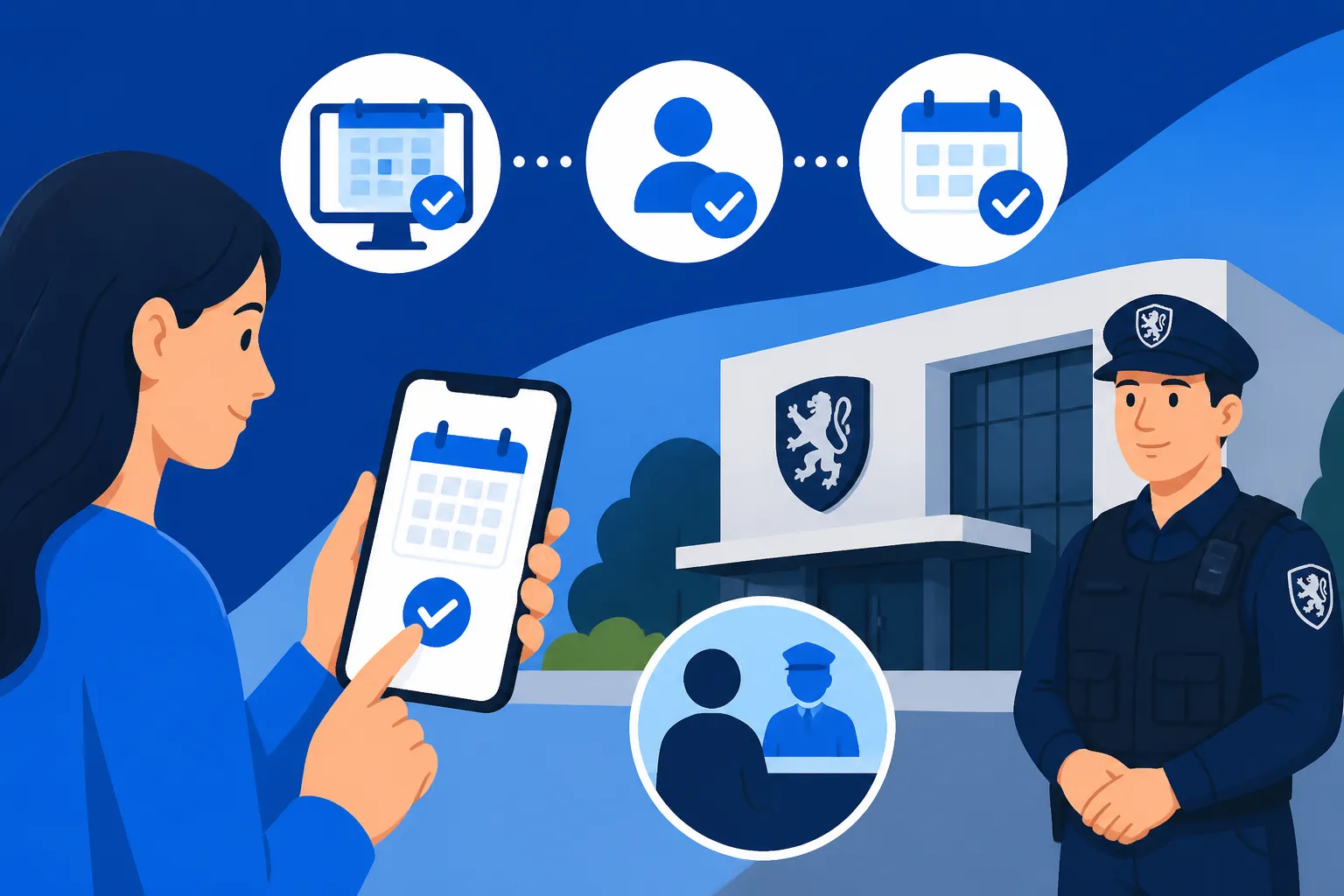
- Access the PPA Booking Page: Start by heading to the Police and Border Guard Board's website. Look for a link usually labeled "Book an appointment" or "Broneeri aeg" (in Estonian). It might be under "Client Service" or "Identity Documents." The good news is the website usually has an English option, so switch it over if you're more comfortable.
- Choose Your Service: This is critical. There will be a list of services like "Application for identity documents (residence permits, ID cards, passports)", "Collection of identity documents", "Application for short-term employment registration", etc. Select the one that matches your reason for visiting. Don't just pick something generic because it has an earlier slot; if you choose the wrong service, they might not be able to help you at your appointment, meaning you’ll have to rebook!
- Select Location: You'll then be asked to choose a service point. The busiest and often hardest to get appointments at are in Tallinn (Pinna 19 and Tammsaare 2A). Other popular locations include Tartu (Riia 132A), Pärnu (A. H. Tammsaare pst 61), Jõhvi (Pargi 30), and Narva (Vahtra 3). If you have flexibility, consider booking in a smaller city; sometimes a day trip might save you weeks of waiting.
- Find a Date and Time: This is where the real game begins. The system will display a calendar. Green slots mean available, red means booked. You'll often see a sea of red, especially for Tallinn. Click on the available day, and then choose a specific time slot.
- Enter Personal Details: Once you've secured a slot, you'll need to enter your personal information: full name, email address, and phone number. If you already have an How to Get Your Isikukood (Personal Code) and Why It Matters for Healthcare, it's a good idea to include it, as it helps link your appointment to any existing applications.
- Confirm Your Booking: Double-check everything, especially the date, time, and chosen service. You'll usually receive an email confirmation with a booking number. Save this email! It contains important details and often a link to cancel or reschedule if needed.
Tips for Finding Available Slots and Avoiding Frustration
This is where the veteran expat wisdom really kicks in, because just following the steps above won't always guarantee success. The online booking system can be a source of immense frustration, especially if you're on a tight deadline.
- Be a Digital Early Bird: New slots often appear first thing in the morning, typically around 8:00 or 9:00 AM EET, as staff update schedules or cancellations occur. Set an alarm and check right when the offices open. Many expats have had success by checking obsessively in the early hours.
- Refresh, Refresh, Refresh: The system isn't always real-time. Keep refreshing the page throughout the day. A slot that was red a minute ago might suddenly turn green if someone cancels. It’s a bit like trying to get concert tickets.
- Consider "Off-Peak" Locations: As mentioned, Tallinn service points are perpetually swamped. If you live in Tartu or even closer to cities like Narva or Jõhvi, those locations often have more immediate availability. A train ticket to Tartu for an appointment might be a small price to pay for getting your documents sorted quickly. It's a common strategy for those facing urgent deadlines.
- Understand Peak Seasons: The PPA gets particularly busy during certain times of the year, like before academic terms begin (when many students apply for permits) or during popular travel seasons. Factor this into your planning. If your residence permit expires in August, don't wait until July to try and book an appointment; start looking several months in advance.
- Prepare Your Documents in Advance: While not directly related to booking, having all your How to Prepare Documents for an Estonian Residence Permit Application ready and neatly organized means you can seize any sudden appointment opening without scrambling for paperwork. This also reduces the chance of needing a follow-up appointment for missing documents.
Remember, patience is absolutely paramount here. It can feel like an endless loop of "no available times," but persistence often pays off.
Alternative Booking Methods and What to Do When Online Fails
So, you've refreshed until your fingers are numb, you've checked every service point from Tallinn to Narva, and the PPA online system still tells you there are no available appointments. What now? Don't despair just yet, there are a couple of other avenues to explore, though they come with their own set of caveats.
Calling the PPA Information Line
When the online system is a brick wall, your next best bet is to pick up the phone. The PPA has an information line that can be incredibly helpful, especially if you're facing a unique situation or simply can't seem to get through online.
- The Number to Call: The general information line for the PPA is +372 612 3000. They typically operate during standard business hours (e.g., Monday-Friday, 9 AM to 5 PM EET), but it's always wise to check their official website for the most current operating times.
- When to Call and What to Have Ready: Call them when you've exhausted all online options. Be prepared for a wait, especially during peak hours. When you do get through, have your Isikukood (if you have one), your passport details, and a clear, concise explanation of your situation ready. For example, "I need to renew my temporary residence permit, and I cannot find any available appointments online for the next three months."
- Managing Expectations for English Service: The PPA strives to provide service in English, and generally, the staff on the information line are proficient. However, there might be instances where you encounter someone whose English isn't as strong. Speak slowly and clearly. If you have a friend who speaks Estonian, asking them to call on your behalf for clarification can also be an option, but remember that for actual booking, they'll need your personal details. The staff might be able to find a hidden slot, direct you to a less busy service point with availability, or advise you on specific procedures for urgent cases. They won't magically create an appointment if there truly aren't any, but they can offer guidance.
Visiting a PPA Service Point Without an Appointment
This is the nuclear option, and frankly, it's generally not recommended for routine matters. Going to a PPA service point without a pre-booked appointment should only be considered in truly dire, emergency situations where your legal status is at immediate risk and you've exhausted all other avenues.
- The Risk and Exception Rule: The PPA's policy is quite clear: appointments are mandatory for most services. Showing up without one typically means you'll be turned away or asked to book online. However, there are rare exceptions, usually for genuinely urgent cases that cannot wait, like an expiring document with no possible online slots, or an unforeseen emergency that necessitates immediate attention (e.g., lost documents right before a critical flight). Even then, whether they assist you is entirely at their discretion.
- Not for Routine Matters: Do not show up to apply for your first residence permit, renew your existing one, or simply pick up an ID card without an appointment. You will waste your time, their time, and likely leave feeling even more frustrated. They prioritize those with appointments, and rightly so, as it helps manage their workload.
- Long Wait Times and Possible Rejection: If you do attempt this, be prepared for an incredibly long wait – potentially hours – and the very real possibility of being told they cannot help you. Tallinn's PPA service points, especially Pinna 19, are notoriously busy. You might be given a waiting number and hope for a cancellation or a kind officer, but it's a gamble. It's often best to plan well in advance for your needs, perhaps even looking at The Complete Guide to Moving to Estonia: Your First 90 Days (2027) for timelines.
Important consideration for any expat: For those moving to Estonia from a non-EU country, understanding the nuances of these processes is paramount. The Expat Guide to Moving to Estonia from a Non-EU Country (2027) emphasizes proactive planning, and booking PPA appointments certainly falls into that category.
Preparing for Your PPA Appointment: Documents and Best Practices
Once you've battled the online booking system and secured a coveted slot, the next crucial step is to ensure you arrive fully prepared. Turning up without the right documents or with incomplete paperwork is a surefire way to get sent home and have to start the whole appointment process again. Trust me, you don't want to experience that particular brand of expat misery.
Essential Documents to Bring
The specific documents you need will vary depending on the service you've booked. However, there's a common list of essentials that apply to most residence permit and ID card-related appointments. Always, always check the PPA website for the exact requirements for your specific service well in advance of your appointment.
Here's a general checklist:
- Valid Travel Document: Your passport is non-negotiable. Ensure it's valid for at least six months beyond your intended stay.
- Current Residence Card/ID Card: If you are renewing or modifying an existing document, bring the old one.
- Application Form: Many services require you to fill out an application form beforehand. Often, these can be found and sometimes even partially pre-filled on the PPA website. Print it, fill it out neatly, and sign it.
- Passport-Sized Photographs: These need to meet specific biometric standards. Don't try to take them yourself with a phone camera; go to a professional photo studio or use one of the photo booths available in larger supermarkets or shopping centers. They understand the requirements for Estonian documents.
- Supporting Documents (Originals and Copies!): This is where people often trip up.
- Proof of Income: Bank statements, employment contracts (especially if applying for a work-based permit), or proof of sufficient funds if you're a student or self-funded individual. For work permits, your employer's confirmation of your Understanding Work Permits and Short-Term Employment Registration in Estonia is vital.
- Proof of Accommodation: A rental agreement or a statement from your landlord proving your address. You'll also need to ensure you've properly completed your How to Register Your Place of Residence (Elukoht) in the Population Register.
- Health Insurance: Proof of valid health insurance for the duration of your stay. For those needing a residence permit, companies like Cigna Global offer expat-friendly insurance plans that meet the requirements. Make sure you have the policy details and validity clearly stated. Seriously, don't skimp on this one; they check it carefully.
- Marriage Certificate/Birth Certificates: If applying for family reunification (e.g., bringing your spouse or children), you'll need official, often apostilled, documents proving these relationships.
- Proof of Payment of State Fee: Most PPA services incur a state fee. You usually pay this beforehand via bank transfer or online, and you'll need the receipt.
Crucially, bring both the originals AND copies of all your documents. The PPA staff will often keep the copies and return the originals. Having everything organized in a folder will not only make a good impression but also streamline the process for you.
What to Expect During Your Visit
You've got your appointment, your documents are pristine, and you're ready. Here's a realistic rundown of what your actual visit to a PPA service point might look like.
- Arrival and Queue Number: Upon entering any PPA service point, you'll usually find a terminal where you select your service (again!) and take a queue number. It's electronic, and you'll wait for your number to be called to a specific counter. Even with an appointment, there's a waiting period involved.
- Language Considerations: While many PPA staff, especially in Tallinn and Tartu, speak excellent English, it's not universally guaranteed, particularly in smaller towns. Don't assume. If your Estonian is limited, speak slowly and clearly. If you have a complex situation or feel unsure, consider bringing an Estonian-speaking friend or even a professional translator. This can significantly reduce stress and miscommunication, which is especially important when dealing with critical legal documents.
- The Interview/Document Check: When your number is called, you'll go to the designated counter. The officer will review your application form and all your supporting documents. They might ask questions about your purpose for staying in Estonia, your work, or your family situation. This isn't usually an interrogation, but rather a verification process. Be honest and provide clear answers. This is also when your biometric data (fingerprints, signature) will be collected.
- Typical Duration: An appointment for an application can easily take 20-40 minutes, sometimes longer if there are complications or many documents to process. Picking up documents is usually much faster, often just 5-10 minutes. Factor in travel time and potential waiting room time; it's rarely a quick "in-and-out" affair. Bring a book or make sure your phone is charged!
Remember, the PPA officers are dealing with a lot of people and complex regulations. Being polite, patient, and prepared goes a long way.
Common Pitfalls and How to Avoid Them
Even with the best intentions and meticulous preparation, navigating the PPA system as an expat can feel like a minefield. There are common pitfalls that many of us have stumbled into, and knowing about them beforehand can save you a lot of grief.
The Dreaded "No Available Times" Message
This is perhaps the single biggest source of frustration for expats dealing with the PPA. You need an appointment, your documents are nearing expiry, and the online system just shows you a disheartening message: "No available times."
- Why it Happens: High demand, especially in Tallinn, is the primary culprit. The PPA only allocates a certain number of slots, and they fill up incredibly fast. Cancellations do happen, but they're quickly snatched up. Sometimes, new slots are released in batches, but without prior notice.
- Reiterate Strategies: Your best bet here is a combination of persistence and flexibility.
- Check First Thing in the Morning: As mentioned earlier, be at your computer when the PPA offices open. This is when new slots from cancellations or system updates are most likely to appear.
- Broaden Your Search Geography: If you're in Tallinn, try Tartu, Pärnu, or even Narva. For some services, such as applying for How to Apply for an Isikukood as Part of Your Residence Process, you might find better luck in smaller service points. A two-hour train ride might save you weeks of waiting.
- Utilize the Info Line: If deadlines are looming, and you truly cannot find anything, call the PPA information line (+372 612 3000). Explain your urgent situation calmly. They might be able to offer advice or, in very rare cases, find an emergency slot.
- Proactive Planning: The real secret to avoiding this pitfall? Start early. If you know your residence permit expires in six months, start checking for renewal appointments four or five months in advance. The PPA allows you to apply for renewal several months before expiry, so take advantage of that window.
- Nearing Deadlines: If you find yourself days away from an expiring document with no appointment in sight, it's an incredibly stressful situation. This is where calling the PPA directly becomes crucial. They might have an internal process for handling genuine emergencies where an individual's legal status is at immediate risk due to system unavailability, but it's not a guarantee. Prepare to make your case clearly and concisely, outlining all your attempts to book.
Language Barriers and Miscommunication
While Estonia is generally an English-friendly country, especially in Tallinn, banking solely on everyone at the PPA speaking fluent English can lead to misunderstandings, especially in more nuanced or stressful situations.
- Bring a Friend or Translator: If you're not confident in your Estonian or feel your situation might be complex, bring along a friend who speaks Estonian well. They can act as your informal translator. For critical applications, like complex business permits or family reunification cases, you might even consider hiring a professional translator to accompany you, ensuring nothing is lost in translation.
- Utilize Translation Apps: For quick phrases or to clarify a specific word, Google Translate or similar apps can be invaluable. However, be cautious not to rely on them for entire conversations, as nuances can be lost.
- Clear and Concise Questions: If you're speaking English, formulate your questions or statements to the PPA officer as clearly and simply as possible. Avoid jargon or overly complex sentences. Sometimes, just simplifying your request can make all the difference.
- PPA Website Language: Always check if the PPA's official website has information in English for your specific process. Often, the forms and guides are available in English, which can help you prepare thoroughly beforehand. Many documents you need to complete, such as those for How to Apply for a Temporary Residence Permit in Estonia, are available in multiple languages.
Overcoming these common hurdles requires a blend of planning, persistence, and practical adaptation. Being well-informed about the potential challenges is half the battle won.
After Your Appointment: What Happens Next?
You've done it! You navigated the booking system, gathered all your documents, and successfully completed your PPA appointment. Breathe a sigh of relief, but don't quite switch off yet. There's usually a waiting period involved before you get your new documents, and knowing how to track your application and what to expect for pickup is the final piece of the puzzle.
Tracking Your Application Status
The waiting game after a PPA appointment can be nerve-wracking, especially if you're eagerly awaiting a new residence permit or ID card. Fortunately, the PPA offers ways to keep an eye on your application's progress.
- The e-PPA Portal: This is your primary tool for tracking. If you applied for a new identity document or residence permit, you'll typically be able to check its status online. You'll usually need your passport number, personal code (Isikukood), and possibly a reference number you received at your appointment. The status will typically change from "Application submitted" to "Under review" and eventually to "Document issued" or "Ready for collection."
- SMS/Email Notifications: The PPA often sends automated SMS messages or emails when your document has been produced and is ready for collection. This is why providing an accurate phone number and email address during both the booking process and your application is crucial. These notifications save you from constantly checking the portal.
- What to Do If There Are Delays: The standard processing time for residence permits can vary, but generally, expect it to take up to 30 days, sometimes longer if there are complexities or during peak periods. If the maximum processing time has passed and you haven't received any notification or update online, it's time to follow up. First, re-check the e-PPA portal thoroughly. If still no luck, call the PPA information line (+372 612 3000) with your application details ready. They can provide more specific information about your case. Avoid going to a service point without calling first, as they might not be able to help directly at the counter without a clear reason.
Picking Up Your Documents
Once your application status shows "Ready for collection" or you've received an SMS/email, it's time to retrieve your hard-earned documents.
- Collection Location: Most commonly, you'll pick up your new residence card or ID card at the same PPA service point where you submitted your application. However, sometimes you might be given an option to collect it from a different, perhaps more convenient, location, or even a specific SmartPOST parcel terminal (though this is more common for Estonian citizens' identity cards). Always confirm the exact pickup location in your notification or on the e-PPA portal.
- What to Bring for Pickup: You absolutely must bring your existing ID or travel document (e.g., your passport) to verify your identity. If you're picking up a new residence card, you'll also likely need to surrender your old one. Don't forget any confirmation slips or booking numbers you might have received.
- Waiting Times for Card Production: It's important to understand that the production of the physical card takes time. After your application is approved, the card itself needs to be manufactured. This process can take anywhere from a few days to a few weeks. The 30-day processing time often includes this production phase. Don't plan any international travel during this period unless you have alternative valid travel documents, as you might not have your new card in hand. For more detailed insights into the overall permit process, check out The Complete Guide to Estonian Residence Permits for Expats (2027).
Successfully navigating the PPA from start to finish is a significant achievement for any expat in Estonia. It's a testament to your patience, your planning, and your ability to adapt to a new administrative system. With this guide, I hope you feel a little more prepared and a lot less daunted by the process.
Disclaimer
The information provided in this guide is for general informational purposes only and does not constitute legal advice. While we strive to keep the information up-to-date and correct, rules and procedures concerning immigration, residence permits, and official appointments in Estonia can change without prior notice. It is essential to always consult the official website of the Estonian Police and Border Guard Board (PPA) or seek professional legal advice for the most accurate and current information pertaining to your individual situation. We accept no liability for any loss or damage arising from reliance on the information contained herein.