How Do I Get a Biometric Residence Card in Estonia?
Navigating the labyrinthine waters of immigration in a new country can often feel like a Herculean task, and for many expats arriving in Estonia, getting that elusive biometric residence card is a key milestone, often shrouded in a bit of mystery. You’ve jumped through hoops to secure your visa or residence permit approval, and now you’re told you need another card. This guide is here to demystify the process, walking you through every step from the initial application to finally holding your shiny new Estonian residence card in your hands.
What Exactly Is a Biometric Residence Card in Estonia?
Before we dive into the nitty-gritty of obtaining one, let's clarify what this card actually is and why it's so important. In Estonia, your biometric residence card isn't just a fancy ID; it's the physical proof of your legal right to reside in the country for a specific period. It's tied directly to your residence permit (whether it's a temporary residence permit for work, study, or family reunification, or even the digital nomad visa) and serves multiple crucial functions.
This card is essentially your Estonian identity document. It contains your personal data, your photograph, and, crucially, your biometric information – meaning your fingerprints and a digital facial image. This biometric data is stored securely on a chip embedded within the card. It's an extra layer of security and verification, designed to prevent identity fraud and ensure that the person holding the card is indeed the rightful owner. Without this card, even if your permit is technically approved, you can't really function as a resident. You'll need it for practically everything: proving your identity, traveling within the Schengen Area, accessing services, and confirming your right to work or study. Think of it as your golden ticket to truly settling in and utilizing all the wonderful digital conveniences Estonia has to offer. It's not just for showing border guards; it's for the everyday practicalities of life here.
The Journey to Obtaining Your Biometric Residence Card
The process of getting your biometric residence card is intricately linked with your residence permit application. You don't apply for the card separately; rather, it's the physical manifestation of your approved permit. Here’s a detailed walkthrough of what to expect.
Securing Your Residence Permit Approval First
The absolute first step, and one that often feels like the longest, is successfully applying for and getting approval for your residence permit. Whether you're seeking a work permit, a student residence permit, or a family reunification permit, this initial application must be approved by the Police and Border Guard Board (PPA).
This typically involves gathering a mountain of documents – your passport, proof of income, proof of accommodation, and, of course, that ever-important What Health Insurance Do I Need for an Estonian Residence Permit?. For many, this entire initial application process can be stressful, requiring careful attention to detail and patience. You'll likely apply online through the PPA's e-service portal or at an Estonian embassy/consulate if you're applying from outside Estonia. Once your application is reviewed and deemed successful, you'll receive notification of your permit approval. This is the green light that allows you to proceed to the biometric data collection stage. Don’t expect to receive the card at this point; this approval is merely a confirmation that you can now get the card.
Booking and Attending Your PPA Appointment for Biometrics
This is where the "biometric" part truly comes into play. Once your residence permit is approved, you absolutely must visit a PPA service point in Estonia to have your fingerprints and digital facial image taken. This is a non-negotiable step.
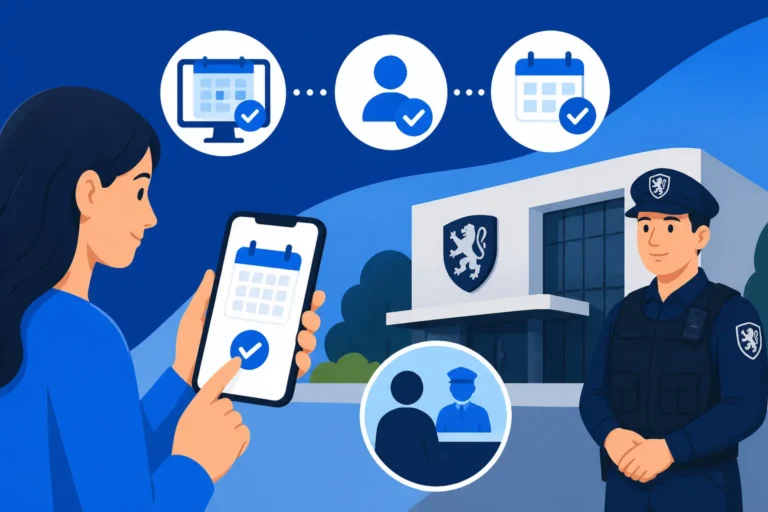
First things first, you need to How to Book an Appointment at the Police and Border Guard Board (PPA). The PPA's online booking system is usually the most efficient way to do this. Be prepared for appointment slots to fill up quickly, especially in larger cities like Tallinn or Tartu. It’s always a good idea to book as soon as you receive your permit approval notification. When booking, make sure you select the correct service – typically, "application for a residence permit card" or similar.
On the day of your appointment, arrive punctually. You'll need to bring:
- Your valid travel document (passport).
- The confirmation of your approved residence permit (if you received a physical letter or email printout).
- Any other documents the PPA specifically requested.
At the service point, you'll be called in for your appointment. A PPA official will verify your identity, process your documents, and then guide you through the biometric data collection. This involves scanning your fingerprints (usually all ten fingers) and taking a digital photograph. The photo will be used on your residence card, so make sure you look presentable, adhering to standard passport photo guidelines (neutral expression, no hats, clear background). It's a quick, straightforward process, but it's vital that the data is captured accurately. Remember, the PPA staff are there to help, but don't expect them to speak perfect English; bringing a friend who speaks Estonian or having key phrases ready can be a huge help if you're still working on your language skills.
What Happens After You Apply: Waiting and Collection
You've done the hard part – submitted your application, received approval, and given your biometrics. Now comes the waiting game, which can sometimes test your patience.
The Processing Timeframe
After your biometric data is successfully captured, the PPA sends your information to the card production facility. The official processing time for the biometric residence card can vary, but generally, it's stated as being up to 30 days from the date your biometrics were taken. However, in reality, it often takes less time, sometimes as quickly as a week or two, especially if all your documents were in order and there are no backlogs. During peak seasons, like before academic terms or major holiday periods, you might find the wait extends closer to the official 30-day mark.
It's important to understand that during this waiting period, you still have a valid residence permit approval, but no physical card. This can be tricky if you need to travel internationally during this time. While you might have the necessary visa or approval documents, without the physical card, you could face difficulties with airlines or border control in other countries. It's always best to avoid international travel if possible until you have your card in hand. Many expats utilize services like Sirelo for moving logistics and finding temporary accommodation, but for the actual card, you’re in the hands of the PPA.
Collecting Your Brand New Residence Card
Once your card is ready, you'll receive a notification. This notification is usually sent to the email address you provided in your application, or sometimes via SMS. The message will instruct you on where and when to collect your card.
Collection typically happens at the same PPA service point where you gave your biometrics, but sometimes it might be another designated location. Make sure you read the instructions carefully. When you go to collect, remember to bring:
- Your valid passport or other identification document.
- The notification that your card is ready for pickup.
At the service point, you'll present your ID, and after verification, your shiny new biometric residence card will be issued to you. The official will usually activate it on the spot and provide you with a PIN envelope containing your card's personal identification numbers. These PINs are crucial for using the card digitally (for example, to access Navigating Estonia's Digital Healthcare System: An Expat's Roadmap (2027) or for online banking), so keep them in a safe place, separate from the card itself. Take a moment to check all the details on your new card – your name, date of birth, photo, and expiry date – to ensure everything is correct. If you spot any errors, report them immediately to the PPA official.
Key Considerations and Common Pitfalls for Expats
Obtaining your biometric residence card in Estonia is generally a smooth process, but knowing a few common issues and considerations can save you a lot of headaches.
The All-Important Isikukood
Before you even think about a residence permit or biometric card, you absolutely need an Isikukood, your personal identification code. This unique 11-digit number is fundamental to almost all administrative processes in Estonia, including your residence permit application. If you don't have one yet, make sure you understand How to Get Your Isikukood (Personal Code) and Why It Matters for Healthcare. Without it, your residence permit process will grind to a halt. In most cases, if you're applying for a residence permit, the Isikukood is generated as part of that process once your permit is approved and your place of residence is registered. However, it's good to be aware of its critical role.
Health Insurance Requirements
As mentioned earlier, robust health insurance is a prerequisite for almost all Estonian residence permits. The PPA needs to see that you won't become a burden on the state's healthcare system. This often means securing comprehensive private health insurance, especially if you're not yet eligible for the national Tervisekassa scheme (which typically requires you to be employed and contributing social tax). Companies like Cigna Global offer international health insurance plans that are often accepted for residence permit applications, providing peace of mind and meeting the PPA's criteria. Make sure your policy covers the entire duration of your requested residence permit.
What to Do If Your Card Is Lost or Stolen
Losing your residence card abroad can be a nightmare scenario. If your biometric residence card is lost, stolen, or damaged, you must report it to the PPA immediately. You’ll then need to apply for a replacement card. This process is very similar to obtaining your initial card, including booking a PPA appointment for new biometrics and going through another waiting period for production.
Here's a quick summary of essential steps:
| Step | Description | Key Documents/Action |
|---|---|---|
| 1. Residence Permit Approval | Ensure your application for a temporary residence permit (work, study, family, digital nomad) has been officially approved by the PPA. This is the foundation for getting the physical card. | Official approval notification from PPA. |
| 2. Book PPA Appointment | Schedule an appointment at a PPA service point in Estonia specifically for biometric data collection. Do this as soon as you receive permit approval. | Use the PPA's online booking system. |
| 3. Attend Biometrics Session | Go to your scheduled PPA appointment. Your fingerprints and a digital facial image will be captured. This data is essential for the card's security features. | Valid passport, permit approval document, any specific PPA requests. |
| 4. Wait for Card Production | After biometrics, the PPA sends your data for card manufacturing. This typically takes a few weeks, up to 30 days. Avoid international travel if possible during this period. | Patience! |
| 5. Card Collection | Once notified (via email/SMS), return to the designated PPA service point to collect your new biometric residence card and its PIN envelope. Verify all details on the card. | Valid passport, collection notification, and a cheerful attitude. |
Renewing Your Biometric Residence Card
Your biometric residence card has an expiry date, which corresponds to the validity of your underlying residence permit. You cannot simply renew the card; you must apply for an extension or renewal of your actual residence permit first. Once your How Do I Renew My Estonian Residence Card? is approved, the process of getting a new physical card with updated biometrics will be similar to the initial one. Always keep an eye on your card’s expiry date and initiate the renewal process well in advance to avoid any gaps in your legal residency.
For instance, if you are a citizen of a non-EU country who entered Estonia on a Understanding the Long-Stay (Type D) Visa for Estonia, you will need to apply for a temporary residence permit upon arrival. The biometric card is then issued based on that temporary residence permit.
The Estonian system is highly digitized, which can be fantastic once you’re in it, but getting into it often requires these initial physical steps. Don't be disheartened by the bureaucratic hurdles; with a bit of planning and patience, you'll have your biometric residence card in hand, ready to truly embrace your new life in Estonia. Remember, the PPA website (www.politsei.ee) is always your official source for the most up-to-date requirements and information, so keep it bookmarked!
Disclaimer
The information provided in this guide is intended for general informational purposes only and does not constitute legal advice. While we strive to keep the content accurate and up-to-date, immigration laws and procedures in Estonia can change without notice. Always consult the official website of the Estonian Police and Border Guard Board (PPA) or seek professional legal counsel for the most current and specific advice regarding your individual situation.