How Do I Set Up Direct Debit for Electricity Bills in Estonia?
One of the first little administrative hurdles you’ll likely face after settling into your new Estonian home, beyond just getting your rental agreement sorted, is figuring out the utility bills. Trust me, it’s not always straightforward, especially when you’re used to different systems back home. But let's tackle one crucial aspect today: how to set up direct debit for your electricity bills in Estonia. This guide will walk you through the process, ensuring you avoid late fees and unnecessary stress.
Understanding Estonian Electricity Bills and the Direct Debit System
Alright, let's talk about electricity. When you first move in, you might be receiving paper bills, or maybe even just a monthly email with a payment link. It’s a bit old-school for a digital nation, isn't it? But fear not, the direct debit system, known as 'e-arve püsimakse leping' (e-invoice standing payment agreement) in Estonian, is very much alive and kicking, and it’s your best friend for avoiding those nagging payment reminders and potential late fees.
Many expats initially just log into their internet banking each month and manually transfer the amount. It feels proactive, I know, but it's also prone to human error – forgetting, mixing up dates, or simply getting swamped with other new-country tasks. Imagine you’re trying to sort out your new internet connection (maybe using an Airalo eSIM for data while waiting for home internet installation) or unpacking boxes from your Sirelo shipment, and suddenly it's the 10th of the month and you've forgotten the electricity bill. Direct debit eliminates that stress entirely.
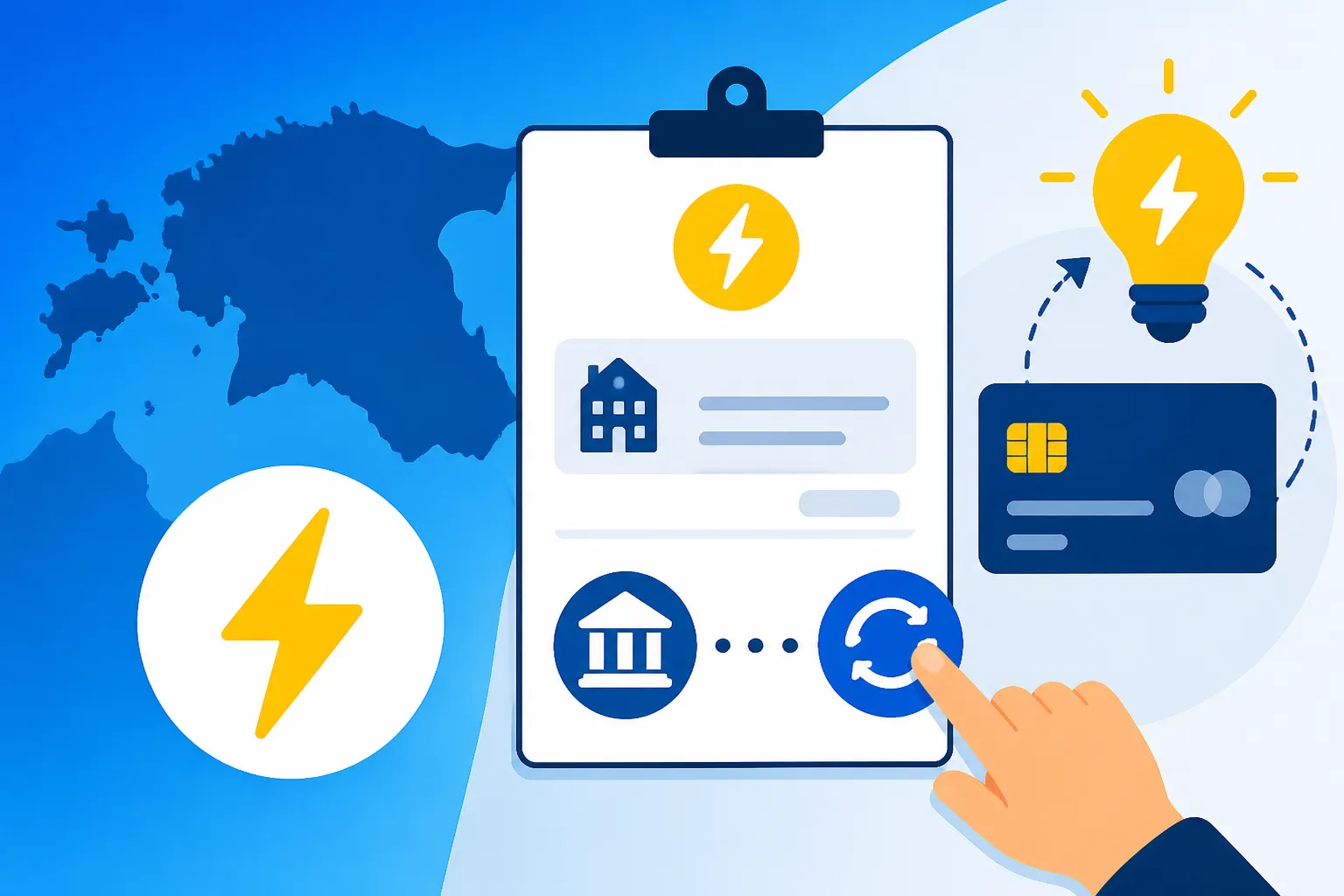
The beauty of direct debit here is that it’s generally set up between your bank and the service provider, but initiated by you through your bank's online portal or sometimes directly with the electricity company. It's essentially an authorization for your bank to automatically pay specific e-invoices issued by your electricity provider when they become due. This means less thinking, less remembering, and more enjoying your new life in Estonia.
Why Direct Debit is Your Best Bet
For any expat, navigating a new financial landscape can be a minefield of unfamiliar terms, deadlines, and portals. Direct debit is more than just a convenience; it's a stability anchor.
- Avoid Late Fees and Service Interruptions: This is the big one. Missed payments aren't just a nuisance; they can incur late fees and, in extreme cases, lead to service disconnection. While Estonia is generally forgiving, you don't want to test those limits. A direct debit ensures your bills are paid on time, every time, as long as you have sufficient funds.
- Budgeting Made Easier: Knowing your bills are automatically taken care of helps immensely with monthly budgeting. You can literally "set it and forget it," focusing your financial attention on other aspects, like understanding how The Cost of Healthcare in Estonia: A Complete Breakdown for Foreigners (2026) works, or perhaps saving for that weekend trip to Saaremaa.
- Time-Saving: Think of the few minutes you spend each month logging in, finding the bill, typing the amount, and confirming the payment. Multiply that by all your utilities (electricity, water, internet, apartment association fees) and across a year. It adds up! Direct debit frees up that mental and actual time.
- Digital Traceability: All payments are recorded in your online banking history, so you always have a clear trail if you ever need to check past payments or reconcile accounts. This is particularly useful when it comes to understanding your overall Understanding Utility and Maintenance Costs Kommunaalkulud in Estonia.
Step-by-Step: Setting Up Direct Debit for Electricity
Setting up direct debit for your electricity in Estonia typically involves a few key steps. It's usually done through your Estonian bank's internet banking portal, as most electricity providers send their bills directly to the bank as e-invoices.
1. Ensure You Have an Estonian Bank Account
This might seem obvious, but it's the absolute foundation. You need a functioning Estonian bank account with online banking access. If you've just arrived and are still navigating your initial setup, make sure to get this done first. Banks like Swedbank, SEB, and LHV are popular choices among expats, offering robust online banking platforms. If you haven't already, check out How to Open a Bank Account at an Estonian Bank as a Foreigner.
You'll need your Estonian personal identification code (isikukood) to open a bank account, and later, this same code will link your electricity contract to your e-invoices. If you're wondering How Do I Get an Isikukood and Register with the Estonian Tax Board, that's an essential prerequisite for most administrative tasks here.
2. Identify Your Electricity Provider and First E-Invoice
Estonia has an open electricity market, meaning you can choose your provider. The most common ones are Enefit (part of Eesti Energia), Elektrum, and 220 Energia. When you signed your rental agreement, or when you moved into your purchased property, you should have either chosen a provider or inherited an existing contract. You can usually find the provider name on your existing paper bills or by checking your lease agreement.
The crucial next step is to receive your first e-invoice from your electricity provider to your bank account. This usually happens automatically once your electricity contract is active and linked to your Isikukood. The provider sends the invoice directly to your bank, which then appears in your internet banking under a section often called "E-invoices" (E-arved) or "Invoices to Pay" (Maksmata arved).
If you’re not receiving e-invoices and only getting paper bills, you might need to contact your electricity provider directly and ask them to start sending e-invoices to your bank. They'll typically ask for your name, Isikukood, and the name of your bank.
3. Log In to Your Internet Banking Portal
Once you've received your first e-invoice from the electricity provider in your bank's online system, you're ready to set up the direct debit.
- Access your bank's website or app. Swedbank, SEB, and LHV all have excellent, user-friendly online platforms that are generally available in English.
- Log in using your preferred method. This could be with your Smart-ID, Mobile-ID, or ID-card. These digital authentication methods are cornerstones of Estonian digital life, so you'll be using them a lot. If you're struggling with Navigating Estonia's Digital Healthcare System: An Expat's Roadmap (2027) for example, getting comfortable with these tools will help immensely.
4. Locate the "E-Invoices" or "Standing Orders" Section
Within your online banking, look for a section related to "E-invoices" (E-arved), "Standing Orders" (Püsimaksed), or "Direct Debits" (Püsimakse lepingud). The exact naming can vary slightly between banks.
- Swedbank: Typically under "Payments" -> "E-invoices and standing orders".
- SEB: Usually under "Payments" -> "E-invoices".
- LHV: Often found under "Payments" -> "E-invoices".
When you find your first electricity e-invoice in this section, it should have an option next to it to create a standing payment agreement or direct debit.
5. Create the Direct Debit Agreement
Click on the option to create a standing payment agreement (e-arve püsimakse leping). You will be presented with a form where you'll need to specify a few things:
- Service Provider: This should be pre-filled with your electricity company's name (e.g., Enefit, Elektrum).
- Invoice Type: Should also be pre-filled for electricity.
- Maximum Payment Limit: This is a crucial setting. You can set an upper limit for how much your bank is authorized to pay per invoice. For electricity, bills can fluctuate with seasonal usage. It's wise to set this limit higher than your expected maximum bill to ensure it covers peak winter usage, but not so high that an erroneous invoice could drain your account. For example, if your average bill is €50, and winter peaks at €100-120, setting a limit of €150-200 provides a good buffer. If a bill ever exceeds this, the direct debit won't go through, and you'll be notified to manually check and pay it.
- Payment Date: You can usually choose how many days before the invoice due date the payment should be made. Giving it a few days (e.g., 3-5 days before) is a good practice to ensure funds clear and to give you a chance to react if there's an issue with your account balance.
- Account to Debit: Select the bank account from which the payments should be made.
Review all the details carefully, especially the maximum payment limit. Once you're satisfied, confirm the setup, usually with another Smart-ID, Mobile-ID, or ID-card verification. And just like that, you're done! Your electricity bills will now be paid automatically.
Table: Common Estonian Electricity Providers and Direct Debit Setup
| Provider | Primary Website (Estonian) | Direct Debit Setup Method | Key Consideration for Expats |
|---|---|---|---|
| Enefit | enefit.ee | Via your Estonian bank's e-invoice system. | Largest provider, part of Eesti Energia. Often default for new homes. |
| Elektrum | elektrum.ee | Via your Estonian bank's e-invoice system. | Popular alternative, competitive pricing. |
| 220 Energia | 220energia.ee | Via your Estonian bank's e-invoice system. | Another strong competitor in the market. |
| Vool | vool.ee | Via your Estonian bank's e-invoice system. | Newer, often tech-savvy approach. |
Note: While some providers might offer direct debit setup via their own portals, the most common and generally recommended method for most Estonian banks is through the bank's e-invoice system.
Common Challenges and Troubleshooting for Expats
Even with a clear guide, things don’t always go smoothly, especially when you’re dealing with a new country’s systems. Here are a few common issues expats might face and how to tackle them.
No E-Invoices Appearing in My Bank
This is a frequent hiccup. If you've activated your electricity contract but no e-invoices are appearing in your bank, here's what to do:
- Contact Your Electricity Provider: Explain that you're an expat, you have an Estonian bank account (mention your bank), and you want to receive e-invoices directly to your bank. Provide your Isikukood and the contract number. They can usually link your account.
- Verify Your Isikukood: Double-check that the Isikukood associated with your electricity contract is correct. A simple typo can prevent the e-invoices from being delivered to your bank.
- Confirm Bank Support: Very rarely, an older bank account might not fully support e-invoice reception, though this is highly uncommon with major Estonian banks.
Remember, if you’re using a mobile data plan from Airalo to contact customer support, ensure you have enough data for a potentially long call!
Direct Debit Failed / Payment Not Made
If your direct debit fails, you'll usually receive an alert from your bank.
- Insufficient Funds: The most common reason. Ensure you always have enough money in your account on the scheduled payment date.
- Exceeded Maximum Limit: If your electricity bill for a particular month was unusually high and exceeded the maximum payment limit you set, the direct debit will fail. You'll need to manually pay that specific invoice and consider adjusting your maximum limit for future payments if such high bills become common.
- Expired/Cancelled Agreement: Check your online banking to ensure the direct debit agreement is still active. Sometimes, agreements can have an end date or be accidentally cancelled.
- Provider Issue: Less common, but sometimes the electricity provider might have an issue sending the e-invoice correctly. In this case, contact them.
Always keep an eye on your banking app or email notifications in the first few months after setting up direct debit, just to make sure everything is running smoothly. You'll want to avoid any issues as you get comfortable with How Do I Pay My Utility Bills in Estonia?.
Needing to Change Banks or Providers
Life happens, and sometimes you might switch banks or decide to move to a different electricity provider for better rates.
- Switching Banks: If you move to a new bank, you will need to cancel the existing direct debit agreement at your old bank and set up a new one at your new bank. The process will be similar to the initial setup. Remember to also inform your electricity provider of your new banking details if they require it, although often the e-invoice system simply re-routes.
- Switching Electricity Providers: When you switch providers, your old contract is terminated, and a new one begins. The old direct debit will automatically stop receiving e-invoices. You'll then need to await your first e-invoice from the new provider in your bank's portal and set up a new direct debit for them. This is part of the overall process of The Expat Guide to Setting Up Utilities in Estonia.
Managing Your Overall Utility Setup in Estonia
Setting up direct debit for electricity is just one piece of the puzzle when it comes to utilities. As you settle in, you’ll find yourself navigating various other services and their payment systems.
- Water and Heating: These are often managed by your apartment association (korteriühistu) and included in your monthly "kommunaalkulud" (utility costs). These are typically paid via a single monthly invoice from your korteriühistu, which you can also set up for direct debit. This will involve understanding How Do I Set Up Heating and Water in My Estonian Apartment?.
- Internet and Mobile: Providers like Telia, Elisa, and Tele2 offer various packages. These typically send e-invoices to your bank as well, which you can set up for direct debit. If you are just moving to Estonia, you might first use a company like Airalo for immediate eSIM data while arranging your permanent home internet, which is a great stop-gap measure. Once you are properly settled, you can refer to How Do I Set Up Home Internet and TV in Estonia?.
- Apartment Association Fees: These are mandatory for most apartment dwellers and cover building maintenance, common area electricity, waste management, and sometimes even a reserve fund for future repairs. These are usually billed monthly by the korteriühistu and are prime candidates for direct debit.
- Waste Management: While often included in korteriühistu fees for apartments, if you live in a house, you’ll typically have a direct contract with a waste management company, which also issues e-invoices.
Getting all your regular bills on direct debit is a powerful step towards a smoother, less stressful expat life in Estonia. It’s one less thing to worry about as you adjust to the cultural nuances and administrative processes that come with moving abroad. And believe me, taking care of these small but important details early on will free you up to enjoy the stunning nature, vibrant cities, and innovative spirit that makes Estonia such a unique place to live. It’s all part of the journey when you’re trying to navigate The Expat Guide to Moving to Estonia: Your First 90 Days (2026).
Remember, while the initial setup might feel a bit clunky, the Estonian digital infrastructure is designed for efficiency once you're in the system. Don’t hesitate to use the English-speaking customer service lines of your bank or electricity provider if you get stuck. They are usually quite helpful!
Disclaimer
The information provided in this guide is for general informational purposes only and does not constitute financial, legal, or professional advice. While we strive to keep the information up-to-date and accurate, systems and regulations in Estonia can change. Always consult with the relevant service providers (banks, electricity companies, etc.) or professional advisors for the most current and specific information regarding your situation.