The Expat Guide to Setting Up Utilities in Estonia
Arriving in a new country brings a whirlwind of excitement and, let's be honest, a fair bit of bureaucratic dread. One of the biggest headaches I remember, and one I hear from so many newcomers, is figuring out how to get all your essential services up and running. It’s not just about turning on a switch; it’s about navigating contracts, understanding bills in a foreign language, and knowing who to even call. This comprehensive guide is here to demystify the process of setting up utilities in Estonia, ensuring you can quickly feel at home with your lights, warmth, internet, and everything else you need.
Understanding Estonia's Utility Landscape for Expats
When you first land in Estonia, the sheer efficiency of e-Estonia can be both a blessing and a bit overwhelming. While many things are digital, setting up physical utilities still requires a bit of legwork, especially if you're not familiar with the local system or the Estonian language. It's a journey, but one that's entirely manageable with the right information.
The Digital First Approach: e-Estonia and Utilities
Estonia prides itself on its digital society, and this extends significantly to how many services, including utilities, are managed. Your Isikukood (personal identification code) is truly your key to unlocking much of this digital convenience. Once you have it, you can access the eesti.ee portal, which acts as a central hub for various government and public services. While you might not sign initial utility contracts directly through eesti.ee, many providers integrate with the platform for identity verification, payment information, and managing your services.
Think of it this way: while you might start by signing a paper contract or clicking through a private provider's website, your Isikukood eventually ties everything together. This digital infrastructure makes tracking your consumption, paying bills, and even switching providers much smoother once you're integrated. However, that initial setup phase can still feel very analogue if you don't know where to look or what documents are needed. It's a mix of old-school verification and cutting-edge digital management that takes a little getting used to.
Common Challenges for Foreigners: Language, Contracts, Documentation
Let's face it, moving to a new country and dealing with official documents in a language you don't understand is a special kind of stress. Estonian, for most, is not an easy language to pick up quickly, and utility contracts are full of specific jargon. This is a common hurdle expats face. While many larger companies, especially in Tallinn and Tartu, offer customer service in English, not all do. And those contract details? They matter. Understanding the terms, cancellation policies, and pricing structures is crucial to avoid unexpected costs or frustrating situations down the line.
Beyond language, the required documentation can sometimes trip people up. While your Isikukood is central, you might also need your residence permit, a valid ID, and proof of address. Sometimes, if you're new to the country and haven't built up a credit history, providers might ask for a larger deposit or even require a local guarantor, which can be a real headache. My advice? Always ask if they have English-speaking staff or materials, and don't be afraid to ask for clarification on anything you don't understand. Having a local friend or colleague glance over your contract before signing can also save you a lot of grief.
Essential First Steps: Isikukood and Population Register
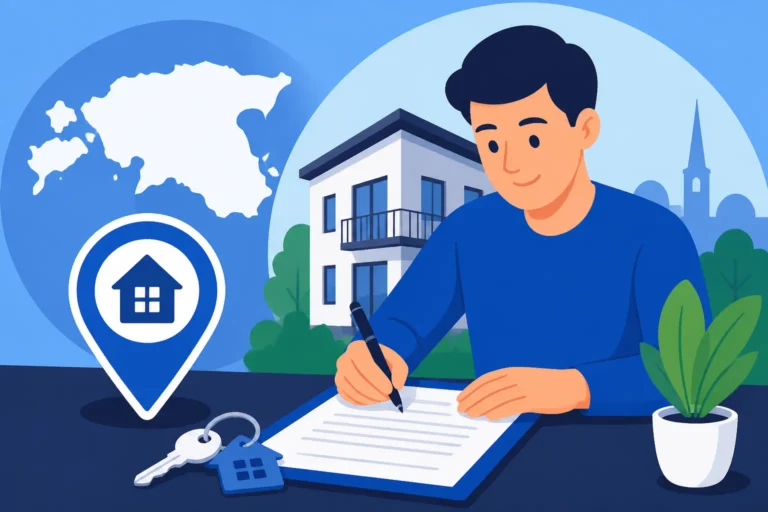
Before you even think about getting your Wi-Fi hooked up, there are two absolutely non-negotiable first steps: obtaining your Isikukood (personal identification code) and Registering Your Place of Residence in Estonia: The Complete Guide. Seriously, don't skip these. Your Isikukood is like your social security number, tax ID, and health insurance number all rolled into one. Without it, signing any long-term utility contract will be either impossible or incredibly difficult. It's the unique identifier that connects you to Estonia's digital society. You can learn more about how to get this vital number in this helpful guide: How to Get Your Isikukood (Personal Code) and Why It Matters for Healthcare.
Once you have your Isikukood, you must register your place of residence in the Population Register. This isn't just a formality; it officially ties you to an address in Estonia, which many utility providers require. It confirms you are a resident at that specific location. Without this registration, some companies might be hesitant to offer you a contract, or you might find yourself unable to access certain services or subsidies. Make these your absolute top priorities the moment you're settled into your new apartment.
Electricity: Keeping the Lights On
Electricity is, of course, a fundamental utility. In Estonia, the electricity market is competitive, meaning you generally have a choice of providers, which can be a double-edged sword: choice is good, but it also means you have to do your homework.
Choosing an Electricity Provider: A Competitive Market
Unlike some countries where electricity is handled by a single national company, Estonia operates with an open electricity market. This means you can choose your electricity seller. The transmission and distribution of electricity, however, are handled by the network operator, primarily Elering for transmission and Elektrilevi for distribution in most areas. Your bill will typically include charges from both your chosen seller and the network operator. The main electricity sellers include Eesti Energia, Alexela, and 220 Energia, among others. Each offers different packages – fixed-price, variable-price (tied to market prices), or a combination.
When choosing, consider your consumption habits. If you work from home and use a lot of electricity during the day, a fixed-price plan might give you more predictability. If you're out most of the time, a variable plan might be cheaper during off-peak hours, but it also exposes you to market fluctuations, which can be significant, especially during cold winters. Some expats who chose variable plans and got a nasty surprise bill in January when temperatures plummeted and energy prices soared. Always compare current offers, look for English terms and conditions, and don't hesitate to contact customer service for clarity. You'll find more details on setting up this service here: How to Set Up Electricity in Your Estonian Home.
Signing Up for a Contract: What to Expect
Once you've chosen a provider, signing up is usually straightforward, especially if you have your Isikukood and a registered address. Most providers allow you to sign up online through their portals, often requiring an Estonian ID card or Mobile-ID for digital signing. If you don't have these yet, you might need to visit a customer service office in person or use a traditional wet signature. You'll need to provide your personal details, your Isikukood, and the address of your new home. Crucially, you'll need the EIC code (European Identification Code) for your electricity meter, which your landlord or the previous tenant should be able to provide. This code uniquely identifies your property's connection point.
Many landlords will advise you to simply transfer the existing contract into your name or choose a new provider. Be aware of any previous debts tied to the meter, although this is rare, as contracts are typically person-specific. Most contracts are for an indefinite period but allow for switching with a certain notice period (usually 30 days). Read the fine print carefully, especially regarding early termination fees if you plan a shorter stay.
Understanding Your Electricity Bill: Components and Charges
Estonian electricity bills can look a bit daunting at first, with several line items. Generally, your bill will consist of:
- Electricity price (elektrihind): This is the cost of the actual electricity you've consumed, based on your chosen package (fixed or variable).
- Network service fee (võrgutasu): This is paid to the network operator (e.g., Elektrilevi) for the maintenance and use of the electricity grid. This part of the bill is usually not negotiable.
- Excise tax (aktsiis): A state tax on electricity consumption.
- Renewable energy charge (taastuvenergia tasu): A fee to support the production of renewable energy.
- VAT (käibemaks): The standard value-added tax, currently 22% in Estonia, applied to all charges.
All these components add up, so don't be surprised if the "price per kWh" you initially saw advertised only refers to the raw electricity cost. The network fee, taxes, and renewable energy charge can significantly increase the final amount. Most providers allow you to view your consumption and bills online through their self-service portals, which is incredibly useful for tracking your usage and understanding the breakdown. Always check the meter readings, typically done automatically with smart meters, to ensure accuracy.
Heating and Water: Staying Warm and Hydrated
Estonia can get seriously cold in winter, so reliable heating isn't a luxury; it's a necessity. Water services are generally less complex than electricity, but still have their nuances.
District Heating vs. Electric Heating: What's Common Where
The majority of apartments in Estonian cities, especially in Tallinn and Tartu, are connected to a district heating system (kaugküte). This means heat is centrally produced (often from combined heat and power plants) and distributed to buildings via a network of insulated pipes. Your apartment building then has its own system for distributing this heat to individual radiators. The cost for district heating is usually included in your kommunaalkulud (utility and maintenance costs) bill from your apartment association (korteriühistu). This can be a significant portion of your monthly expenses, particularly during the colder months, so understanding How Do I Understand My Kommunaalkulud (Utility Bills) in Estonia? is vital.
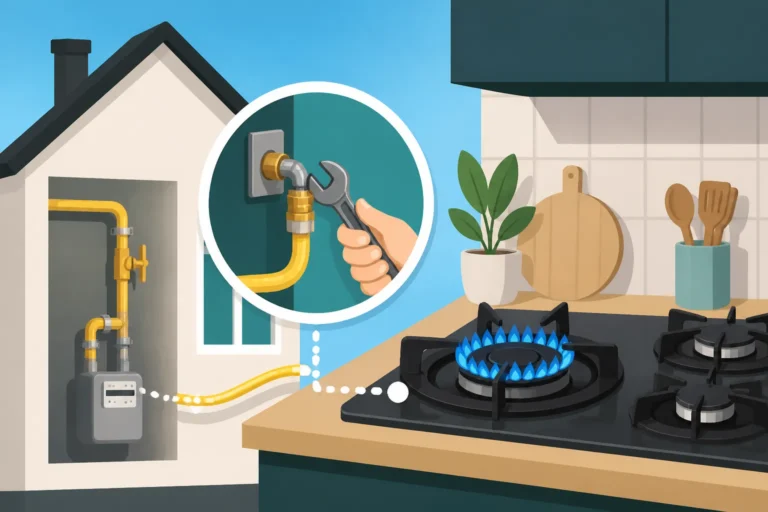
Some older buildings or houses might use individual electric heating, gas heating, or even wood-burning stoves. Electric heating can be very expensive, as it relies on the same electricity tariffs discussed above. Gas heating is less common in apartments but can be found in some private houses. Always ask your landlord what type of heating system your prospective home uses, as it will heavily impact your monthly costs. District heating is generally the most common and often most cost-effective solution in urban apartment blocks.
Setting Up Water and Wastewater Services: Often Tied to the Apartment
Water and wastewater services are usually managed by the local municipality's water company, such as Tallinna Vesi in Tallinn or Tartu Veevärk in Tartu. For most apartment dwellers, you won't sign a direct contract with the water company yourself. Instead, your apartment association (korteriühistu) holds the main contract for the building, and your water consumption is measured by individual meters within your apartment. The readings are typically submitted to the apartment association, which then includes your share of the water and wastewater charges in your kommunaalkulud bill.
If you are renting a house, you might need to set up a direct contract with the local water provider. This process is similar to setting up electricity: you'll need your Isikukood, registered address, and the meter number. The good news is that water is relatively inexpensive in Estonia compared to many other European countries, so it's usually not the biggest financial concern. For a deeper dive into these services, check out How to Set Up Water, Heating and Gas in Estonia.
Managing Your Bills: Apartment Associations and Individual Meters
Managing heating and water bills in an apartment almost always revolves around your korteriühistu (apartment association). This association is responsible for the overall management and maintenance of the building, including collective utility contracts. They collect payments from residents for shared utilities (like building electricity, common area heating) and your individual consumption of water and sometimes heating. They will provide you with a monthly bill, usually by email or in your letterbox, detailing all these charges.
It's crucial to understand how to read your water meter and, if applicable, your heating meter. You'll often be responsible for submitting these readings to your korteriühistu by a specific date each month. Many associations have online portals or email addresses for this purpose. Failing to submit readings can lead to estimated bills, which might not be accurate. If you notice any discrepancies or unusually high bills, contact your apartment association immediately. Many expats find the kommunaalkulud bill the most complex to decipher, as it bundles many different services. Don't be shy about asking your landlord or a neighbour for help understanding it initially.
Internet and Mobile Connectivity: Staying Connected
In a country as digitally advanced as Estonia, having reliable internet and mobile service isn't just a convenience; it's practically a necessity for daily life, work, and even administrative tasks.
Choosing an Internet Provider: Fibre, Cable, Mobile Internet
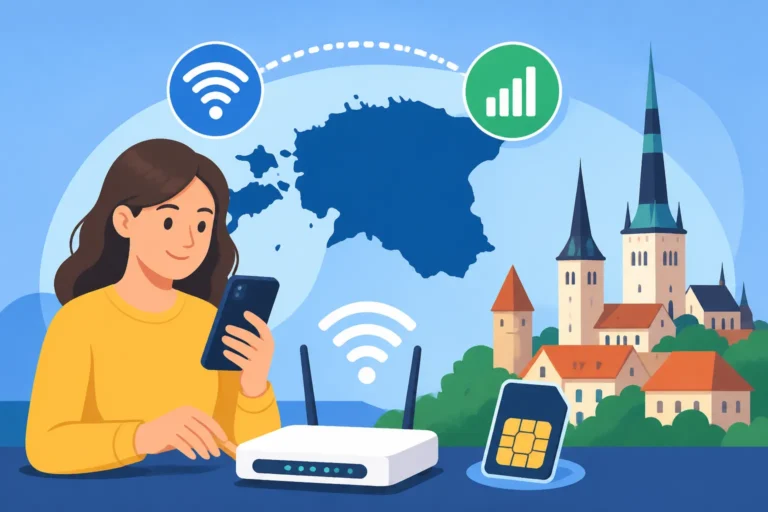
Estonia boasts excellent internet infrastructure, particularly in urban areas, with widespread fibre optic and fast cable connections. The main internet service providers (ISPs) are Telia, Elisa, and Tele2. All three offer a range of packages with varying speeds and prices, often bundled with TV services. Fibre optic (Fiiberoptiline) is the gold standard for speed and reliability, especially if you work remotely or stream a lot. Cable internet is also very common and offers good speeds.
Before choosing, check what types of connections are available at your specific address. You can usually do this by entering your address on the provider's website. If you're in a more rural area or a very old building, mobile internet (using a 4G or 5G router) might be your best or only option, though speeds can vary more. Consider your usage: if you're a single person just browsing, a basic package will do. If you have a family, multiple devices, and demanding online activities, invest in a higher speed. You'll find a detailed guide here: How to Choose a Mobile and Internet Provider in Estonia.
Setting Up Your Home Internet: Installation and Equipment
Once you've selected a provider and a plan, you'll arrange for installation. This usually involves a technician coming to your home to install the necessary equipment (router, fibre converter, etc.) and ensure the connection is working. Installation times can vary, so it's wise to book this as soon as you have a confirmed move-in date. The technician will typically provide a Wi-Fi router, which might be included in your monthly fee or require a one-time purchase or rental fee.
Make sure to clarify who owns the equipment if you move out later. Some older buildings might already have pre-installed wiring, making the process quicker. In some cases, especially in newer developments, the fibre connection might already be terminated inside your apartment, meaning a technician visit is minimal or not even required. Always ask about the setup fee and any recurring equipment rental charges before committing. For more on the specific setup, check out How to Set Up Home Internet and TV in Estonia.
Mobile Phone Plans: Prepaid vs. Postpaid, Data Allowances
Getting a local SIM card is one of the first things many expats do. The same major providers—Telia, Elisa, and Tele2—dominate the mobile market. You have two main options:
- Prepaid (kõnekaart): This is excellent for short stays or if you want flexibility. You buy a SIM card (available at supermarkets, kiosks, and provider stores) and top it up with credit. You can then purchase data, call, and SMS bundles. No contract, no Isikukood needed initially (though registering it can unlock more features). This is a great way to get immediate connectivity, or if you're exploring options like Airalo for eSIMs for immediate data when you land.
- Postpaid (lepinguvaba pakett or liitumine): These are contract-based plans, usually monthly, offering better value for money, especially for data. You'll need your Isikukood and a registered address to sign up. Postpaid plans often come with unlimited calls/SMS within Estonia and larger data allowances.
Estonian mobile plans usually include EU roaming without extra charges, which is a huge bonus if you travel within the EU frequently. When choosing, consider how much data you use, whether you make international calls, and if you prefer the flexibility of prepaid or the cost-effectiveness of a contract. Check out How Do I Set Up a Mobile Plan with Telia or Elisa in Estonia? for more practical tips.
Waste Management and Recycling: Keeping it Clean
Estonia takes waste management seriously, with a strong emphasis on recycling and reducing landfill waste. It's an organised system, but one that new arrivals need to understand to avoid fines or confused neighbours.
Understanding Waste Collection Systems: General Waste, Sorting, Bulky Items
Waste collection in Estonia is typically managed by local municipalities through designated waste management companies. For apartment buildings, this means shared bins, usually located in a designated waste room or outdoors. There will be separate bins for different types of waste. The most common separation is:
- Mixed municipal waste (segaolmejäätmed): This is your general household waste that cannot be recycled.
- Packaging (pakendijäätmed): For plastic, metal, and carton packaging. These bins are often yellow or have specific markings.
- Paper and cardboard (paber ja kartong): Separate bins for newspapers, magazines, cardboard boxes, etc.
It's common for your apartment association to arrange waste collection, and the costs will be included in your kommunaalkulud. If you live in a house, you will typically need to arrange a contract directly with a local waste management company (e.g., Ragn-Sells, Eesti Keskkonnateenused) for your household bins. They will provide bins and schedule regular pick-ups. Make sure you understand the collection schedule and what goes where. Fines can be imposed for improper sorting, so it's worth getting it right from the start.
Recycling in Estonia: What Goes Where
Estonia places a significant emphasis on recycling, and proper sorting is expected. Beyond the basic paper and packaging, you'll also find collection points for:
- Glass packaging (klaaspakend): Often separate bins for clear, green, and brown glass.
- Bio-waste (biojäätmed): Food scraps and garden waste. Some apartment buildings have dedicated bio-waste bins, especially in areas where this is mandatory.
- Deposit packaging (pandipakend): This is very important! Most plastic (PET), glass, and metal beverage containers (bottles, cans) have a small deposit (usually €0.10) added to their price. You can return these to reverse vending machines (taaraautomaat) found in most supermarkets to get your deposit back. This system is incredibly efficient and widely used. Look for the "Deposit" symbol on the packaging.
Many apartment buildings will have these dedicated bins on-site. If not, public collection points (jäätmejaam) for various types of waste are scattered throughout cities and towns. A quick search on your municipality's website (e.g., Tallinn.ee or Tartu.ee) will show you the nearest drop-off locations.
Special Waste and Disposal: Electronics, Hazardous Materials
For items that don't fit into standard recycling bins, Estonia has specific disposal routes.
- Electronics (elektroonikaromu): Old computers, TVs, phones, and other electronic devices should not go into general waste. Many larger electronics stores offer free take-back services for old electronics when you purchase a new one. Additionally, most jäätmejaam (waste stations) accept electronics for proper recycling.
- Hazardous waste (ohtlikud jäätmed): This includes batteries, light bulbs, paints, chemicals, and medicines. Small batteries and light bulbs can often be dropped off at designated collection points in supermarkets or pharmacies. Medicines should be returned to pharmacies. For larger quantities or other hazardous materials, you'll need to take them to a jäätmejaam. Never dispose of these in regular bins or down the drain.
- Bulky waste (suurjäätmed): Large items like old furniture, mattresses, or appliances that don't fit in standard bins. Your korteriühistu might arrange special collection days, or you can take them to a jäätmejaam yourself. Some municipalities also offer a bulky waste collection service for a fee.
Understanding these different categories is crucial for responsible waste disposal and to avoid issues with your apartment association or local authorities.
Navigating Utility Payments and Support
Once everything is set up, managing your utility bills and knowing who to contact for help is the next step. Estonia's digital infrastructure generally makes this quite smooth, but initial interactions can still be a challenge.
Digital Payments: Online Banking, e-Invoices
One of the greatest benefits of Estonia's digital society is the ease of making payments. Most utility providers strongly encourage, and often default to, electronic billing and payments.
- e-Invoices (e-arved): Many providers send e-invoices directly to your bank. You can set up automatic payments (e-arve püsimakse) through your online banking portal, so bills are paid automatically each month. This is incredibly convenient and ensures you never miss a payment, avoiding late fees.
- Online Banking: You can always log into your bank's online platform and manually pay bills using the provided reference numbers. This gives you more control if you prefer to review each bill before payment.
- Self-Service Portals: Most utility companies have robust online self-service portals where you can view your bills, track consumption, update your details, and make payments. Access is typically via your Isikukood, ID card, or Mobile-ID.
Getting a local bank account is highly recommended for smooth utility payments. While services like Wise (formerly TransferWise) or Revolut are great for international transfers, a local Estonian bank account with e-invoice capabilities will simplify your life immensely for recurring domestic payments.
Troubleshooting and Customer Service: Language Barriers and Seeking Help
Despite the digital efficiency, problems can and do arise. Your internet might go down, your heating might not work, or you might have a question about a puzzling bill.
- Language: As mentioned, this is often the biggest hurdle. Many larger providers like Telia, Elisa, Eesti Energia, and Tallinna Vesi have English-speaking customer support lines or dedicated email addresses. Always check their website for this information first. If not, having a local friend or colleague make the call for you can be a lifesaver.
- Channels: Customer service is typically available via phone, email, and sometimes online chat. For more complex issues, visiting a physical customer service centre (e.g., Telia or Elisa shops in shopping malls) can be helpful, as you can communicate face-to-face.
- Apartment Association: For issues related to heating, water, general building maintenance, or your kommunaalkulud bill, your first point of contact should always be your apartment association (korteriühistu) board or manager. They are responsible for the building's shared services and can often resolve issues or direct you to the right technician.
Keep a list of your utility provider customer service numbers and your apartment association's contact details handy. It saves a lot of scrambling when an unexpected problem hits.
Changing Providers or Moving Out: The Cancellation Process
When the time comes to change providers or move out of your apartment, understanding the cancellation process is crucial to avoid ongoing charges.
- Notice Period: Most utility contracts (electricity, internet, mobile postpaid) have a notice period for cancellation, typically 30 days. Read your contract carefully to understand this. You'll need to inform your provider in writing or through their self-service portal.
- Final Readings: Before moving out, take final meter readings for electricity and water (if you have individual contracts). Share these with your provider and your landlord to ensure you're only billed up to your move-out date.
- Equipment Return: For internet and TV, you will likely need to return the provider's equipment (router, TV box). Failure to do so can result in charges. They will usually provide instructions on how and where to return it.
- Apartment Association: Inform your korteriühistu of your move-out date so they can issue a final kommunaalkulud bill and correctly transfer responsibilities for the next tenant.
- Moving Services: If you're relocating within Estonia or abroad, services like Sirelo can be really helpful for coordinating all aspects of your move, including utility transfers and cancellations. They offer useful checklists and resources that can streamline what can otherwise be a complicated process.
A smooth exit from your utility contracts is just as important as a smooth setup. Don't leave it to the last minute!
Cost of Utilities in Estonia: What to Expect
Understanding the cost of utilities is essential for budgeting, especially if you're comparing the cost of living in Estonia with other countries. Prices can fluctuate, particularly for energy, but here's a general overview.
Average Monthly Costs: Breakdown for Different Utility Types
The exact costs will, of course, depend heavily on your consumption habits, apartment size, location, and the efficiency of your building. However, here's a general breakdown to help you budget:
| Utility Type | Average Monthly Cost (Estimated for a 1-2 person apartment in Tallinn) | Notes |
|---|---|---|
| Electricity | €30 – €70+ | Varies greatly with usage, appliance efficiency, and market price (if on variable plan). Higher in winter if electric heating is used. |
| Heating | €50 – €150+ (Winter) / €0 – €20 (Summer) | District heating common; cost depends on apartment size, building insulation, and outdoor temperature. Can be zero in summer if no hot water recirculation or minimal shared heating. |
| Water & Wastewater | €15 – €30 | Based on individual consumption. Relatively stable throughout the year. |
| Internet | €25 – €45 | Varies by speed and provider. Often bundled with TV. |
| Mobile Phone | €10 – €30 | Prepaid can be cheaper if usage is low; postpaid offers better value for high data/calls. |
| Waste Management | €5 – €15 | Often included in kommunaalkulud for apartments. Covers general waste and recycling. |
| Kommunaalkulud | €80 – €250+ (Winter) / €50 – €100 (Summer) | This is your apartment association bill, bundling heating, water, waste, common area electricity, maintenance, and possibly other fees. This is the biggest variable, especially between winter and summer. For a deeper understanding, refer to The Complete Guide to Cost of Living in Estonia for Expats (2026). |
| Total Estimate | €180 – €450+ | This range is broad due to significant seasonal variation in heating and individual lifestyle choices. |
Seasonal Variations: Impact of Winter on Heating Bills
This is perhaps the single most important factor to consider when budgeting for utilities in Estonia. Estonian winters are long and cold, and heating bills can easily triple or quadruple your total utility costs compared to summer. What might look like an affordable apartment in July could come with a hefty kommunaalkulud bill in January.
Factors influencing your heating bill include:
- Building insulation: Newer, well-insulated buildings will be more energy-efficient.
- Apartment size: Larger apartments naturally require more heat.
- Individual control: Some modern apartments allow you to control and meter your own heat consumption, offering more control over costs. Many older buildings, however, have central heating that's less flexible.
- Outside temperature: A particularly harsh winter will drive up everyone's heating costs.
Always ask your landlord or the apartment association for average kommunaalkulud bills for both summer and winter months when looking at a place. This will give you a much more realistic picture of the actual cost of living.
Tips for Saving Money: Energy Efficiency and Smart Choices
While some costs are fixed, there are definitely ways to keep your utility bills in check:
- Be Mindful of Heating: If you have individual heating controls, use them wisely. Don't overheat your apartment. A comfortable 20-22°C (68-72°F) is often sufficient. Consider wearing warmer clothes indoors in winter instead of cranking up the heat.
- Unplug Electronics: "Vampire drain" from electronics left plugged in can add up. Unplug chargers, TVs, and other appliances when not in use.
- LED Lighting: Switch to energy-efficient LED bulbs if your apartment still uses older incandescent or halogen lights.
- Water Usage: Take shorter showers and fix any leaky faucets.
- Compare Electricity Providers: Don't just stick with the first one. Use comparison websites (though they might be in Estonian) or check the main providers' current offers.
- Proper Insulation: If you own your home, investing in better window seals and insulation can dramatically reduce heating costs. For renters, ensuring windows and doors are properly sealed can make a difference.
- Review Mobile/Internet Plans: Periodically check if your current mobile or internet plan still suits your needs, or if a competitor (or even your current provider) has a better deal. Don't pay for speeds or data you don't use.
- Recycle Diligently: This saves on general waste disposal costs (which are typically higher) and helps the environment.
By being proactive and mindful, you can definitely soften the blow of those Estonian winter utility bills!
Disclaimer
The information provided in this guide is for general informational purposes only and is based on typical scenarios and current practices in Estonia. Utility costs, provider offerings, and regulations can change. While every effort has been made to ensure accuracy, this content does not constitute professional advice. We strongly recommend verifying all information with official sources, utility providers, and relevant authorities, especially regarding specific contract terms and personal circumstances.