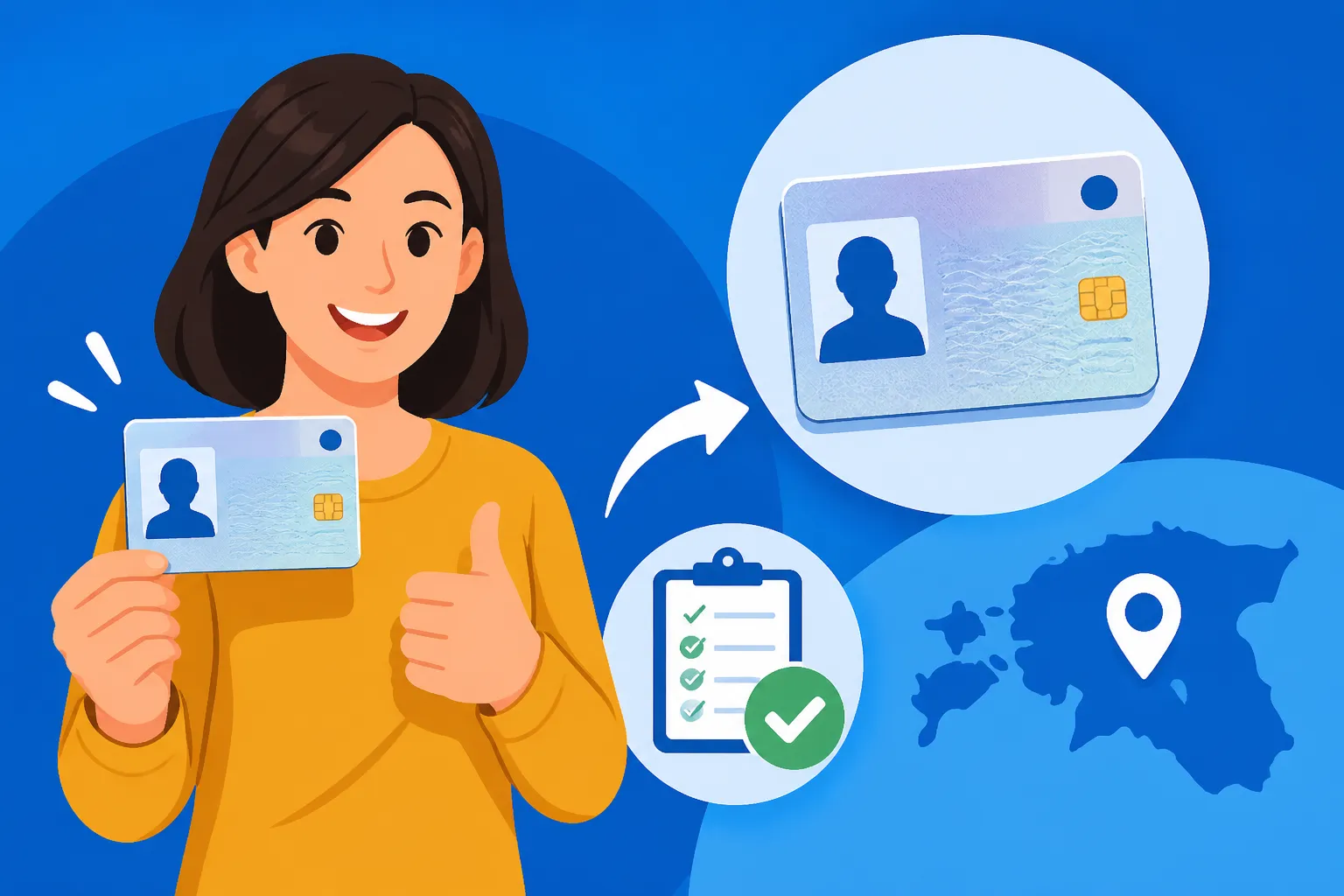
How Do I Get My Residence Card After Approval in Estonia?
You’ve done it! You’ve navigated the labyrinthine application process, submitted all your documents, probably waited with bated breath, and finally, the good news has arrived: your residence permit for Estonia has been approved. It’s a huge relief, a moment to celebrate, but then a new question pops up – how do you actually get your hands on that physical residence card? This guide is here to walk you through those crucial final steps, from the moment of approval to holding that little piece of plastic that officially makes Estonia your home.
Understanding the Approval Notification and What Comes Next
Getting that 'approved' notification after what often feels like an eternity of waiting is a moment of pure joy for any expat. It's the official green light, telling you that the Police and Border Guard Board (PPA) has given its blessing to your stay in Estonia. But don't rush to the nearest PPA office just yet; there are a few more vital steps to complete before that card is in your wallet.
Receiving Your Approval Confirmation
The PPA typically sends out approval notifications electronically, often to the email address you provided in your application. This email is usually brief, confirming your application status has changed to 'approved' and outlining the very next steps you need to take. It's important to remember that this email is not your residence card itself, nor does it mean your card is immediately ready for pickup. It's merely the confirmation that the decision has been made in your favour.
For some, especially if you applied while already in Estonia, you might also be able to check your application status through the PPA's self-service portal. It’s a bit like tracking a parcel – seeing that 'approved' status online brings a sense of accomplishment. This confirmation essentially initiates the process of manufacturing your physical residence card, which contains all your personal details, biometric data, and acts as your official identification document in Estonia, as well as a travel document within the Schengen area. The card production isn't instantaneous; it's a security-intensive process that takes time, so patience is key even after approval.
The Role of the Police and Border Guard Board PPA
The PPA, or the Politsei- ja Piirivalveamet, is your main point of contact for everything related to residence permits and identity documents in Estonia. They are the authority that processes your application, makes the approval decision, produces the physical cards, and ultimately handles their distribution. Think of them as the gatekeepers, ensuring everything is by the book. Their website, ppa.ee, is an invaluable resource, offering detailed information, service hours, and, most importantly, the portal for booking appointments.
It's common for expats to feel a bit daunted by the PPA – the offices can seem a bit stern, and the processes very formal. But remember, their staff are generally helpful, and they deal with foreigners all day long. Their role is to ensure national security and proper legal residency, so while it might feel bureaucratic, it's all part of the process. They are also responsible for collecting your biometric data, which is a mandatory part of getting your residence card. Without the PPA, there would be no card, so understanding their function and how to interact with them is paramount.
Booking Your Biometrics and Card Collection Appointment
Once you’ve received that sweet approval notification, your next critical step is to schedule an appointment with the PPA. This isn't just for picking up your card; it’s primarily for providing your biometric data (fingerprints and facial image) if you haven't done so already, or if your previous biometrics have expired.
Why Biometrics Are Essential
Biometrics are an integral part of modern identification documents, and your Estonian residence card is no exception. These unique physical characteristics, specifically your fingerprints and a high-resolution facial image, are embedded in the chip of your card. This isn't just for show; it's a vital security measure. It links you unequivocally to your identity document, making it incredibly difficult for someone else to fraudulently use your card.
For you, the expat, it means peace of mind knowing your identity is secure. For the authorities, it’s a critical tool in preventing identity theft and ensuring smooth border crossings within the Schengen zone. If you've already provided biometrics during the initial application, the PPA might still require you to submit new ones, especially if a significant amount of time has passed or if the previous ones weren't considered up to standard for the card's production. Don't stress too much about this; the PPA staff are experts at guiding you through the process, which usually takes only a few minutes.
Navigating the PPA Booking System
Booking your appointment with the PPA is typically done online, and honestly, it’s usually the most straightforward part of the entire bureaucratic dance in Estonia. Head over to the official PPA website, ppa.ee, and look for their e-booking system. You'll need to select the right service – usually something along the lines of "Identity documents issuance/collection" or specifically for "residence permit card biometrics and collection."
When booking, you’ll choose your preferred PPA service point (Tallinn has several, like Pinna 4 or Tammsaare 145, and other major cities like Tartu and Pärnu also have them). Pick a date and time that works for you. Make sure you use the exact name and date of birth that matches your application, as this is how they'll find your file. It's a good idea to book this as soon as you receive your approval, as appointment slots, especially in Tallinn, can fill up quickly.
When you go to your appointment, remember to bring your valid travel document (usually your passport) and any previous residence permit you might have held. If you want a deeper dive into the booking process, check out our guide on How to Book an Appointment at the Police and Border Guard Board (PPA).
The Waiting Period for Card Production
Once your biometrics are taken and your data is processed, the physical production of your residence card begins. This is not an on-the-spot process. The cards are manufactured centrally to high-security standards, and then distributed to the PPA service points. The standard waiting period for a residence card can be up to 30 days. In some cases, if you paid for an expedited service during your initial application, it might be shorter, perhaps around 10 working days, but this often comes with an extra state fee and isn't always available or necessary for all types of permits.
It's crucial not to simply show up at the PPA expecting your card. You will typically receive another notification – either an email or an SMS – when your card is actually ready for collection at the PPA office you designated. This notification is your cue to schedule a second, separate appointment specifically for collection, or sometimes, if you're lucky, your initial biometrics appointment might also cover collection if the card is ready in time. Always double-check the instructions in your approval email or the PPA website.
Here's a quick overview of potential waiting times:
| Service Type | Estimated Production Time | Cost Implications (State Fee) |
|---|---|---|
| Standard Processing | Up to 30 calendar days | Included in initial fee |
| Expedited Processing | Up to 10 working days | Additional fee may apply |
| Emergency Processing | Varies (cases only) | Significant additional fee |
Remember, these are estimates, and unforeseen circumstances can sometimes lead to slight delays. But generally, the PPA is quite efficient.
Collecting Your Residence Card and Activating Your ID
The day your card is ready for pickup is like Christmas for an expat. It’s the final physical manifestation of all your hard work and patience. But even once it's in your hand, there’s one more critical step to fully unlock its power: activation.
The Collection Process at PPA
When you receive the notification that your card is ready, you'll need to head back to the PPA service point you chose. Just like your biometrics appointment, it’s wise to book a specific slot for collection via their online system, even if the queue usually moves faster for pickups.
What to bring:
- Your valid travel document: Most likely your passport. This is crucial for verifying your identity.
- Your previous residence permit card (if applicable): If you’re renewing, they will usually ask for your old card to invalidate it.
- Your appointment confirmation: Either printed or on your phone.
At the PPA counter, the process is usually quick. They’ll verify your identity, hand over your brand-new residence card, and likely give you a sealed envelope containing your PIN codes. Take a moment to inspect your new card: check your name, date of birth, photo, and residence type for any errors. While rare, mistakes can happen, and it’s much easier to address them on the spot. If you find an error, immediately inform the PPA officer.
Activating Your Residence Card's Digital Functions
Receiving your residence card is only half the battle. The real magic of living in Estonia often lies in its digital services, and your card is your key to unlocking them. Along with your physical card, you'll be given a set of sealed PIN envelopes. These contain three essential PINs:
- PIN1: Used for authentication (e.g., logging into
eesti.eeor online banking). - PIN2: Used for digital signing (e.g., signing documents or making official declarations).
- PUK code: Used to unlock your card if you enter PIN1 or PIN2 incorrectly too many times.
You'll need a card reader and the ID-software installed on your computer to activate and use these digital functions. This software is freely available from id.ee. Once installed, you insert your card into the reader, launch the software, and use your PINs to set up your digital identity. This digital ID is what connects your physical card to the vast array of Estonian e-services.
Your personal code, or isikukood, is fundamental to virtually all aspects of life in Estonia, from healthcare to banking, and your residence card is linked to it. Understanding How to Get Your Isikukood (Personal Code) and Why It Matters for Healthcare is key to integrating into Estonian digital life. The digital functions of your residence card allow you to access services like the Digilugu (digital health record), register companies, pay taxes, and even vote. It’s an incredibly powerful tool that exemplifies Estonia’s digital prowess. Getting comfortable with Navigating Estonia's Digital Healthcare System: An Expat's Roadmap (2027) is a prime example of how you'll use these digital functions.
Immediate Steps After Receiving Your Card
With your residence card in hand and its digital functions activated, you're officially good to go. However, there are a few important administrative tasks you should tackle immediately:
- Register Your Place of Residence: This is absolutely crucial. You are legally required to register your place of residence with the local government within one month of receiving your permit or moving to Estonia. This ensures you're added to the Population Register, which in turn grants you access to local services, free public transport in Tallinn (if applicable), and crucially, initiates your eligibility for Tervisekassa (Estonian Health Insurance Fund) if you're employed. Our comprehensive guide on Registering Your Place of Residence in Estonia: The Complete Guide breaks down this process step-by-step.
- Notify Your Employer/Bank/Service Providers: If you applied for your permit from outside Estonia, or if your circumstances changed, inform your employer that your permit is now active. Similarly, if you had a temporary bank account or services awaiting your permanent ID, update them with your new residence card details.
- Consider Moving Logistics: For many, getting the residence card means the final step of their relocation is complete. If you’re still planning your move or need to finalize your living situation, reputable moving services like Sirelo can help with everything from international relocation to local transport, ensuring your transition is as smooth as possible. You might also want to review The Complete Guide to Moving to Estonia: Your First 90 Days (2027) for other immediate to-dos.
Common Hurdles and Troubleshooting for Expats
Even after getting approval, the journey isn't always perfectly smooth. Many expats encounter minor hiccups or unexpected delays. It's totally normal to feel frustrated when bureaucracy throws a curveball, but knowing what to expect and how to react can save you a lot of headaches.
Dealing with Language Barriers and Bureaucracy
Let's be real, navigating any country's administrative system can be a challenge, and Estonia is no different. While many PPA staff speak excellent English, there might be times you encounter someone who struggles, or forms that are only available in Estonian. This can be frustrating, especially when you're dealing with something as important as your identity documents.
My best advice here is always to be polite and patient. A little kindness goes a long way. If possible, bring an Estonian-speaking friend with you to appointments, or have a translation app handy. Don't be afraid to ask for clarification if you don't understand something. The PPA generally aims to be helpful, but they operate within strict rules. Remember that you’re not alone in feeling this way; it’s a shared expat experience across the globe.
What if There's a Delay or Issue?
Despite best efforts, sometimes things just take longer than expected. If your card hasn't arrived within the estimated timeframe, or you haven't received a pickup notification, don't panic.
- Check online: First, log into the PPA's self-service portal (if you have an Estonian ID card or Mobile-ID) to check the latest status of your application.
- Contact PPA: If the online status isn't clear, or you're past the expected date, reach out to the PPA directly. You can find their contact details (phone numbers and email addresses) on their website. Be prepared to provide your application number and personal details.
- Card Errors: In the rare event that your card has an error (e.g., misspelled name, wrong date of birth), report it immediately to the PPA. They will guide you through the process of getting a corrected card issued, which might involve a new production cycle.
It's always better to inquire proactively than to wait indefinitely. Keep a record of all correspondence and appointment details.
Importance of Valid Health Insurance
While not directly related to the physical collection of your residence card, maintaining valid health insurance is an absolutely critical requirement for anyone living in Estonia with a residence permit. Your residence permit status directly impacts your eligibility for the Estonian Health Insurance Fund (Tervisekassa), which is the public healthcare system.
Often, employment in an Estonian company is what primarily provides you with Tervisekassa coverage through social tax contributions. However, there might be waiting periods for new residents, or circumstances where you are not immediately eligible for public insurance. During these periods, or if your permit status changes (e.g., between jobs), it's vital to have private health insurance in place. Companies like Cigna Global offer comprehensive international health insurance plans that can cover you during these transitions or if you prefer private healthcare options. Having this sorted out ensures that you meet your legal obligations and, more importantly, have access to medical care when you need it.
We have many resources on this, including Health Insurance in Estonia: Mandatory, Private and Travel Options Explained, which breaks down all your options. It's also worth noting that there can be Understanding Health Insurance Waiting Periods for New Residents in Estonia, which makes private insurance a smart move during that initial phase. Once you have your card, you'll want to focus on How to Register with the Tervisekassa as a Foreigner in Estonia if you are eligible.
Disclaimer
Please remember that while I strive to provide accurate and up-to-date information based on my experience and available data, rules and regulations in Estonia, particularly concerning immigration and residency, can change. This guide is for informational purposes only and does not constitute legal advice. Always refer to the official websites of the Estonian Police and Border Guard Board (PPA) and other relevant government agencies for the most current and authoritative information. For specific legal advice, consult with a qualified immigration lawyer in Estonia.