How to Choose and Register with a Family Doctor (Perearst) in Estonia
Moving to a new country involves a mountain of paperwork, but few things are as stressful as realizing you do not have a doctor when you actually get sick. In Estonia, the healthcare system is highly efficient but follows a very specific logic that can feel like a black box to newcomers. This guide explains exactly how to navigate the Perearst system so you can secure your primary healthcare without the usual expat headaches.
Understanding the Role of the Family Doctor (Perearst) in Estonia
When you first arrive in Estonia, you might be used to a system where you can call up any specialist—a dermatologist, a cardiologist, or an ENT—and book an appointment directly. In Estonia, things work differently. The Family Doctor, or Perearst, is the absolute sun in the solar system of Estonian healthcare. Everything revolves around them. They are your first point of contact for everything from a persistent cough to mental health struggles or chronic disease management.
The Gatekeeper of the Medical System
The Perearst is more than just a general practitioner; they are the gatekeeper to the rest of the medical world. If you want to see a specialist under the public health insurance umbrella, you almost always need a referral. To understand the mechanics of this, you should look into How E-Referrals (Saatekiri) Work for Specialists in Estonia. Without this digital referral, which your doctor sends directly into the central system, you will find yourself paying out-of-pocket for specialist visits, which can be quite expensive. This gatekeeping role ensures that the public system is not overwhelmed by people self-diagnosing and heading to the wrong departments.
Imagine you have a nagging pain in your knee. You might think you need a surgeon immediately, but your Perearst will first assess you, perhaps order a local X-ray, and try conservative treatments. If those fail, they issue the electronic saatekiri. This streamlined approach is part of what makes the system efficient, but for an expat used to more direct access, it requires a shift in mindset. You have to build a relationship with your doctor because they are the ones who advocate for your further care.
Primary Care vs. Emergency Care
It is a common mistake for expats to head to the Emergency Room (EMO) for non-urgent issues because they haven't registered with a doctor yet. Some people have waited six hours in the EMO for a prescription renewal because they didn't realize that the ER is strictly for life-threatening or acute conditions. Your Perearst is responsible for your "maintenance" care. They handle routine check-ups, vaccinations, and non-acute illnesses.
If you are sick but it isn't an emergency, and you haven't managed to get a doctor yet, you can call the 1220 advice line. This is a vital resource for foreigners. You can learn more about this in our guide on How to Use the Family Doctor Advice Line (1220) in Estonia. The nurses on this line can give advice in English and Russian, helping you bridge the gap until your official registration is processed. However, they cannot replace the long-term benefits of having a designated doctor who knows your medical history.
The Digital Backbone of Your Health
Estonia is famous for its "e-everything," and healthcare is no exception. Your Perearst doesn't just keep a folder of papers in a dusty cabinet. Every interaction, every blood test result, and every hospital discharge summary is uploaded to a central database. This is why Understanding the Digilugu (Digital Health Record) System in Estonia is so important for new residents. Once you are registered with a doctor, they will use this system to track your health over years.
This digital integration means that if you move from Tartu to Tallinn and switch doctors, your new Perearst can see exactly what your previous doctor prescribed or what your last blood sugar reading was. It eliminates the need for you to carry physical files or try to remember the names of medications you took three years ago. It also allows for the "digiretsept" system, which makes getting medicine incredibly easy once your doctor has authorized it.
Eligibility and Prerequisites for Registration
Before you even look for a doctor, there are specific administrative hurdles you must clear. You cannot simply walk into a clinic with a foreign passport and ask to be put on the list. The system is tied directly to your legal residency status in Estonia. If you are here on a short-term basis or haven't finished your paperwork, you might need a temporary solution like SafetyWing to cover your medical costs while you wait for the state system to recognize you.
The Essential Isikukood (Personal Code)
Your journey into the Estonian healthcare system begins with an 11-digit number. This is your Isikukood. Without it, you do not exist in the eyes of the digital health system. Whether you are an EU citizen or here on a work visa, obtaining this code is your very first priority. It is linked to your residence permit and your entry in the Population Register.
For a detailed walkthrough of this process, check out How to Get Your Isikukood (Personal Code) and Why It Matters for Healthcare. Once you have this code, it will be used for every prescription, every doctor’s visit, and every insurance claim. When you fill out the application to join a doctor's list, the very first piece of information they will ask for is this personal code. If you try to apply without one, the clinic will likely reject your application immediately because they cannot bill the state for your care.
Health Insurance Fund (Tervisekassa) Coverage
Registration with a Perearst is technically separate from having health insurance, but in practice, they go hand-in-hand. To get the "free" (tax-funded) visits, you need to be covered by the Tervisekassa. Usually, this happens automatically if you are employed by an Estonian company that pays social tax on your behalf. You can find more details in How Estonia's Health Insurance Fund (Tervisekassa) Works: A Full Overview.
If you are a student, a dependent of a worker, or a pregnant woman, you are also eligible, but the registration process might require extra steps. It is important to note that there is often a waiting period. For example, if you just started a job, your insurance might not kick in for 14 to 30 days. During this limbo period, many expats rely on private providers like SafetyWing to ensure they aren't hit with massive bills if an accident happens before the Tervisekassa status turns "active" in the portal.
What to do if You Are Still Waiting for Public Coverage
What happens if you have moved to Tallinn, started the registration process, but your Tervisekassa isn't active yet? This is a common pain point. You can still register with a Perearst, but you might have to pay for your consultations as a private patient until your insurance is finalized. The costs are generally reasonable—usually between 20 and 50 euros for a standard visit—but if you require diagnostic tests, the price climbs quickly.
This is where having a secondary insurance plan is a lifesaver. SafetyWing is often used by digital nomads and new expats in Estonia specifically for this transition period. It provides a safety net so you don't have to delay seeing a doctor because you are worried about the cost of a private consultation. Once your state insurance is active, you can rely on the public system, but having that initial coverage is a smart move for anyone who doesn't want to gamble with their health during their first month in the country.
How to Find the Right Family Doctor for Your Needs
Finding a doctor in Estonia isn't just about finding someone who is "good"; it's about finding someone who has space on their list and, for many expats, someone who speaks English fluently. The system is divided into service areas, usually based on your registered place of residence in the Population Register.
Navigating the Tervisekassa Lists
The Tervisekassa maintains a public registry of all family doctors in the country. This list tells you which doctors have "open" lists and which are "full." If a doctor's list is full, they are legally allowed to refuse new patients unless you have a family member (like a spouse or child) already on their list. This can be incredibly frustrating in popular neighborhoods like Kalamaja in Tallinn or the city center of Tartu, where the best-rated doctors often have no vacancies.
When looking at the registry, you will see the name of the Understanding the Role of the Family Doctor Centre (Perearstikeskus) in Estonia. These centers often house multiple doctors, nurses, and sometimes even lab facilities. It is often easier to apply to a large center rather than a small, solo practice, as they have more administrative support and are more accustomed to dealing with the documentation required for foreign residents.
Finding English-Speaking Medical Professionals
Language is the biggest barrier for most expats. While many younger Estonian doctors speak excellent English, the administrative staff at the front desk might not. This is a reality you have to prepare for. If you are searching specifically for a practitioner who can communicate clearly with you, read How to Find an English-Speaking Doctor in Estonia.
One pro-tip is to look for doctors who have trained or worked abroad. You can also check expat forums and Facebook groups for recommendations. When you call a clinic, try asking "Kas te räägite inglise keelt?" (Do you speak English?). If the answer is no, don't give up immediately; many clinics prefer communication via email, which allows them to use translation tools or find a colleague who can help. Being polite and patient goes a long way in the Estonian medical system.
Geographic Considerations
In Estonia, your doctor is usually tied to your district. If you live in the Lasnamäe district of Tallinn, the system expects you to choose a doctor there. While you can technically choose a doctor in a different district, they have the right to refuse you if your registered address is outside their service area. This is because the Perearst is technically responsible for home visits in extreme cases, and they cannot be expected to drive across the city.
For those living in smaller towns, the choice might be very limited—sometimes there is only one doctor in the entire village. In contrast, if you are an expat who recently moved to the capital, you should look into How Do I Register with the Tervisekassa After Moving to Tallinn? to see how the local bureaucracy handles the high volume of new residents. Always check the proximity of the clinic to your home or workplace, as you’ll want it to be easily accessible when you’re feeling under the weather.
| Feature | Public Perearst (Tervisekassa) | Private Medical Centers | Temporary Insurance (e.g., SafetyWing) |
|---|---|---|---|
| Cost | Free (with social tax) | 50 – 150 EUR per visit | Coverage for emergencies/illness |
| Referrals | Required for specialists | Not always required | Depends on policy |
| Language | Estonian/Russian (Eng variable) | High English proficiency | International support |
| Wait Times | 1-5 days for GP | Same day / Next day | Reimburses costs |
| Registration | Mandatory application | No registration needed | Simple online sign-up |
The Step-by-Step Registration Process
Once you have identified a doctor who has room on their list and speaks your language, the actual "paperwork" begins. Fortunately, Estonia's digital society makes this relatively painless if you have an ID-card or Mobile-ID.
Filling Out the Application Form (Avaldus)
To join a doctor's list, you must submit a signed application called an avaldus. This form asks for your basic details: name, Isikukood, contact information, and your registered address. You can find the template on the Tervisekassa website. It is a standard document, and most clinics will also have copies at their reception desk.
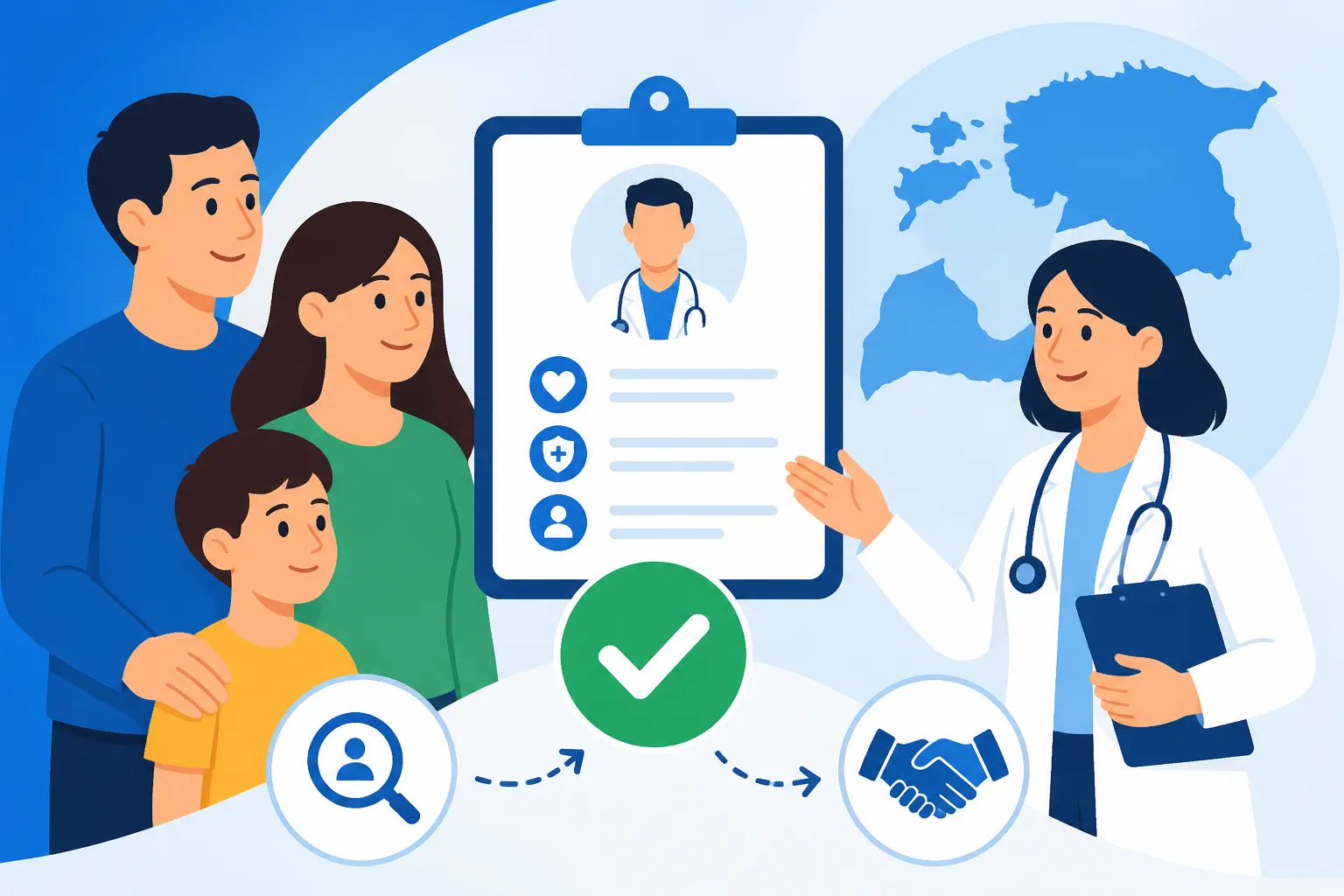
If you are registering your children, you must fill out a separate form for each child. It is highly recommended that the whole family stays with the same doctor to simplify records and appointments. When filling out the form, ensure your phone number and email are correct, as the clinic will use these to confirm your registration. If your Estonian is non-existent, you might want to have a local colleague check the form, though the fields are generally self-explanatory (Nimi = Name, Isikukood = Personal Code).
Submitting Your Documents (Digital vs. In-Person)
This is where Estonia shines. You do not necessarily have to travel to the clinic to hand in a piece of paper. You can digitally sign the avaldus and email it to the clinic's official address. Digital signatures in Estonia are legally equivalent to handwritten ones. If you haven't mastered this yet, you can certainly go in person, but be sure to check the clinic's opening hours first.
If you are a non-EU citizen, it is a good idea to attach a copy of your residence permit to the email. This helps the administrative staff verify your status in the Population Register more quickly. Once you have sent the email, don't expect an immediate reply. The system is efficient, but it isn't instantaneous. Many expats find this "silent" period nerve-wracking, but it is just how the process works.
Understanding the Approval Timeline
By law, a family doctor has seven business days to review your application and notify you of their decision. They will check if their list is full and if you live in their service area. If they accept you, your name will be added to their list in the central database starting from the first day of the following month (in most cases) or immediately if the paperwork is processed quickly.
If they refuse you, they must provide a reason in writing. Usually, the reason is simply that the list is full. If you are struggling to find anyone with an open list, you can contact the Tervisekassa directly, and they are legally obligated to help you find a doctor in your area. They won't necessarily find you the "best" one, but they will ensure you have access to care.
Managing Your Relationship with Your Perearst
Once you are registered, the way you interact with the clinic might be different from your home country. Estonians value efficiency and directness. You won't find a lot of small talk, but you will find a system that works if you follow the rules.
Booking Appointments and Consultations
In many Estonian clinics, you don't always see the doctor first. You might see a family nurse. These nurses are highly trained and can handle many routine issues, from blood pressure checks to basic wound care. When you call to book an appointment, the receptionist will ask about your symptoms to determine whether you need the doctor or the nurse.
If you are acutely ill (fever, sudden pain), most clinics have a "walk-in" hour or "emergency slots" every morning. You should call as soon as the clinic opens (usually 8:00 AM) to secure one of these spots. If it is a non-urgent issue, you might wait a few days or even a week for an appointment. Remember, if you have a private policy like SafetyWing, you might choose to visit a private clinic for faster service if the public wait is too long for your comfort.
Requesting Digital Prescriptions and Sick Leaves
One of the best features of the Estonian system is the digiretsept. If you have a chronic condition, you don't need to visit the doctor every time you need a refill. You can usually call the clinic or send an email, and the doctor will renew the prescription digitally. You then just walk into any pharmacy (Apteek) in the country, show your ID-card, and they pull up your prescription. You can learn more about this in Understanding the Digiretsept (Digital Prescription) System in Estonia.
Similarly, if you are too sick to work, you must notify your doctor on the first day of your illness. They will open a digital sick leave certificate (haigusleht). This is crucial because, without it, you won't get paid for your time off, and your employer won't have a legal record of your absence. The doctor cannot backdate a sick leave certificate, so don't wait three days to call them!
How to Switch Your Family Doctor (Perearst) in Estonia
Sometimes, the "vibe" just isn't right. Maybe your doctor doesn't speak enough English, or the clinic is too far away now that you've moved. You have the right to change your doctor at any time, provided the new doctor has room on their list. The process is exactly the same as the initial registration: you find a new doctor, submit the avaldus, and wait for approval.
For a deeper look at the reasons and mechanics of making a move, see How to Switch Your Family Doctor (Perearst) in Estonia. Your medical records will follow you automatically via the digital health record system, so you don't need to worry about losing your history. It is a very common practice, and you shouldn't feel guilty about seeking a provider who better suits your needs as a foreigner living in Estonia.
Disclaimer
The information provided in this guide is for educational and informational purposes only and does not constitute professional medical or legal advice. While every effort has been made to ensure the accuracy of the details regarding the Estonian healthcare system, regulations and procedures can change. Always consult the official Tervisekassa website or a legal professional for the most up-to-date information regarding your specific residency and insurance status. Health insurance requirements for residence permits should be verified with the Police and Border Guard Board (PPA).