How to Choose a Mobile and Internet Provider in Estonia
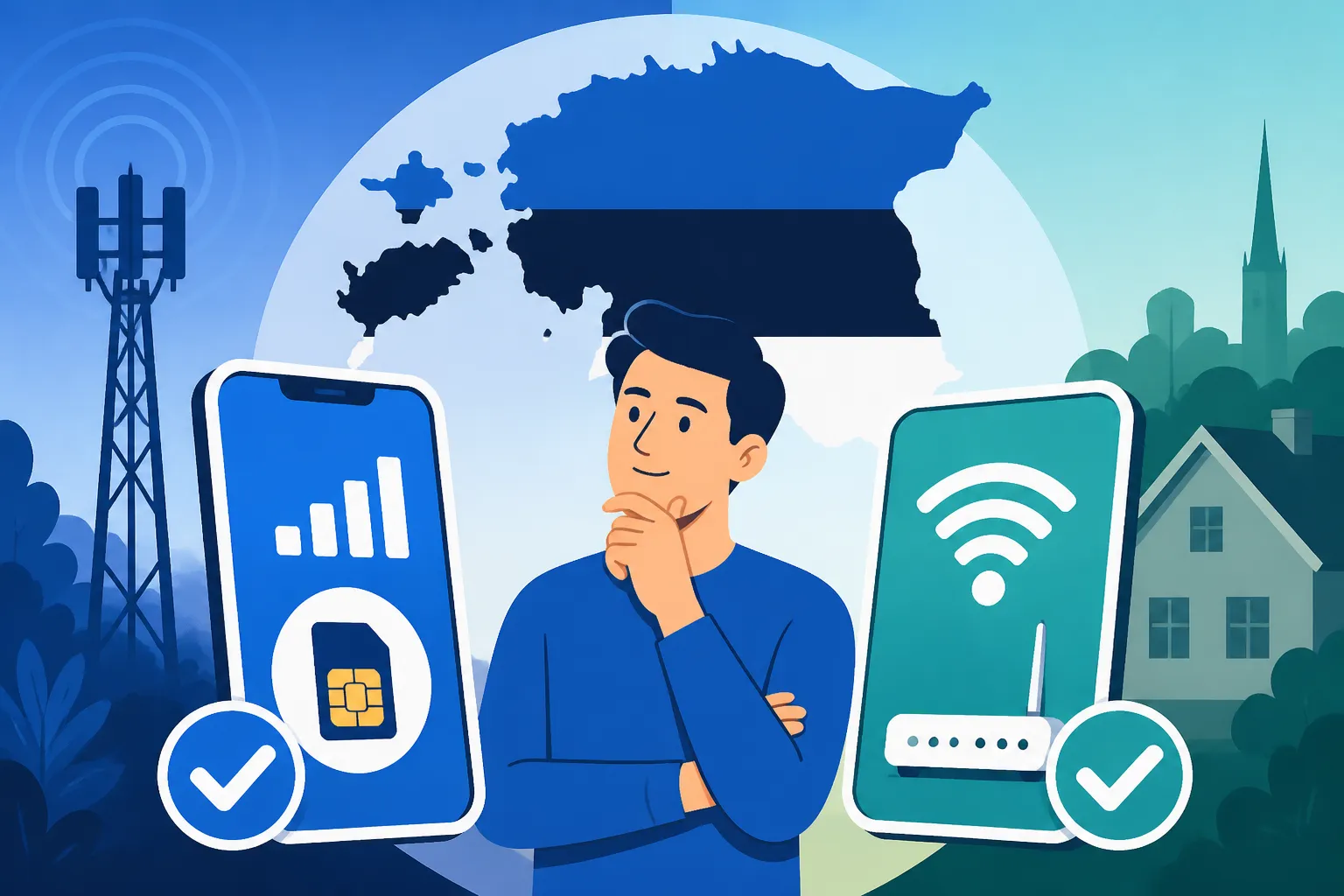
Moving to a new country like Estonia often brings a cascade of administrative tasks, and getting reliably connected with a local phone number and home internet can feel like a surprisingly daunting hurdle. You're trying to set up your new life, deal with bureaucracy, and all you really want is to be able to call a friend or stream your favourite show without your data plan running out or getting hit with ridiculous roaming charges. This comprehensive guide will walk you through everything you need to know about choosing a mobile and internet provider in Estonia, cutting through the confusion so you can stay connected from day one.
Understanding Estonia's Digital Landscape for Expats
Estonia is famous for its digital society, an e-paradise where almost everything from voting to signing documents happens online. This digital-first approach means that reliable internet and mobile connectivity aren't just conveniences; they're absolute necessities for thriving here as an expat. You'll quickly find that most official communication, banking, and even grocery shopping apps rely on you being digitally accessible.
The Importance of Connectivity in Estonia
For an expat, reliable mobile and internet connectivity in Estonia is truly the backbone of daily life. Imagine trying to navigate public transport using Google Maps, order food delivery, or communicate with your child's school without a stable connection – it’s a recipe for instant stress. Estonia’s e-state services, like accessing your Digilugu (digital health record) or filing taxes through e-MTA, are fundamentally built around you being online. Without a reliable connection, you're not just inconvenienced; you're functionally cut off from essential services that locals take for granted. This is particularly true if you’re still grappling with the Estonian language, as many online services can be navigated in English, but phone calls might be more challenging.
Beyond the practicalities, connectivity plays a huge role in your social integration and overall well-being. Keeping in touch with family back home, connecting with other expats, or simply discovering local events requires a smartphone and data. When you first arrive, an Estonian SIM card becomes your lifeline, enabling you to use local apps for anything from buying bus tickets to setting up your utilities. For those looking to get settled, our guide on The Complete Guide to Moving to Estonia: Your First 90 Days offers more advice on immediate priorities.
Key Players in the Estonian Market
The Estonian telecommunications market is dominated by three main players: Telia, Elisa, and Tele2. These are the names you'll see most frequently in shopping centres, online advertisements, and hear mentioned by locals. Each has its own strengths and focuses, catering to slightly different segments of the market. Telia, being the largest, often boasts the most extensive coverage, particularly in more rural areas, and offers a vast array of bundled services including TV and home internet. Elisa is known for its competitive pricing and often innovative service packages, aiming to provide good value for money. Tele2 typically positions itself as the budget-friendly option, appealing to those who want straightforward service without too many frills.
Beyond these giants, there are a few smaller virtual network operators (MVNOs) that use the infrastructure of the main providers, but they are less common for long-term expat setups. For immediate, short-term needs, especially if you're just visiting or on your way, services like Airalo offer eSIMs that can provide instant data connectivity without needing a physical SIM card or local contract, which can be a lifesaver right after landing. However, for true local integration and access to all Estonian services, a local provider is essential.
Decoding Estonian Telecom Terminology
Navigating the local telecom landscape inevitably means encountering a bit of Estonian vocabulary. Don't worry, it's not as complex as it seems once you understand the core terms. "Mobiil-ID" and "Smart-ID" are crucial digital identification tools that allow you to log into banking, e-government services, and even sign documents securely using your phone. While not directly telecom services, your mobile number is intrinsically linked to their setup and use. Understanding these is key for navigating Estonia's advanced digital society, so much so that we have a specific guide on Understanding eesti.ee and Digital Government Services in Estonia.
When looking at plans, you'll hear "piiramatu internet" which means "unlimited internet" – a term often used for data plans. "Kõnekaart" refers to a prepaid SIM card, where you top up credit as needed. "Pakett" means "package" and generally refers to a monthly subscription plan or a bundle of services. "Lepinguvaba" indicates a contract-free service, giving you more flexibility. Knowing these basic terms will empower you to understand service descriptions and ask the right questions, even if your Estonian is still in its nascent stages.
Mobile Connectivity: Options and Considerations
Getting your mobile phone set up is often one of the first things you tackle when you arrive in Estonia. It’s not just for making calls; it’s your gateway to banking, identification, and staying in touch. Understanding your options is key to making the right choice for your lifestyle and length of stay.
Prepaid vs. Postpaid Mobile Plans
Choosing between a prepaid (kõnekaart) and a postpaid (pakett or leping) mobile plan largely depends on your length of stay, your budget, and whether you have an Estonian personal code (Isikukood) yet.
Prepaid plans are fantastic for immediate, short-term needs. You buy a SIM card, load it with credit, and use it until it runs out or expires.
-
Pros for Expats:
- No Contract: You're not tied down, which is perfect if you're unsure how long you'll stay or just need a temporary solution upon arrival.
- No Credit Check: You don't need a formal credit history in Estonia, nor do you typically need an Isikukood to purchase a basic prepaid SIM. This is a huge advantage for new arrivals.
- Budget Control: You can only spend what you've topped up, making it easy to manage costs.
- Easy Access: Prepaid SIMs can be bought in almost any supermarket, R-Kiosk, or petrol station, making them incredibly convenient for instant connectivity.
- Services like Airalo offer similar instant data solutions, which can bridge the gap before you even buy a local prepaid SIM, particularly useful if you need data right off the plane.
-
Cons for Expats:
- Less Value for Money Long-Term: Per-gigabyte or per-minute rates are often higher than postpaid plans.
- Limited Features: May not offer unlimited data, international calls, or integrated digital ID options like Mobiil-ID as standard.
- Inconvenience: Regular topping up can be a hassle, especially if you forget and run out of credit at an inconvenient time.
Postpaid plans, on the other hand, are subscription-based, usually paid monthly, and require a contract.
-
Pros for Expats:
- Better Value: Generally offer more data, minutes, and texts for your money, often with unlimited options.
- Convenience: Automatic monthly payments mean no need to top up; bills are often linked to your bank account. Our guide on How to Open a Bank Account at an Estonian Bank as a Foreigner can help you with this essential step.
- Integrated Digital ID: Most postpaid plans allow you to activate Mobiil-ID, which is invaluable for Estonia's e-services and far more convenient than a physical ID card reader.
- Bundling Options: Often come with discounts if you bundle with home internet or TV services.
-
Cons for Expats:
- Requires an Isikukood: Almost all postpaid contracts require a valid Estonian personal identification code. This means you need to have officially registered your residence in Estonia first, which can take a little time. You can learn more about this in How to Get Your Isikukood Personal Code and Why It Matters for Healthcare.
- Credit Check: Providers might perform a credit check, which can be tricky if you have no local financial history.
- Contractual Obligation: You're locked into a contract, usually for 12 or 24 months, with potential penalties for early termination.
For expats, the common pathway is to start with a prepaid SIM for immediate needs and then transition to a postpaid plan once your Isikukood is secured and you're settled for the longer term.
Major Mobile Providers and Their Offerings
Let's dive into the specifics of what Estonia's big three mobile providers bring to the table. While their offerings frequently change, the general characteristics remain quite consistent.
Telia: As Estonia's largest telecommunications company, Telia often provides the most robust network coverage, especially important if you plan to venture outside of major cities. They typically offer a wide range of plans, from basic calls and SMS to comprehensive unlimited data packages. Telia is excellent for those who want a one-stop-shop for all their connectivity needs, bundling mobile, home internet, and TV. Their customer service infrastructure is well-developed, and they generally offer good English support, though wait times can vary. Prices can sometimes be a bit higher than competitors, but many see it as a trade-off for reliability and a wider array of digital services. They also tend to have the latest phone models available on contract.
Elisa: Elisa has carved out a strong niche as a competitive and often value-oriented provider. They frequently run promotions and offer attractive bundles, making them a popular choice for those looking for a good balance between cost and service. Elisa's network coverage is extensive across urban and suburban areas, and they've been investing heavily in 5G infrastructure. Their plans are often flexible, with options for different data allowances and unlimited variants. Customer service generally has good reviews for being responsive, and English support is usually available. They also offer bundling options for home internet and TV, often at a more aggressive price point than Telia.
Tele2: For the budget-conscious expat, Tele2 often presents itself as the most affordable option. Their plans typically focus on straightforward mobile service with competitive prices for data and calls. While their network coverage is generally very good in populated areas, it might not be as extensive as Telia's in very remote parts of the country. Tele2's strength lies in its simplicity and cost-effectiveness; if you're not looking for complex bundles or the absolute latest digital services, they can be a great choice. English customer support is available, but sometimes more limited in scope compared to the other two.
To give you a snapshot, here's a general comparison table. Please note: prices and specific features are illustrative and subject to change. Always check the providers' official websites for the most current offers.
| Feature / Provider | Telia | Elisa | Tele2 |
|---|---|---|---|
| Network Coverage | Best, especially rural and remote areas | Excellent in urban/suburban, good rural | Good in urban/suburban, adequate rural |
| Price Point | Mid-to-High | Mid-to-Low, competitive | Low, budget-friendly |
| Data Plans | Wide range, many unlimited options | Good range, attractive unlimited bundles | Value-focused, often unlimited options |
| Bundling | Excellent (mobile, internet, TV) | Good (mobile, internet, TV) | Less emphasis on multi-service bundling |
| Digital Services | Strong (Mobiil-ID, Smart-ID integration, etc.) | Good (Mobiil-ID, Smart-ID integration) | Basic (Mobiil-ID, Smart-ID integration) |
| Customer Support | Extensive, good English support | Responsive, good English support | Available, variable English support |
| Typical Monthly Cost (Unlimited Data) | €25-€35+ | €20-€30+ | €15-€25+ |
Activating Your Mobile Service and Getting an Estonian Number
The process of getting your mobile service up and running in Estonia is generally quite streamlined, thanks to the country's digital infrastructure.
If you're opting for a prepaid SIM card (kõnekaart), the process is simple:
- Purchase: Head to any R-Kiosk, supermarket (like Selver, Prisma, Rimi), or petrol station. Look for the prepaid SIM card kits from Telia, Elisa, or Tele2.
- Registration (Basic): For some basic prepaid SIMs, you might not need to register with ID immediately, but for full functionality (and to enable things like Mobiil-ID later), you will usually need to register your card with your personal identification document (passport or ID card). This can often be done online or at a provider's store.
- Top-Up: You can top up your credit at the same places you bought the SIM, online via the provider's website, or through your bank's online portal using the SIM card number.
For a postpaid contract (pakett), the steps are a bit more involved, requiring more formal identification:
- Isikukood: You absolutely need an Estonian personal identification code (Isikukood). This means you must have already registered your place of residence in Estonia with the local government. Without it, signing a long-term contract is almost impossible.
- Documents: You'll need your passport or Estonian ID card, proof of your registered residence, and possibly proof of income if they conduct a credit check.
- Visit a Store: It's highly recommended to visit a physical store of your chosen provider (Telia, Elisa, Tele2). This allows you to speak with a customer service representative, ask questions in English, and get immediate assistance with signing the contract and activating your SIM. They can guide you through the available plans and any current promotions.
- Online Application: Some providers might offer online application forms, but for an expat, especially if you're new to the country, an in-person visit minimizes potential misunderstandings and speeds up the process.
- Activation: Once the contract is signed and approved, your new SIM card will be activated, often on the spot.
Remember, having your Isikukood (Personal Code) and Why It Matters for Healthcare is not just for healthcare; it's fundamental for almost all long-term services, including mobile contracts, banking, and registering your vehicle.
Home Internet: Navigating the Options
Once you’ve sorted out your mobile connectivity, setting up home internet is the next big step, especially if you're planning to work remotely or just enjoy streaming in your new Estonian abode. The options are generally good, but knowing what's available and suitable for your needs is crucial.
Types of Home Internet Connections Available
Estonia, being a digitally advanced nation, offers a variety of home internet connection types, each with its own advantages and limitations.
-
Fibre Optic (Optika): This is the gold standard of home internet in Estonia, offering the fastest and most reliable speeds. Fibre optic cables transmit data using light, providing incredibly low latency and symmetrical upload/download speeds (meaning upload speeds are often as fast as download speeds).
- Pros: Blazing fast speeds (up to 1 Gbps or even more), extremely reliable, ideal for heavy streaming, online gaming, and remote work involving large file transfers or video conferencing. It’s also excellent for households with multiple users and devices.
- Cons: Availability can be limited outside of major cities or newer apartment buildings. Installation can sometimes involve drilling or wiring, and if your building isn't pre-equipped, the setup costs can be higher or even impossible.
- Suitability: Best for anyone requiring high performance, consistency, and future-proofing their internet connection.
-
Cable Internet: Delivered via coaxial cables, similar to traditional cable TV connections. This is a very common type of internet connection, especially in older apartment buildings.
- Pros: Generally reliable and offers good speeds (up to several hundred Mbps). Widely available in many residential areas. Installation is often straightforward if your building is already wired for cable.
- Cons: Speeds can sometimes be affected by network congestion during peak hours, and upload speeds are typically slower than download speeds.
- Suitability: A solid choice for most households, providing ample speed for streaming, browsing, and general online activities.
-
DSL (Digital Subscriber Line): This uses traditional copper telephone lines to transmit data. It's an older technology but still available in areas where fibre or cable hasn't reached.
- Pros: Very widely available, even in some more rural locations where other options are scarce.
- Cons: Significantly slower speeds compared to fibre or cable, and performance can degrade with distance from the telephone exchange. Not ideal for heavy internet users.
- Suitability: Only really recommended if other, faster options are not available, or for very light internet usage.
-
4G/5G Home Internet (Püsi-internet): This option uses a mobile network to provide internet to your home via a special router. It's essentially a high-speed mobile hotspot for your entire residence.
- Pros: Quick to set up (often plug-and-play), no need for extensive wiring, and highly portable within Estonia (you can take the router with you to a summer cottage, for example). Great for temporary residences or areas without fixed-line infrastructure.
- Cons: Speeds can vary depending on network congestion and signal strength in your specific location. Data limits might apply, or "unlimited" plans might have fair usage policies that throttle speed after a certain threshold. Can be less stable than fixed-line connections.
- Suitability: Excellent for those in rural areas, short-term rentals, or as a secondary/backup connection.
When setting up your general utilities, our article The Expat Guide to Setting Up Utilities in Estonia offers a broader overview, but home internet is a beast of its own, especially with the different connection types.
Choosing the Right Provider for Your Apartment or House
Selecting the right home internet provider in Estonia goes beyond just comparing speeds and prices. You need to consider the infrastructure of your specific building, your usage habits, and where you live.
First, check availability at your address. This is paramount. Fibre optic might be available on one street but not the next. Providers like Telia, Elisa, and Tele2 (who primarily use mobile networks for home internet but also resell fixed-line connections) have online tools where you can enter your address to see what services are available. If you're renting, the landlord or apartment association (korteriühistu) should be able to tell you what connections are already wired into the building. Sometimes, only one provider has laid the fibre in a particular building, limiting your choice for the absolute fastest speeds.
Consider your internet usage. Are you a solo expat who mostly browses and checks emails? A moderate speed cable connection might be perfectly fine. Do you have a family with multiple devices, all streaming, gaming, and video calling simultaneously? Fibre optic is likely your best bet to avoid frustration. If you're a remote worker, especially in a data-intensive field, reliability and high upload speeds (which fibre excels at) are non-negotiable.
Bundling is another major factor. If you plan to get mobile service, home internet, and TV, you can often save money by getting all of them from the same provider. Telia and Elisa are particularly strong in offering these comprehensive packages. Think about your entertainment needs too; if you want specific TV channels or services, ensure your chosen provider offers them in their bundles.
Finally, read reviews and ask around in expat groups. While official statements are one thing, real-world experiences with reliability and customer service can be invaluable. Many expats appreciate providers who offer good English language support, especially during installation or if troubleshooting is needed.
Installation Process and Potential Pitfalls
Getting your home internet installed in Estonia is usually a fairly smooth process, but knowing what to expect can help manage any potential expat-specific frustrations.
Once you’ve chosen a provider and plan, you'll typically schedule an installation appointment. Most providers offer a few time slots, but these are often during working hours. Expect a technician to visit your home. If you're in an apartment building, they might need access to communal areas or a wiring closet. The installation usually takes a few hours, involving connecting the service to your router and ensuring everything is working.
Language can be a pitfall. While most providers will have English-speaking customer service over the phone, the installation technician who shows up at your door might not be fluent in English. Having a translation app handy or a friendly Estonian-speaking neighbour on standby can be incredibly helpful for communicating specific needs or understanding instructions. Don't be shy about clarifying things multiple times if you're unsure.
Timing is another consideration. Especially during peak moving seasons (like late summer for students), technician appointments can be booked up weeks in advance. Plan ahead and book your installation as soon as you have a confirmed address. Our guide on Registering Your Place of Residence in Estonia: The Complete Guide will help you sort out your address, which is vital for this step.
Finally, equipment. Providers usually supply the necessary router and modems. Some include it in the monthly fee, others might charge a rental fee, or require an upfront purchase. Make sure you understand these costs before signing. If you have your own router, check for compatibility with the provider's network. And don't forget to ask about troubleshooting – what happens if the internet goes down? What's the emergency contact number? Knowing this in advance can save you a lot of stress.
Essential Considerations Beyond the Plan
Choosing a mobile and internet plan isn't just about the gigabytes and megabits; it's about the entire experience, especially as an expat navigating a new system. There are several other crucial factors that often get overlooked but can significantly impact your daily life.
Customer Service and Language Support for Expats
This is often where expats truly feel the pinch. While Estonia is a very digitally advanced country, and many people, especially in Tallinn and Tartu, speak excellent English, expecting seamless English language support from every technician or call centre agent can lead to frustration.
The major providers – Telia, Elisa, and Tele2 – do offer English language support for their customer service lines. However, the fluency and depth of assistance can vary. You might get lucky with a perfectly bilingual agent, or you might find yourself explaining a complex technical issue to someone whose English is more basic. This is a common expat reality, and it's best to prepare for it. Patience is definitely a virtue here.
Many providers heavily rely on self-service portals and apps, which are often available in English. This is where you can check your usage, pay bills, change plans, or even troubleshoot common issues. Getting comfortable with these digital tools is highly recommended, as they can bypass the need for direct verbal communication. You might also find expat forums or Facebook groups where others have shared experiences or even translation tips for common telecom issues. Remember, a good strategy is to have your Isikukood ready, as it simplifies any interaction with service providers and government agencies alike.
Bundles, Discounts, and Hidden Costs
Estonian telecom providers, like those elsewhere, love to entice customers with bundles and discounts. It's common to see offers for combining mobile, home internet, and even TV services under one monthly payment. These can often be very cost-effective, especially for families or individuals who need all three services.
- Bundles: If you're planning to stay long-term, exploring bundles can yield significant savings. For example, Telia and Elisa often have strong bundle offerings that can simplify your billing and potentially give you loyalty bonuses.
- Loyalty Discounts: Don't be afraid to ask about loyalty discounts if you've been with a provider for a while, especially when your contract is nearing its end. Sometimes, expressing an interest in a competitor's offer can prompt your current provider to match or improve your deal.
- Hidden Costs: Always read the fine print!
- Activation Fees: Some providers charge a one-time activation fee for new contracts or services.
- Equipment Rental/Purchase: Routers and TV boxes might come with a monthly rental fee or an upfront purchase cost. Ensure you know if the equipment is yours to keep or needs to be returned.
- Installation Fees: While some packages include free installation, others might charge for a technician visit.
- Early Termination Fees: If you sign a fixed-term contract (e.g., 12 or 24 months) and leave Estonia or switch providers before the term is up, you could face penalties. This is a crucial point for expats whose plans might be less certain.
- International Calls/Data Roaming: While EU roaming is regulated, if you make calls outside the EU or travel further afield, these costs can quickly add up if not covered by your plan. Always check the rates for your specific needs.
Understanding these potential extra costs is part of budgeting for your life in Estonia. Our guide on Understanding the Cost of Living in Estonia for Expats delves into various expenses you should anticipate.
The Role of the Isikukood (Personal Code) in Service Activation
The Isikukood, or Estonian personal identification code, is your unique nine-digit number that essentially identifies you in the Estonian digital and administrative systems. For expats, getting one is one of the foundational steps to truly integrating into Estonian society.
Its importance in service activation cannot be overstated:
- Mandatory for Postpaid Contracts: As mentioned before, if you want to sign a postpaid mobile plan or a fixed-term home internet contract, having an Isikukood is virtually always a prerequisite. It allows providers to identify you, perform credit checks (if applicable), and register you in their systems.
- Digital Identification (Mobiil-ID/Smart-ID): Your Isikukood is essential for setting up and using Mobiil-ID or Smart-ID. These digital IDs are indispensable for accessing most Estonian e-services, including banking, filing taxes through e-MTA, managing your health records via Digilugu, and even signing documents digitally. Without an Isikukood linked to your phone number, you'll be locked out of these incredibly convenient systems. Our article on How to Get Your Isikukood (Personal Code) and Why It Matters for Healthcare provides a detailed walkthrough of this critical step.
- Seamless Integration: Once you have your Isikukood and it's linked to your services, managing your accounts becomes much smoother. You can log in, view bills, and make changes with ease, leveraging Estonia's seamless digital environment.
In essence, while you can get by with a prepaid SIM for a short while without an Isikukood, embracing Estonia's digital society and accessing long-term, more cost-effective services absolutely requires you to get this personal code. It's often one of the first things people secure after officially Registering Your Place of Residence in Estonia: The Complete Guide.
Practical Tips for Expats Getting Connected
Moving to a new country is often a whirlwind of new experiences and administrative tasks. Getting connected can be one of the more straightforward ones if you prepare a little. Here are some practical tips to ensure you're never truly disconnected in Estonia.
Before You Arrive: Research and eSIMs
Preparation is key. Before you even set foot on Estonian soil, you can do some valuable legwork to ensure a smooth transition.
- Research Providers: Take some time to browse the English versions of Telia, Elisa, and Tele2 websites. Familiarize yourself with their current plans, coverage maps, and any expat-specific information they might provide. This will give you a good idea of what to expect and what questions to ask.
- eSIM Solutions: For immediate data connectivity upon arrival, especially if you're flying in and need to use maps, call a taxi, or contact your landlord, consider an eSIM from an international provider like Airalo. These digital SIMs can be purchased and activated before you leave home, giving you instant data without needing a physical SIM card. It's a fantastic temporary solution to bridge the gap until you get a local prepaid or postpaid plan. It frees you from the immediate pressure of finding a physical SIM as soon as you land.
- Document Checklist: Ensure you have your passport, any visa documents, and a copy of your accommodation address handy. While not always needed for prepaid, it's good practice. For those coming on a work visa, understanding the How to Get a Work Visa Type D and Work Permit in Estonia can help you prepare for subsequent registration steps.
Upon Arrival: Immediate Connectivity Needs
The moment you land, having some form of connectivity is crucial. Here’s how to tackle those immediate needs:
- Airport Wi-Fi: Tallinn Airport (Lennart Meri Tallinn Airport) and other major public places generally offer free Wi-Fi. This can be your first lifeline to contact family or look up directions.
- Local Prepaid SIM: As soon as you can, head to an R-Kiosk, a major supermarket (like Prisma or Selver), or a petrol station. These are ubiquitous, even outside the airport, and easily accessible for purchasing a basic prepaid SIM card (kõnekaart). They are often displayed prominently near the cash registers. For a few euros, you can get a SIM with some credit, allowing you to make calls and access mobile data right away. This is usually the quickest way to get an Estonian number.
- Activating Your Prepaid SIM: Follow the instructions provided with your prepaid SIM kit. Sometimes you just insert it and it works; other times you might need to send a specific SMS to activate a data package. Don't hesitate to ask the shop assistant (if they speak English) for help with activation if you're stuck, though they might only be able to assist with basic purchase.
- Public Wi-Fi Hotspots: Estonia has a decent number of free public Wi-Fi hotspots in cafes, libraries, and public squares. These can be useful for light browsing, but never rely on them for sensitive tasks like online banking.
Securing initial connectivity is often part of the broader process of settling in, alongside finding your new home and getting your initial documents in order. Websites like Sirelo, which focuses on international moving services, often emphasize preparing for utility setups and connectivity as part of their comprehensive moving checklists.
Managing Your Services and Billing
Once you’re all set up, managing your services and paying bills becomes a routine. Estonia excels in digital convenience, so leverage it!
- Online Portals and Apps: All major providers (Telia, Elisa, Tele2) offer robust online self-service portals and mobile apps. These are usually available in English and allow you to:
- Check your data, call, and SMS usage.
- View and download your monthly bills.
- Change your plan or add extra services.
- Manage direct debits for payments.
- Top up prepaid cards (for yourself or family members).
- Direct Debit (E-arve): The easiest way to pay your monthly bills is to set up a direct debit from your Estonian bank account. This is called an "e-arve" (e-invoice) or "püsimakse" (standing payment) and means your bills are automatically paid on time each month, avoiding late fees. You can usually set this up directly through your online banking portal or through the provider's self-service environment. Our guide on How to Set Up Online Banking and Payments in Estonia offers further details on this.
- Checking Usage: Keep an eye on your data usage, especially if you're not on an unlimited plan. Your provider's app will typically show real-time consumption, preventing unexpected overage charges.
- Customer Service: If you have issues that the self-service portal can't solve, don't hesitate to call your provider's customer service. Have your Isikukood ready, as this is usually the first thing they'll ask for to identify your account.
Embracing the digital tools provided by your telecom company will make managing your connectivity in Estonia incredibly easy and stress-free. For home internet specifically, you can delve deeper into the process with How to Set Up Home Internet and TV in Estonia.
Comparing Major Providers: A Closer Look
When it comes down to making that final choice, a deeper dive into each of the main players can help you weigh your options based on your personal priorities. While offers change, the general characteristics and market positioning of Telia, Elisa, and Tele2 tend to remain consistent.
Telia: The Established Giant
Telia Estonia is part of the larger Telia Company, a Swedish multinational telecommunications company, which gives it a massive infrastructure and a comprehensive service offering. It's often seen as the most reliable and extensive network provider in Estonia.
-
Strengths:
- Unparalleled Coverage: If you plan to live or travel extensively outside of Tallinn or Tartu, Telia generally offers the best mobile coverage, particularly in more remote, rural areas. Their fixed-line internet network (fibre) is also very extensive.
- Robust Bundling Options: Telia excels at providing "all-in-one" solutions, bundling mobile, home internet (fibre and DSL), and TV services into attractive packages. This means one bill, often with a discounted price, and integrated customer support for all your services.
- Extensive Digital Services: Telia strongly supports and integrates with Estonia's e-state, offering seamless Mobiil-ID and Smart-ID activation. They also provide a wide array of smart home solutions and digital entertainment platforms.
- Reputation and Stability: Being the largest player, Telia has a reputation for stability and investment in the latest technologies, including leading the charge on 5G rollout.
-
Weaknesses:
- Price: Generally, Telia's plans can be a bit more expensive than those of its competitors, especially for standalone mobile or internet plans. You often pay a premium for their extensive network and comprehensive services.
- Less Aggressive Discounts: While they have promotions, they might not be as aggressively priced or offer as many flash deals as Elisa or Tele2.
-
Best For: Expats who value maximum coverage and reliability, want a single provider for all their communication and entertainment needs, and are willing to pay a slightly higher price for peace of mind and premium service.
Elisa: The Competitive Challenger
Elisa Estonia, a subsidiary of the Finnish Elisa Oyj, has positioned itself as a dynamic and competitive force in the Estonian market, often disrupting with innovative offers and strong value.
-
Strengths:
- Value for Money: Elisa frequently offers very competitive pricing, often with generous data allowances and attractive bundle deals. They are a popular choice for expats looking to get a good deal without compromising too much on quality.
- Strong Urban Coverage: Elisa's network coverage in Tallinn, Tartu, and other major towns and their surrounding areas is excellent, with significant investment in fast 4G and 5G networks.
- Customer-Centric Approach: Many customers report positive experiences with Elisa's customer service, often finding them responsive and helpful, with good English support available.
- Innovative Services: Elisa is often at the forefront of introducing new services and technologies, from diverse mobile plans to flexible home internet solutions including 5G home internet.
-
Weaknesses:
- Rural Coverage: While good, their coverage might not be as absolute as Telia's in the most sparsely populated, very remote parts of Estonia.
- Fixed-Line Infrastructure: While offering fixed-line internet, their own fibre optic infrastructure might not be as extensive as Telia's in all older buildings, sometimes relying on reselling other networks.
-
Best For: Expats who are budget-conscious but still seek good value, excellent service in urban and suburban areas, and appreciate providers who regularly offer new promotions and flexible plan options.
Tele2: The Budget-Friendly Option
Tele2 Estonia, part of the Swedish Tele2 AB group, is typically the go-to provider for those prioritizing cost savings and straightforward, no-frills mobile and internet service.
-
Strengths:
- Affordability: Tele2 consistently aims to offer the lowest prices for its mobile and home internet plans, making it an attractive option for expats on a tighter budget or those who don't need extensive premium features.
- Simple Plans: Their offerings are often easier to understand, with fewer complex bundling options, focusing on core mobile and internet services.
- Good Urban Performance: In major cities and towns, Tele2's mobile network performance is generally reliable and fast enough for most users.
-
Weaknesses:
- Less Extensive Rural Coverage: While continuously improving, Tele2's network in very remote or less populated areas can sometimes be less robust compared to Telia.
- Fewer Extras/Digital Integrations: They might offer fewer advanced digital services, smart home integrations, or comprehensive TV packages compared to the other two, and their focus on bundling is less pronounced.
- Customer Service Variation: While English support is available, it might be more limited or vary more in fluency compared to Telia or Elisa.
-
Best For: Expats who are looking for the absolute lowest price, have basic mobile and internet needs, primarily reside in urban or well-covered suburban areas, and don't require extensive bundling or advanced digital services.
Ultimately, the best provider for you will depend on your specific location, your budget, your usage habits, and how long you plan to stay in Estonia. It’s worth checking the specific offers available at your address directly on each provider’s website, as they can vary.
Disclaimer
The information provided in this guide is intended for general informational purposes only and does not constitute professional advice. Telecommunication plans, prices, and regulations in Estonia are subject to change. While we strive to keep the content up-to-date, we recommend verifying all details with the respective service providers and official sources at the time of your inquiry or decision. As an expat, always ensure you understand the terms and conditions, especially regarding contract lengths, cancellation policies, and required identification documents like your Isikukood.