How Do I Find a Job in Estonia from Abroad?
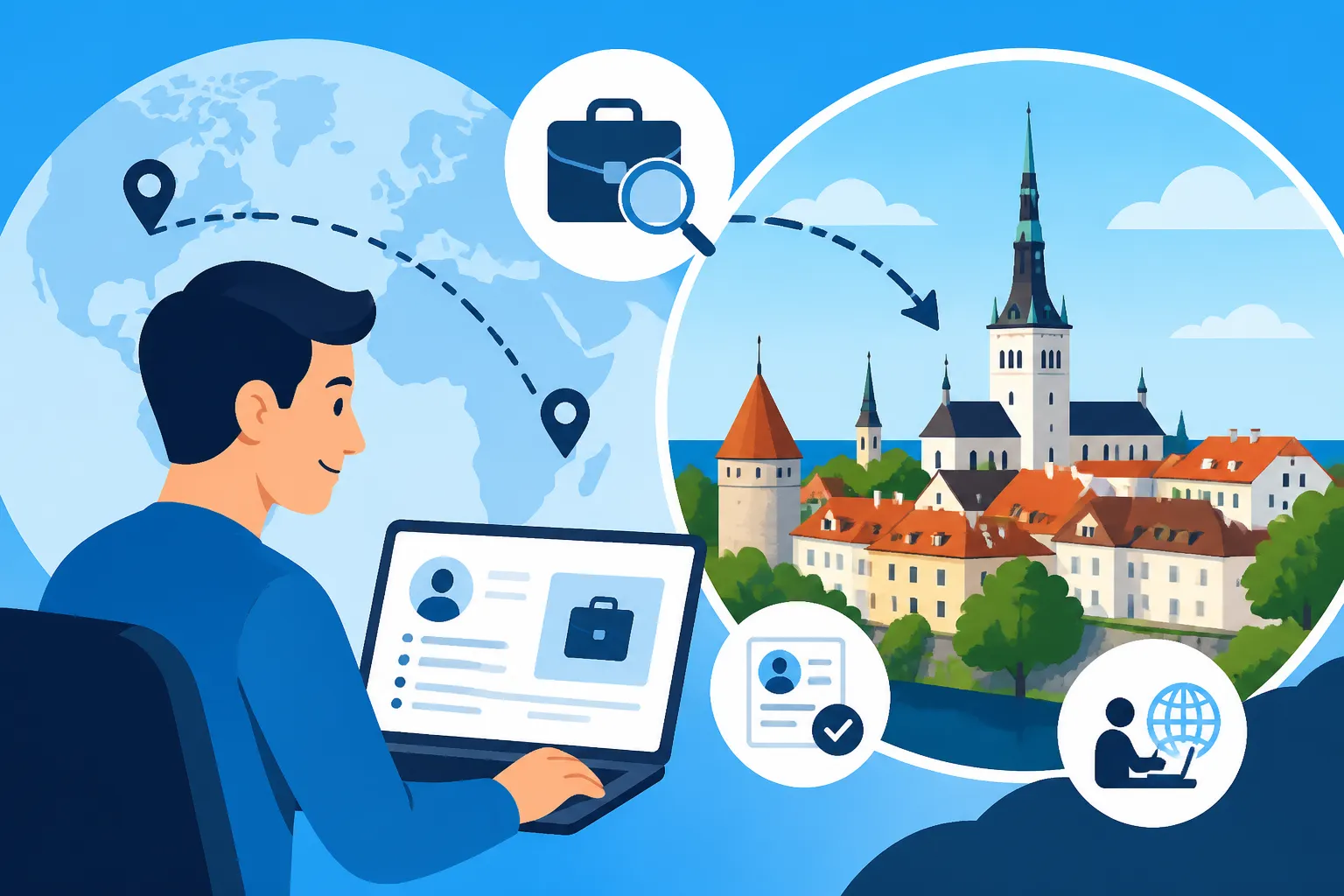
Trying to land a job in Estonia when you’re still living abroad can feel like a daunting task, a bit like trying to solve a Rubik's Cube blindfolded. You’re navigating a new culture, a different job market, and bureaucratic hurdles from thousands of miles away. But trust me, it’s absolutely doable. This comprehensive guide will walk you through the entire process, from preparing your application to understanding visa requirements and even settling in, giving you the insider tips you need to make your move to Estonia a success.
The Unique Landscape of Job Hunting in Estonia from Abroad
When you’re dreaming of a life in Estonia, the first big step is often securing employment. And doing that from afar comes with its own set of challenges and quirks. It's not just about finding a job; it's about understanding the Estonian way of doing things, even before you step foot on Baltic soil.
Estonia's Job Market for Foreigners
Estonia’s economy has been remarkably dynamic, particularly in the digital and tech sectors. For expats, this often means that the most accessible jobs are in IT, software development, cybersecurity, and related fields. Tallinn, naturally, is the hub for these opportunities, boasting a vibrant startup ecosystem and international companies. You'll also find roles in shared service centers, marketing, and certain specialized industries that require specific foreign language skills or international experience. It can be frustrating to see so many local-language listings, but don't despair – there truly are opportunities for English speakers, especially if you're in a high-demand profession.
However, if your background isn't in tech, don't write Estonia off entirely. While English-speaking roles outside of tech can be a bit harder to come by, they do exist in areas like hospitality, some administrative functions within international companies, and educational institutions. The key is to be persistent and target your search. The demand for skilled professionals is real, and Estonian companies are increasingly open to international talent. Just remember, it's a smaller market than, say, London or Berlin, so prepare for a potentially more focused search.
Realistic Expectations and Visa Considerations
One of the biggest hurdles, particularly for non-EU citizens, is the work visa and residence permit. You can't just pack your bags and show up hoping to find something; a job offer and a sponsoring employer are almost always prerequisite for obtaining the necessary legal right to work and live here. This can be a real headache, as many employers prefer candidates who are already legally able to work in Estonia. It creates a "chicken and egg" situation that can make you want to pull your hair out!
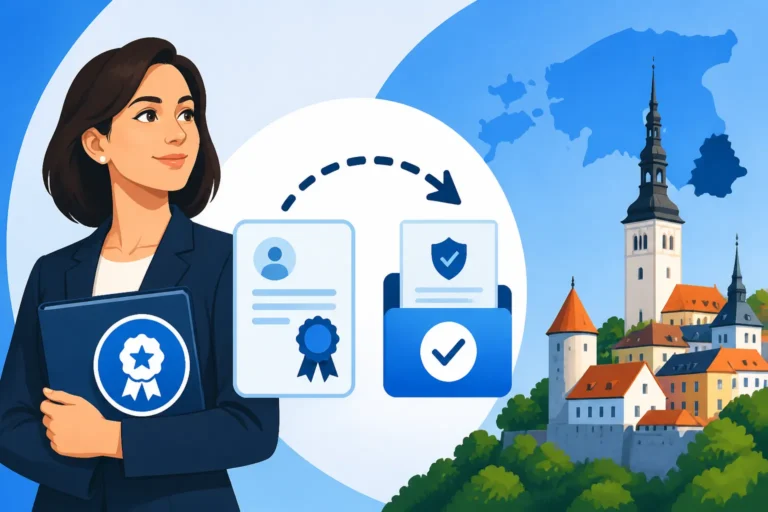
It’s crucial to understand that unless you're an EU/EEA/Swiss citizen who has the right to free movement, you’ll need an employer to sponsor your work permit and subsequent temporary residence permit. This means your job application needs to be strong enough for a company to go through the administrative effort and cost of bringing you over. Exemptions exist for certain highly skilled roles or very high salaries, but for most, employer sponsorship is the path. Getting your How to Get a Work Visa (Type D) and Work Permit in Estonia is a major step. Later, once you arrive, you’ll need to secure your How to Get Your Isikukood Personal Code and Why It Matters for Healthcare and Registering Your Place of Residence in Estonia The Complete Guide, which are foundational for almost everything else, from banking to healthcare.
Essential Preparation Before You Even Start Applying
Before you even hit "send" on that first application, there's some critical groundwork you need to lay. Think of it as building your fortress before the battle – you wouldn't want to go in unprepared, right?
Crafting an Estonian-Friendly CV and Cover Letter
This is where many international applicants trip up. What flies in your home country might not work here. Estonian companies, especially those with international aspirations, are often quite familiar with modern, concise CV formats, but there are still nuances. Generally, they appreciate a clear, chronological CV (no crazy graphics or overly creative layouts, unless you're in a design field). Keep it to 1-2 pages, highlight relevant experience, and quantify your achievements whenever possible.
Forget the lengthy, essay-style cover letters. A succinct, tailored cover letter explaining why you are a good fit for this specific company and this particular role, and how your skills align with their needs, is what they're looking for. Crucially, address any visa or relocation aspects upfront if you're a non-EU candidate, clearly stating your willingness to relocate and any support you might need, or explaining your current visa status. Estonian employers value directness and practicality. For a deeper dive, check out our guide on How to Write an Estonian-Style CV and Cover Letter.
Language Skills: English is Key, Estonian is a Major Plus
While it's true that you can find plenty of English-speaking roles in Estonia, especially within the tech and startup ecosystem, don't underestimate the power of knowing even basic Estonian. Many companies operate primarily in English, but knowing a few phrases for the coffee machine or daily interactions with colleagues can go a long way in showing your commitment to integrating. It’s also often a requirement for more customer-facing roles, or positions outside of specific international companies.
For those roles where English is king, excellent fluency is a must. You'll be expected to communicate professionally and clearly. If you’re serious about making Estonia your long-term home, I highly recommend investing time in learning Estonian. Resources like iTalki can be fantastic for connecting with native speakers for lessons, even before you arrive. It shows initiative and a willingness to embrace the culture, which employers genuinely appreciate. For a more structured approach, consider our guide on Learning Estonian A Complete Guide to Language Courses and Levels.
Understanding Estonian Employment Contracts and Worker Rights
Before you get too deep into the job hunt, it's really beneficial to have a basic grasp of Estonian labor law. This isn't just about protecting yourself; it's about understanding the framework you'll be operating within. Knowing about standard Understanding Probation Periods Katseaeg in Estonian Jobs (typically 4 months), notice periods for termination (often 30 days), and typical working hours (40 hours per week) can help you set realistic expectations.
Estonian law is generally quite employee-friendly, but it has its own specificities. For instance, collective agreements are less common than in some other European countries, and individual employment contracts are the norm. Understanding what your rights and obligations will be under an Estonian contract gives you peace of mind and prepares you for negotiations. Our comprehensive overview, Understanding Estonian Employment Contracts and Worker Rights (2027), will give you a solid foundation here. This knowledge is not just for later; it demonstrates to potential employers that you’re serious and have done your homework about working in their country.
Where to Find Job Openings from Overseas
The digital age has made international job hunting far more accessible, but knowing where to look is half the battle. You can't just toss a line in the water and hope for the best; you need to know the fishing spots.
Top Online Job Portals
This is your first port of call. Estonia has several popular job boards that are regularly updated with new listings.
- Work in Estonia: This is perhaps the most expat-friendly portal, specifically designed to attract international talent. It often highlights roles where English is sufficient and provides useful information about relocating. It's often the first place international companies will list positions.
- CV.ee and CVKeskus.ee: These are the two largest local job portals in Estonia. While many listings will be in Estonian, you'll find a significant number of English-speaking roles, especially in larger companies or international branches. Don't be afraid to use browser translation tools to navigate, but always respond in English if the job description is in English.
- LinkedIn: Absolutely essential. Many companies, especially tech and international firms, post jobs directly on LinkedIn. It's also a powerful networking tool. Make sure your profile is optimized, professional, and reflects your interest in Estonia.
- Indeed, Glassdoor, EURES (for EU citizens): While not exclusively Estonian, these broader platforms often aggregate jobs from local sites and company career pages, giving you another avenue.
Remember, consistency is key. Check these sites regularly, set up job alerts, and be ready to apply quickly.
Niche Platforms and Industry-Specific Sites
Beyond the general job boards, sometimes you need to go a bit more granular.
- Jobbatical: This platform specializes in international tech and startup jobs, often for companies willing to sponsor visas. It's an excellent resource for software developers, product managers, and other tech professionals looking to move to Estonia.
- Startup Estonia: Keep an eye on the Startup Estonia website and their ecosystem partners. They often highlight job opportunities within the vibrant Estonian startup scene.
- Company Career Pages: Don't forget to directly check the career pages of companies you're interested in, especially larger international employers like Bolt, TransferWise (now Wise), or Pipedrive. They might list jobs there before they hit the general job boards.
Networking from a Distance
This might seem tricky when you're not physically present, but it's incredibly powerful. LinkedIn is your best friend here.
- Connect with Recruiters: Identify recruiters in Estonia who specialize in your industry or in placing international talent. Send polite, personalized messages.
- Join Expat Groups: Facebook groups like "Expats in Tallinn" or "Foreigners in Tartu" can offer invaluable advice, insights into the job market, and sometimes even job leads. People share their experiences, and you can learn a lot from their successes and failures.
- Virtual Events and Webinars: Look for online industry events, tech meetups (even virtual ones), or webinars hosted by Estonian companies or organizations like Work in Estonia. These are great ways to learn about companies, trends, and potentially connect with future colleagues or hiring managers. Building a network, even a virtual one, can open doors that pure online applications might not. For general advice on finding opportunities, our guide The Complete Guide to Working in Estonia as a Foreigner (2027) is invaluable.
Here's a quick comparison of some popular job portals:
| Platform | Primary Focus | Best For | Visa Sponsorship Indication | Language of Listings (Common) |
|---|---|---|---|---|
| Work in Estonia | Attracting international talent | Expats, English-speaking roles, tech | Often indicated | English |
| CV.ee | General Estonian job market | Broad range, all sectors | Less common | Estonian, some English |
| CVKeskus.ee | General Estonian job market | Broad range, all sectors | Less common | Estonian, some English |
| Professional networking & direct postings | Tech, international companies, senior roles | Sometimes indicated | English, Estonian | |
| Jobbatical | Global tech, startup, and remote roles | Tech professionals, visa support | Often part of the offering | English |
Navigating the Application and Interview Process Remotely
Once you've found those tantalizing job openings, the next hurdle is acing the application and interview process from a different time zone. This requires organization and attention to detail.
The Online Application Journey
Submitting your application online usually involves uploading your CV and cover letter, and sometimes filling out a dedicated form on the company's career page or the job portal. Make sure all your documents are in PDF format to preserve formatting, and always double-check for typos and grammatical errors. It sounds basic, but you'd be surprised how often people overlook this!
Be prepared for potential automated screening questions, especially if you're applying to larger companies. These might ask about your visa status, language proficiency, or salary expectations. Answer truthfully, but always frame your responses positively. If you're a non-EU citizen, clearly state your willingness to relocate and that you require sponsorship, if that is the case. Trying to hide this information until later stages can lead to disappointment for both parties.
Virtual Interviews and Assessments
Most companies will conduct initial interviews via video call (Google Meet, Zoom, Microsoft Teams are common).
- Time Zones: This is critical. Always confirm the interview time in your local time zone to avoid a very awkward missed appointment.
- Tech Check: Test your internet connection, microphone, and camera beforehand. Find a quiet, well-lit space with a neutral background. Nothing says "unprepared" like technical glitches or a messy room.
- Cultural Nuances: Estonians generally value directness, professionalism, and punctuality. Be on time, be polite, and be prepared to articulate your experience clearly. Small talk might be less extensive than what you're used to in some other cultures.
- Online Tests: Some roles, especially in tech, might involve coding challenges or other online assessments to evaluate your skills. Be ready for these and dedicate uninterrupted time to complete them.
Remember, this is your chance to shine and convince them that you're worth the investment of sponsorship and relocation. Show genuine interest in Estonia and the company, not just the job.
Understanding Salary Expectations and Negotiations
Researching salary expectations is vital to avoid underselling yourself or, conversely, asking for an unrealistic amount. Websites like Glassdoor or local salary aggregators can give you a rough idea, but also remember that cost of living varies. Generally, tech salaries in Tallinn are competitive regionally but might be lower than in Silicon Valley or Western European capitals.
When discussing salary, always consider gross versus net pay. Estonia has a flat income tax rate, but also social tax and unemployment insurance contributions that are deducted from your gross salary. A great resource to understand the specifics is our article on Understanding Gross vs Net Salary and Payslips in Estonia and Understanding Social Tax and Pension Contributions in Estonia. It’s easy to get confused by the numbers if you’re not familiar with the local system. Also, while remote work for foreign companies is increasingly popular, if you are employed by an Estonian company, you will be subject to Estonian taxes and social security contributions. If you want to know more about the bigger picture, our guide on The Complete Guide to Taxes in Estonia for Expats (2027) can help you plan your finances.
Negotiation is possible, but do it respectfully and be prepared to justify your requests with market data or your unique value proposition.
Post-Offer: Visa, Relocation, and Settling In
Congratulations! You’ve landed the job. But the journey isn’t over. Now comes the serious administrative legwork to get you physically to Estonia. This is where the real planning begins.
Securing Your Work Visa and Residence Permit
For non-EU citizens, this is the final, crucial step before you can actually move. Your employer will typically initiate the process by registering your short-term employment or applying for a work permit on your behalf with the Estonian Police and Border Guard Board (PPA). Once that’s approved, you’ll apply for a long-stay (Type D) visa at an Estonian embassy or consulate in your home country, which allows you to enter Estonia.
Upon arrival, you’ll typically need to visit the PPA to apply for your temporary residence permit. This can be a multi-stage process and requires meticulous documentation. Ensure you have all required documents, including proof of sufficient funds, valid health insurance, and confirmed accommodation. Be patient, as these processes can take time. For all the nitty-gritty details, consult our extensive guide: The Complete Guide to Estonian Residence Permits for Expats (2027). Your employer will often have an HR department that can guide you through this, but it’s always wise to be informed yourself.
Registering Your Residence and Getting an Isikukood
Once you’ve arrived and secured your apartment, one of the very first things you must do is register your place of residence in the Population Register. This isn't just a formality; it's essential for getting your official How to Get Your Isikukood Personal Code and Why It Matters for Healthcare. The Isikukood is your unique personal identification number in Estonia, and you’ll need it for practically everything – opening a bank account, accessing healthcare, registering for e-services, and even signing up for a library card. Without it, you're essentially invisible to the system, and that can get frustrating quickly.
The process for registering your residence is usually done at a local government office (e.g., in Tallinn, it's the Population Register office) and requires your rental agreement or proof of ownership. This step is a foundational part of becoming a true resident.
Practicalities of Moving and First Steps
Once you have your job, visa, and Isikukood sorted, the practicalities of moving really come into play.
- Accommodation: While you might have secured temporary housing, finding long-term accommodation from abroad can be tough. Many landlords prefer to meet tenants in person. Use reputable rental portals, consider short-term rentals upon arrival, and be prepared to act quickly if you find something suitable.
- Banking: With your Isikukood and residence permit, opening a bank account at an Estonian bank like Swedbank, SEB, or LHV will be straightforward. This is crucial for receiving your salary and managing daily expenses.
- Utilities: Setting up electricity, internet, and potentially gas for your new home. Our guide The Expat Guide to Setting Up Utilities in Estonia has all the details.
- Healthcare: Once you’re officially employed and paying social tax, you’ll typically be covered by the Estonian Health Insurance Fund (Tervisekassa). But it’s important to understand the system and register with a family doctor.
The initial weeks can feel overwhelming, like a scavenger hunt for official documents and processes. Lean on expat communities, your employer’s HR, and official government resources like eesti.ee. Estonia is very digitally advanced, but getting started requires understanding which digital doors to open first. For a holistic view of your first few months, our guide The Complete Guide to Moving to Estonia Your First 90 Days (2026) is an indispensable companion. Remember, many companies, especially those actively seeking international talent, are usually well-versed in assisting new employees with these initial steps. Finding How to Find English-Speaking Jobs in Estonia often means finding employers who are already set up to help you with relocation.
Disclaimer
The information provided in this guide is for general informational purposes only and does not constitute legal, financial, or immigration advice. While we strive to keep the information up-to-date and accurate, regulations and procedures in Estonia can change. Always consult with official government sources, legal professionals, or immigration experts for personalized advice regarding your specific situation.