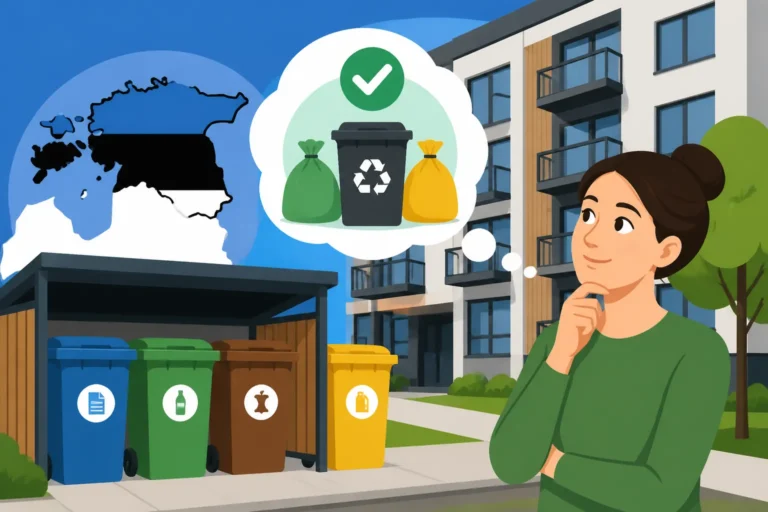
How Do I Understand My Kommunaalkulud (Utility Bills) in Estonia?
Moving to a new country always comes with a fresh set of challenges, and one that often catches expats off guard in Estonia is deciphering those monthly utility bills, affectionately (or not so affectionately, depending on the month!) known as kommunaalkulud. It’s not just about paying for electricity and water here; these bills are a unique beast, bundling a whole host of communal charges that can feel utterly bewildering when you're just trying to keep the lights on. This guide is here to untangle the complexities of Estonian utility bills, helping you understand every line item so you can manage your household budget without the constant headache of unexpected costs.
Decoding the Kommunaalkulud: What Exactly Are They?
When you first receive your kommunaalkulud statement, it can feel like you’ve been handed a cryptic message from a bygone era, especially if your Estonian isn't quite fluent yet. It’s far from a simple bill for your personal consumption, and that’s where much of the confusion stems from for newcomers. In many countries, you pay separate bills for electricity, water, heating, and perhaps garbage collection. Not so much here in Estonia, particularly if you live in an apartment building.
More Than Just Electricity and Water
Your kommunaalkulud are a comprehensive package of expenses related to your apartment and the communal areas of your building. This isn't just about what you use inside your four walls; it’s about the collective upkeep of the entire property. Think of it as your share of running a small, shared community.
For instance, beyond your personal electricity and hot/cold water usage, these bills invariably include a significant chunk for heating – and trust me, that's usually the biggest one, especially during those long, chilly Estonian winters. But it doesn’t stop there. You'll also find charges for waste management, the electricity used in common areas like stairwells and basements, cleaning services for those shared spaces, administrative fees for the building management, and a contribution to a building repair or renovation fund. It's a lot to take in, and it's completely understandable if you feel a bit overwhelmed trying to parse it all out. What might seem like an unreasonably high charge could be your contribution to a new roof being planned for the building, for example.
The Apartment Association's Role (Korteriühistu)
At the heart of the Estonian kommunaalkulud system is the korteriühistu, or apartment association. If you live in an apartment building, you are almost certainly a member of one, whether you realise it or not. These associations are legally mandated entities that manage the day-to-day operations and long-term maintenance of multi-apartment buildings. They are incredibly powerful and central to your living experience here.
The korteriühistu is responsible for arranging all common services for the building: negotiating contracts with heating providers, managing waste collection, hiring cleaners, overseeing repairs, and critically, collecting all the necessary funds from residents to cover these costs. They then consolidate all these various expenses into that single, often multi-page, kommunaalkulud bill that lands in your mailbox or digital inbox each month. It’s their job to ensure the building runs smoothly, from snow removal in winter to gardening in summer, and you, as a resident, contribute to all of it. Understanding how your Apartment Association (Korteriühistu) Fees in Estonia work is truly fundamental to navigating life here. They also handle the larger, more expensive projects, like façade renovations or plumbing upgrades, which means a portion of your monthly payment goes into a collective fund for these future investments.
Breaking Down the Components of Your Estonian Utility Bill
So, you've got this behemoth of a bill in your hand, perhaps looking more like an ancient scroll than a straightforward invoice. Let’s systematically go through the typical line items you'll encounter to make sense of your Estonian utility bill. This way, you can differentiate between what you can control with your habits and what’s just a necessary part of living in an Estonian apartment building.
Individual Consumption Charges
These are the elements of your bill directly tied to your personal usage, often measured by meters installed in your apartment. These are the parts that will fluctuate based on your lifestyle and how mindful you are of consumption.
- Electricity (Elekter): This is usually straightforward. Most apartments have their own electricity meters, often located in the hallway outside your door, in the basement, or sometimes even inside your apartment. You'll typically have a separate contract with an electricity provider like Eesti Energia or Elektrilevi. Your kommunaalkulud bill might include a line for electricity where the korteriühistu collects the payment on behalf of the provider, or you might receive a completely separate bill directly from the electricity company. It's crucial to understand who sends you the final bill and where to submit your meter readings. For example, many people use the Eesti Energia self-service portal to submit their monthly readings and manage their accounts. Learning How to Set Up Electricity in Your Estonian Home is one of the first tasks for new arrivals.
- Water (Vesi): Both cold water (külm vesi) and hot water (soe vesi) consumption are typically metered individually in modern Estonian apartments. You'll likely have separate meters under your sink or in your bathroom. Readings are usually submitted monthly to the korteriühistu or directly to the water company if you have an individual contract, which is less common for apartments. The cost for hot water isn't just the water itself but also the energy required to heat it, which can sometimes be bundled into the general heating costs for the building and then proportioned out.
- Gas (Gaas): Less common in newer apartment buildings, but if your apartment has gas for cooking or heating, you’ll have a gas meter. Like electricity, this can be billed directly by a provider like Eesti Gaas or collected via the kommunaalkulud. Gas consumption is usually minimal if only used for cooking, but if it's for heating, it can be a significant cost. You can find more detailed information on setting up these services in our guide on How to Set Up Water, Heating and Gas in Estonia.
Shared Building Costs and Maintenance Fees
This is often where expats get tripped up, as these charges are specific to the communal living arrangements common in Estonia. These aren't tied to your individual usage in the same direct way but are your portion of the building’s collective expenses.
- Heating (Küte): This is almost always the biggest item on your winter bill. Most Estonian apartment buildings have central heating systems, meaning you pay for your share of the building's total heating consumption, rather than directly for your apartment's specific radiator usage. The cost is typically distributed based on the size of your apartment (square meters). This means that even if you try to save energy by turning down your radiators, you're still contributing to the overall building heat loss and the costs associated with warming the entire structure. This can be a huge shock for those from warmer climates.
- Waste Management (Prügivedu): Your contribution to the building's garbage collection and recycling services. This is usually a fixed monthly fee per apartment or calculated based on the number of registered residents in your unit.
- Common Area Electricity (Üldelektri kulu): The electricity used for lighting in stairwells, hallways, basements, and any elevators. This is usually a relatively small, fixed charge, often split equally among apartments or based on square footage.
- Cleaning Services (Puhastusteenus): If your korteriühistu employs cleaners for common areas, this will be reflected here. Again, usually a fixed cost per apartment or based on size.
- Administrative Fees (Haldusteenus / Juhtimiskulu): These are the fees paid to the korteriühistu or a third-party management company for handling the administration, accounting, and overall management of the building. Think of it as the salary for the person who makes sure everything runs.
- Minor Repairs and Maintenance (Remont ja hooldus): Sometimes there's a small, recurring charge for general upkeep that isn't part of a larger renovation project. This covers things like changing lightbulbs in the hallway or fixing a broken door handle.
To give you a clearer picture, here's a table outlining typical kommunaalkulud components:
| Component | Type of Charge | How it's Calculated (Typically) | Fluctuation | Notes for Expats |
|---|---|---|---|---|
| Elekter (Electricity) | Individual Usage | Metered kWh | Variable | Often separate bill, sometimes collected by korteriühistu. |
| Külm Vesi (Cold Water) | Individual Usage | Metered m³ | Variable | Meter readings often submitted monthly. |
| Soe Vesi (Hot Water) | Individual Usage | Metered m³ + Heating Cost | Variable | Includes heating component; can be significant. |
| Küte (Heating) | Shared/Collective | Per m² of apartment size | Highly Variable | Heavily impacts winter bills, often the largest cost. |
| Prügivedu (Waste) | Shared/Fixed | Per apartment or person | Fixed/Low | Contribution to common waste collection services. |
| Üldelektri kulu (Common Electricity) | Shared/Fixed | Per apartment or m² | Low Variable | Lights in hallways, elevators, etc. |
| Puhastusteenus (Cleaning) | Shared/Fixed | Per apartment or m² | Fixed | For common areas like stairwells. |
| Haldusteenus (Admin Fee) | Shared/Fixed | Per apartment or m² | Fixed | Management fee for the korteriühistu. |
| Remondifond (Renovation Fund) | Shared/Fixed | Per m² of apartment size | Fixed | Mandatory contribution for future building repairs/upgrades. |
| Kindlustus (Insurance) | Shared/Fixed | Per apartment or m² | Fixed | Building insurance, not your personal contents insurance. |
The Building's Renovation Fund (Remondifond)
One line item that often raises eyebrows is the remondifond, or renovation fund. This isn't a bill for a current service, but rather a mandatory monthly contribution to a collective savings pot for the entire building. The idea behind it is brilliant in principle: instead of facing a massive, unexpected bill when the building needs a new roof, façade renovation, or plumbing overhaul, everyone contributes a small amount each month over many years.
This fund is managed by your korteriühistu, and its size and the projects it funds are decided by the apartment owners. As a renter, you are contributing to this fund through your landlord, who passes the cost on to you. If you are buying property in Estonia, this fund directly impacts the long-term value and upkeep of your investment. It ensures that the building remains in good condition and retains its value, benefiting all residents. While it's a fixed cost that adds to your monthly outlay, it's an essential part of maintaining Estonian apartment stock and avoiding huge one-off expenses down the line. It's truly a long-term investment in your living space.
Practical Steps to Understand and Manage Your Kommunaalkulud
I know it feels like a lot, but once you get the hang of it, managing your kommunaalkulud becomes second nature. It's about developing a routine and knowing where to look for information. And believe me, even after years here, those winter heating bills still make my eyes water a little!
Deciphering the Monthly Statement
The biggest hurdle for many expats is the language barrier. Your kommunaalkulud statement will almost certainly be in Estonian. Don't panic! Here's how you can approach it:
- Look for Key Terms: Start by identifying the main categories we discussed: elekter, vesi, küte, prügivedu, remondifond, haldusteenus. These are your anchor points.
- Use Translation Tools: Google Translate or similar apps are your best friends. Take a photo of the bill or copy and paste text into a translator. While not perfect, it will give you a good enough sense of what each line item means. Focus on nouns and numbers.
- Ask for Help: Don't be shy! Most landlords, especially those accustomed to renting to expats, will be willing to walk you through the first few bills. If you have Estonian colleagues or friends, ask them for a quick run-through. Most people are happy to help unravel this particular local mystery.
- Digital Portals: Many korteriühistu or utility providers now offer online portals where you can view your bills. While still in Estonian, these might have clearer layouts or even, in some cases, an English language option. Also, don't forget the national portal Understanding eesti.ee and Digital Government Services in Estonia, which can provide access to some official data linked to your residence.
Monitoring Your Consumption and Payments
Staying on top of your usage is key to understanding fluctuations in your variable costs. Estonia is a very digitally advanced country, so thankfully, many tools are available.
- Online Provider Portals: For electricity (Eesti Energia) and sometimes water, you'll have access to online self-service environments. These platforms allow you to submit meter readings, view your consumption history, and see your current balance. Make it a habit to log in monthly and check.
- Meter Readings: Get familiar with where your electricity and water meters are located. Even if you don't submit readings yourself, knowing where to check them can help you verify your bill if something looks off. Take a photo of the readings each month if you're unsure.
- Payment Methods: Most people pay their kommunaalkulud via internet bank. You'll typically receive the korteriühistu's bank details and a reference number (viitenumber) on your bill. Setting up a standing order (püsimakse) for the fixed components and adjusting it for the variable parts or paying manually each month is common. For a deeper dive into payment options, check out our guide on How Do I Pay My Utility Bills in Estonia?.
- Isikukood: Your Estonian personal identification code, or isikukood, is fundamental for almost everything, including setting up utility accounts. Make sure you have yours and know How to Get Your Isikukood and Why It Matters for Healthcare.
What to Do If Your Bill Seems Too High
It happens. One month you get a bill that makes your jaw drop. Before you panic, here’s a checklist:
- Review Previous Bills: Compare the current bill with previous months and, if possible, with the same month last year. Is it just a seasonal increase (hello, winter heating!), or is there a genuine anomaly?
- Check Your Consumption: Look at your electricity and water readings. Did you use significantly more? Could there be a leaky faucet, or did you leave the sauna on all night (a common expat mistake!)?
- Contact Your Korteriühistu: If the increase is in a shared cost (like heating or administration), reach out to your korteriühistu. They are legally obligated to provide explanations for the charges. Be polite but firm. Asking for an itemised breakdown can often clarify things.
- Adjust Your Habits: In winter, heating costs are unavoidable, but simple things like making sure windows are properly closed, using draught excluders, and not overheating your apartment can make a difference. For a broader perspective on costs, our article on The Complete Guide to Cost of Living in Estonia for Expats (2026) might offer context.
Important Considerations for Expats
Navigating kommunaalkulud as an expat isn't just about understanding the numbers; it’s about understanding the context of living in Estonia. There are some particular nuances that foreigners often overlook.
Seasonal Variations and Winter Shocks
This is perhaps the most critical point for anyone new to Estonia. Your kommunaalkulud are not static. They fluctuate dramatically with the seasons, primarily due to heating costs. In summer, your bill might be a reasonable 80-150 euros for a medium-sized apartment. Come winter, that same bill can easily jump to 200, 300, or even 400+ euros, depending on the size of your apartment, the efficiency of your building, and how cold the winter is.
This "winter shock" is real, and it catches many newcomers by surprise. Be prepared to allocate a significantly larger portion of your budget to utilities during the colder months, roughly from October to April. It’s not necessarily a rip-off; it’s simply the cost of staying warm when outside temperatures plummet to well below zero degrees Celsius for extended periods. Factor this into your overall financial planning when considering The Complete Guide to Moving to Estonia: Your First 90 Days (2027).
Asking the Right Questions Before Renting/Buying
Prevention is always better than cure. Before you sign any rental agreement or make an offer on a property, always ask about the kommunaalkulud. Your landlord or real estate agent should be able to provide you with copies of previous bills, especially from winter months.
Here are some key questions to ask:
- "What were the average kommunaalkulud for this apartment in summer and winter last year?" (Küsi kommunaalkulude suuruse kohta eelmisel aastal – nii suvel kui ka talvel.)
- "What is included in the kommunaalkulud?" (Mis on kommunaalkulude sisse arvestatud?)
- "Are there any major renovation projects planned for the building in the near future that might increase the remondifond or lead to a one-off payment?" (Kas korteriühistul on plaanis suuri renoveerimistöid, mis võiksid remondifondi makseid tõsta või tuua kaasa ühekordseid lisakulusid?)
This information is vital for budgeting and avoiding unpleasant surprises. Don’t just take their word for it; ask for actual bill copies. This is critical advice for anyone looking at The Complete Guide to Renting an Apartment in Estonia (2027) or even How to Buy Property in Estonia as a Foreigner: The Full Guide (2027). For comprehensive moving resources and advice on navigating these steps, platforms like Sirelo can be incredibly helpful in preparing you for the move.
Digital Tools and Support
Estonia is a beacon of e-governance, and while your kommunaalkulud might initially feel archaic, many aspects of managing them are digital. Embrace this!
- Online Banking: All Estonian banks (like Swedbank, SEB, LHV) offer robust online banking platforms. Set up direct debits for recurring payments, and use payment templates to simplify monthly transfers.
- Provider Self-Service Portals: As mentioned, most utility companies have excellent online systems. Use them to track consumption and manage your contracts.
- Language Apps: Keep your translation apps handy. For real-time understanding of bills or communication with your korteriühistu, they're invaluable.
- Staying Connected: Ensure you have reliable internet and mobile data to access these digital services. This is where a convenient eSIM from a provider like Airalo can be a lifesaver, ensuring you're always connected, even when you first arrive and haven't set up local services yet. Being able to quickly translate a bill or look up a payment detail on the go makes a huge difference.
Understanding your kommunaalkulud might be one of the more opaque parts of expat life in Estonia, but with a bit of patience and this guide, you’ll master it. It’s a learning curve, just like many other aspects of settling into a new home, but once you get it, it truly is a testament to the efficient, if sometimes complex, way things are managed here.
Disclaimer
The information provided in this guide is intended for general informational purposes only and does not constitute legal, financial, or professional advice. While we strive to keep the information up-to-date and accurate, regulations and practices regarding utility bills and housing in Estonia can change. Expats should always verify current information with official sources, relevant authorities (such as the Police and Border Guard Board, Tax and Customs Board, or local municipalities), landlords, or qualified professionals for their specific circumstances. We recommend consulting with local experts for personalised advice.