How to Set Up Home Internet and TV in Estonia
Moving to a new country like Estonia, you're faced with a whirlwind of administrative tasks, from registering your residence to deciphering utility bills. Amidst all of that, one of the most pressing needs – and often a source of quiet desperation for many expats – is getting your home internet and TV set up. It’s not just about entertainment; it’s about staying connected to family, working from home, and simply feeling settled. This guide will walk you through the entire process, sharing practical tips and validating those inevitable frustrations you might encounter along the way.
Navigating Estonia's Connected World: An Overview of Internet & TV
Estonia is renowned globally for its digital society, and thankfully, this extends to its robust internet infrastructure. For expats, this means generally reliable and fast connections, but understanding the nuances of the local market is key to making the right choices for your home setup. It’s not just flipping a switch; it's about knowing what you’re getting into.
The Digital Backbone: Estonia's Internet Infrastructure
The foundation of Estonia’s digital prowess is its advanced internet infrastructure. When you first arrive, you’ll quickly notice that high-speed internet isn't a luxury here; it's practically a basic human right, deeply woven into the fabric of daily life and public services. From voting online to accessing your medical records through the Digilugu system, everything relies on a stable connection.
The primary technology driving this high speed for residential users, especially in urban areas like Tallinn and Tartu, is fibre-to-the-home (FTTH). This means optic fibre cables run directly to your building, or even right into your apartment, offering blazing fast speeds and incredible stability. For many of us who moved from countries still grappling with patchy DSL or older cable connections, this is a breath of fresh air. However, even within a single city, the availability of pure fibre can vary block by block, especially in older buildings or more historically preserved areas where laying new cables is a bigger challenge. Sometimes, you might find a VDSL connection, which still uses copper for the "last mile" but offers decent speeds, though not quite the gigabit glory of FTTH. Mobile internet, with widespread 4G and rapidly expanding 5G networks, also plays a crucial role, providing excellent backup or even primary internet solutions for some households.
Understanding Your Home Internet Options: Broadband & Mobile
When you’re looking to get connected at home, you'll generally encounter a few main types of internet services, each with its own pros and cons, particularly for foreigners. It’s easy to feel overwhelmed by the technical jargon, but let's break it down into plain English.
Firstly, there's fixed broadband, which is what most people think of as "home internet." This category largely includes:
- Fibre (Optiline internet or Valguskaabel): This is the gold standard. If you can get it, get it. Fibre offers symmetrical speeds (upload and download are often the same or very close), incredibly low latency, and is generally unaffected by how many of your neighbours are online. Speeds can easily reach 100 Mbps, 500 Mbps, or even 1 Gbps. It's fantastic for streaming, gaming, video calls, and large file transfers. Installation usually requires a technician visit, but once it's in, it's incredibly reliable.
- VDSL/ADSL (Telefonikaabli internet): This uses traditional telephone lines. While not as fast as fibre, it can still provide perfectly adequate speeds for browsing, streaming, and general use, often up to 50-100 Mbps download. It's typically available in areas where fibre hasn't yet reached, or in older apartment buildings.
- Cable Internet (Kaabelmodem): Less common for new installations but still present, especially in older apartment blocks that had TV cable connections. Speeds can be good, but like DSL, it shares bandwidth with your neighbours, so performance can fluctuate during peak hours.
Secondly, there's mobile broadband, which is increasingly becoming a viable alternative or supplement for home internet:
- 4G/5G Home Routers (Mobiilse interneti ruuter): These devices use the same mobile network as your phone but are designed for home use. You insert a SIM card, and it broadcasts Wi-Fi. With Estonia's excellent 4G and growing 5G coverage, this can offer very respectable speeds, sometimes rivalling fixed-line options, especially if you have good signal strength. It's quick to set up (often plug-and-play), requires no installation technician, and is perfect for temporary residences or if you move frequently. The main drawback can be data caps on some plans, or potential performance drops during network congestion. For immediate internet needs upon arrival, picking up a local SIM card and using your phone as a hotspot or a dedicated mobile router can be a lifesaver, and for that, services like Airalo (though more for travel eSIMs) offer a glimpse into the convenience of instant connectivity.
When choosing, consider your usage habits: are you a heavy gamer, work from home with large uploads, or just casually browse and stream? This will guide your speed requirements.
Decoding Estonian TV: Free-to-Air, Cable, and Streaming
Once your internet is sorted, you might start thinking about television. Estonian TV offers a mix of traditional broadcasting and modern streaming, similar to many Western countries, but with some local flavours you’ll need to understand. For many expats, traditional TV might not be a top priority, especially if you're comfortable with streaming international content, but it's good to know your options.
- Free-to-Air (Digi-TV or ETV): Estonia broadcasts several channels digitally over the air, primarily through the Estonian Public Broadcasting (ERR) system. This includes ETV, ETV2, and ETV+ (which often features Russian-language content). You’ll need a TV with a DVB-T2 tuner and an antenna to receive these. The content is predominantly in Estonian, with some foreign shows subtitled. ETV+ is a great resource if you're trying to learn Russian, but for English speakers, it might not be your primary source of entertainment.
- Paid Cable/IPTV Packages (Telepakett): The major internet providers, especially Telia and Elisa, offer comprehensive TV packages alongside their internet services. These usually include a mix of Estonian, Russian, and international channels (like BBC, Eurosport, National Geographic, etc.), often with options for premium movie or sports packages. These are typically delivered over the internet (IPTV) rather than traditional cable, offering features like catch-up TV, recording, and on-demand content. You’ll usually get a set-top box as part of the package. The channel lineup can be extensive, but do check which channels are in English, as many will be dubbed or subtitled.
- Streaming Services (VoD): This is where most expats find their comfort zone. Major international streaming platforms like Netflix, HBO Max, Disney+, and Amazon Prime Video are widely available in Estonia. The content libraries might differ slightly from your home country due to licensing agreements, but generally, you'll find a vast selection in English with Estonian (or other language) subtitles. Additionally, local services like Telia TV, Elisa Elamuse, or Go3 (a Baltic-wide platform) offer a mix of local and international content, including Estonian movies, series, and sports, often with English audio options or subtitles. Many of these local services can be subscribed to independently of your internet provider, giving you flexibility. For those who enjoy specific international content, remembering to check regional availability or consider a VPN might be relevant, though this guide doesn't delve into the specifics of VPN usage.
Understanding these options helps you decide whether you need a full TV package, or if high-speed internet for your streaming devices is sufficient. Many expats find a good internet connection and a few streaming subscriptions perfectly meet their needs without the extra cost of a traditional TV bundle.
Choosing Your Ideal Provider and Package in Estonia
Alright, so you’ve got the lay of the land, you know your fibre from your mobile hotspot. Now comes the exciting (and sometimes slightly daunting) part: picking a provider and a package that actually fits your life here in Estonia. It’s not just about the fastest speed; it’s about reliability, price, and getting support when you need it.
The Big Players: Estonian Internet and TV Providers
When you start researching, you'll quickly come across three dominant names in the Estonian telecommunications market. These are the giants that most expats will interact with, and understanding their general offerings and reputations can save you a lot of guesswork.
- Telia Eesti: This is by far the largest provider in Estonia and a powerhouse in the Baltic region. Telia offers a full spectrum of services: fixed-line internet (with extensive fibre coverage), mobile services, and comprehensive TV packages. Their network is generally considered to be excellent, offering high speeds and reliability. They have a wide range of packages, from basic internet to premium bundles with a plethora of TV channels. For expats, Telia often has more resources for English-speaking customer service due to its size and international connections. Their website is usually available in English, which is a huge plus when you're trying to navigate contract terms. The downside? Sometimes their prices can be a little higher, reflecting their dominant market position and extensive infrastructure.
- Elisa Eesti: Another major player, Elisa also offers a robust suite of services, including mobile, fixed internet, and TV. They're often seen as Telia's main competitor and are known for being quite aggressive with pricing and promotions, which can be great for new customers. Elisa has invested heavily in its mobile network and increasingly in fibre infrastructure. Their TV platform, Elisa Elamuse, is popular, often offering a good selection of international channels and on-demand content. Customer service is generally good, and they too usually provide English support, though it might sometimes require a bit more digging than with Telia. Keep an eye out for their special offers, especially if you're looking to bundle mobile and home services.
- Tele2 Eesti: While primarily known for its mobile services, Tele2 also offers home internet, often through fixed-wireless solutions (using 4G/5G routers) or by leasing access to fibre networks in certain areas. They're typically positioned as a more budget-friendly option, so if cost is a primary concern, they might be worth investigating. Their home internet offerings might be more suitable for individuals or smaller households with moderate usage, rather than heavy-duty multi-user environments. Their TV options are usually through partners or third-party streaming services. English customer support might be a bit more limited compared to Telia or Elisa, but it is usually available.
There are also smaller, regional providers, especially in specific apartment buildings or new developments, but for most expats, these three will be the main contenders. It’s always a good idea to check what’s actually available at your specific address, as coverage can vary.
Comparing Packages: Speed, Data, and Channel Lineups
Now for the nitty-gritty: how do you actually compare these providers? It’s not just about the big number associated with "internet speed." You need to match the offering to your specific lifestyle.
When looking at internet packages, focus on:
- Download Speed (Allalaadimiskiirus): This is what most people care about – how fast content comes to your device. Speeds are typically advertised in Mbps (megabits per second). For a single person or a couple casually browsing and streaming, 50-100 Mbps is usually sufficient. For multiple users, 4K streaming, online gaming, or remote work involving large file downloads, you might want 200 Mbps or higher. Gigabit (1 Gbps) is fantastic if available and affordable, but often overkill for many.
- Upload Speed (Üleslaadimiskiirus): Often overlooked, but crucial if you work remotely, upload large files (photos, videos), or participate in frequent video calls. Fibre connections often offer symmetrical or near-symmetrical speeds, meaning your upload speed is close to your download speed. DSL or cable might have significantly lower upload speeds.
- Data Caps (Andmemaht): For fixed home internet, most fibre and cable plans in Estonia offer unlimited data. However, if you opt for a mobile broadband router as your primary home internet, always check for data caps. Going over can lead to throttling or expensive extra charges.
- Router (Ruuter): Does the package include a router? Is it a good one? Sometimes providers give you a basic router, and you might want to consider buying your own higher-performance one later. Clarify if it's a rental or if you own it after a certain period.
For TV packages, consider:
- Channel Lineup (Telekanalid): Look beyond the total number of channels. Which specific channels matter to you? Are there English-language news channels (BBC, CNN), sports channels, or movie channels you care about? Most providers will list their full channel packages online.
- On-Demand/Catch-Up Services (Järelvaatamine, Sisu): Modern IPTV services usually come with the ability to watch previously aired programs or access a library of on-demand content. This is great for flexibility.
- Extra Features: Cloud recording, multiple simultaneous streams, mobile app access – these can add value.
- Set-Top Box (Digiboks): Is it included? Is there a rental fee? How many can you get for different TVs in your home?
Don't be afraid to create a small spreadsheet comparing these factors across the different providers. It sounds like extra work, but it’ll save you headaches (and potentially money) down the line.
Bundles, Deals, and Expat-Specific Considerations
Ah, the art of the bundle! Providers love to offer package deals (paketid) that combine internet, TV, and sometimes even mobile phone plans. These can often save you money compared to subscribing to each service separately, but they also lock you into a single provider for multiple services, so choose wisely.
When looking at bundles and promotions, keep these expat-specific points in mind:
- Contract Length (Lepingutähtaeg): Standard contracts are usually 12 or 24 months. Be wary of long contracts if your stay in Estonia is uncertain. While promotional prices might look enticing, the penalty for early termination can be steep. Read the fine print carefully, especially about what happens if you move or leave the country.
- Installation Fees (Paigaldustasu): Some providers waive installation fees for new customers, especially if you sign a longer contract. Others might charge a one-time fee. This can be a significant upfront cost, so clarify it.
- Equipment Rental/Purchase: As mentioned, clarify if the router/set-top box is rented or purchased. Rental fees can add up over time.
- Hidden Fees: Always ask about any additional monthly fees for things like invoicing, maintenance, or specific services. While Estonia's transparency is generally good, it's always worth a double-check.
- English-Speaking Support: This is paramount. Even if the website is in English, can you actually speak to someone in English if you have a technical issue or a billing query? Telia and Elisa generally have better resources for this. Don't assume; ask them directly during your sign-up process.
- Your Isikukood (Personal Code): You absolutely need an Isikukood to sign any long-term contract for internet or TV. Without it, you might be limited to pre-paid mobile internet options or short-term rentals that include utilities. If you're still working on getting your How to Get Your Isikukood Personal Code and Why It Matters for Healthcare, make sure it's sorted before you dive into contracts.
- Proof of Residence: Just like with other utilities, you'll need to show proof of address. This is typically tied to your registered address in the Population Register. If you're a new arrival, make sure your Registering Your Place of Residence in Estonia The Complete Guide is complete.
- Relocation Services: If you're moving your whole life here, a service like Sirelo (a global moving platform) can help with broader logistics. While not directly involved in internet setup, they highlight how important it is to plan these things in advance as part of your overall relocation. Thinking about these details before you're scrambling for Wi-Fi can save you a world of stress.
Here’s a simplified table comparing the main providers for a typical expat:
| Feature/Provider | Telia Eesti | Elisa Eesti | Tele2 Eesti |
|---|---|---|---|
| Primary Focus | Full-spectrum (Mobile, Fibre, TV) | Mobile, Fibre, TV | Mobile (some home internet) |
| Fibre Coverage | Extensive | Growing | Through partners/fixed wireless |
| Mobile Network | Excellent (largest) | Excellent | Good (budget-friendly) |
| TV Options | Comprehensive IPTV packages | Good IPTV packages | Limited/Partner-based |
| English Support | Generally very good | Good | Available, but might be more limited |
| Price Point | Mid-to-High | Mid-to-Low (often competitive) | Low-to-Mid (especially mobile) |
| Bundles | Yes, extensive | Yes, extensive | Primarily mobile bundles |
| Ease of Setup | Standard (installation may be needed) | Standard (installation may be needed) | Very easy (self-install mobile router) |
| Best For | Families, heavy users, those wanting full service & reliability | Value, competitive deals, good network quality | Budget-conscious, temporary setups, mobile-first users |
Always check the current offers on their websites, as prices and promotions change frequently!
The Practicalities: Setting Up Your Services Step-by-Step
You’ve done your research, picked your provider, and now it’s time to get down to business. Setting up utilities in a foreign country can feel like navigating a maze blindfolded, especially with language barriers. But fear not, the Estonian system, while bureaucratic, is designed to be quite efficient once you know the steps.
Getting Started: Essential Documents and Your Isikukood
Before you even think about calling a provider or clicking "order" online, you need to ensure you have your ducks in a row. This is where Estonia's digital society intersects with good old-fashioned paperwork (or its digital equivalent).
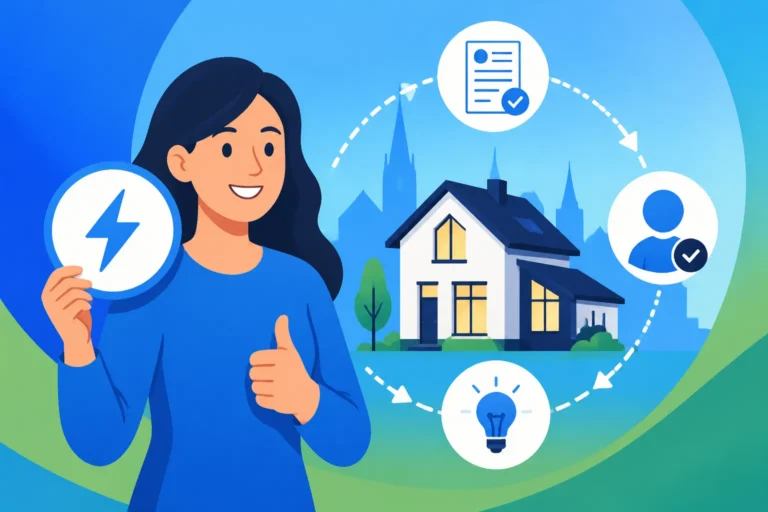
The absolute bedrock for any official service in Estonia, including signing contracts for home internet and TV, is your Isikukood – your personal identification code. It's essentially your unique identifier in the Estonian system and is vital for everything from healthcare to taxes. You won't be able to formalize a contract for long-term services without it. If you're still waiting for yours, or haven't applied yet, make that your first priority. You'll also likely need your residence permit card (if you're a non-EU citizen) or your ID card (for EU citizens and Estonian residents) as proof of identity. Don't be surprised if they ask for your passport as well.
Beyond personal identification, you’ll also need proof of address. This isn't usually a separate document you "get" from somewhere in Estonia, but rather it's confirmed through the Population Register (Rahvastikuregister). When you register your place of residence in Estonia, your address becomes officially associated with your Isikukood. Providers can usually verify this electronically. This means it’s absolutely critical that your official residence in the Population Register is updated to your current Estonian home address. If it's not, you might hit a wall, as they need to ensure the service is being provided to a legitimate resident at a legitimate address. So, before you call Telia or Elisa, ensure your How to Register Your Place of Residence in the Population Register is complete and accurate. You might even want to check your registered address on eesti.ee Understanding eesti.ee and Digital Government Services in Estonia just to be absolutely sure.
Sometimes, especially if you're very new to the country and don't have a long financial history here, some providers might ask for a deposit or proof of financial solvency, but this is less common for standard internet/TV services than, say, a mobile phone contract with a very expensive device.
Ordering and Installation: What to Expect
Once you have your documents in order, the ordering process itself can be relatively straightforward. You generally have two main avenues: online or in-person.
- Online Ordering: Most providers have decent English versions of their websites, or at least enough translated sections to navigate the basic offerings. You select your package, input your personal details (including Isikukood), and provide your address. The system will usually check if fibre or other fixed-line options are available at your specific address. This is convenient and often the fastest way to get the ball rolling.
- In-Person at a Store: If you prefer face-to-face interaction, or if you have specific questions that are difficult to convey online, visiting a provider's store (Telia or Elisa have several in major cities like Tallinn and Tartu) is a good option. Bring all your documents – ID, residence permit, Isikukood. While not all staff might be fluent in English, most larger stores in expat-heavy areas will have someone who can assist you. This is also a good opportunity to ask about current promotions not advertised as prominently online.
After placing your order, here's what typically happens for a fixed-line connection:
- Appointment Scheduling: If installation by a technician is required (which is common for fibre), you'll need to schedule an appointment. This is usually done directly during the ordering process or via a follow-up call/email. Technician availability can vary, so you might wait anywhere from a few days to a couple of weeks, depending on demand and your location. If you’ve just moved, this waiting period can feel agonizing when all you want is to unwind with Netflix. This is where a temporary mobile hotspot can be incredibly useful.
- Technician Visit: On the day of the appointment, a technician will come to your apartment. They will run the necessary cables (if not already present), install the fibre optic converter (ONT) if needed, and set up the Wi-Fi router. They usually do basic testing to ensure the connection is working. If you ordered a TV package, they’ll set up the set-top box as well. It’s always a good idea to have someone present who can understand Estonian, if possible, as the technicians might not always be fluent in English. Otherwise, have Google Translate ready!
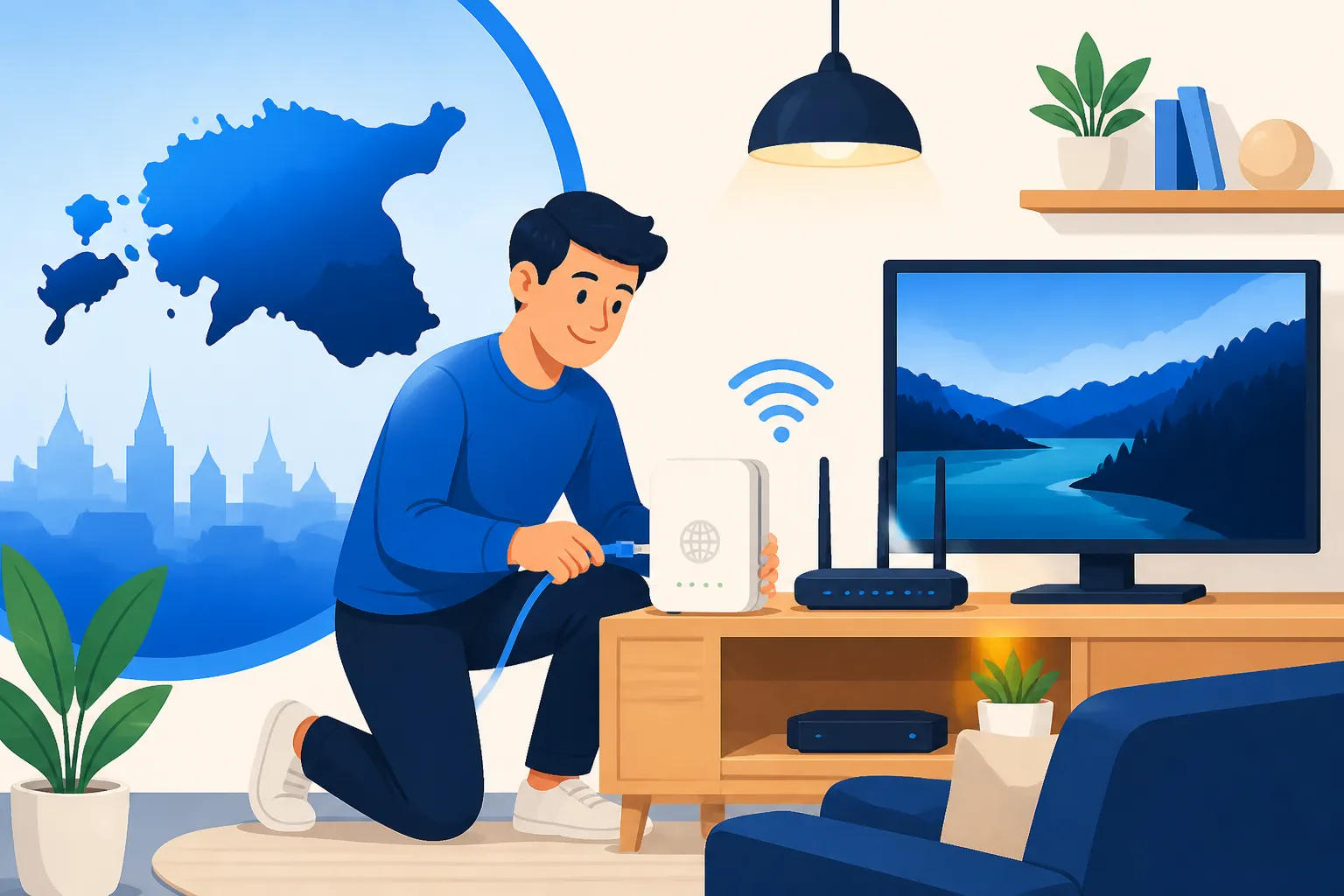
- Self-Installation for Mobile Broadband: If you opted for a 4G/5G home router, the process is much simpler. You usually pick up the router and SIM card from a store or have it delivered. You just plug it into a power socket, insert the SIM, and it should create a Wi-Fi network. No technician visit needed, and you can be online within minutes.
Remember that The Complete Guide to Moving to Estonia Your First 90 Days 2026 covers many initial setup steps, and getting internet sorted is a huge part of feeling at home.
Activating Your Connection and Troubleshooting Initial Hiccups
Once the technician leaves, or once you've plugged in your mobile router, the expectation is immediate connectivity. And usually, that's the case! However, it's not always a completely seamless transition, and a little troubleshooting knowledge can go a long way.
- Fixed-Line Activation: For fibre or DSL, the technician usually ensures it's active before they leave. You should be able to connect your devices to the Wi-Fi network (the name and password are usually on a sticker on the router). Test it immediately: browse a website, try a speed test, or stream a video. If it doesn't work, don't panic. First, try restarting the router (unplug it for 30 seconds, then plug it back in). Sometimes it just needs a fresh boot.
- Mobile Broadband Activation: For mobile routers, make sure the SIM card is inserted correctly and that the device has a good signal (look for signal strength indicator lights). Activation might take a few minutes for the SIM to register on the network. Again, if no internet, restart the device.
- TV Service Activation: If you have a TV package, the set-top box should also be active. Ensure it’s connected to your TV and the internet (either via Ethernet cable or Wi-Fi). Follow the on-screen prompts for initial setup. Sometimes, the channels need a few minutes to load fully.
- Common Initial Hiccups:
- No Internet: Check all cables. Is the fibre cable secure? Is the Ethernet cable connected to your computer/TV? Are the power lights on the router illuminated correctly? A green light usually means good connection, while orange or red can indicate an issue.
- Slow Speed: Run a speed test on sites like Speedtest.net. If it's significantly lower than advertised, try connecting directly to the router with an Ethernet cable to rule out Wi-Fi issues. Wi-Fi signal can be affected by distance, walls, and other devices.
- No TV Channels: Ensure the set-top box is properly connected and has internet access. Check if your TV is on the correct input source (HDMI 1, 2, etc.).
If these basic steps don't resolve the issue, it’s time to contact customer support. Have your contract number and Isikukood ready, as these will be your primary identifiers. Try to describe the problem as clearly as possible, and don't be afraid to ask for an English-speaking representative.
Living with Your Estonian Internet and TV: Management & Support
Once you’re connected, the journey doesn’t end there. Managing your account, understanding your bills, and knowing who to call when things inevitably go wrong are all part of the expat experience. Estonia prides itself on digital convenience, and much of this is reflected in how you interact with your service providers.
Managing Your Account and Bills Online
One of the great joys of living in Estonia is its advanced e-governance, and this extends to private sector services. Most major internet and TV providers offer comprehensive online self-service portals where you can manage almost every aspect of your account.
- Self-Service Portals (Iseteenindus): Both Telia and Elisa have excellent online self-service environments, usually accessible through their websites. Here, you can:
- View your active services and contract details.
- Check your monthly bills (arved) and payment history.
- Change your package (upgrade/downgrade internet speed, add/remove TV channels).
- Update your personal details.
- Report technical issues or order additional services.
- Monitor data usage for mobile plans (if applicable).
While these portals are typically in Estonian, they often have an English language toggle, or they are intuitively designed enough that Google Translate in your browser can help you navigate. Getting familiar with your provider's self-service portal is a crucial step in managing your utilities efficiently in Estonia.
- Payment Methods: Monthly bills for internet and TV services are typically paid via:
- E-invoice (E-arve): This is the most common and convenient method. Your bill is automatically sent to your Estonian online bank (like Swedbank, LHV, SEB) and you can easily review and pay it with a few clicks. You can often set up standing e-invoices for automatic payment, so you never miss a deadline.
- Bank Transfer: You can manually transfer the amount from your bank account using the reference number provided on your bill.
- Direct Debit (Püsimaksekorraldus): Less common for residential services than e-invoices, but some providers might offer it.
- Via the Self-Service Portal: You can often pay directly through the portal using an Estonian bank link (similar to online banking authentication).
It’s always a good idea to set up e-invoicing or some form of automated payment to avoid late fees, especially when you’re still getting used to monthly expenses and different billing cycles in Estonia. Understanding your The Complete Guide to Cost of Living in Estonia for Expats 2026 will naturally include these utility expenses.
When Things Go Wrong: Customer Service and Technical Support
Even with the best infrastructure, internet and TV services can occasionally experience glitches. When they do, knowing how to get help, especially with potential language barriers, is essential.
- Contact Channels:
- Phone (Klienditeenindus): This is often the quickest way to get immediate support for urgent issues. Both Telia and Elisa have dedicated customer service lines. When you call, state clearly that you need assistance in English. Be patient; you might be transferred to someone who speaks English, or there might be a slight delay. Have your Isikukood and contract details ready.
- Chat (Vestlus): Many providers offer online chat support through their websites. This can be a great option if you prefer typing or if you're not comfortable speaking Estonian. English support is usually available via chat.
- Email (E-post): For non-urgent inquiries or if you need to send documents, email can be useful. Response times are typically longer than phone or chat.
- In-Person (Esindus): For complex issues or if you need to replace equipment, visiting a service point can be beneficial. Again, find a larger branch in a city for a higher chance of English-speaking staff.
- Common Issues & How to Describe Them:
- "Internet ei tööta" (Internet is not working)
- "Väga aeglane internet" (Very slow internet)
- "Telekanalid ei tööta" (TV channels are not working)
- "Ruuter ei tööta" (Router is not working)
- "Vajan abi inglise keeles" (I need help in English) – use this phrase liberally!
- Language Barrier Strategies: Even with English support, sometimes a bit of Estonian jargon will slip through. Have a translation app handy. Be specific about the problem, and if possible, provide screenshots or photos if you're communicating via chat or email. Validating your frustrations here: yes, it is frustrating when you're paying for a service and can't easily communicate the problem. But persistence and politeness usually pay off.
Remember, if you have broader utility issues, you can also check out The Expat Guide to Setting Up Utilities in Estonia for other services like electricity.
Moving On: Changing Providers or Cancelling Services
Life in Estonia, like anywhere, involves change. You might find a better deal with another provider, or perhaps you're moving apartments, or even leaving the country. Understanding how to switch or cancel services is just as important as setting them up.
- Changing Providers (Teenusepakkuja vahetamine): If you're simply switching from, say, Telia to Elisa for internet, be mindful of your existing contract. Most contracts have a fixed term (e.g., 12 or 24 months). If you cancel before the term is up, you'll likely incur an early termination fee. This fee can be substantial, often covering the remaining months of your contract or a specific penalty amount. It’s always best to wait until your contract is nearing its end before switching. When you do switch, the new provider might even handle some of the cancellation paperwork with your old provider, but it's your responsibility to ensure everything is properly terminated.
- Cancelling Services (Teenuste tühistamine): This applies if you're moving away or no longer need the service.
- Notice Period (Etteteatamistähtaeg): Most contracts require a notice period for cancellation, typically 14 or 30 days. You must inform your provider in writing (often via their online portal or email) before this period. Failing to do so can result in you being billed for an extra month or more.
- Equipment Return: If you were renting equipment (router, set-top box), you’ll need to return it to the provider. They’ll usually give you instructions on where to drop it off (often at a service point) and by when. Failure to return equipment on time, or returning damaged equipment, can result in charges.
- Final Bill: Expect a final bill that reconciles any outstanding charges, early termination fees (if applicable), and credits. Make sure all your direct debits or e-invoices are cancelled after the final payment has been made, to avoid accidental overpayments.
- Moving Apartments: If you’re staying in Estonia but moving to a new apartment, contact your current provider first. They can check if your current service can be transferred to your new address. Often, they can arrange a transfer, which might involve a small relocation fee and a new installation appointment. This can be easier than cancelling and signing a whole new contract, especially if you're still within your contract period. However, if your new address is only covered by a different provider, then you'll need to go through the cancellation/new setup process. For managing the utilities in your new home, you might want to review How to Set Up Electricity in Your Estonian Home for another related piece of the puzzle.
Handling these administrative tasks can feel like a heavy lift, especially when you're already juggling the logistics of a move. But taking it step-by-step, armed with this information, will make it much smoother.
Beyond Standard Setup: Alternative Solutions and Tips
Sometimes, the traditional fixed-line internet and TV setup isn't quite right for your needs, especially if you're on a temporary stay, live in a remote area, or simply prefer to keep things minimal. Estonia’s digital flexibility offers some fantastic alternatives.
Temporary and Flexible Internet: Mobile Data & eSIMs
For many new arrivals, or those on short-term assignments, jumping straight into a 12 or 24-month contract for home internet can feel like a commitment too soon. This is where mobile data and mobile hotspots truly shine, offering unparalleled flexibility.
- Mobile Phone Hotspot: Your smartphone can instantly become a Wi-Fi hotspot, sharing its mobile data connection with your laptop, tablet, or other devices. With Estonia's robust 4G and growing 5G networks, this can provide surprisingly fast and reliable internet for browsing, email, and even light streaming. All you need is a local Estonian SIM card with a generous data plan. Providers like Telia, Elisa, and Tele2 offer various prepaid (kõnekaart) and post-paid (lepinguvaba pakett) options. This is often the first thing expats do upon arrival – pick up a local SIM – and it serves as their internet lifeline for the initial days or weeks.
- Dedicated Mobile Broadband Routers: As discussed earlier, these devices are essentially larger versions of your phone's hotspot, designed for more stable, continuous use. They often have better antennas and can connect more devices simultaneously than a phone. They work by inserting a data SIM card and then broadcasting a Wi-Fi signal. They're excellent for temporary homes, student housing, or if you frequently move within Estonia. They offer true plug-and-play convenience, no technician needed, and you can usually buy them outright or get them with a contract from the main providers.
- eSIMs for Travel and Immediate Connectivity: For those first few hours or days after landing, before you even get your local SIM sorted or find a physical store, eSIMs can be an absolute lifesaver. Services like Airalo (or similar providers) offer digital SIM cards that you can activate on compatible phones even before you arrive in Estonia. This means you have instant data for maps, messaging, and basic browsing right from the moment you step off the plane. While primarily designed for short-term travel, having this immediate connectivity can bridge the gap until you get your long-term Estonian mobile plan or home internet sorted. It’s a fantastic solution for bypassing the initial panic of "no internet!"
These flexible options mean you don't have to feel rushed into a long-term contract the moment you arrive. They buy you time to settle in, explore your options, and make an informed decision.
Bringing Your Own Entertainment: Streaming & VPNs
If you're like many expats, your entertainment consumption largely revolves around international streaming services. The good news is that most major global platforms are available and function well in Estonia, thanks to the excellent internet infrastructure.
- Major Streaming Platforms: Netflix, HBO Max, Disney+, Amazon Prime Video, Apple TV+, and YouTube are all widely accessible in Estonia. The content libraries might differ slightly from your home country due to regional licensing agreements, but you'll still find a vast selection. Most content will be available in its original language (e.g., English) with optional Estonian or other language subtitles.
- Sports and Niche Content: For specific sports leagues or very niche streaming services, you might find that direct access is limited in Estonia. This is where many expats consider using Virtual Private Networks (VPNs) to access content from their home countries. While VPNs can bypass geo-restrictions, be aware that their use can sometimes violate the terms of service of streaming platforms, and their legality for this purpose can be a grey area depending on the content. However, for sheer access to a wider world of entertainment, a good internet connection paired with your streaming subscriptions is usually enough.
- Smart TVs and Streaming Devices: Modern smart TVs (Samsung, LG, Sony, etc.) sold in Estonia come with pre-installed apps for many popular streaming services. Alternatively, bringing your own streaming stick (Apple TV, Chromecast, Roku, Amazon Fire TV Stick) from home will likely work perfectly fine, connecting to your new Estonian Wi-Fi.
This approach gives you maximum control over your entertainment, often at a lower cost than bundled TV packages, and ensures you can access content in your preferred language.
Rural Connectivity Challenges and Solutions
While Estonia is known for its digital advancements, the reality on the ground, especially outside major urban centres, can sometimes paint a different picture. If you've chosen to live in a charming village or a more remote rural area, your internet options might not be as straightforward as fibre-to-the-door.
- Limited Fixed-Line Availability: In many rural areas, pure fibre internet might not be available. Instead, you might find older DSL lines, or in some very remote spots, no fixed-line broadband at all. Checking availability at your specific address is absolutely critical before committing to a rental or purchase in a rural location. Don't assume urban-level connectivity; always verify with providers.
- Reliance on Mobile Broadband: For many rural residents, mobile broadband (4G or 5G home routers) becomes the primary solution. Estonia’s mobile network coverage is generally very good, even in remote areas, but signal strength can vary greatly depending on terrain, distance to the nearest tower, and building materials. Investing in an external antenna for your mobile router can significantly improve signal strength and speed in challenging locations.
- Satellite Internet: In extremely isolated areas where even mobile signal is weak, satellite internet is a last resort. Companies like Starlink are increasingly providing viable, high-speed satellite options. While more expensive and sometimes with higher latency than fixed or mobile broadband, it can provide decent connectivity where other options fail. This is typically a solution for those truly off the beaten path.
- Community Fibre Initiatives: Some rural communities are taking matters into their own hands, forming cooperatives or local initiatives to bring fibre to their homes. While this is less of a direct service for an expat to choose, it reflects a strong desire for connectivity across the country.
If you’re considering a rural move, contact the major providers (Telia, Elisa, Tele2) with your exact address and ask them to confirm what services they can offer. Be specific about your needs, especially if you work remotely, as Working Remotely from Estonia The Definitive Expat Guide 2026 heavily relies on a stable internet connection. Don't sign anything until you're sure you can get the internet speeds you need. It’s far better to know in advance than to move in and find yourself isolated.
Disclaimer
Please note that while this guide provides comprehensive information based on current knowledge and common expat experiences in Estonia, telecommunications services, pricing, and regulations can change. Always verify the most up-to-date information directly with service providers and official sources before making any decisions or signing contracts. This content is for informational purposes only and does not constitute professional advice.