How Do I Pay Road Tolls or Vehicle Fees in Estonia?
Moving to Estonia, you're probably already wrestling with a fair few administrative puzzles, and figuring out vehicle-related payments is often another one that throws people for a loop. Many expats arrive here wondering about road tolls, congestion charges, or some kind of national vignette, especially if they’ve lived in other European countries. This guide is here to untangle the web of Estonian vehicle fees, clarify what you actually need to pay, and walk you through how to do it without pulling your hair out.
Dispelling the Myth: Are There Traditional Road Tolls in Estonia?
One of the most common questions I hear from newcomers who are used to driving in places like France, Italy, or even parts of Germany is, "How do I pay the road tolls in Estonia?" It's a perfectly logical question, given how prevalent they are across the continent. However, here’s a sigh of relief for your wallet and your navigation stress: for regular passenger cars, Estonia simply doesn't have traditional road tolls.
Clarifying the Absence of Toll Roads for Passenger Cars
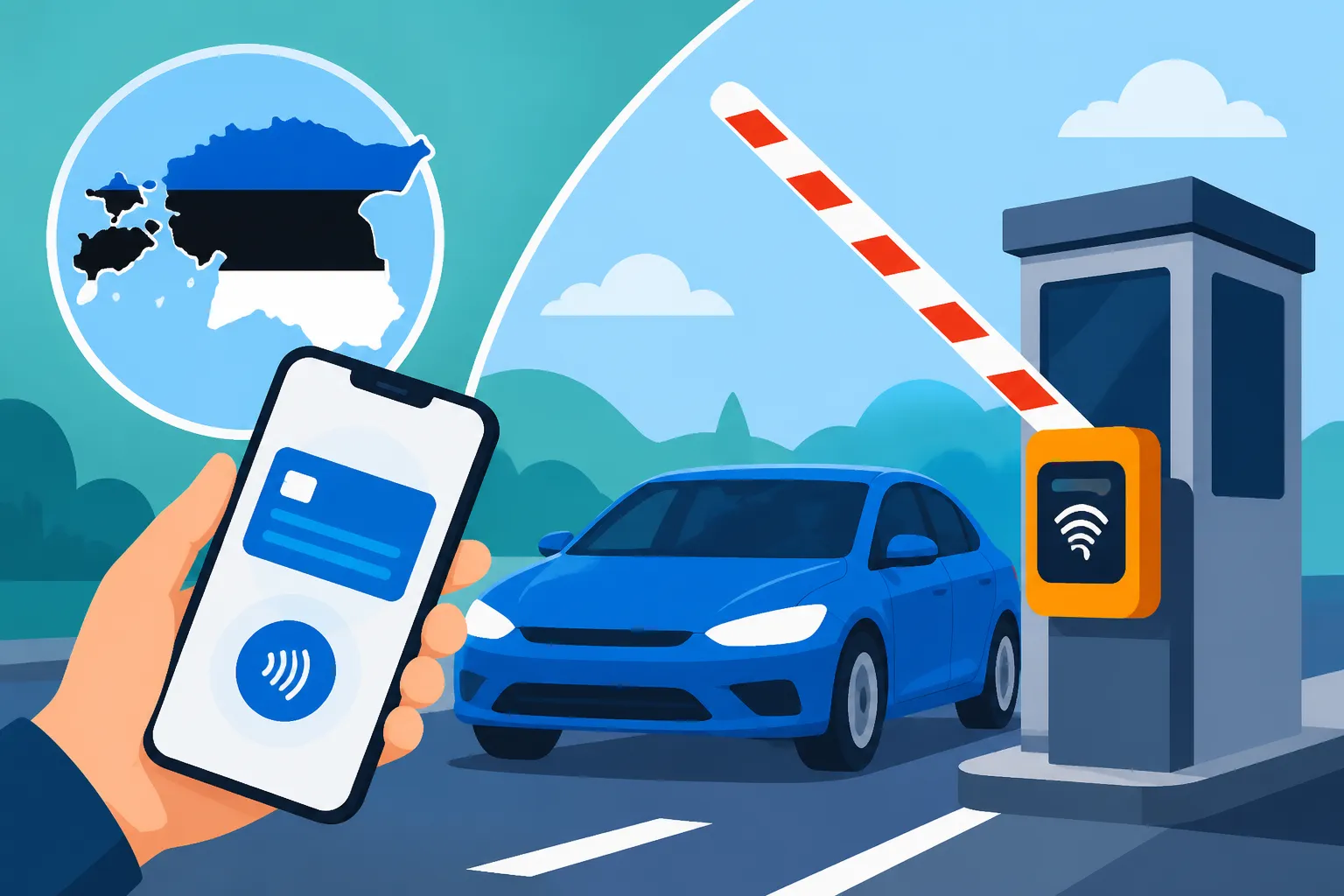
That's right, folks. You won't encounter toll booths, electronic gantries, or specific vignettes that you need to stick on your windscreen to use the general road network in Estonia. This is a significant difference from many other EU countries, where driving on major highways often means paying a fee per kilometre or purchasing a time-based sticker. Our beautiful, relatively uncongested roads are, by and large, free for passenger car use. So, you can cruise from Tallinn to Tartu, or head out to the coast, without worrying about stopping to pay a toll or getting a surprise bill in the mail later.
This absence is a welcome relief, especially if you're exploring the country or commuting between cities. It simplifies travel immensely and removes one layer of logistical planning that many expats dread. However, while you won't be paying traditional tolls, don't let this lull you into thinking vehicle ownership is entirely devoid of costs beyond fuel and insurance. There are other fees and taxes you absolutely need to be aware of, which we'll dive into shortly.
The Reality of Road User Charges for Heavy Vehicles
While passenger cars generally don't face road tolls, it's a different story for larger commercial vehicles. Estonia does implement a road user charge, often referred to as a heavy vehicle tax or raskeveokimaks, for heavy goods vehicles and buses that weigh over 3,500 kilograms. This charge is designed to cover the wear and tear these larger vehicles inflict on the road infrastructure and to contribute to maintenance and development.
This system primarily affects logistics companies, freight transporters, and bus operators, not your average expat driving their personal car. The fees for heavy vehicles depend on factors like the vehicle's total weight, the number of axles, and its emissions class. Payments are typically made online through the Estonian Transport Administration's (Transpordiamet) self-service portal, where operators can declare their vehicles and pay for specific periods of road use. It’s a digital system, much like many other things here in Estonia, which aims for efficiency, though it certainly adds to the operational costs for businesses in the transport sector.
So, if you're an expat bringing your family car or planning to buy a standard sedan, you can put the fear of toll roads out of your mind. But if you're running a business that involves heavy transport, then these charges are a significant part of your operational budget and require careful management through the official channels.
Navigating Estonia's Vehicle Registration and Upcoming Motor Tax
Okay, so no traditional tolls for your everyday car – great! But that doesn't mean driving in Estonia is free. There are definitely fees you'll encounter, especially when you first get your vehicle on the road and annually thereafter. Understanding these is crucial for budgeting and staying compliant.
Initial Vehicle Registration Fees and How to Pay
When you first move to Estonia with your car, or if you purchase a vehicle here, you’ll need to register it with the Estonian Transport Administration (Transpordiamet). This isn't just a formality; it's a legal requirement that ties your vehicle to the Estonian system and allows you to legally drive it on public roads. The registration process involves several steps and, naturally, some fees. These fees cover the administrative costs of processing your application, issuing new licence plates, and entering your vehicle's details into the national register. The exact cost can vary depending on whether it's a new registration, a change of ownership, or an imported vehicle, but typically involves fees for issuing the registration certificate and licence plates.
You'll usually make these payments directly to the Transport Administration. Often, this can be done conveniently online through their e-service portal, which is a common theme with Estonian bureaucracy – digital first! If you're importing a vehicle, you'll also need to ensure you have all the correct documentation, proof of ownership, and potentially pass a technical inspection before registration can be finalised. It's a bit of a process, and you might find yourself needing a reliable internet connection to navigate all the online forms and payment portals, so having a good mobile data plan, perhaps from a provider like Airalo, can be really helpful during those initial setup days. For more detailed steps, you might find our guide on how to register a car in Estonia as a foreigner quite useful.
The Proposed Motor Vehicle Tax: What Expats Need to Know
Now, here's where things get interesting and a bit more complex. As of late 2024, Estonia is on the cusp of introducing a new motor vehicle tax, often called the Automaaks. This is a significant change, as previously there was no annual motor vehicle tax for passenger cars based on emissions or weight. The proposed tax, slated to come into effect from 2025, includes two main components: a one-off registration fee and an annual tax.
The registration fee will be paid when a vehicle is first registered in Estonia or when ownership changes. The annual tax will then be applied every year. Both amounts are planned to be calculated primarily based on the vehicle's CO2 emissions and its weight. The aim is to encourage the purchase and use of more environmentally friendly vehicles. For example, a heavier car with higher CO2 emissions will face a substantially higher registration and annual tax than a lighter, electric vehicle. This means that older, larger, or more polluting vehicles will become more expensive to own and operate in Estonia. This new tax will be administered by the Estonian Tax and Customs Board (Maksu- ja Tolliamet), and payments will likely be managed through their e-MTA online portal, similar to other tax obligations. This change will certainly impact the overall cost of living in Estonia for anyone owning a car.
This upcoming tax has sparked a lot of debate among residents, and for good reason, as it represents a new financial burden for many. If you're planning to buy a car soon or have an existing one, it's crucial to follow the developments closely. The final details are still being ironed out, but it's almost certain to become a regular and mandatory expense for vehicle owners.
Understanding Technical Inspection Fees and Requirements
Beyond registration and the upcoming motor tax, every vehicle in Estonia is required to undergo periodic technical inspections (ülevaatus). This is a vital part of ensuring road safety and environmental compliance. Think of it as an MOT test if you're from the UK, or a similar safety and emissions check. The frequency of these inspections varies: newer cars typically need their first inspection after three years, then after two years, and eventually annually once they reach a certain age.
These inspections are carried out by approved private inspection stations across the country, not directly by the Transport Administration. Therefore, the fees for these inspections are paid directly to the service provider at the time of the inspection. The cost can vary slightly between different stations, but it’s generally a set fee for a standard passenger car inspection. What's more important than the fee itself is ensuring your car actually passes! If your vehicle fails, you'll need to get the necessary repairs done and then return for a re-inspection, which might incur additional costs. Keeping your vehicle well-maintained isn't just about avoiding these re-inspection fees; it’s about safety on the road for yourself and others. This is also why understanding the vehicle inspection (Ülevaatus) in Estonia is so important.
Mastering City Parking and Associated Costs
While national road tolls for passenger cars are a myth, local parking fees are very much a reality, especially in Estonia's larger towns and cities like Tallinn and Tartu. Ignoring these can lead to frustrating fines, so it's essential to understand how they work from day one.
Public Parking Zones and Payment Methods
In urban areas, particularly city centres, you'll encounter designated parking zones where fees apply. These zones are usually clearly marked with signs indicating the tariffs, operating hours, and payment methods. Tallinn, for instance, has several parking zones (e.g., city centre, Südalinn, Vanalinn/Old Town) with different prices, with the Old Town generally being the most expensive. It’s not uncommon to find similar systems in other larger cities, albeit perhaps with fewer zones or lower rates.
Payment for public parking is generally quite convenient and digital-friendly. You'll typically have several options:
- Mobile Apps: This is probably the most popular method among locals and savvy expats. Apps like Pargi.ee or Barking allow you to start and stop your parking session from your phone, so you only pay for the exact time you use. You register your car's licence plate, select the zone, and tap to start/stop. It’s incredibly convenient, especially if you’re unsure how long you’ll be.
- SMS Parking: Another popular option, particularly if you don't want to download an app. You send a specific SMS code to a designated number, including your car's registration number and the parking zone. Instructions are usually posted on parking signs.
- Parking Machines: Traditional parking meters are also available in many areas. These usually accept card payments, and sometimes coins, allowing you to purchase a ticket for a fixed duration to display on your dashboard.
Understanding these options and having at least one set up (like a mobile app) before you need to park can save you a lot of hassle and potential fines.
Dealing with Parking Fines: What to Do and How to Pay
So, what happens if you forget to pay, overstay your welcome, or accidentally park in a restricted zone? You'll likely find a yellow parking ticket (parkimistrahv) on your windscreen. Trust me, it’s not a fun discovery, but it’s a reality of city driving anywhere. The fines can be substantial, and it’s always best to deal with them promptly to avoid further penalties or issues.
The parking ticket itself will contain all the necessary information: the amount of the fine, the reason for it, and crucially, the payment instructions. These usually include a reference number (viitenumber) and the bank account details for the municipality or parking enforcement company. You'll need to make a bank transfer using this information. The e-MTA portal usually doesn't handle these specific local parking fines, so you'll be using your bank's online platform.
It's absolutely critical to use the correct reference number when paying a fine. Without it, your payment might not be attributed correctly, and you could still be pursued for the fine. If you’re unsure about anything on the ticket, don’t hesitate to ask a local friend or colleague for help, or contact the number provided on the ticket directly. Ignoring a parking fine is never a good idea, as it can escalate, leading to higher charges or even collection agency involvement, which is a headache no expat needs.
Other Important Vehicle-Related Financial Considerations
Beyond the direct road use and registration fees, there are several other financial aspects of owning and operating a vehicle in Estonia that expats should factor into their budget and planning. These might not be "tolls" in the traditional sense, but they are certainly "vehicle fees" that will impact your wallet.
Fuel Taxes and Indirect Costs of Driving
While there isn't a direct "road toll" per se, fuel prices in Estonia, like in many countries, include various taxes, such as excise duty and VAT. So, every time you fill up your tank, you are indirectly contributing to the road infrastructure and public services. The cost of petrol and diesel fluctuates, mirroring global market trends, but these taxes are a constant component.
These indirect costs become significant over time, especially if you drive frequently or own a vehicle with poor fuel efficiency. When considering the overall cost of living in Estonia, your fuel consumption can be a surprisingly large part of your monthly expenses. There's no separate payment mechanism for these taxes; they are simply embedded in the price you pay at the pump. It’s just part of the reality of driving.
Insuring Your Vehicle in Estonia: A Mandatory Expense
One of the most critical and mandatory costs associated with vehicle ownership in Estonia is insurance. You absolutely cannot drive a vehicle legally on Estonian roads without valid motor third-party liability insurance (kohustuslik liikluskindlustus). This covers damages you might cause to another vehicle or property, or injuries to other people, in an accident. It's not optional; it's the law.
The good news is that getting insurance is relatively straightforward. You can compare quotes from various providers such as ERGO, If P&C Insurance AS, and Swedbank Kindlustus to find a policy that suits your needs and budget. The cost of your insurance will depend on several factors, including your driving history, the type and age of your vehicle, your age, and sometimes even where you live. Many insurance companies offer online portals where you can get quotes and purchase policies quickly. While third-party liability is mandatory, many expats also choose to get comprehensive insurance (kaskokindlustus) for their own peace of mind, which covers damages to your own vehicle, theft, and other incidents. This is an additional, but often recommended, expense to protect your investment.
Table: Overview of Estonian Vehicle-Related Fees
| Fee Type | Purpose | Payment Authority/Method | Frequency | Notes |
|---|---|---|---|---|
| Traditional Road Tolls | Access to specific roads/highways | N/A | N/A | Not applicable for passenger cars in Estonia. |
| Heavy Vehicle Charge | Road use by vehicles >3,500kg (trucks, buses) | Estonian Transport Administration (online) | Per period of use | Mandatory for commercial heavy transport. |
| Registration Fee | Initial vehicle registration, change of ownership, import | Estonian Transport Administration (online) | One-off (per event) | Required to legally operate vehicle in Estonia. |
| Annual Motor Tax | Proposed tax based on CO2 & weight (from 2025) | Estonian Tax and Customs Board (e-MTA) | Annually | New upcoming tax, check for latest details. |
| Technical Inspection | Ensures vehicle roadworthiness & environmental compliance | Approved private inspection stations | Periodically (1-3 yrs) | Mandatory for all vehicles. |
| Parking Fees | Parking in designated urban zones | Mobile Apps (e.g., Pargi.ee), SMS, Machines | Per use | Varies by city/zone; fines for non-payment. |
| Fuel Taxes | Indirect contribution to road infrastructure, public services | Included in fuel price | Per litre purchased | Excise duty and VAT included in pump price. |
| Motor Third-Party Ins. | Mandatory liability coverage for damages to others | Various insurance providers | Annually (or monthly) | Legal requirement to drive in Estonia. |
Remember, navigating all these vehicle-related requirements and costs is part and parcel of settling into life as an expat in Estonia. It’s a learning curve, but with a bit of research and a proactive approach, you'll be driving around the beautiful Estonian landscapes with confidence!
Disclaimer
Please note that while I strive to provide accurate and up-to-date information, regulations and laws in Estonia can change. The information provided in this guide is for general informational purposes only and does not constitute legal or financial advice. Always consult official government sources, the Estonian Transport Administration, the Tax and Customs Board, or a qualified legal or financial professional for the most current and specific advice pertaining to your individual situation. The proposed motor vehicle tax, in particular, is subject to change before its final implementation.