What Should Retirees Know About Healthcare Costs in Estonia?
Moving to Estonia for your retirement years sounds absolutely charming, doesn't it? The quiet towns, the beautiful nature, the digital ease of life… it's a dream for many. But let's be realistic for a moment: navigating an entirely new healthcare system, particularly as a retiree, can feel like stepping into a bureaucratic maze with a foreign language rulebook. This guide is here to help you understand the specific healthcare costs and options you'll face in Estonia, easing your transition and helping you plan for a healthy retirement.
Navigating Estonia's Healthcare System as a Retiree
When you first arrive, the Estonian healthcare system can seem a bit like a mystery, especially if you're used to something entirely different from your home country. Estonia operates primarily on a social insurance model, managed by the Estonian Health Insurance Fund (Haigekassa, now officially known as Tervisekassa). This means access to public healthcare is generally tied to social tax payments or specific residential statuses. For retirees, this can get a little tricky. You're not typically working, so your eligibility might stem from other sources or require careful planning.
The biggest hurdle for many expats, regardless of age, is figuring out if they're actually in the system. It’s not automatic just because you live here. You need to understand the nuances between being an EU/EEA/Swiss citizen and a third-country national, as your path to public healthcare will be vastly different. Ignoring these differences can lead to unexpected bills or, worse, a lack of access when you truly need it.
Public vs Private Healthcare for Retirees
Estonia offers both public and private healthcare options, and understanding which one is right for you, or even accessible to you, is crucial. The public system, funded by the Tervisekassa, covers a wide range of services, from family doctor visits to specialist care, hospital treatments, and prescription reimbursements, provided you are an insured person. However, there are typically co-payments and uncovered services, even within the public system. For retirees, the challenge often lies in qualifying for Tervisekassa coverage in the first place.
Private clinics, on the other hand, offer faster access, often more English-speaking staff, and a wider choice of specialists without needing a referral from a family doctor. The catch, of course, is the cost, which you'll bear fully out-of-pocket unless you have private health insurance. Many retirees find themselves using a mix of both systems, relying on private options for convenience or services not adequately covered by Tervisekassa, or opting for comprehensive private coverage from the start.
The Realities of Being a New Retirement Resident
So, you've decided to retire in Estonia – fantastic! But before you pack your bags, it's vital to grasp the initial realities of healthcare access. For most non-EU/EEA/Swiss retirees, securing a residence permit often requires private health insurance for the initial period. This isn't just a suggestion; it's a mandatory document you'll need for your application. Even if you're an EU citizen, relying solely on your European Health Insurance Card (EHIC) is only for temporary stays or medically necessary treatment. It's not a substitute for proper residency-based health insurance once you're living here long-term.
The initial period of settling in can be unsettling without proper health coverage. You might experience what’s known as a "waiting period" before you're fully integrated into the Tervisekassa system, even if you eventually qualify. During this time, every cough, every ache, every unexpected fall could lead to a significant bill. This is why having robust private insurance, perhaps from an international provider like SafetyWing, is often recommended for those first few months to a year, bridging the gap until your local status is confirmed.
Understanding Eligibility and Coverage Under Tervisekassa
The Tervisekassa system is the backbone of Estonian healthcare, but getting into it as a retiree can be a bit of a labyrinth. It’s not as simple as just moving here and expecting to be covered. Your previous employment history, citizenship, and even your current financial status can all play a role.
EU/EEA/Swiss Citizens and Tervisekassa Access
For retirees from the European Union, European Economic Area, or Switzerland, the path to Tervisekassa coverage is usually linked to your pension from your home country. If you receive a pension from an EU/EEA/Swiss member state and are relocating to Estonia as your permanent residence, you generally remain insured by your home country's health insurance institution. This institution will then register you with the Estonian Tervisekassa. You'll need to apply for an S1 form (or its equivalent) from your home country's social security institution, which then needs to be submitted to the Tervisekassa in Estonia. This process ensures that your healthcare costs are ultimately reimbursed by your previous country of insurance.
It's crucial to get this S1 form sorted before or soon after you arrive, as it's the key to unlocking your public healthcare rights here. Without it, even as an EU citizen, you might face complications or delays in getting full Tervisekassa benefits, leaving you in a vulnerable position financially. You’ll want to review the official Tervisekassa guidelines on registering your foreign pension entitlements to ensure you follow the correct steps, because one wrong turn can add months to your wait.
Third-Country Nationals and the Tervisekassa Challenge
If you're retiring from outside the EU/EEA/Switzerland, your journey to Tervisekassa coverage is considerably more challenging. Unlike EU citizens whose eligibility can be derived from their home pension, third-country nationals generally need to either:
- Be employed in Estonia: This is unlikely for most retirees.
- Be a registered spouse of an insured person: If your spouse is working in Estonia and contributing social tax, you might be covered as a dependent.
- Receive specific social benefits: This is often tied to long-term residency and certain criteria that might not apply to new retirees.
For many non-EU retirees, gaining direct Tervisekassa coverage simply isn't an option. This means private health insurance isn't just a recommendation; it's a fundamental necessity. Not only will it be required for your residence permit application, but it will also be your primary means of accessing affordable healthcare throughout your retirement in Estonia. Make sure any private policy you choose meets the requirements for your Estonian residence permit, particularly regarding the coverage limits and duration.
Understanding the "Waiting Period" and Its Implications
One of the most anxiety-inducing aspects of transitioning to a new country's healthcare system is the waiting period. This isn't just about when your Tervisekassa status becomes active, but also about what happens if you need medical attention before that status is confirmed. For EU citizens awaiting S1 processing or non-EU citizens who might eventually qualify through a spouse, there can be a gap. During this gap, you are not publicly insured.
If you fall ill or have an accident during this waiting period, you'll be responsible for the full cost of any medical care received. This can quickly accumulate into thousands of euros, especially for emergency services or hospital stays. This is precisely why having a robust private health insurance plan is so important. Companies like SafetyWing offer flexible plans that can cover you during these transitional periods, ensuring you're not left in a financial lurch should the unexpected happen. It’s a peace-of-mind investment that can literally save you from financial catastrophe.
Out-of-Pocket Expenses and Uncovered Services for Retirees
Even when you are successfully integrated into the Tervisekassa system, it's important to understand that public healthcare in Estonia isn't entirely "free." There are various co-payments, fees, and services that aren't fully covered, which can add up, especially on a fixed retirement income. Planning for these potential out-of-pocket costs is a crucial part of managing your healthcare budget.
Doctor Visits and Specialist Referrals
When visiting your family doctor, known as a perearst, there is typically no direct fee if you are covered by Tervisekassa. This is a significant relief, as your perearst acts as your primary point of contact and gatekeeper for specialist care. However, if you see a specialist, you will usually encounter a co-payment (visiiditasu). This fee is generally quite modest, often around 5 euros, but it's per visit, so multiple appointments can certainly make a dent. The good news is that certain groups, including some retirees, might be exempt from this fee, so always check with the clinic or the Tervisekassa directly.
What can be more impactful are the potential waiting times for specialist appointments within the public system. While the co-payment is small, waiting several weeks or even months for a specific specialist can be frustrating. This is a common area where many expats, including retirees, consider using private clinics to expedite access, even if it means paying significantly more out of pocket for the consultation. You can learn more about how to access specialist care through the public system and what to expect regarding referrals and waiting times.
Prescription Medications and Reimbursement
Estonia has a comprehensive system for prescription medications, but again, it’s not entirely free. The Tervisekassa offers partial reimbursement for many prescribed drugs, with different percentages of the cost covered depending on the medication and its necessity. Common reimbursement rates are 50%, 75%, or 90%. You’ll pay a portion of the cost yourself, which can range from a few euros to a substantial amount for expensive, long-term medications.
To utilize the reimbursement system, your doctor will issue a digital prescription (digiretsept), which is linked to your Isikukood. You simply go to any pharmacy (apteek), present your ID card, and the pharmacist will see your prescription and apply the Tervisekassa reimbursement directly. It’s a very convenient system, but retirees on multiple medications should budget for regular out-of-pocket prescription costs. It's always a good idea to discuss the cost of your medications with your doctor and pharmacist, especially if you have chronic conditions requiring ongoing treatment. You can find a complete overview of the system in our guide on Prescription Medications and Pharmacies in Estonia.
Hospital Stays and Emergency Care
For Tervisekassa-insured retirees, emergency medical care in Estonia is generally well-covered. If you experience a sudden illness or accident requiring urgent attention, you'll be able to access the necessary treatment without upfront payment. The emergency phone number, 112, connects you to ambulance services and emergency departments. For planned hospital stays, most costs related to treatment, procedures, and basic ward accommodation are covered by Tervisekassa.
However, be aware of "bed-day fees" (voodipäevatasu) for inpatient hospital care. This is a daily fee, currently around 2.50 euros per day, capped for a maximum of 10 days per hospitalisation. While not a huge sum, it’s an additional out-of-pocket expense to consider. Also, if you opt for a private room or other non-essential comforts during a hospital stay, those costs will typically be your responsibility. Knowing what to do in an emergency situation and what to expect from Emergency Medical Care in Estonia is crucial for peace of mind.
Dental Care: The Big Exception for Most
Here's where many retirees face a significant financial shock: dental care in Estonia is largely not covered by the Tervisekassa for adults. This is a major difference from many other European countries and can lead to substantial out-of-pocket expenses. There are some very limited adult dental benefits, primarily for those over 63 years old, offering a small annual reimbursement (currently 85 euros). This reimbursement, however, usually covers only a fraction of common dental procedures.
For any significant dental work – fillings, crowns, root canals, extractions, or dentures – you will be paying the full price. Dental costs in Estonia can be comparable to or even higher than those in some Western European countries. Many expats budget a significant amount specifically for dental work or consider returning to their home country for more complex treatments if it’s more affordable there. It's truly a critical area to plan for financially, as comprehensive dental insurance is a separate offering and not part of standard Tervisekassa coverage. Understanding Dental Care and Adult Dental Benefits in Estonia is essential for all retirees.
Considering Private Health Insurance and Supplemental Options
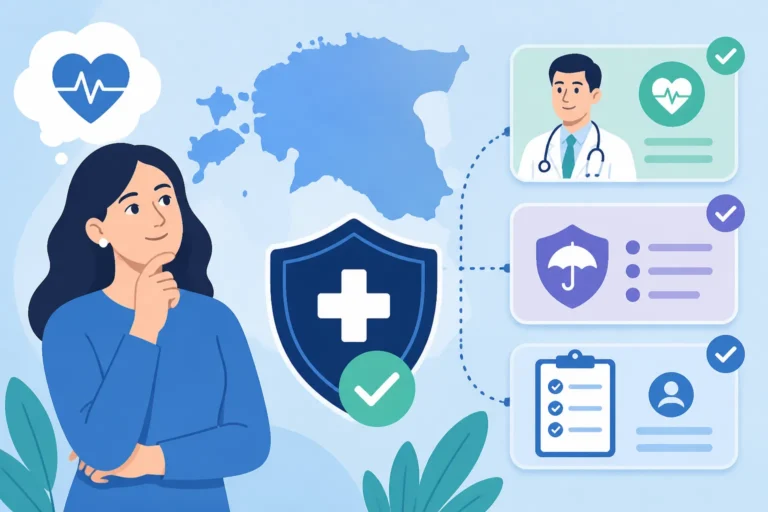
Given the nuances of Tervisekassa eligibility and the gaps in public coverage, especially for dental care and potential waiting times, many retirees wisely consider private health insurance or supplemental options. This isn't just about meeting residence permit requirements; it's about securing comprehensive coverage and peace of mind.
When Public Isn't Enough: Addressing Gaps or Waiting Periods
Even if you are eligible for Tervisekassa, there are compelling reasons to consider additional private insurance. As discussed, dental care is a significant gap. Furthermore, for non-EU retirees, Tervisekassa might simply not be an option, making private insurance a full necessity. Private insurance can also provide quicker access to specialists, a wider choice of doctors (including more English-speaking options), and cover for services that Tervisekassa might deem non-essential or have long waiting lists for.
Think of it as filling in the holes in your safety net. Perhaps you want the option of a private hospital room, or you desire immediate access to a specific specialist without waiting for a referral. Private insurance caters to these preferences, giving you more control over your healthcare experience. For those who are still in the process of gaining Tervisekassa eligibility, private insurance is an absolute must to cover you during that interim period, preventing any nasty surprises from medical bills.
Comparing Private Providers and What to Look For
Choosing a private health insurance provider requires careful consideration, especially for retirees. You'll want to look at a few key factors:
- Coverage Limits: Does the policy offer high enough limits for hospital stays, surgeries, and specialist consultations?
- Age Limits and Premiums: Some policies have upper age limits, or premiums can become significantly higher as you age. Shop around and be transparent about your age and medical history.
- Pre-existing Conditions: This is a big one for retirees. Many policies will have exclusions or waiting periods for pre-existing conditions. Understand these terms clearly before committing.
- Dental and Vision Coverage: If these are important to you (and they usually are for retirees), check if they are included or available as an add-on.
- Geographic Coverage: Does the policy cover you only in Estonia, or internationally? This is important if you travel frequently.
- Reputation and Service: Look for providers with good reviews and strong customer service, especially if you anticipate needing assistance with claims or understanding policy terms.
Major Estonian banks like Swedbank and SEB often partner with insurance companies to offer private health insurance. International providers like SafetyWing are also popular among expats for their flexible and often more comprehensive global coverage options, which can be particularly useful for retirees who might split their time between Estonia and other countries, or who want coverage during those initial transitional periods. When exploring private options, always get multiple quotes and read the fine print carefully. Our guide on Understanding Private Health Insurance Plans in Estonia delves deeper into these choices.
The Role of Travel Insurance in the Initial Phase
Before you have settled on a long-term private health insurance plan or gained Tervisekassa coverage, travel insurance can play a critical role, especially for non-EU retirees coming for a visit or the initial steps of their residence permit. It's often required for visa applications and provides essential coverage for medical emergencies and unforeseen events during your travel and initial stay. However, remember that standard travel insurance is designed for short-term trips and emergencies, not as a comprehensive replacement for long-term health insurance.
While a solid travel insurance policy from a company like SafetyWing might cover you for acute illnesses or accidents during your initial weeks or months, it won't cover routine check-ups, chronic condition management, or pre-existing conditions in the same way a comprehensive private health insurance plan would. Think of it as a crucial stop-gap, but not the ultimate solution for a healthy retirement in Estonia.
Essential Steps for Accessing Healthcare and Managing Your Records
Regardless of whether you primarily use public or private healthcare, there are fundamental administrative steps you absolutely must take to ensure smooth access to medical services in Estonia. These steps involve getting your essential personal identification and understanding the country's highly digital healthcare infrastructure.
Getting Your Isikukood: The First Crucial Step
Your Isikukood, or personal identification code, is the magic key to almost everything in Estonia, and healthcare is no exception. It's a unique 11-digit number assigned to every resident, and without it, accessing medical services, getting prescriptions, or even registering with a family doctor can be incredibly difficult, if not impossible. Think of it as your social security number and health ID rolled into one. You'll usually receive your Isikukood when you register your place of residence in Estonia, or as part of your residence permit application process.
Make sure you prioritize getting this done as soon as you are able to. Keep your ID card (ID-kaart) with you, as it often contains your Isikukood and is used to authenticate your identity at medical appointments and pharmacies. You can find more detailed information on how to get your Isikukood and why it matters for healthcare in our dedicated guide.
The Digilugu System: How to Access Records and Manage Appointments
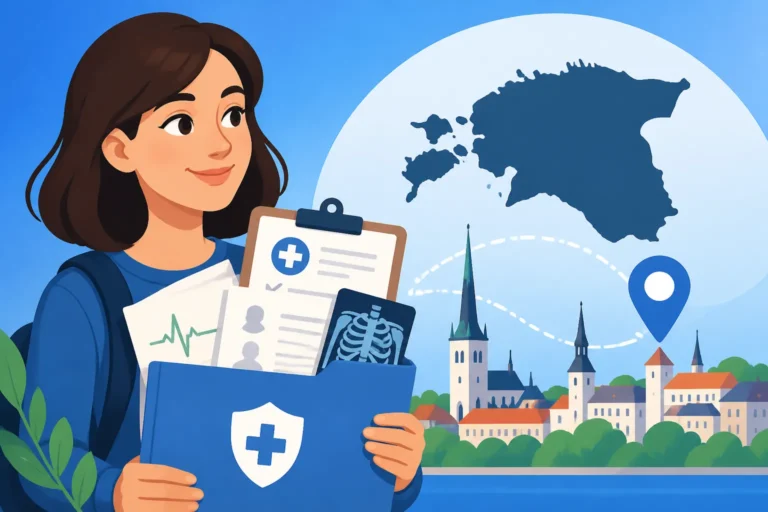
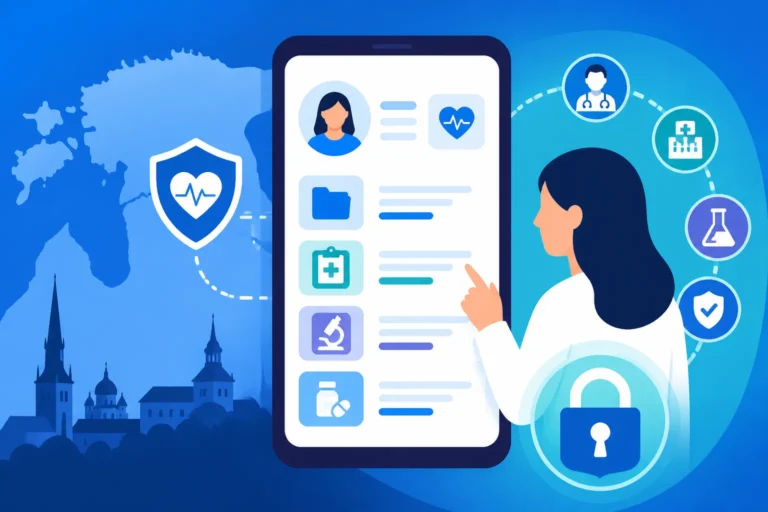
Estonia is famous for its digital government, and healthcare is truly at the forefront of this. The Digilugu, or national digital health record system, allows you to access your personal medical history, view your prescriptions, and see your referrals online. It's a fantastic tool, but it requires you to have your Isikukood and an Estonian ID card with active digital certificates (or Mobile-ID/Smart-ID) to log in. Once you're in, you can track your health, see lab results, and even review your healthcare bills.
Familiarizing yourself with the Digilugu portal is highly recommended for all retirees. It empowers you to be an active participant in managing your health, rather than just a passive patient. It’s also where your family doctor and specialists will record all your visits and treatments, making continuity of care much smoother. Our guide on Understanding the Digilugu Digital Health Record System in Estonia provides a comprehensive walkthrough.
Finding an English-Speaking Doctor: A Common Expat Challenge
While many medical professionals in Estonia, especially younger ones and those in Tallinn and Tartu, speak excellent English, finding an English-speaking family doctor (perearst) can still be a challenge, particularly outside the larger cities. Family doctors have patient lists, and if their list is full, they might not be able to accept new patients. This can be frustrating when you’re trying to settle in.
When looking for a perearst, start by checking the Tervisekassa website, which often lists doctors accepting new patients. Many private clinics, such as Confido or Synlab, also have English-speaking general practitioners available, though you'll pay out-of-pocket for these visits if you don't have private insurance. Don't be afraid to call clinics and directly ask about the availability of English-speaking staff. It’s worth the effort to find a doctor you can communicate comfortably with, especially for ongoing health management in your retirement. Our article on The Expat Guide to Finding a Family Doctor Perearst in Estonia offers helpful strategies.
Practical Cost-Saving Tips and Considerations
Retiring means living on a fixed income for most, so every euro counts. While healthcare costs are inevitable, there are strategies you can employ to minimize your out-of-pocket expenses and make your retirement funds go further.
The Importance of Preventative Care
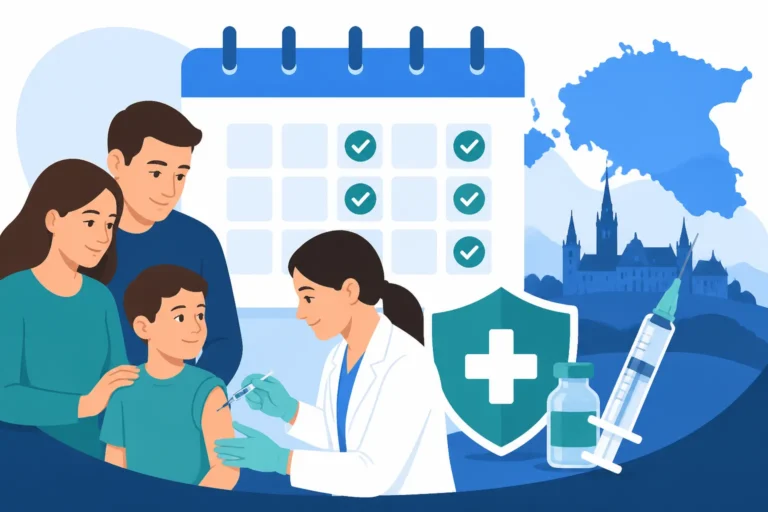
An ounce of prevention is worth a pound of cure, as the old saying goes, and this is especially true in healthcare. Regular check-ups with your family doctor, keeping up with recommended screenings (like blood pressure, cholesterol, diabetes screenings), and maintaining a healthy lifestyle can help catch potential issues early before they become costly emergencies. Many preventative services are covered by Tervisekassa, making them easily accessible.
Don't skip your annual check-ups just because you feel fine. Your family doctor is your first line of defense and can offer advice on diet, exercise, and lifestyle adjustments that can significantly impact your long-term health and reduce the need for more expensive, specialized treatments down the line. It's an investment in your future health and your financial well-being.
Understanding Out-of-Pocket Maximums and Co-pays
When evaluating either Tervisekassa benefits or private insurance policies, pay close attention to the details regarding co-pays (visiiditasu), deductibles, and out-of-pocket maximums. While Tervisekassa's co-pays are generally low, private insurance policies can have higher deductibles (the amount you pay before insurance kicks in) and varying co-payment structures. Understanding these figures will help you budget for unexpected medical expenses.
For retirees, a policy with a clear and manageable out-of-pocket maximum can offer significant peace of mind. This is the most you'll have to pay for covered services in a given year, protecting you from truly catastrophic medical bills. Always ask your private insurer about their annual out-of-pocket limits and how they apply to the services you anticipate needing most.
Considering Geographical Impact on Healthcare Access and Costs
Your chosen retirement location within Estonia can also influence your healthcare experience and associated costs. Tallinn and Tartu, being the largest cities, generally offer the widest range of medical specialists, more private clinics, and a higher likelihood of finding English-speaking staff. This concentration of services can mean more options and potentially shorter waits if you opt for private care.
However, living in a smaller town or rural area might mean traveling to a larger city for specialist appointments, adding transportation costs and time to your healthcare expenses. While your local family doctor will still be accessible, choices for dental care, optical services, or specific therapies might be more limited or require a journey. Factor these potential travel expenses and time commitments into your overall cost of living and healthcare budget if you're considering a more remote retirement location.
Table: Tervisekassa vs. Private Health Insurance for Retirees in Estonia
To summarize the key differences and help you decide which path, or combination, is best for your retirement in Estonia, here's a quick overview:
| Feature | Tervisekassa (Public Health Insurance) | Private Health Insurance |
|---|---|---|
| Eligibility (EU/EEA) | Based on S1 form from home country pension. | Available to all, subject to policy terms. |
| Eligibility (Non-EU) | Generally requires employment or specific social benefits. Very difficult for typical retirees. | Required for residence permit; primary option for coverage. |
| Cost | Covered by social taxes from home country (S1) or local contributions. Co-pays apply. | Paid premiums (monthly/annually), deductibles, co-pays apply. |
| Doctor Visits | Family doctor (Perearst) usually free. Specialist co-pays (approx. 5€). | Full cost covered after deductible/co-pay, often no referral needed. |
| Specialist Access | Referral needed from Perearst. Can have waiting lists. | Direct access to specialists, shorter wait times. |
| Prescription Meds | Partial reimbursement (50-90%), you pay the remainder. | Coverage varies by policy; some plans include full or partial. |
| Hospital Care | Mostly covered, small bed-day fee (approx. 2.50€/day, max 10 days). | Mostly covered, subject to policy limits, deductibles. Option for private rooms. |
| Emergency Care | Fully covered if Tervisekassa insured. | Fully covered if Tervisekassa insured OR by private policy. |
| Dental Care | Very limited annual reimbursement (approx. 85€ for over 63s). Mainly out-of-pocket. | Usually an add-on; coverage varies greatly, often with limits. |
| Digital Records | Full access via Digilugu (with Isikukood & ID-kaart). | Access limited to private clinic records, not national Digilugu. |
| Required for RP | No, unless through S1 for EU citizens. | Yes, often mandatory for non-EU residence permits. |
Disclaimer
The information provided in this guide is for general informational purposes only and does not constitute medical, financial, or legal advice. While we strive to keep the content up-to-date and accurate, healthcare regulations, costs, and insurance policies in Estonia are subject to change. Always consult with official Estonian authorities, the Tervisekassa, qualified financial advisors, or legal professionals for personalized advice regarding your specific situation. Reliance on any information in this guide is solely at your own risk.