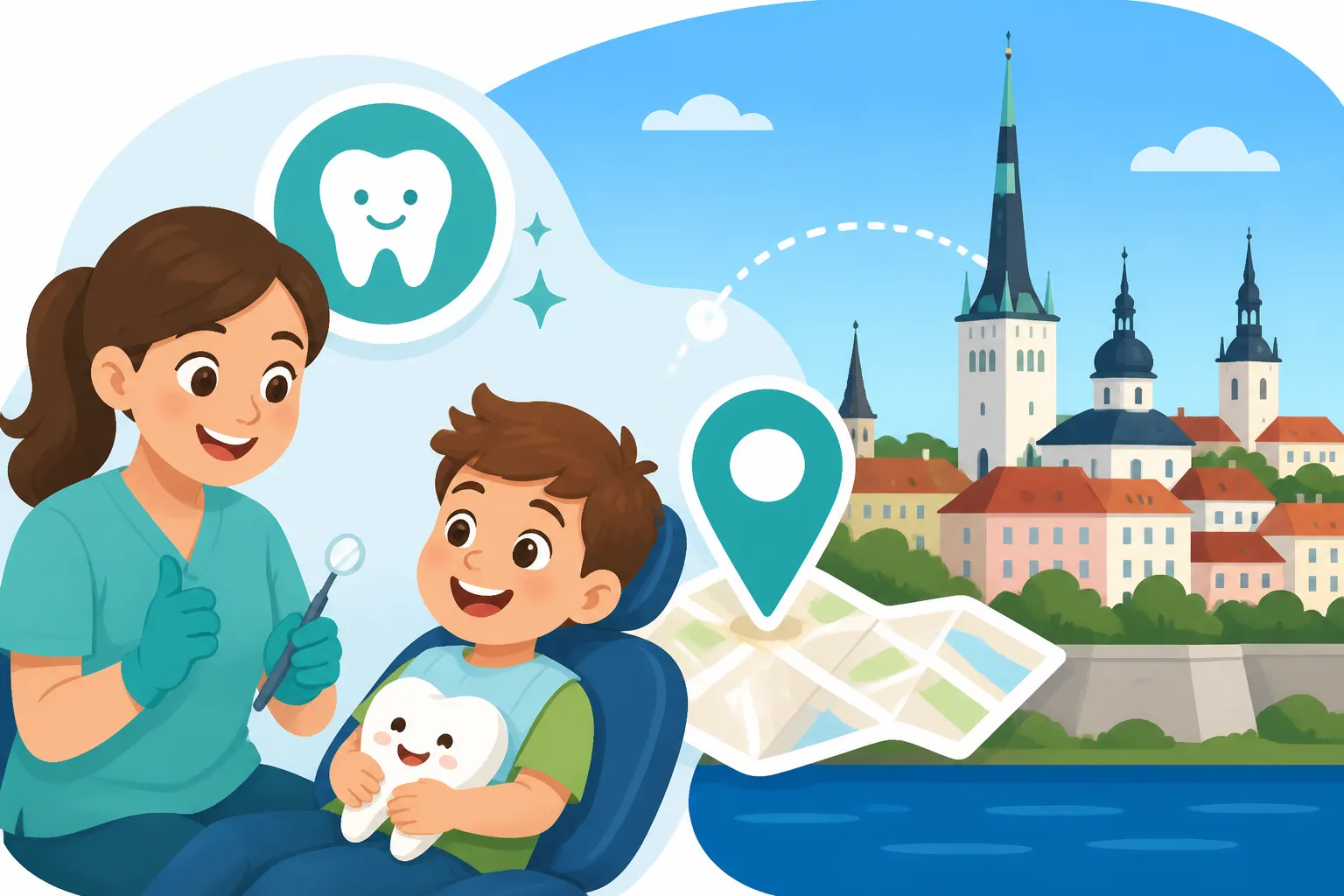
How Do I Find a Paediatric Dentist in Tallinn?
Trying to find a paediatric dentist in a new country like Estonia, especially for your child who might already be nervous about dental visits, can feel like navigating a maze blindfolded. The language barrier, different healthcare systems, and simply not knowing where to begin can add a huge layer of stress to what should be a routine or necessary health matter. This comprehensive guide is here to cut through the confusion, offering a step-by-step roadmap to finding excellent paediatric dental care for your little ones in Tallinn, ensuring their pearly whites are in the best hands possible.
Understanding Paediatric Dental Care in Tallinn for Expats
When you first arrive in Estonia, one of the many things that might catch you off guard is how different the healthcare system operates compared to what you’re used to back home. Dental care, especially for children, has its own unique quirks. It's not just about finding any dentist; it's about finding the right one that understands the specific needs of children, can communicate effectively with both you and your kiddo, and operates within a framework you can trust.
Why Finding the Right Dentist for Your Child Matters
Children are not just miniature adults, and their dental needs are vastly different. From erupting primary teeth to developing permanent ones, their mouths are constantly changing. A paediatric dentist, also known as a children's dentist, has undergone specialised training beyond general dentistry to address these unique needs. They understand child psychology, can make a potentially scary experience fun and engaging, and are experts in preventative care, early detection of issues, and managing dental emergencies in young patients. For expat children, the added layer of cultural differences and language barriers makes this expertise even more crucial. Imagine your child, already apprehensive, struggling to understand instructions or comfort from a dentist who only speaks Estonian – it's a recipe for a truly traumatic experience. That’s why an English-speaking paediatric dentist can be a godsend.
Moreover, children's oral health lays the foundation for their overall well-being. Poor dental hygiene or untreated issues in childhood can lead to more significant problems down the line, affecting speech, eating habits, and even self-confidence. As an expat parent, you're already juggling so much, and ensuring your child's health is paramount. Investing time in finding a good paediatric dentist now will save you a lot of heartache (and potentially money) in the future. Don't underestimate the power of a positive first dental experience in shaping your child's attitude towards oral hygiene for life.
Public vs. Private Options: What to Expect
In Estonia, the healthcare system, including dental care, has both public and private options. For children, the situation is thankfully quite favourable within the public system. The Estonian Health Insurance Fund, or Tervisekassa, generally covers necessary dental care for children up to 19 years of age. This is a huge relief for many expat families, especially those who are already covered by the Tervisekassa through employment or residency. Understanding how Estonia's Health Insurance Fund (Tervisekassa) works: A Full Overview is essential here. This coverage typically includes check-ups, fillings, extractions, and preventative treatments like fissure sealants and fluoride applications. However, it’s important to note that orthodontic treatments are usually only partially covered, or covered under specific medical indications.
Despite the generous public coverage for children, many expat parents still consider private dental clinics in Tallinn, and for good reason. Private clinics often offer shorter waiting times for appointments, a wider choice of English-speaking dentists, and a more modern, child-friendly environment. They might also have a broader range of specialised services or advanced equipment that might not be readily available in all public settings. While you'll be paying out-of-pocket or relying on private health insurance, the peace of mind and convenience can often be worth the extra expense. For those weighing their options, our guide on Public vs Private Healthcare in Estonia: Which Should Expats Choose? delves deeper into these considerations. Ultimately, the choice between public and private will depend on your family's specific needs, budget, and how quickly you need an appointment.
Navigating the Search: Practical Steps to Find a Paediatric Dentist
Okay, so you’ve arrived in Tallinn, your child has a wiggly tooth, or perhaps it’s time for a routine check-up, and you’re staring at your phone, wondering where on earth to begin. The sheer number of clinics can be overwhelming, and deciphering which ones cater to children, let alone expat children, can feel like a daunting task. But fear not, there are clear, actionable steps you can take to make this search much less painful.
Starting Your Search: Online Resources and Expat Networks
The first port of call for many expat parents is, understandably, the internet. A simple Google search for "paediatric dentist Tallinn English" or "laste hambaravi Tallinn" (children's dentistry Tallinn) will give you a starting point. Look for clinics that explicitly mention "paediatric dentistry," "children's dental care," or "lastearst" (though this specifically means family doctor, sometimes dental clinics use similar terms or indicate their services for children). Many clinics in Tallinn, especially those with an international client base, will have English versions of their websites, clearly listing their services and often providing details about their dentists' language proficiencies.
Beyond direct searches, don't underestimate the power of expat communities. Facebook groups like "Expats in Tallinn" or "Tallinn Parents" are goldmines of personal recommendations and candid reviews. You can post your query directly, asking for suggestions for English-speaking paediatric dentists. Fellow expat parents have been exactly where you are and can offer invaluable insights into specific clinics, dentists, and even share tips on how they manage dental visits with their own children. Often, these groups will also have recurring threads or files where such recommendations are compiled, so it’s worth checking those too. Remember, word-of-mouth is still one of the most reliable forms of referral, especially in a close-knit expat community. If you're still getting settled, ensuring you have your Isikukood (personal code) is crucial, as it matters for almost all healthcare services, including dental. How to Get Your Isikukood (Personal Code) and Why It Matters for Healthcare provides a detailed guide on this.
Key Considerations When Choosing a Clinic
Once you have a list of potential clinics, it's time to narrow down your options based on several critical factors. Top of the list for most expat families is, of course, language. Call the clinic directly and ask if they have dentists or dental assistants who are proficient in English. It's not enough for the receptionist to speak English; your child needs to be able to understand and communicate with the person who will be working in their mouth. Many clinics in Tallinn are well-equipped to handle international clients, but it's always best to confirm.
Location and accessibility are also paramount. Is the clinic easy to reach from your home or your child's school? Is there public transport access or convenient parking? A long, complicated journey can add to a child's anxiety even before they step into the clinic. Consider the clinic environment itself – does it look welcoming and child-friendly? Are there toys, colourful decor, or a dedicated play area? These small details can make a huge difference in calming a nervous child. Finally, inquire about payment options and direct billing if you have private insurance. While the Tervisekassa covers much for children, it's good to know your financial obligations upfront. You might also want to ask about an initial consultation, where you and your child can meet the dentist, see the clinic, and discuss any concerns without immediate treatment. This "meet and greet" can be invaluable for building trust and rapport.
Important Aspects of Paediatric Dental Visits in Estonia
So, you've found a promising clinic and have an appointment booked. Great! But before you head out the door, there are a few more things to understand about paediatric dental visits in Estonia, particularly regarding costs and how to prepare your child for what might be a new experience for them in a new country.
Costs and Insurance Coverage
As we touched upon, dental care for children up to 19 years of age is largely covered by the Tervisekassa, provided the clinic has a contract with them. This is a significant benefit, as it means routine check-ups, fillings, and necessary extractions are typically free at the point of service. However, it’s vital to confirm that your chosen clinic does indeed have a contract with the Tervisekassa for child dental services. Not all private clinics do, and if they don't, you'll be footing the entire bill yourself. When you call to book, make sure to ask: "Kas teil on Tervisekassa leping laste hambaraviga?" (Do you have a Tervisekassa contract for children's dental care?).
For services not covered by Tervisekassa, such as certain orthodontic treatments, cosmetic procedures, or if you opt for a private clinic without a Tervisekassa contract, you will be responsible for the costs. Dental treatment costs can vary, and it's always wise to ask for an estimated price list or a quote before proceeding with extensive treatments. You can get a general idea from our guide on The Cost of Healthcare in Estonia: A Complete Breakdown for Foreigners (2026), but dental specifics might differ. If you have private health insurance, either purchased locally or from an international provider like SafetyWing, check your policy carefully. Some private plans offer broader dental coverage, which could be beneficial for those instances where Tervisekassa doesn't fully cover a service, or if you prefer the flexibility of private clinics. Just remember to confirm with your insurance provider what exactly is covered and what the claims process looks like.
Preparing Your Child (and Yourself) for the Visit
Bringing your child to the dentist, especially for the first time in a foreign country, requires a bit of preparation to make it a positive experience. Start by talking about the visit in a positive and calm manner. Avoid using fear-inducing words like "hurt," "pain," or "needle." Instead, focus on the positive aspects: "The dentist will count your teeth," "They'll make your teeth sparkle," or "We'll meet a friendly person who helps keep your smile healthy." You can read children's books about dental visits or watch short, positive videos together.
For younger children, role-playing can be incredibly effective. Let them be the dentist and you the patient (or vice versa), using a toothbrush to count teeth or gently "clean" them. This familiarises them with the process and demystifies the tools. On the day of the appointment, ensure your child is well-rested and has eaten beforehand so they're not cranky or hungry. Bring a favourite toy or comfort item they can hold during the visit. Most importantly, remain calm yourself. Children are incredibly perceptive and will pick up on your anxiety. A relaxed parent often means a more relaxed child. If you're using a private clinic, you might find that staff are even more attuned to making children comfortable. Our guide on How to Find an English-Speaking Doctor in Estonia offers broader advice that applies well to finding a sympathetic dental professional too.
Specific Recommendations and Local Insights in Tallinn
Armed with knowledge about the system, you're now ready for some concrete suggestions. Tallinn has several reputable dental clinics that are well-versed in treating children and often cater to the expat community. While availability and specifics can change, knowing a few places to start your enquiries can save you a lot of time and hassle.
Well-Regarded Paediatric Dental Clinics in Tallinn
When it comes to finding a reliable paediatric dentist in Tallinn, a few names consistently come up in expat discussions and local recommendations. One prominent choice is Dentakliinik (Dental Clinic), which has multiple locations and a solid reputation. Many of their dentists speak excellent English, and they often have a welcoming atmosphere for children. They provide a full range of services from preventative care to more complex treatments, and many of their branches have contracts with Tervisekassa for child dental care, which is a major plus.
Another highly regarded option is Dental Art. While perhaps not exclusively paediatric, they often have dentists with a special interest in treating children and are known for their modern facilities and professional approach. It's always worth calling them to inquire about their specific paediatric services and English-speaking availability. Similarly, larger medical centres that house dental departments, such as those associated with the East Tallinn Central Hospital (Ida-Tallinna Keskhaigla) or North Estonia Medical Centre (Põhja-Eesti Regionaalhaigla), sometimes have dedicated children's dentistry units or specialists. These are public institutions, so Tervisekassa coverage is standard, but you'll need to navigate their booking systems, which can sometimes involve longer waits. Remember, the best approach is to call these clinics directly, explain you're an expat seeking a paediatric dentist for your child, and ask about their services, language capabilities, and Tervisekassa contract status.
Beyond the First Visit: Follow-ups and Preventative Care
Finding a great paediatric dentist is just the first step; maintaining that relationship and prioritising preventative care is what truly ensures your child’s long-term oral health. Regular follow-up appointments, typically every six months, are crucial for monitoring oral development, identifying potential issues early, and reinforcing good hygiene habits. Your chosen dentist will guide you on the optimal schedule based on your child's individual needs. This is where the digital healthcare system in Estonia, particularly the Digilugu (Digital Health Record), becomes incredibly useful. Navigating Estonia's Digital Healthcare System: An Expat's Roadmap (2026) explains how your child's dental records can be seamlessly integrated, allowing for continuity of care.
Beyond professional cleanings and check-ups, your paediatric dentist will likely provide tailored advice on at-home care, including proper brushing techniques, flossing (when appropriate), and dietary recommendations. They might also discuss preventative treatments like fluoride varnishes or dental sealants, which are highly effective in protecting young teeth from decay. Building a consistent routine of dental care, both at home and with your trusted dentist, will empower your child with a healthy, confident smile as they grow. And if you ever wonder about other aspects of children's health coverage, remember that Understanding Dental Care and Adult Dental Benefits in Estonia, while focused on adults, can give you context on what's generally covered for different age groups.
Finding a paediatric dentist in Tallinn might seem like a small hurdle in the grand scheme of expat life, but it's an incredibly important one for your child's health and happiness. With a bit of research, relying on expat networks, and knowing what questions to ask, you'll soon find a friendly, professional, and English-speaking dentist who can take excellent care of your little one's teeth.
Disclaimer
The information provided in this guide is intended for general informational purposes only and does not constitute professional medical, financial, or legal advice. While we strive to provide accurate and up-to-date information, the healthcare system, regulations, and specific clinic offerings in Estonia can change. It is always recommended to verify details directly with healthcare providers, insurance companies, and relevant authorities. We cannot be held responsible for any inaccuracies or for actions taken based on the information provided herein.