Can I Get Treatment in Estonia Without an Isikukood?
One of the most immediate and often terrifying concerns for anyone new to Estonia, or even just visiting, is what happens if you suddenly get sick or injured before you've sorted out all your official paperwork. That sinking feeling of needing medical attention and not having your Estonian personal identification code, your Isikukood, can be incredibly stressful. This comprehensive guide is here to alleviate that panic, walking you through exactly how to get medical treatment in Estonia even when you don't yet have your Isikukood.
The Core Dilemma: Why an Isikukood Matters for Estonian Healthcare
Let's be honest, bureaucracy anywhere can be a headache, but when it impacts your health, it feels like a full-blown migraine. In Estonia, the Isikukood is more than just a number; it's your digital key to pretty much everything, and healthcare is no exception.
What Exactly is an Isikukood?
Think of your Isikukood as your unique identifier in Estonia, similar to a social security number or national ID number in other countries. It’s a crucial 11-digit code assigned to every resident, linking you to various public services, databases, and indeed, the national healthcare system. Without it, the system struggles to identify you, track your medical history within their digital records (the fantastic Digilugu system), and process any state-funded benefits or reimbursements you might otherwise be entitled to. It's the backbone of Estonia's highly digital society, and while incredibly efficient once you have it, its absence can feel like hitting a brick wall.
The Public Healthcare Barrier Without One
Estonia boasts a generally excellent public healthcare system, largely funded by social tax contributions to the Health Insurance Fund, or Tervisekassa. However, access to this system is primarily tied to your Isikukood and your legal residency or employment status, which then links you to the Tervisekassa. If you don't have an Isikukood, you are essentially invisible to the public system in terms of routine, subsidized care. This doesn't mean you'll be left to suffer on the streets, of course, but it does mean that accessing anything beyond emergency services will require a different approach and, almost certainly, out-of-pocket payment unless you have alternative insurance. This is a common point of frustration for many new arrivals, who expect a seamless transition but find themselves in a temporary administrative limbo. For a deeper dive, you might want to read our guide on How to Get Your Isikukood Personal Code and Why It Matters for Healthcare.
Immediate Care Without Your Personal Code: Emergencies
When something truly serious happens, your Isikukood is the last thing anyone is going to ask for first. Estonian emergency services prioritize saving lives and providing critical care, regardless of your administrative status. This is a huge relief and something every expat should be aware of.
Calling 112: Don't Hesitate
If you or someone with you experiences a medical emergency – think severe injury, sudden chest pain, difficulty breathing, unconsciousness, or any life-threatening situation – do not hesitate. Call 112 immediately. This is Estonia's universal emergency number for ambulance, police, and fire services. The dispatchers are trained to assess the situation and will send help. They can often communicate in English, especially in larger cities like Tallinn or Tartu.
When you call, be ready to provide:
- What happened: Briefly describe the emergency.
- Where you are: Give a precise address or as many identifiable landmarks as possible.
- Who needs help: Yourself, another person, how many people.
- Your contact number: So they can call you back if disconnected.
They will not ask for your Isikukood on this initial call. Their priority is getting help to you. An ambulance will respond, and you'll be transported to the nearest appropriate hospital emergency room (often called Erakorralise Meditsiini Osakond or EMO). You can learn more about this in Emergency Medical Care in Estonia What Every Expat Needs to Know.
Emergency Room Protocols for Non-Isikukood Holders
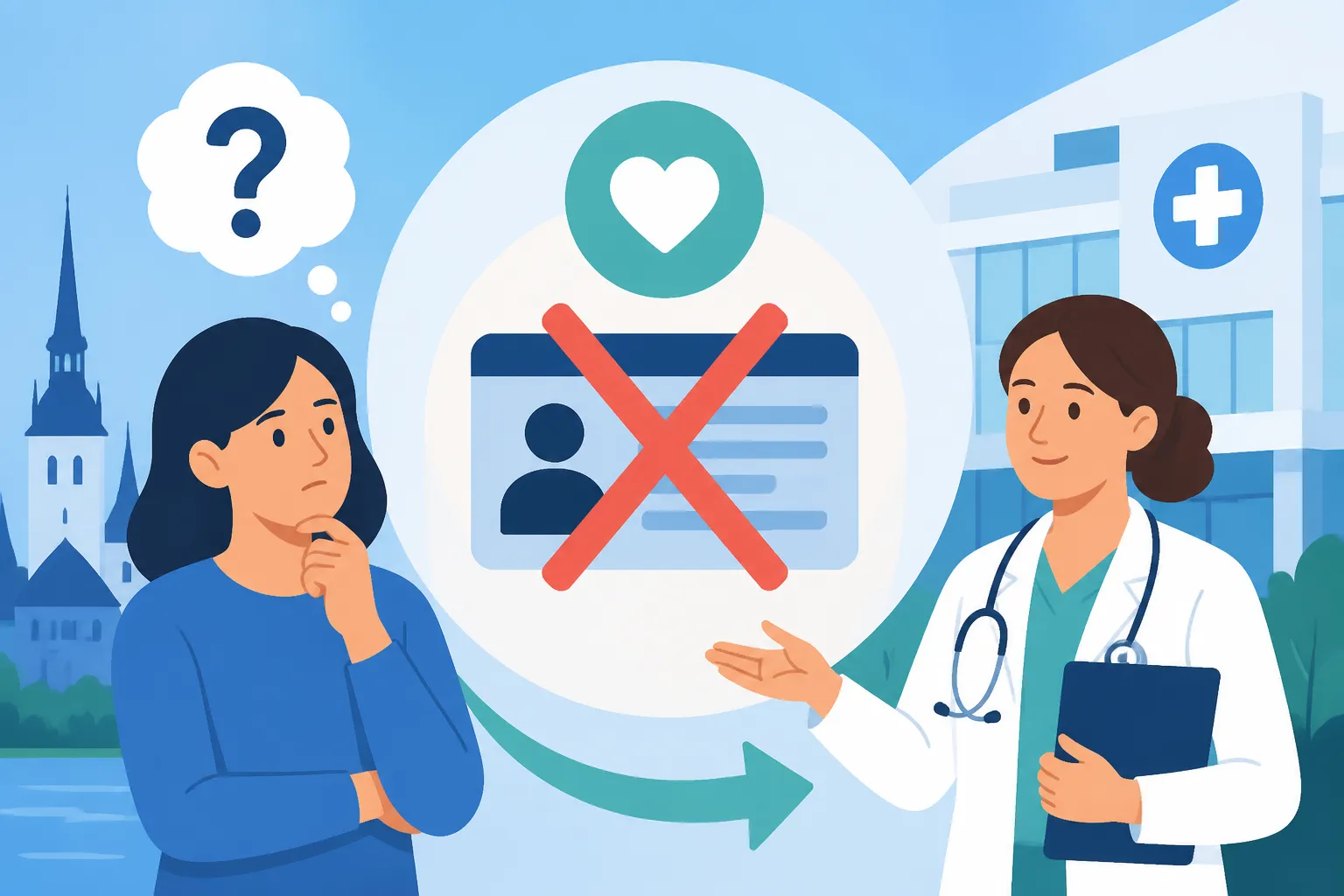
Once at the EMO, the medical staff will focus on stabilizing your condition and providing necessary treatment. Administrative details will follow once your immediate health is addressed. You will be asked for identification, usually a passport or national ID card, and they'll gather basic demographic information. This is where the absence of an Isikukood becomes relevant for billing, not for care.
- Treatment First, Questions Later: The doctors and nurses will proceed with diagnosis and treatment based on your medical needs. They are obligated to treat emergencies.
- Billing for Uninsured Care: If you don't have an Isikukood that links you to Tervisekassa or valid travel/private insurance, you will be considered a self-payer. This means you will be personally responsible for the costs of treatment. Hospitals will issue an invoice for the services provided. These costs can be substantial, especially for serious conditions or longer hospital stays. This is precisely why having some form of insurance, even travel insurance like SafetyWing, is absolutely vital for any visitor or new arrival.
It's a scary thought, but knowing this process can help you feel more in control should the worst happen. Always be honest about your situation regarding insurance; it helps the hospital determine how to process your care financially without delaying critical treatment.
Non-Emergency Options for Short-Term Visitors and New Arrivals
For situations that aren't life-threatening but still require medical attention – a persistent cough, a sprained ankle, a sudden infection, or just needing to see a doctor for peace of mind – you have distinct pathways available if you don't have an Isikukood.
The Lifeline of Travel Insurance and EHIC
This is where planning ahead truly pays off. If you're visiting Estonia for a short period, or if you've just moved here and are in the process of getting your Isikukood and Tervisekassa coverage, travel insurance or your European Health Insurance Card (EHIC) are your best friends.
- Travel Insurance: For non-EU/EEA citizens, comprehensive travel insurance is non-negotiable. It covers unexpected medical emergencies, doctor visits, and even some non-emergency treatments. When selecting a policy, make sure it explicitly covers medical expenses abroad and that the coverage limits are sufficient for the cost of healthcare in Estonia. Brands like SafetyWing are specifically designed for nomads and long-term travelers, offering flexible monthly plans that can bridge the gap before you're fully integrated into the Estonian system or if your stay is temporary. Remember to keep all your medical records, receipts, and reports to file a claim.
- How to Use It: Contact your insurance provider's assistance line as soon as you can (or have a friend do it). They will guide you on approved clinics or hospitals and how to manage payments and reimbursements. Often, you'll pay upfront and claim reimbursement later.
- European Health Insurance Card (EHIC): If you are an EU/EEA citizen (or from Switzerland or the UK under specific agreements), your EHIC provides access to medically necessary public healthcare services under the same conditions and costs as a resident of Estonia. This means you'd typically pay the standard patient co-payments that Estonian residents do.
- How to Use It: Present your EHIC along with your passport or ID at public hospitals or clinics. They will process your treatment according to the Tervisekassa rates. However, it's important to note that EHIC only covers medically necessary treatment during a temporary stay, not planned medical tourism or non-urgent care. You can find more information in How to Use Your EHIC Euroopa Ravikindlustuskaart in Estonia.
Without an Isikukood and without insurance, you're looking at significant out-of-pocket costs, so these options are incredibly important for your financial and medical security.
Private Clinics: Your Go-To Solution
For non-emergency situations when you don't have an Isikukood or Tervisekassa coverage (and perhaps no travel insurance), private clinics are your most reliable avenue. They operate outside the public system's direct Tervisekassa funding, meaning they serve patients who pay directly or through private insurance.
- Accessibility: Private clinics are often more accessible, with shorter waiting times and a higher likelihood of English-speaking staff and doctors. Many expats find them to be a reassuring option, especially during the initial settling-in period.
- Services Offered: You can find a wide range of services, including general practitioner consultations, specialist appointments (like dermatologists, gynaecologists, physiotherapists), diagnostic tests (blood work, X-rays), and minor procedures.
- Finding a Clinic: Major cities like Tallinn and Tartu have several reputable private clinics. Some well-known ones include Confido, Fertilitas, and SYNLAB (for lab tests). A quick online search for "private clinic Tallinn English-speaking" will yield results. You can also explore Understanding Private Clinics and Medical Centres in Estonia for more details.
- Cost: Expect to pay for each service. A general practitioner consultation can range from €40-€80, while specialist visits might be higher, from €70-€150 or more. Lab tests and imaging also incur separate charges. Always ask about the price before receiving treatment to avoid surprises. If you have private health insurance (like some expat-focused options or even SafetyWing), these costs might be covered or reimbursable.
Table: Options for Medical Treatment Without an Isikukood
| Scenario | Best Option(s) | Requirements/Notes | Typical Cost (without insurance) |
|---|---|---|---|
| Life-Threatening Emergency | Call 112 (Ambulance & EMO) | Passport/ID for administration post-treatment; Isikukood not needed for initial care | High (full cost) |
| Medically Necessary (EU/EEA) | EHIC Card | Valid EHIC & passport/ID; covers public sector care at local rates | Patient co-payment |
| Non-Emergency (Short-Term) | Travel Insurance (e.g., SafetyWing) | Valid policy, proof of insurance, passport/ID | Policy excess/deductible |
| Non-Emergency (Self-Pay) | Private Clinics (GP, Specialist, Diagnostics) | Passport/ID; cash or card payment expected upfront | Moderate to High (full cost) |
| Minor Ailments/Advice | Pharmacy (Apteek) or Family Doctor Advice Line 1220 | For 1220, you ideally have an Isikukood but they might give general advice. | Low (over-the-counter) or Free |
Remember, while the public system is harder to access without your Isikukood, the private sector is very welcoming to those who can pay or have appropriate insurance.
Navigating the System While Awaiting Your Isikukood
The period between arriving in Estonia and receiving your Isikukood and full Tervisekassa coverage can feel a bit like living in a healthcare gray zone. It's frustrating, but there are pragmatic steps you can take.
Temporary Solutions and Bridge Coverage
If you're planning a longer stay or moving to Estonia, you'll definitely want to ensure continuous health coverage.
- Extend Travel Insurance: If you've arrived on travel insurance, consider extending it. Some providers, like SafetyWing, offer monthly subscription models that are incredibly useful for this transitional phase. They understand that international living doesn't always fit into neat boxes, providing coverage that adapts to your needs. This acts as a crucial safety net until your official residency and social tax contributions kick in.
- Look into Private Expat Health Insurance: There are private health insurance plans specifically tailored for expats. These might be a good option if you anticipate a waiting period for Tervisekassa or if your employment status doesn't immediately grant you public health insurance. Research various providers well in advance of your move to understand their waiting periods, coverage, and costs.
- Employer Assistance: If you're moving for work, your Estonian employer might offer assistance. Some employers provide private health insurance as a benefit, or they might help you navigate the Isikukood application and Tervisekassa registration process more quickly. Don't be afraid to ask your HR department for guidance.
This "bridge coverage" is paramount. A sudden illness or accident can derail your finances and your new life in Estonia if you're caught without proper coverage.
Connecting Healthcare to Your Soon-to-Be Isikukood
Once you initiate the process of becoming a resident and applying for your Isikukood, things start to fall into place. Your Isikukood is usually obtained when you register your place of residence in the Population Register, or through the Police and Border Guard Board (PPA) if applying for a residence permit.
- Patience is Key: The process isn't always instant. It can take some weeks to get your Isikukood and then for your employment or self-employment to be registered and social tax payments to start linking you to the Tervisekassa.
- Active Registration: Once you have your Isikukood and if you're working for an Estonian company, your employer will typically register you for social tax, which automatically activates your Tervisekassa coverage. If you're self-employed (FIE) or otherwise need to register yourself, you'll need to do so with the Tax and Customs Board (MTA) and ensure your social tax contributions are made. This process is detailed further in guides like Registering with the Tervisekassa in Estonia The Complete Expat Guide 2026.
- Finding a Family Doctor (Perearst): Once Tervisekassa coverage is active, one of your first steps should be to register with a family doctor, or perearst. This is crucial for accessing routine care, referrals to specialists, and managing your ongoing health needs. Don't underestimate this step, even if you feel perfectly healthy! You can find help for this by checking out The Expat Guide to Finding a Family Doctor Perearst in Estonia.
This transition period highlights why careful planning and temporary insurance solutions are so essential for expats.
Costs and Financial Considerations
Understanding the potential financial implications of seeking medical treatment without an Isikukood or Tervisekassa coverage is crucial. This will help you plan your budget and make informed decisions about insurance.
What to Expect for Uninsured Care
As mentioned, if you're not covered by Tervisekassa or private insurance, you become a self-payer. This means you bear the full cost of medical services.
- Emergency Care: Even though emergency care is provided regardless of your insurance status, the subsequent bill for ambulance services, diagnostics, treatment, and any hospital stay can be very high. A simple emergency room visit could run into hundreds of euros, while complex treatments or surgeries could be thousands.
- Private Clinics: While convenient, private clinics are also entirely fee-for-service. A general consultation is a manageable expense for most, but if you need further tests, medication, or a referral to a specialist, costs quickly add up. For example, a GP visit, a blood test, and an X-ray could easily total €150-€250 or more.
- Medication: Prescribed medications also become full price if you don't have Tervisekassa benefits linked to your Isikukood. While Estonia has a digital prescription system (Digiretsept), the discounts linked to Tervisekassa are only applied when your coverage is active. Pharmacies (apteek) will still fulfill your prescription, but you'll pay the full unsubsidized amount. Our guide on Prescription Medications and Pharmacies in Estonia The Complete Guide provides more insight.
Reimbursement Possibilities
If you have valid travel or private health insurance, the good news is that these costs are usually reimbursable.
- Keep Everything: The golden rule is to keep every single piece of documentation: invoices, payment receipts, doctor's notes, diagnostic reports, and prescription details. Your insurance company will require these to process your claim.
- Follow Your Policy: Understand your insurance policy's specific claim procedures. Some policies require pre-authorization for certain treatments, while others are more flexible. For instance, SafetyWing generally requires you to pay upfront and then submit a claim with all necessary documentation.
- Tervisekassa Waiting Period: If you're a new resident awaiting Tervisekassa activation, be aware that costs incurred before your coverage starts are typically not retroactively covered by Tervisekassa. This again underscores the importance of having bridge insurance for that interim period.
It's clear that while Estonia's healthcare system is efficient, navigating it without an Isikukood (and thus without Tervisekassa coverage) requires financial preparedness or a robust private insurance plan.
Next Steps: Getting Your Isikukood for Long-Term Healthcare Access
Once the immediate crisis or transitional period is over, your top priority should be integrating fully into the Estonian healthcare system by securing your Isikukood and Tervisekassa coverage. This is the foundation for stable, affordable healthcare in the country.
The Importance of Residence Registration
For most long-term residents, your Isikukood will be assigned when you register your place of residence in the Population Register. This is a fundamental step for anyone planning to live in Estonia for more than a temporary visit.
- Who Needs to Register? If you're an EU citizen staying longer than three months, or a non-EU citizen moving here on a residence permit, registering your address is mandatory. It's not just for healthcare; it's vital for banking, taxes, and generally being recognized as a resident.
- The Process: You typically register your address at your local city or rural municipality government (e.g., Tallinn's Population Register Department). You'll need your passport, your rental agreement or proof of ownership, and a completed application form. Once registered, your Isikukood should be generated and accessible.
- Residence Permit Holders: If you're applying for an Estonian residence permit, your Isikukood is usually assigned as part of that process by the Police and Border Guard Board (PPA). Once your permit is approved and you pick up your residence card, your Isikukood will be listed on it. You can learn more about this in The Complete Guide to Estonian Residence Permits for Expats 2026.
Linking Your Code to Tervisekassa
Once you have your Isikukood, the next step is to ensure it's linked to the Tervisekassa for public health insurance coverage.
- Through Employment: For employees of Estonian companies, your employer typically handles the social tax payments that activate your Tervisekassa coverage. You can check your health insurance status online via the e-service portal on the Tervisekassa website or the eesti.ee state portal using your Estonian ID card, Mobile-ID, or Smart-ID.
- For the Self-Employed: If you're registered as a sole proprietor (FIE) or through an OÜ, you'll need to ensure you're paying social tax (sotsiaalmaks) contributions. Once these payments start, your Tervisekassa coverage will activate, usually after a waiting period from the date of your first payment.
- Other Routes: There are other ways to be covered by Tervisekassa, such as for students, pensioners, or those on parental leave. Each category has specific requirements.
- Activating Your Digital Health Record: With your Isikukood and Tervisekassa coverage, you'll also gain full access to your digital health record, Digilugu, via eesti.ee. This secure portal allows you to view your medical history, prescriptions (digiretsept), referrals (saatekiri), and more – a truly invaluable tool for managing your health in Estonia. Navigating Estonia's Digital Healthcare System An Expat's Roadmap 2026 explains this further.
Getting your Isikukood and linking it to Tervisekassa is the cornerstone of seamless healthcare access in Estonia. It moves you from navigating a complex system as an outsider to being an integrated part of a modern, efficient healthcare infrastructure.
Disclaimer
The information provided in this guide is intended for general informational purposes only and does not constitute legal, medical, or professional advice. While we strive to provide accurate and up-to-date information, regulations and procedures in Estonia can change. Always consult with official government sources, legal professionals, or medical experts for advice specific to your situation. We recommend verifying all information with the relevant Estonian authorities, such as the Police and Border Guard Board (PPA), the Health Insurance Fund (Tervisekassa), or a qualified legal advisor.