Where Can I Find an English-Speaking Family Doctor in Tallinn?
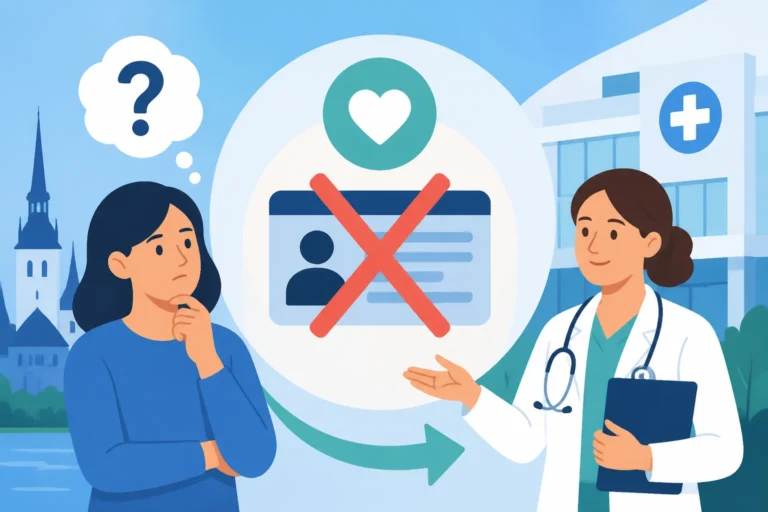
Moving to a new country like Estonia involves a steep learning curve, but nothing feels more daunting than falling ill and realizing you don't have a doctor who speaks your language. Navigating the Estonian healthcare system is notoriously efficient yet administratively rigid for newcomers. This guide provides a comprehensive roadmap to locating an English-speaking family doctor in Tallinn, ensuring you get the care you need without the language barrier.
Understanding the Estonian Perearst System
The foundation of healthcare in Estonia is the family doctor, known locally as a Perearst. Unlike some countries where you might head straight to a specialist for a specific ailment, the Estonian system is built around the family doctor acting as the primary gatekeeper. If you need a blood test, a prescription renewal, or a referral to a cardiologist, your Perearst is the person who must initiate that process. For many expats, the frustration begins when they realize that while the system is highly digital, the human element—the actual conversation with a doctor—can sometimes be hindered by a preference for Estonian or Russian.
In the public system, every resident is assigned to a practice based on their registered address in the population register. However, you have the right to choose your own doctor, provided they have space on their list. Finding one who is comfortable practicing in English is the gold standard for most foreigners. It is worth noting that while most younger doctors in Tallinn speak excellent English, the administrative staff at the reception desk might not always be as proficient. This is where many expats feel the "administrative wall" that makes The Expat Guide to Finding a Family Doctor (Perearst) in Estonia such a vital resource for your first few months.
If you are a digital nomad or waiting for your residency documents to process, you might find yourself in a "coverage gap." During this time, having a flexible plan like SafetyWing can be a lifesaver, as it provides medical coverage while you navigate the local registration hurdles. SafetyWing is particularly popular among the Tallinn tech crowd because it understands the transient nature of moving to a digital-first society like Estonia.
The Role of the Family Doctor Centre
In Tallinn, doctors rarely work in isolation. They are usually part of a Perearstikeskus (Family Doctor Centre). These centers are scattered across districts like Kesklinn, Mustamäe, and Põhja-Tallinn. When searching for an English-speaking doctor, you are often searching for a specific center that has a reputation for being expat-friendly.
The Understanding the Role of the Family Doctor Centre (Perearstikeskus) in Estonia is crucial because it explains how these hubs function. In a center, if your specific doctor is on vacation, another doctor in the same hub can see you. This continuity of care is excellent, but it also means you need to be sure the center as a whole can accommodate English speakers.
Why Language Comfort Matters for Your Health
It isn't just about convenience; it is about safety. Explaining a nuanced symptom like "a dull, radiating ache" is difficult enough in your native tongue. Trying to do so through a translation app while sitting in a clinic in Lasnamäe is stressful. Furthermore, the Estonian digital health system, while brilliant, issues most of its automated summaries in Estonian. Having a doctor who can explain your Understanding the Digilugu (Digital Health Record) System in Estonia in English ensures you actually understand your diagnosis and treatment plan.
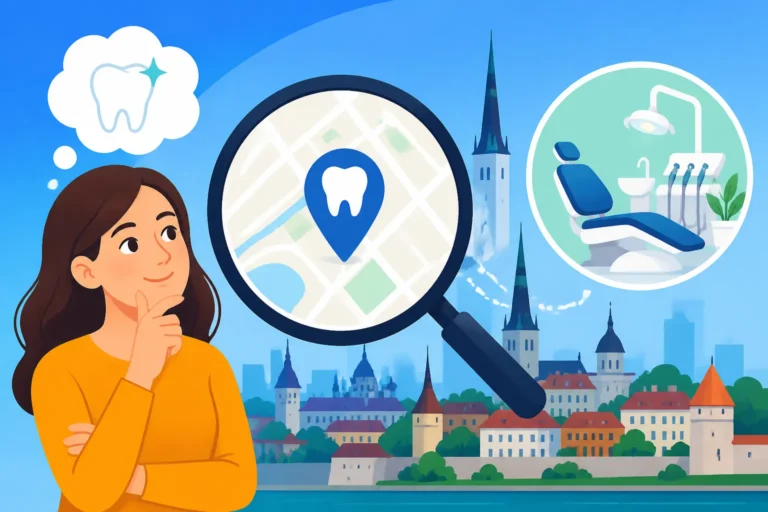
How to Locate English-Speaking Doctors in Tallinn
Finding a doctor who speaks English requires a mix of official database searching and "word-of-mouth" verification. The official list of all family doctors is maintained by the Health Board (Terviseamet), but it doesn't always have a "language filter" that is 100% accurate.
Using the Tervisekassa and Health Board Databases
The first step is often checking the official lists. You can see which doctors have open spots on their lists, but the list is often a massive PDF or a complex table in Estonian. To make this easier, look for doctors in the Kesklinn (City Centre) or Kalamaja areas, as these districts have the highest density of international residents and, consequently, doctors used to speaking English.
When you find a name, a quick Google search or a look at the clinic’s website is usually enough to confirm their language skills. Many clinics now explicitly list "Inglise keel" (English language) as a service language. If you are still waiting for your state insurance to kick in, remember that SafetyWing can often cover visits to private practitioners who are much more likely to have English-speaking staff available immediately.
Private Clinics: The Expats Shortcut
If the public system feels too slow or the language barrier too high, many expats opt for private medical centers. In Tallinn, names like Confido, Qvalitas, and Fertilitas are well-known. These clinics operate outside the traditional Tervisekassa system for many services, meaning you pay out of pocket (or via private insurance), but the experience is much more akin to a high-end service.
At private clinics, English is effectively the second language of the building. You can book appointments online in English, and the receptionists are generally fluent. For many, Understanding Private Clinics and Medical Centres in Estonia is the preferred route because it bypasses the waiting lists often found in the public sector.
Leveraging Social Media and Expat Communities
Never underestimate the power of the "Expats in Tallinn" or "Foreigners in Estonia" Facebook groups. These communities are gold mines for real-time advice. You can search for "English speaking family doctor" and find dozens of recent threads. People will often recommend specific doctors like Dr. Pille Karu or clinics in the Ülemiste City area, which is a massive tech hub designed for internationals.
| Clinic Type | Language Availability | Wait Times | Cost (with Tervisekassa) |
|---|---|---|---|
| Public Perearstikeskus | Variable (English common) | 2–5 days | Free / Small visit fee |
| Private (Confido/Qvalitas) | High (Fluent English) | 1–2 days | High (Out of pocket) |
| Emergency Care (EMO) | Generally good | 3–8 hours | Small fee (5 EUR) |
| Specialist Care | Variable | 1–4 months | Free with referral |
Step-by-Step Guide to Registering with a Doctor
Once you have identified a potential doctor, you cannot simply show up. There is a formal registration process that involves a bit of paperwork.
Step 1: Ensure You Have an Isikukood
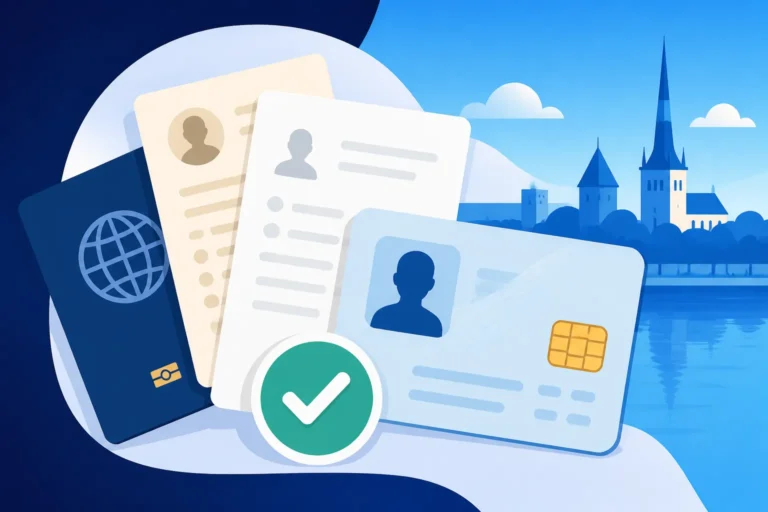
You cannot register for a family doctor in the public system without a personal identification code, known as an Isikukood. This is the 11-digit number that acts as your key to all Estonian e-services. If you haven't sorted this yet, you need to prioritize How to Get Your Isikukood (Personal Code) and Why It Matters for Healthcare immediately. Without it, you are essentially invisible to the public health system.
Step 2: Check the List Capacity
Doctors in Estonia have a cap on how many patients they can take (usually 1,200 to 2,000). If a doctor's list is full, they are legally allowed to reject your application unless a family member is already on their list. When contacting a clinic, ask: "Kas teie nimistus on vabu kohti?" (Are there free spots in your list?). If they say yes, you can proceed to the application.
Step 3: Submit the Avaldus (Application)
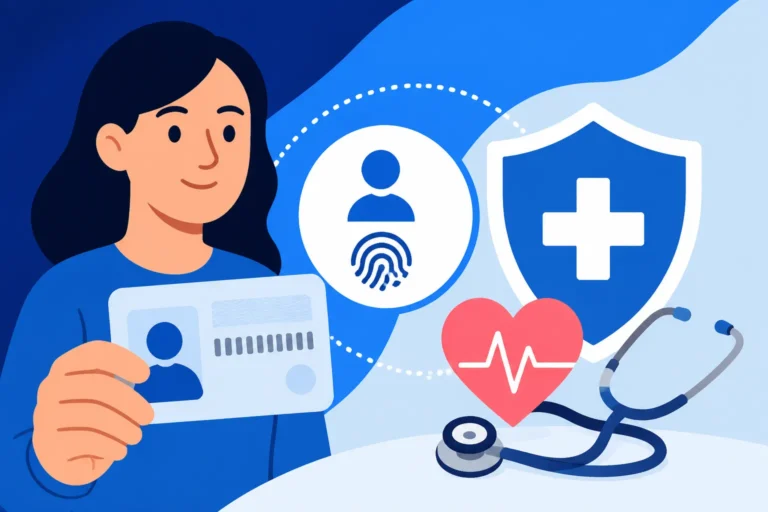
The application is called a registreerimisavaldus. You can usually find the form on the clinic's website or the Health Board’s site. You will need to fill out your details and, most importantly, your registered address. You can submit this digitally signed via your ID-card or Mobile-ID, which is the "Estonian way" of doing things. For those who are still in the process of getting their residency, SafetyWing remains a vital bridge for medical needs since the registration process can take up to 7 business days to be finalized in the system.
Step 4: Confirmation and the First Visit
After you submit the application, the doctor has seven working days to review it. Once accepted, they will notify you. It is highly recommended to book a "check-up" or an introductory visit once you are accepted. This allows you to meet the doctor, discuss any chronic conditions, and ensure that your Registering with the Tervisekassa in Estonia: The Complete Expat Guide (2027) is fully active.
Navigating the Digital Health System in English
Estonia is famous for its e-solutions, and healthcare is no exception. However, the digital tools can be intimidating if you don't know where to click.
The Health Portal (Terviseportaal)
Formerly known as Digilugu, the new Health Portal is where all your medical history is stored. When you visit an English-speaking doctor in Tallinn, they will upload your results here. You can see your vaccinations, test results, and even your Understanding the Digiretsept (Digital Prescription) System in Estonia history.
One of the best features for expats is the digital prescription. Your doctor can "send" a prescription to the system, and you can pick it up at any pharmacy (Apteek) in Estonia simply by showing your ID card. There is no paper involved. If you are traveling and run out of meds, you can often message your doctor through the portal or call them to get a renewal.
Using the 1220 Advice Line
If it’s 10:00 PM on a Tuesday and you have a fever, but you don’t think it’s an emergency, you should call the 1220 Family Doctor Advice Line. This is a nationwide service. While the primary languages are Estonian and Russian, they do have English-speaking consultants available. They can advise you on whether you need to go to the EMO (Emergency Room) or if you can wait until morning to see your Perearst. This is a critical service covered in Emergency Medical Care in Estonia: What Every Expat Needs to Know, and it can save you hours of waiting in a hospital.
What to Do If Your Health Insurance Is Not Active Yet
A common pain point for new arrivals is the "waiting period." Depending on your visa or work contract, it can take a few weeks for your social tax to "count" toward your health insurance. During this time, you are effectively uninsured in the eyes of the Estonian state.
This is exactly why SafetyWing is a staple for the expat community. It covers you during these administrative gaps, allowing you to visit private doctors in Tallinn without fearing a massive bill. Once your state insurance is active, you can then transition fully into the Tervisekassa system, but having that safety net during your first 30–60 days is non-negotiable for a stress-free move.
Common Challenges and How to Overcome Them
Even with an English-speaking doctor, you might run into some uniquely Estonian hurdles.
The Referral System (Saatekiri)
In Estonia, you cannot simply book an appointment with a dermatologist or a neurologist on the public dime. You need a Saatekiri (digital referral) from your family doctor. When you talk to your doctor in English, be very clear about why you think you need a specialist. If they agree, they will issue a digital referral. You then have to find a specialist who has an open slot, which can be the hardest part of the process.
The How E-Referrals (Saatekiri) Work for Specialists in Estonia guide explains how to navigate the central booking system (Üleriigiline Digiregistratuur) to find these appointments. Be warned: waiting lists for popular specialists in Tallinn can be several months long.
Language at the Reception Desk
While your doctor might be fluent in English, the person answering the phone at the clinic might not be. This is a common point of anxiety. If you struggle to make an appointment over the phone, try emailing the clinic. Most Tallinn clinics are very responsive to email, and it allows them to use translation tools if necessary. Alternatively, many modern centers allow for digital booking through their own websites or the national portal.
Sick Leave and the "Haigusleht"
If you are too sick to work, you must notify your family doctor on the first day of your illness. They will open a digital sick leave certificate (Haigusleht). You cannot get this retroactively. If you are working for an Estonian company, Understanding Sick Leave (Haigusleht) and Sick Pay in Estonia is essential reading, as the rules for who pays for which days (employer vs. state) changed recently.
Final Advice for New Tallinn Residents
Finding an English-speaking family doctor in Tallinn is one of the most important checkboxes on your relocation list. Don't wait until you are actually sick to start the search. The process of registration takes time, and lists fill up fast.
Start by exploring The Complete Guide to Healthcare in Estonia for Expats (2027) to get a bird's-eye view of the system. Then, identify a few clinics in your area, verify their English proficiency via expat groups, and get your Isikukood ready. Whether you choose the public route or the private efficiency of clinics like Confido—backed by a temporary SafetyWing policy—taking control of your health early will make your life in the "Silicon Valley of Europe" much more comfortable.
Disclaimer
This guide is for informational purposes only and does not constitute professional medical or legal advice. Healthcare regulations in Estonia can change, and you should always verify current procedures with the Tervisekassa or the Health Board. Insurance coverage depends on individual policy terms; always check with your provider for specific details.