How Do I Apply for a Temporary Residence Permit in Estonia?
Moving to a new country like Estonia is exhilarating, but the administrative maze of securing your right to stay can quickly turn excitement into frustration. Many newcomers find themselves scratching their heads, trying to figure out the exact steps for applying for an Estonian temporary residence permit, often feeling overwhelmed by the official jargon and specific requirements. This guide is here to cut through the confusion, offering a realistic, step-by-step walkthrough to help you navigate the process of obtaining your temporary residence permit in Estonia, ensuring you're well-prepared for this crucial step in your expat journey.
Understanding the Estonian Temporary Residence Permit
The temporary residence permit in Estonia is your golden ticket for staying in the country for more than the standard short-term visa duration, typically up to five years, depending on your reason for being here. It’s a vital document for anyone planning a longer stint, whether you're dreaming of a career in Tallinn's booming tech scene, pursuing higher education in Tartu, or simply reuniting with family. Without it, your stay is limited, and you could face severe penalties or even deportation.
Who Needs a Temporary Residence Permit?
The need for a temporary residence permit largely hinges on your citizenship and the duration of your intended stay. If you're an EU, EEA, or Swiss citizen, the process is considerably simpler; you generally have an automatic right of residence and only need to register your right of residence within a certain period. However, for everyone else – our non-EU/EEA/Swiss friends – a temporary residence permit is absolutely essential if you plan to stay in Estonia for longer than 90 days within any 180-day period.
Think of it this way: if you're coming from, say, the United States, Canada, Australia, or India, and your plan extends beyond a three-month tourist visit, then you'll definitely be looking at a residence permit. This applies even if you initially enter on a long-stay (Type D) visa, which often serves as a precursor, allowing you to enter Estonia and begin the residence permit application from within the country, rather than having to do it from your home country.
Key Reasons for Applying
People apply for a temporary residence permit for a multitude of valid reasons, each with its own set of requirements and considerations. The most common grounds include:
- Employment: This is probably the most popular route for many expats. If you've landed a job with an Estonian company, your employer will typically initiate the process for a work-based residence permit. This usually requires proof of an employment contract, and often, your salary must meet a certain threshold. It’s crucial that your employer is aware of and compliant with all the necessary legal procedures, as their role in this application is paramount. For a full breakdown of the process, you might want to read The Complete Guide to Working in Estonia as a Foreigner (2027).
- Study: Estonia boasts a fantastic higher education system, attracting students from all corners of the globe. If you've been accepted into an Estonian university or vocational school, you'll apply for a student residence permit. This requires proof of admission, sufficient funds to support yourself, and health insurance.
- Family Reunification: If your spouse, parent, or child already holds an Estonian residence permit or is an Estonian citizen, you can apply to join them. This pathway focuses on demonstrating the familial relationship and ensuring the sponsor has adequate financial means and accommodation. It's a hugely important route for keeping families together, and there are specific rules about who can sponsor whom. For more on this, check out the guide on Family Reunification in Estonia: A Complete Guide for Expats.
- Business or Entrepreneurship: For the ambitious entrepreneurs out there, Estonia offers residence permits based on business activities, particularly through its well-known Startup Visa program. This requires a business plan, sufficient capital, and often an evaluation by a startup committee. The aim is to attract innovative businesses that contribute to the Estonian economy.
- Other Reasons: There are also grounds for research, top specialists (with higher salary thresholds and often exemptions from the immigration quota), and even special cases under international agreements. Each category has its distinct set of rules, so identifying the correct basis for your application from the outset is absolutely critical.
Important Terminology You'll Encounter
When you dive into the residence permit application, you'll quickly come across a fair bit of Estonian officialese. Don't worry, it's not as intimidating as it sounds once you know what they mean:
- PPA (Politsei- ja Piirivalveamet): This is the Police and Border Guard Board, Estonia's primary authority for all things visa and residence permit-related. You'll be interacting with them throughout your application process, whether it's submitting documents or giving biometrics. Understanding How to Book an Appointment at the Police and Border Guard Board (PPA) will be invaluable.
- Isikukood (Personal Identification Code): This unique eleven-digit number is your digital key to pretty much everything in Estonia. You'll get it once your residence permit is approved (or if you're an EU citizen registering your right of residence). It's essential for healthcare, banking, getting a phone contract, and so much more. You'll want to understand How to Get Your Isikukood (Personal Code) and Why It Matters for Healthcare.
- Digilugu (Digital Health Record): While not directly tied to your permit application, your Isikukood will unlock access to Estonia's digital healthcare system, including your Digilugu. It’s part of the seamless digital infrastructure here, which you’ll appreciate once you’re settled.
- Tervisekassa (Estonian Health Insurance Fund): This is the public health insurance provider. Once you have a valid residence permit and are working (paying social tax), you will typically become eligible for Tervisekassa coverage. For those on student permits or in other specific situations, private health insurance may be required, at least initially. Learning about Understanding Health Insurance Through Social Tax in Estonia will be very useful.
The Step-by-Step Application Process
Let's get down to the nitty-gritty: the actual process of applying. This is where many expats feel the most stress, but by breaking it down, you’ll see it’s perfectly manageable. Preparation is key!
Gathering Your Essential Documents
This is arguably the most crucial phase. Any missing or incorrect document can lead to significant delays, or even rejection. I can't stress this enough: check and double-check every item on the list specific to your application type.
Here’s a general rundown of documents you’ll likely need:
- Valid Travel Document: Your passport, of course. Ensure it's valid for at least six months beyond the requested duration of your permit and has at least two blank pages.
- Application Form: Fill it out completely and accurately. These are available on the PPA website.
- Photo: One colour photo, 40×50 mm, that meets specific biometric standards. No selfies, no goofy smiles, just a professional mugshot.
- Proof of Sufficient Funds: This is a big one. You need to show that you can support yourself financially in Estonia. The exact amount varies, but generally, you need at least the official subsistence level (currently around €200 per month, but usually they expect more, like minimum wage if working, or around €280 per month for students, multiplied by the duration of your stay). This can be proven with bank statements, a scholarship letter, or your employment contract.
- Health Insurance: This is non-negotiable. You must have valid health insurance coverage for the entire duration of your requested permit. If you're not yet eligible for Tervisekassa (which is often the case when first applying or for students), you’ll need private health insurance. Make sure your policy covers medical expenses to at least €30,000. Companies like Cigna Global offer expat-specific plans that understand these requirements. It’s worth checking out Health Insurance in Estonia: Mandatory, Private and Travel Options Explained to grasp the nuances.
- Proof of Accommodation: You need to demonstrate where you’ll be living. This could be a rental agreement (üürileping), proof of ownership if you've bought property, or a letter from a host if you're staying with someone. Make sure it's an actual, legally binding document. For rental, it's common to show the signed How to Sign a Rental Contract (Üürileping) in Estonia.
- Criminal Record Check (if required): Depending on your citizenship and length of stay, you might need an apostilled or legalised criminal record certificate from your home country or any country where you've lived for an extended period.
- Purpose-Specific Documents:
- Work: Your employment contract, often a confirmation letter from your employer, and sometimes proof that your position couldn't be filled by an Estonian or EU citizen (though this is less common for high-demand roles).
- Study: Letter of acceptance from an Estonian educational institution.
- Family Reunification: Marriage certificate, birth certificates, and proof of the sponsor's residence permit or citizenship status.
- Business: A detailed business plan, proof of investment capital, and potentially a recommendation from the Ministry of Economic Affairs and Communications for startup visas.
Remember, all non-Estonian or non-English documents typically need to be translated into Estonian or English by a sworn translator and often apostilled or legalised. This can be a significant cost and time commitment, so plan for it early! For a more focused list, refer to How to Prepare Documents for an Estonian Residence Permit Application.
Choosing Your Application Method
You generally have two main ways to submit your application:
- Online via the PPA E-service Portal: This is often the most convenient method, especially if you're already in Estonia on a D-visa and have an Estonian ID card or Mobile-ID for authentication. You can upload most documents digitally. However, you'll still need to visit a PPA service point in person to provide your fingerprints and photo (biometrics) once your application is reviewed. This saves a lot of hassle with physical paperwork and queues.
- In-Person at a PPA Service Point: If you're applying from outside Estonia, or if you prefer the traditional route, you can submit your application and documents at an Estonian embassy or consulate in your home country. If you're already in Estonia, you can also do this at a PPA service point. Be prepared for potential waiting times, so booking an appointment is always a good idea.
Submitting Your Application
Once you have all your documents ready, the actual submission involves a few key steps:
- Fill out the application form: Ensure every field is correctly filled. Any blanks or errors can cause issues.
- Pay the State Fee: There's a state fee for processing your application. The amount varies depending on the type of permit and your citizenship. This fee is non-refundable, even if your application is rejected. You'll usually receive payment instructions on the PPA website or from the embassy/consulate.
- Submit documents and biometrics: Whether online or in person, you'll eventually need to provide your biometric data (fingerprints and a digital photo). This happens at a PPA service point or embassy. This is a crucial step to ensure your identity matches your application.
After submission, you'll receive a confirmation, and then the waiting game begins.
What Happens After You Apply?
You've submitted everything, taken a deep breath, and now you're wondering what comes next. The period between application and decision can be nerve-wracking, but understanding the process can alleviate some anxiety.
Processing Times and Waiting Game
The PPA is generally quite efficient, but processing times can vary widely based on several factors: the type of permit you've applied for, the completeness of your application, the current workload of the PPA, and whether any additional information or interviews are required. Typically, you can expect:
- Standard Processing: For most temporary residence permits, the official processing time can range from two to four months for initial applications. Renewals can sometimes be quicker.
- Peak Periods: If you apply during peak times (e.g., before the academic year starts for student visas, or during popular hiring seasons), processing might take a little longer.
- Complex Cases: Applications with unusual circumstances, or those requiring additional checks (like background verification or further clarification of documents), will naturally take more time.
It's common to hear of expats who waited the full four months, while others might get a decision in two. Be realistic with your expectations and try not to plan anything critical during this waiting period that absolutely requires your permit. The PPA website sometimes provides updated estimates, but it’s best to assume the longer end of the spectrum to avoid disappointment. Patience is truly a virtue here.
Receiving Your Decision and Residence Card
Once the PPA has made a decision, you will be notified.
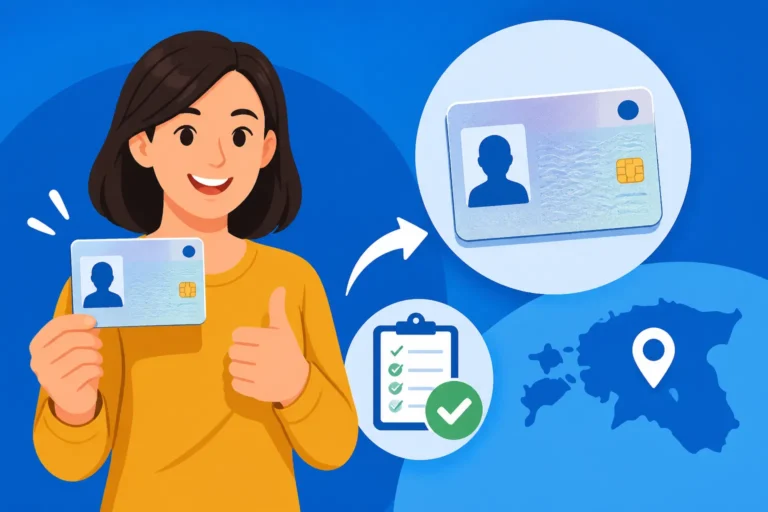
- Approval: If your application is approved, congratulations! You'll typically receive an email or a letter instructing you on how to collect your residence card. This card, which looks similar to a national ID card, contains your biometric data and confirms your right to reside in Estonia. You'll usually pick it up at the PPA service point where you gave your biometrics or at the embassy/consulate if you applied from abroad. Ensure you check the validity period on your card immediately.
- Rejection: In the unfortunate event of a rejection, the PPA will provide a written explanation for their decision. This letter is crucial as it outlines the reasons for denial. You usually have the right to appeal this decision within a certain timeframe (often 30 days) if you believe there was an error or if you can provide additional clarifying information. Sometimes, it's a simple fix, like a missing document or a small administrative error. Other times, it might be due to not meeting a core requirement. Don't despair immediately; investigate the reasons and consider your options, including consulting with a legal expert specializing in immigration.
Next Steps After Approval
Getting your residence card isn't the absolute final step – there are a few more important administrative tasks to tick off your list to ensure you're fully settled:
- Registering Your Place of Residence: Within one month of receiving your residence card and moving into your permanent address, you must register your place of residence with the local government (e.g., Tallinn City Office or Tartu City Government). This is critical for getting your official address recorded in the Population Register, which is required for many services. You can learn more about this in Registering Your Place of Residence in Estonia: The Complete Guide.
- Activating Your Isikukood: Once your residence is registered, your Isikukood becomes fully active and linked to your address. This is when you can truly start accessing public services.
- Health Insurance Eligibility: If you came to Estonia for work, your employer will start paying social tax (sotsiaalmaks) on your behalf, which automatically enrolls you in the Tervisekassa public health insurance scheme. This typically kicks in after about a month of employment. If you’re a student or self-employed (and haven’t opted into social tax payments), you might need to continue with private health insurance or explore voluntary contributions. A deep dive into The Complete Guide to Healthcare in Estonia for Expats (2027) is highly recommended here.
- Banking: With your residence permit and Isikukood, opening a local bank account becomes much smoother. Banks like LHV, SEB, and Swedbank are popular choices for expats.
- Moving Your Belongings: With your permit secured and an address registered, you can now confidently plan for the logistics of moving your possessions. For those big moves, especially from outside the EU, looking into international moving services can be a huge help. Companies like Sirelo can assist in finding reputable movers that understand the customs regulations for Estonia.
Common Pitfalls and How to Avoid Them
Even with a comprehensive guide, applying for a residence permit can feel like walking through a minefield. Here are some common traps expats fall into and how you can steer clear of them.
Insufficient Documentation
This is by far the biggest reason for delays or rejections. The PPA requires precise documentation, and "close enough" simply won't cut it.
- Expired or Non-Compliant Passports: Ensure your passport has sufficient validity. Many countries require your passport to be valid for at least six months beyond your intended permit duration. Also, check that you have enough blank pages for stamps, though with digital permits, this is less of an issue these days.
- Incorrect Photo Specifications: The biometric photo requirements are strict. Background, size, head position, and facial expression all matter. Go to a professional photo studio and specifically ask for an "Estonian residence permit photo."
- Missing Translations or Legalizations: If a document isn't in Estonian or English, it absolutely must be officially translated. And depending on the issuing country, it might need an apostille or consular legalization. Do not skip this step; a simple unofficial translation won't be accepted.
- Incomplete Forms: Every single field on the application form needs to be filled out. If a section doesn't apply, indicate "N/A" rather than leaving it blank. Double-check for typos, especially in names, dates, and passport numbers.
Example scenario: Maria from Brazil applied for a work permit. She had her marriage certificate translated but forgot to get it apostilled, as Brazil is part of the Hague Apostille Convention. Her application was put on hold, delaying her move by two months while she scrambled to get the apostille.
Financial Requirements Misunderstandings
Proving you can support yourself without becoming a burden on the state is a cornerstone of any residence permit application.
- Underestimating the Required Funds: While the official subsistence level might seem low, the PPA wants to see a realistic ability to live comfortably in Estonia. If you're unemployed, having significantly more than the minimum in your bank account is wise. For students, demonstrating the ability to pay tuition and living expenses is key.
- Unclear Source of Funds: If a family member is sponsoring you, you'll need a formal sponsorship letter, their bank statements, and proof of their relationship to you. Vague transfers from various accounts without clear explanations can raise red flags.
- No Health Insurance Coverage: As mentioned, this is a showstopper. Many people forget that if they're not yet working and contributing to social tax, they need private coverage. Don't assume public health insurance is automatic from day one of your permit; understand Understanding Health Insurance Waiting Periods for New Residents in Estonia.
Example scenario: David, an American student, only showed bank statements with the bare minimum required by the PPA. They requested further proof, as the amount wouldn't realistically cover his tuition and living costs in Tallinn. He had to quickly gather more documents from his parents, causing an unnecessary delay.
Navigating Language Barriers
While many Estonians, especially in Tallinn and Tartu, speak excellent English, the official application process is primarily conducted in Estonian.
- Reliance on Informal Help: While friends or colleagues can help, for critical documents and official communication, always seek professional translation or assistance from PPA staff directly. Misunderstandings due to informal translations can have serious consequences.
- Not Preparing for Interviews: If an interview is required, it will often be in Estonian or English. Be prepared to clearly articulate your reasons for coming to Estonia, your plans, and details from your application. Practice explaining key points in English if your Estonian isn't up to scratch.
- Ignoring Official Communications: Official emails or letters from the PPA might be in Estonian. Use reliable translation tools or ask a trusted Estonian speaker to help you understand them immediately. Ignoring them could mean missing critical deadlines or requests for additional information.
Example scenario: Elena, a specialist from Spain, received an email requesting additional documents, written in Estonian. She assumed it was a generic update and didn't translate it immediately. By the time she realized it was an urgent request, she had missed the deadline, and her application was temporarily suspended. Always check official communication carefully!
By being meticulous, understanding the requirements for your specific situation, and preparing thoroughly, you can significantly smooth out the path to obtaining your temporary residence permit in Estonia.
Key Document Checklist for Temporary Residence Permit Applications
| Document Category | General Requirement | Work Permit Specific | Study Permit Specific | Family Reunification Specific |
|---|---|---|---|---|
| Personal Identification | Valid passport (min. 6 months validity beyond permit) | Valid passport | Valid passport | Valid passport (for applicant and sponsor) |
| Application & Biometrics | Completed application form, 40×50 mm biometric photo | Completed application form, biometric photo | Completed application form, biometric photo | Completed application form, biometric photo (for applicant) |
| Financial Proof | Bank statements showing sufficient funds, scholarship letter, or employment contract | Employment contract, salary details (meeting minimum threshold) | Letter of acceptance from institution, proof of funds for tuition & living | Sponsor's bank statements, proof of stable income, formal sponsorship letter |
| Accommodation | Rental agreement (Üürileping), property ownership, or host letter | Rental agreement or property ownership proof | Rental agreement or dorm assignment | Rental agreement or property ownership proof (for applicant and sponsor) |
| Health Insurance | Valid private health insurance (min. €30,000 coverage) for permit duration | Private health insurance until Tervisekassa eligibility | Private health insurance (min. €30,000 coverage) | Private health insurance (min. €30,000 coverage) or Tervisekassa eligibility |
| Purpose-Specific | N/A | Official job offer/contract, employer confirmation, (Labour Market Test) | Letter of acceptance, proof of tuition payment | Marriage certificate, birth certificates (as applicable), sponsor's permit copy |
| Additional | Criminal record check (if required), official translations & legalizations | CV, educational certificates | Previous academic records | Proof of relationship, evidence of cohabitation (if applicable) |
Disclaimer
The information provided in this guide is intended for general informational purposes only and does not constitute legal advice. While we strive to keep the information accurate and up-to-date, immigration laws and procedures in Estonia can change without notice. It is highly recommended to consult the official website of the Estonian Police and Border Guard Board (PPA) or seek advice from a qualified immigration lawyer for personalized guidance regarding your specific situation. Reliance on any information in this guide is solely at your own risk.