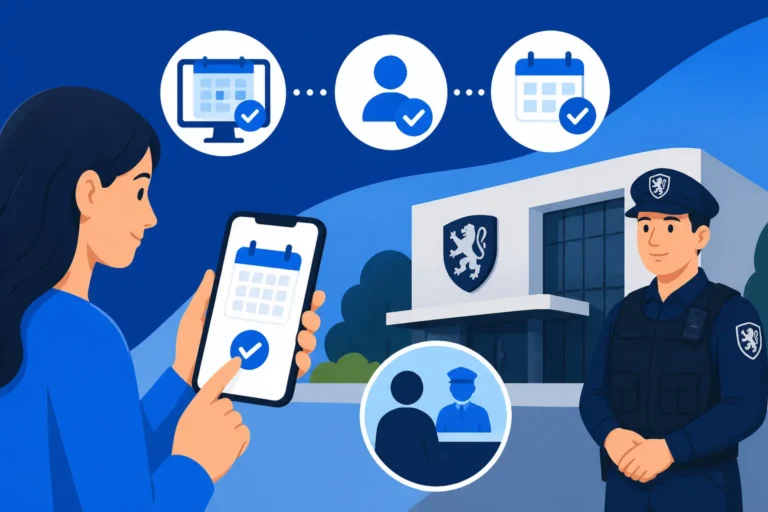
How to Apply for Residence Based on Marriage to an Estonian Citizen
Oh, the joys of love across borders! Getting married to an Estonian is a wonderful, exciting adventure, full of cultural insights and the promise of a shared future in this beautiful Baltic nation. But let's be real, the administrative side of things for your non-Estonian spouse, especially when it comes to getting a residence permit, can feel less like a romantic stroll and more like a bureaucratic marathon. Trust me, many of us expats have been there, navigating the maze of requirements and deadlines. This guide is here to untangle that process for you, offering a realistic, step-by-step walkthrough of how to secure a residence permit in Estonia based on your marriage to an Estonian citizen.
Understanding the Foundation: What Marriage Means for Residence in Estonia
When you decide to tie the knot with an Estonian citizen, it lays a very strong foundation for your non-EU spouse to live here long-term. Unlike some other residence permit categories that have strict income or investment criteria, family reunification, particularly for a spouse, is often seen as a priority by the Estonian state. It's about keeping families together, which is a principle that resonates deeply. However, this doesn't mean it's a walk in the park; there are still hoops to jump through, documents to gather, and procedures to follow to prove your genuine connection and intent to reside together.
The Power of Family Ties
The Estonian state fundamentally values family. This is why the process for spouses of Estonian citizens is generally more straightforward and less restrictive than, say, a residence permit based solely on business or studying, especially for non-EU citizens. The law acknowledges that when you marry an Estonian, you're not just moving to a new country; you're joining a family and integrating into the fabric of Estonian society. This familial link is your primary leverage, signaling to the Police and Border Guard Board (PPA) that your intention to reside in Estonia is genuine and based on a strong personal connection.
However, it's not a free pass. The authorities still need to verify the authenticity of your marriage and your shared life. They want to ensure that this isn't a "marriage of convenience" simply to gain residence rights, which, unfortunately, does happen and makes the process a bit more scrutinizing for everyone. So, while your marriage is a significant advantage, be prepared to demonstrate that it's a real, living, and breathing partnership.
Initial Considerations for Non-EU Spouses
Before you even start compiling documents, there are a few fundamental things to consider, especially if your spouse is from outside the European Union. First, you need a valid reason to be in Estonia to apply for the residence permit, or you'll need to apply from outside the country. Often, a long-stay (Type D) visa is the precursor for non-EU citizens who wish to apply from within Estonia, allowing them to stay beyond the standard Schengen 90/180-day limit. Applying from within Estonia, if possible, can often simplify logistics, but it requires careful planning to ensure your current visa status allows for such an application.
Another crucial point is understanding the difference between a temporary and a long-term residence permit. Initially, you'll be applying for a temporary residence permit. These are typically issued for two to five years, and then you'll need to renew it. After a certain period of continuous legal residence (usually five years for spouses), you might become eligible to apply for a Long-Term Residence in Estonia: The Complete Pathway (2027), which offers greater stability and fewer renewal hassles. It's a journey, not a sprint, and each step builds towards that long-term security.
Eligibility and Key Requirements for Spousal Residence
So, you're married! That's the first, most important hurdle cleared. Now, let's dive into the specifics of what Estonia expects from both you and your Estonian spouse to grant that coveted residence permit. This isn't just about showing a marriage certificate; it's about demonstrating a genuine connection and the practicalities of setting up a life together in Estonia.
Genuine Marriage and Shared Household
The PPA’s primary concern is to ascertain that your marriage is genuine and not just a means to obtain a residence permit. This isn't about judging your love story, but about verifying the practical aspects of your shared life. They want to see evidence that you're actually living together as a married couple, sharing responsibilities and a common household.
What does "genuine marriage" actually entail for the PPA? It means you need to provide proof that you are living together at the same address in Estonia, or that you intend to immediately after the permit is granted. This could be utility bills addressed to both of you, a joint rental agreement, or proof of joint ownership of a property. If your Estonian spouse already has a registered address in the Registering Your Place of Residence in Estonia: The Complete Guide, you'll need to show you'll be joining them there. Sometimes, if there are questions, the PPA might even conduct an interview with both spouses, asking questions about your relationship, how you met, and daily life routines. It might feel intrusive, but it's part of their due diligence.
Financial Sufficiency and Accommodation
Estonia wants to ensure that you won't become a burden on the state, at least financially. This means demonstrating that your family unit has sufficient legal income to support yourselves while living in Estonia. The specific amount required can vary and is tied to the average cost of living and the minimum wage, so it's always best to check the most current figures on the PPA website. This income can come from your Estonian spouse's salary, your own legal income (if you're already permitted to work or have a prior visa status allowing it), or a combination of both. Pension income or other regular legal income sources can also count.
Equally important is stable accommodation. You must have a registered place of residence in Estonia. This could be an apartment owned by your Estonian spouse, a joint property, or a rental agreement in both your names (or at least one of your names, with proof you both reside there). The authorities will check the Population Register to verify your registered address. It’s not enough to just say you have a place; you need to prove it through official channels. This often means ensuring your Estonian spouse's details are up-to-date in the Population Register, and that your name will be added once the permit is granted, if not before.
Health Insurance: A Non-Negotiable Requirement
Before your spouse can access Estonia's public healthcare system (Tervisekassa), they will likely need to have private health insurance coverage. This is a non-negotiable requirement for the residence permit application. The insurance must be valid for the entire duration of the requested permit period and meet specific coverage criteria, often including a minimum sum insured and coverage for emergency medical care, repatriation, and other standard health services.
Once your spouse obtains their residence permit and registers their place of residence, and especially if they start working and paying social tax, they will eventually become eligible for the state-funded Tervisekassa. However, during the initial waiting period, or if they are not yet employed, private insurance is your safety net. Companies like Cigna Global offer comprehensive expat health insurance plans that are often accepted for residence permit applications in Estonia, providing peace of mind during this transitional phase. Make sure you get a policy that explicitly states it covers Estonia and meets all the PPA's requirements – read the fine print! Don't let this be an oversight that delays your application. You can find more details on Health Insurance in Estonia: Mandatory, Private and Travel Options Explained.
Gathering Your Mountain of Documents (and the Frustration It Entails)
Ah, the document gathering stage – the part where even the most organized among us feel a slight tremor of anxiety. It's often the most time-consuming and frustrating aspect of any immigration process, and Estonia is no exception. Each paper needs to be just right, translated, sometimes apostilled, and then presented in a specific order. But don't despair; breaking it down into manageable chunks makes it less daunting.
Essential Documents from Both Spouses
This is a joint effort, so both you and your Estonian spouse will have a role to play in providing documentation. Here's a general list, but always, always check the PPA's official website for the most current and precise requirements, as they can sometimes change:
- Application Form: This will be a standard PPA application for a temporary residence permit. Fill it out completely and accurately.
- Passport: Original and copies of your non-Estonian spouse's passport, including all pages with visas and stamps. Ensure it's valid for at least six months beyond the requested permit duration.
- Marriage Certificate: The official document proving your marriage. If it was issued outside Estonia, it will almost certainly need an apostille or consular legalization, and an official translation into Estonian, English, or Russian.
- Proof of Estonian Citizenship: Your Estonian spouse's ID card or passport.
- Proof of Relationship Authenticity: This is where you might get creative. Think joint bank statements, photos from your wedding or shared life, travel itineraries showing trips together, correspondence (though less common now with digital comms), or even letters from friends/family confirming your relationship. The more evidence you can offer that your marriage is genuine, the better.
- Proof of Accommodation: A copy of your rental agreement or property ownership documents. Your registered address in the Population Register must match this.
- Proof of Sufficient Funds: Bank statements, employment contracts, payslips from your Estonian spouse, or your own income statements. This shows you can support yourselves financially.
- Health Insurance Policy: A valid private health insurance policy for your non-Estonian spouse, covering at least the initial period of residence before Tervisekassa eligibility. Again, ensure it meets all PPA requirements. Cigna Global is often a good option for this.
- Payment of State Fee: Proof that you've paid the required state fee for the application.
- Photo: A passport-style photo that meets Estonian requirements (usually 40x50mm, specific background, etc.).
Navigating Translations and Legalizations
One of the biggest headaches can be getting foreign documents ready for Estonian authorities. It's not enough to just translate them; they often need to be apostilled or legalized.
- Apostille: If your marriage certificate or other official documents (like a birth certificate, if needed) were issued in a country that is part of the Hague Apostille Convention, you'll need to obtain an apostille from the issuing country's designated authority. This is a special certification that authenticates the document for international use.
- Legalization: If the issuing country is not part of the Hague Apostille Convention, your documents will need to be legalized by the Estonian embassy or consulate in that country, or by the Ministry of Foreign Affairs in Estonia after being legalized by the foreign country's relevant authorities. This is a more complex, multi-step process.
- Certified Translations: Once apostilled or legalized, the documents must be translated into Estonian (or sometimes English or Russian is accepted, but Estonian is always safest). These translations must be done by a sworn translator (vanditõlk) recognized in Estonia or by a notary public. Don't try to save money by doing them yourself or using an uncertified translator; the PPA will reject them, and you'll waste precious time and money.
It's a lot, I know. My advice? Start on this early. These processes can take weeks, even months, especially if you're dealing with multiple countries or overloaded government departments. Services like Sirelo can sometimes connect you with reputable companies that assist with international document logistics, though for legal translations, always stick to Estonian sworn translators.
Getting Your Isikukood and Setting Up Home
While not strictly part of the residence permit application package, securing your Isikukood (personal identification code) is intrinsically linked to establishing your life here and is usually acquired during the residence permit process itself. This unique 11-digit number is your key to accessing virtually all public services, from healthcare to banking and registering your place of residence. You'll typically get assigned one once your residence permit is approved and your data is entered into the Population Register. For more on this, check out How to Get Your Isikukood (Personal Code) and Why It Matters for Healthcare.
Furthermore, having a stable home is critical. Ensure your address is officially registered with the Population Register. This is the bedrock of your life in Estonia, impacting everything from receiving official mail to accessing local services. Without a registered address, many other bureaucratic steps become impossible. It's a foundational requirement that supports your claim of genuine residence.
| Document Type | Issuer (Typical) | Purpose for Residence Permit | Common Challenges |
|---|---|---|---|
| Marriage Certificate | Country of Marriage | Proves legal union with Estonian citizen | Apostille/Legalization, Sworn Translation, Authenticity |
| Passport | Applicant's Home Country | Identification and travel document | Validity period, copies of all pages |
| Proof of Funds | Bank/Employer | Demonstrates financial self-sufficiency in Estonia | Meeting minimum thresholds, consistent income |
| Accommodation Proof | Landlord/Property Owner | Confirms registered address in Estonia | Matching Population Register data, joint tenancy proof |
| Health Insurance | Private Insurer | Covers medical costs until Tervisekassa eligibility | Meeting PPA coverage requirements, validity period |
| Relationship Proof | Various (photos, bills) | Evidence of genuine marriage and shared life | Subjectivity, gathering diverse evidence |
| State Fee Payment | Estonian Bank | Confirms payment for application processing | Correct amount, proof of transfer |
| Passport Photo | Photo Studio | Applicant's recent photograph for ID card | Specific dimensions and background requirements |
The Application Process: Step-by-Step Through the PPA Bureaucracy
With your stack of perfectly translated and legalized documents in hand, you’re ready for the actual submission. This phase involves navigating the Police and Border Guard Board (PPA), which is the primary authority for all residence permits in Estonia. While the digital services here are generally fantastic, for initial residence permit applications, you’ll almost always need an in-person appointment.
Submitting Your Application: In Person is Key
For the first temporary residence permit based on marriage, your non-Estonian spouse will typically need to submit their application in person at a PPA service point in Estonia. While Estonia boasts an impressive e-state, initial residence permits usually require biometric data collection (fingerprints, photo, signature) and a face-to-face check.
The very first step here is to How to Book an Appointment at the Police and Border Guard Board (PPA). Do this as soon as you have a clear idea of when your documents will be ready, because appointment slots, especially in Tallinn or Tartu, can be booked up weeks in advance. Seriously, don't underestimate this! You don't want to have all your papers ready only to find you can't get an appointment for another month.
During the appointment, a PPA official will review your documents. Be prepared for questions – they might clarify details, ask for additional information, or probe deeper into your relationship or financial situation. Remain calm, polite, and provide accurate answers. It's their job to ensure everything is in order. This is also where your Estonian spouse might need to accompany you, especially if there are questions about joint finances or accommodation.
What Happens During the Interview (If Required)
Sometimes, the PPA might request an interview with both spouses as part of their assessment of the marriage's authenticity. This isn't necessarily a bad sign, but it means they want more clarity. Don't panic! Just be honest and consistent. They might ask questions about:
- How and when you met.
- Details of your courtship and wedding.
- Shared living arrangements (who does the cooking, how bills are split, etc.).
- Plans for the future in Estonia.
- Your social circle and family interactions.
It might feel a bit like an interrogation, but remember, they are simply trying to verify the genuine nature of your relationship. My advice: just tell your story truthfully. If you're a legitimate couple, your answers will naturally align, even if you remember different small details. The goal isn't perfect recall, but consistent narrative.
Processing Times and Communication
Once your application is submitted, the waiting game begins. The official processing time for residence permits can vary, but generally, the PPA aims to process applications within two months, though it can sometimes take longer, especially during peak seasons or if additional information is requested. You'll typically receive an SMS or email notification when your application status changes or if they need more documents from you.
It's tempting to call every week, but try to be patient. The PPA website usually has a portal where you can check the status of your application using your application number. If you haven't heard anything after the stated processing time, then it's appropriate to inquire. Remember to keep all correspondence polite and to the point. While waiting, ensure your contact details (phone, email) are up-to-date with the PPA, so you don't miss any crucial updates. For a broader overview of the permit, check out The Complete Guide to Estonian Residence Permits for Expats (2027).
Life After Application: What to Expect While You Wait (and Beyond)
So, the application is submitted, the biometrics are done, and now you're in that nerve-wracking limbo, waiting for a decision. It's a time for patience, but also for continued planning, because life in Estonia moves on, and you need to be prepared for both the approval and the practicalities that follow.
The Waiting Period: Staying Legal and Planning Ahead
During the processing period, it's absolutely crucial for your non-Estonian spouse to maintain their legal status in Estonia. If their current visa or permit expires while the residence permit application is pending, they might be granted an extension to stay legally, but this is not guaranteed and requires specific action. Always consult with the PPA well in advance if there's a risk of your current legal basis for staying expiring. Overstaying is a big no-no and can jeopardize your application.
This waiting period is also a great time to continue your integration into Estonian life. If you haven't already, start learning some basic Estonian phrases – locals truly appreciate the effort! Explore local areas, get to know your community. If your spouse isn't working yet, start looking into job opportunities. Even without the full residence permit, understanding the job market and potential employers, especially those that cater to English speakers or offer international remote work opportunities, can be beneficial for the future.
Receiving Your Residence Card
If your application is approved – congratulations! – you'll be notified that your residence card is ready for collection. This is another in-person step, usually at the same PPA service point where you applied. The residence card (elamisluba) is a plastic ID card, similar to an Estonian ID card, which serves as your official identification document and proof of your residence permit. It contains your biometric data and will have an embedded chip, which, once activated with PIN codes, allows you to use Estonia's incredible e-services.
With this card, your non-Estonian spouse will gain far more freedom and rights. They will be able to:
- Legally reside in Estonia for the duration of the permit.
- Work in Estonia (the permit acts as a work permit, removing the need for a separate one).
- Travel within the Schengen Area without a visa (for short stays, generally up to 90 days in any 180-day period).
- Access certain public services, especially after being registered in the Population Register.
It’s an exciting moment, marking the official start of your life together as legally recognized residents of Estonia.
Beyond the Initial Permit: Renewals and Long-Term Goals
Your first temporary residence permit won't last forever. Typically, it's issued for a period of two to five years. Before it expires, you'll need to apply for an extension or renewal. The process for renewal is generally simpler than the initial application, especially if you've been consistently living together, maintaining your finances, and abiding by Estonian laws. You'll likely need to provide updated documents, but the overall scrutiny might be less if your circumstances haven't changed drastically.
Looking further ahead, after several years of continuous residence on temporary permits (usually five years, but always verify the latest legal requirements), your spouse may become eligible to apply for a Long-Term Resident (EU) Status in Estonia. This status offers even greater stability and fewer administrative burdens, as it's typically issued indefinitely. It's the penultimate step before potential Estonian citizenship, if that's a path you choose to explore down the line. Each renewal and each year of legal residence brings you closer to permanent integration and peace of mind.
Common Hurdles and How to Overcome Them
No immigration process is entirely smooth sailing, and applying for residence based on marriage in Estonia is no exception. There are common pitfalls and frustrations that many expats encounter. Knowing what they are can help you prepare and navigate them more effectively.
Language Barriers and Information Gaps
One of the most persistent challenges is the language. While many Estonians, especially in Tallinn and Tartu, speak excellent English, official communication from the PPA or other government bodies is often in Estonian. Even if you understand English, subtle nuances in legal terminology can be lost, leading to misunderstandings.
- Solution: Always have an Estonian speaker (ideally your spouse, or a trusted friend) review any official documents or communications. If attending an interview, don't hesitate to ask for a translator if you feel uncomfortable. The PPA usually has English-speaking staff, but having your spouse there is invaluable. Furthermore, actively engage in Learning Estonian: A Complete Guide to Language Courses and Levels. Even basic knowledge can dramatically ease daily life and interactions.
The "Genuine Marriage" Scrutiny
As mentioned, the PPA is vigilant about preventing marriages of convenience. While this protects the system, it can feel invasive and frustrating for genuinely married couples.
- Solution: Be prepared to provide ample, diverse evidence of your shared life. Don't just rely on the marriage certificate. Gather photos, joint bank statements, utility bills, travel tickets, letters from friends/family, and anything else that paints a picture of a shared, committed life. If asked for an interview, be honest, open, and consistent in your answers. Emphasize your shared history and future plans in Estonia.
Financial Sufficiency and Proof of Income
Meeting the financial requirements can sometimes be tricky, especially if your Estonian spouse has a moderate income or if you're both just starting out. The exact minimum income threshold can change, so it's vital to check the PPA's current guidelines.
- Solution: Clearly document all sources of legal income for both spouses. Provide recent payslips, employment contracts (referencing Understanding Estonian Employment Contracts and Worker Rights (2027)), bank statements, or proof of other regular income (e.g., pension, self-employment income). If one spouse's income isn't enough, consider how the other spouse might contribute through a remote job (if legally permitted) or other means. If income fluctuates, provide a longer history to show stability. Sometimes, a savings buffer can also help demonstrate financial stability.
The Document Marathon
Gathering, translating, and legalizing all the necessary documents can be a drawn-out and costly process. Mistakes here can lead to delays or rejection.
- Solution: Start early! As soon as you decide to apply, make a detailed checklist based on the PPA's website. Prioritize documents that require international processing (apostille, legalization, foreign birth certificates, divorce decrees from previous marriages if applicable). Factor in time and budget for sworn translations. Double-check every single document against the requirements before submitting. Consider using professional relocation services or legal advisors (though this guide is comprehensive, personal legal advice is always recommended for complex cases) if you feel overwhelmed, especially for critical items like apostilles and certified translations.
Changes in Circumstances
Life happens! What if you lose your job, separate, or have a child during the application or permit period? These changes can impact your residence status.
- Solution: Always inform the PPA of any significant changes in your personal circumstances (e.g., change of address, employment status, separation, divorce, birth of a child). Failing to do so can lead to problems during renewal or even revocation of your permit. If you separate or divorce, the basis for your family reunification residence permit changes, and you'll need to explore other residence options (e.g., work, study, business) if you wish to remain in Estonia.
Navigating this journey requires patience, thoroughness, and a bit of grit, but with your Estonian spouse by your side, it’s a shared endeavor that will ultimately strengthen your bond and secure your future in Estonia.
Disclaimer
The information provided in this guide is for general informational purposes only and does not constitute legal advice. While we strive to keep the information accurate and up-to-date, immigration laws and procedures in Estonia can change. It is always recommended to consult the official website of the Estonian Police and Border Guard Board (PPA) or seek advice from a qualified immigration lawyer or specialist for your specific situation.