How to Get an Estonian Residence Card and Its Biometrics
Getting your Estonian residence permit approved feels like hitting the jackpot, doesn't it? You've battled through the paperwork, waited patiently, and finally received that sweet notification. But then you realize the journey isn't quite over; you still need to get your physical Estonian Residence Card and provide those pesky biometrics. It’s a crucial final step that can feel a bit daunting, especially when navigating a new system. This guide is here to demystify the process of acquiring your Estonian Residence Card and understanding its biometric requirements, ensuring a smoother transition to your new life here in Estonia.
The Estonian Residence Card: Your Digital Key to Life in Estonia
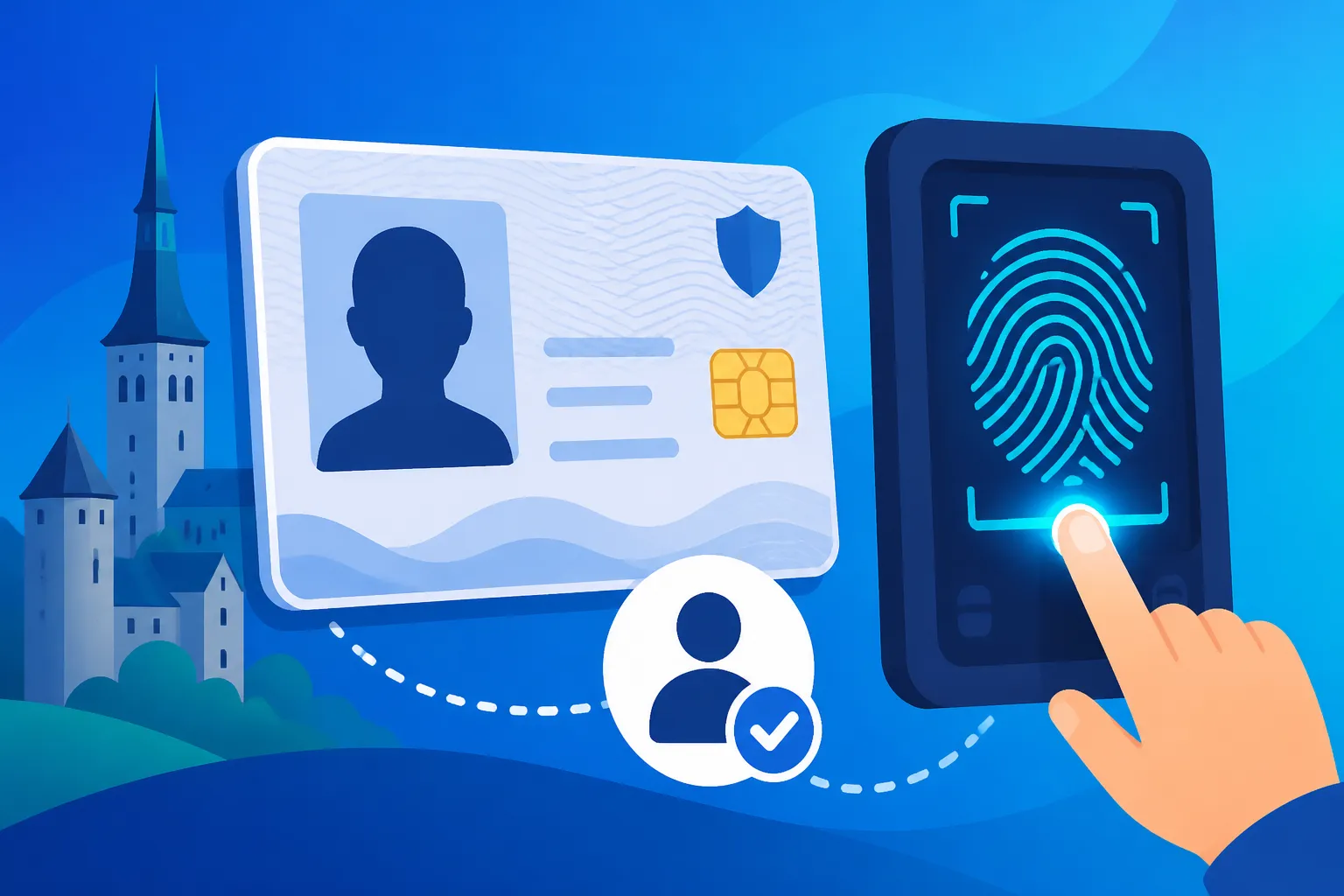
Once your residence permit application is approved, the Estonian Residence Card isn't just another piece of plastic in your wallet; it’s your primary identity document here in Estonia and your gateway to the country's renowned digital services. This card is embedded with a chip that holds your personal data, including your photograph and fingerprints, along with the all-important PIN codes that unlock a myriad of e-services. For expats, this card becomes as essential as your passport, if not more so, for daily life.
More Than Just an ID: Digital Functionality
One of the most remarkable aspects of the Estonian Residence Card is its deep integration into the country's digital infrastructure. It comes with two PIN codes: PIN1 for authentication and PIN2 for digital signing. With these, you can access your bank accounts, declare taxes, sign documents legally from your computer, vote in elections, and even check your medical records through the Digilugu system. It truly transforms the way you interact with public and private services, making mundane tasks incredibly efficient.
Understanding these digital capabilities from the get-go is vital. Many expats initially underestimate just how powerful this little card is. It’s not just for showing identity at the grocery store; it’s your personal digital key, allowing you to participate fully in Estonia’s highly digital society. Taking the time to activate and learn how to use your card's digital functions will save you countless hours and frustrations down the line.
Who Needs an Estonian Residence Card?
While all non-EU/EEA citizens granted a residence permit in Estonia will receive an Estonian Residence Card, it's important to clarify the nuances. If you are a citizen of an EU or EEA member state or Switzerland, your right of residence is registered, and you generally don't receive a residence card in the same way non-EU citizens do; your valid national identity document or passport is sufficient. However, you will still need to register your place of residence in the Population Register.
For everyone else – those on a temporary residence permit or working towards a long-term residence permit – this card is absolutely mandatory. It serves as legal proof of your right to reside and, in many cases, work or study in Estonia. Without it, you cannot fully access the services and rights associated with your permit status, making its acquisition a top priority after your application approval.
The Biometrics Requirement: Why and What It Entails
The term "biometrics" might sound a bit futuristic or even intimidating, but it's a standard and necessary part of securing your identity and your Estonian Residence Card. Essentially, biometrics refers to unique physical characteristics used for identification. For your residence card, this primarily involves your fingerprints and a facial image. It’s a global standard aimed at enhancing security and preventing identity fraud, making your card more robust and trustworthy.
The Purpose of Biometrics in Estonia
Estonia, being at the forefront of digital identity and security, uses biometrics as a critical layer of verification. By collecting your fingerprints and facial image, the authorities can link your physical self directly to your digital identity and your residence permit. This helps prevent unauthorized use of your identity document and ensures that the person using the card is indeed its rightful owner. It also contributes to the overall security of Estonia's borders and its digital services.
It's understandable to feel a bit apprehensive about providing such personal data, but rest assured, the process is secure and standardized. The Estonian Police and Border Guard Board (PPA) stores this information in a highly protected database, only accessible by authorized personnel for legitimate purposes. This measure, while sometimes feeling like an extra step, is ultimately for your protection and the integrity of the system.
What Biometric Data is Collected?
When you go for your biometrics appointment, the process is straightforward. The two main types of biometric data collected are your fingerprints and a digital facial image. You will typically have ten fingerprints scanned digitally – a quick and painless procedure. The facial image is essentially a digital photograph taken on-site, ensuring it meets specific governmental requirements for identity documents.
You won't be asked for things like iris scans or DNA samples. The focus is specifically on these two highly reliable and commonly used biometric identifiers. Make sure your hands are clean and free of any cuts or bandages on the day of your appointment, as this can affect the quality of the fingerprint scans. Similarly, ensure your face is clearly visible for the photograph, following any instructions from the PPA staff regarding glasses or head coverings.
Navigating the PPA Appointment for Biometrics
The Police and Border Guard Board, or PPA (Politsei- ja Piirivalveamet), is the government body responsible for processing residence permits and issuing identity documents in Estonia. Your interaction with them will be crucial for getting your biometrics captured and collecting your Estonian Residence Card. Don't worry, while government offices can sometimes feel like a maze, the PPA is generally well-organized, and many staff members speak English.
When and Where to Provide Biometrics
For most temporary residence permit applications, you will need to provide your biometrics at a PPA service point after your application has been approved. The notification of approval will often specify that your card is ready for personalization and will guide you to book an appointment for biometrics. You can choose any PPA service point across Estonia, but the most common locations for expats are usually in Tallinn, Tartu, or Narva. Consider where you’re living and which office is most convenient. For instance, if you are living in Tallinn, the PPA office at Tammsaare tee or Pinna tänav are popular choices.
Sometimes, if you apply for a long-stay (Type D) visa at an Estonian embassy abroad and it allows for a subsequent residence permit application in Estonia, you might submit biometrics at the embassy first. However, for the actual residence card, the final capture often happens once you’re in Estonia. Always check the specific instructions provided by the PPA regarding your application, as procedures can sometimes vary slightly based on your visa type and nationality.
Booking Your Appointment: Tips and Tricks
Booking your PPA appointment for biometrics is typically done online through the PPA's self-service portal. This is where many expats experience their first taste of Estonian efficiency, or sometimes, frustration due to limited slots. It's not uncommon for popular PPA offices in Tallinn to have waiting times of several weeks, especially during peak seasons.
Here are some tips:
- Book Early: As soon as you receive the notification to provide biometrics, head online to book your slot. Don't procrastinate!
- Check Multiple Locations: If your preferred location (e.g., Tallinn) has no immediate openings, check other cities like Tartu or Pärnu. Sometimes a short train ride can save you weeks of waiting.
- Be Flexible: Look for early morning or late afternoon slots, or even weekdays that might be less popular.
- Keep Checking: Slots can open up unexpectedly due to cancellations. If you don't find a suitable time initially, keep checking the portal daily. Persistence often pays off.
Remember, the official PPA website is your best friend here. Always rely on information from their direct channels. This is also where you would book an appointment for services like How to Renew Your Estonian Residence Permit.
What to Expect at the PPA Office
When your appointment day arrives, make sure you arrive a little early. The PPA offices are usually clean and modern, equipped with electronic queuing systems. You'll take a ticket and wait for your number to be called to a specific counter. The actual process of taking your fingerprints and facial image is quick, usually taking just a few minutes. The staff will guide you through it. They are generally polite and efficient, and most officers in larger cities will speak English.
During your visit, you'll also likely verify your personal details. It's a good idea to bring your passport and any original documents related to your residence permit application, just in case. If you're concerned about language, consider bringing a friend who speaks Estonian, or have Google Translate ready on your phone, though it's rarely necessary in the main PPA offices. This experience is typically much smoother than you might imagine, especially if you’ve followed all the steps to How to Book an Appointment at the Police and Border Guard Board (PPA).
The Application and Collection Process Step-by-Step
Understanding the entire journey from application submission to card collection can help alleviate anxiety. It's not just about the biometrics; it's about connecting all the dots. The PPA process is designed to be streamlined, especially with Estonia's digital focus, but there are still distinct physical steps you need to manage.
Before Your Biometrics Appointment: Document Preparation
While the biometric appointment itself doesn't require a stack of new documents, it's crucial to ensure all the prerequisites for your residence permit application itself were met. This includes having a valid passport, proof of sufficient funds, and critically, appropriate health insurance. Many expats overlook the specific requirements for health insurance, finding themselves in a scramble. For example, a robust international health insurance plan from providers like Cigna Global is often a good option, ensuring comprehensive coverage that meets Estonian visa and residence permit standards. If you're still working on your permit, make sure you understand What Health Insurance Do I Need for an Estonian Residence Permit?.
You should also have confirmed your place of residence. The PPA will want to see proof of accommodation – whether it’s a rental agreement or property ownership – as part of your overall application for a temporary residence permit. For details, refer to How Do I Prove Accommodation for an Estonian Residence Permit?. Having all your ducks in a row for the main permit application makes the biometrics and collection phase much smoother, as the PPA will verify your existing file.
Submitting Your Biometrics and Application
When you visit the PPA for your biometrics, the officer will confirm your identity, take your fingerprints, and capture your facial image. This data is then securely linked to your residence permit application. This step technically finalizes the "application" part of getting your card personalized. They'll confirm your contact information and delivery preference, if applicable. Once this is done, the physical card manufacturing process begins.
It’s important to remember that this appointment is primarily for biometrics capture for the card itself. The initial application for your residence permit would have been submitted earlier, either online via the e-residency portal (if applicable) or directly at a PPA service point, or even at an Estonian embassy abroad. If you're still in the earlier stages, you'll want to review resources like How to Apply for a Temporary Residence Permit in Estonia or How to Apply for a Long-Term Residence Permit in Estonia.
Collecting Your Residence Card
After your biometrics are successfully submitted, it typically takes anywhere from 5 to 30 working days for your card to be produced. The exact timeframe can vary depending on the PPA's workload and whether you opted for standard or expedited processing (if available for your application type). You'll usually receive an SMS or email notification when your card is ready for collection.
When it's time to collect, you'll generally return to the PPA service point where you provided your biometrics, or a designated post office if you chose that option. Always bring your passport and the notification of approval. The collection process is usually very quick – just show your ID, sign, and your new Estonian Residence Card is yours! Remember to verify that all the information on the card (name, photo, expiry date) is correct before leaving the counter. If you moved to Estonia with the help of a moving service like Sirelo, they might have tips on navigating local post services, though PPA collection is straightforward.
Here's a simplified timeline of the Residence Card process:
| Step | Description | Estimated Timeframe |
|---|---|---|
| 1. Residence Permit Application | Submit all required documents (passport, proof of funds, health insurance). | Weeks to months (initial processing) |
| 2. Approval Notification | Receive email/SMS that your permit is approved and card needs biometrics. | Varies based on PPA workload |
| 3. Book Biometrics Appointment | Schedule your visit to a PPA service point via their online portal. | Immediately upon notification |
| 4. Biometrics Capture | Visit PPA, provide fingerprints and facial image. | 5-15 minutes (actual capture) |
| 5. Card Production | PPA manufactures your physical Residence Card. | 5-30 working days |
| 6. Collection Notification | Receive email/SMS that your card is ready for pickup. | Varies based on PPA workload |
| 7. Card Collection | Pick up your card at the PPA service point or post office. | 5-10 minutes (actual collection) |
Common Hurdles and How to Overcome Them
As with any administrative process in a new country, you might encounter a few bumps along the road to getting your Estonian Residence Card. It’s part of the expat experience, but knowing what to anticipate and how to react can make a world of difference. Frustration is a natural reaction, but with a bit of preparedness, these hurdles are easily cleared.
Long Waits and Limited Slots
One of the most frequently heard complaints from expats is the wait time for PPA appointments. Especially in larger cities like Tallinn, booking a slot for biometrics or collection can feel like a competition. It’s frustrating when you're eager to get your new life started, and paperwork delays seem to stand in the way. Don’t get discouraged!
The best way to combat this is proactive booking and flexibility. As mentioned earlier, check smaller regional PPA offices; sometimes a scenic bus ride to a town like Rakvere or Haapsalu can get your biometrics done weeks faster than waiting in Tallinn. Also, be diligent about checking the online booking system for cancellations. Slots often appear randomly as people reschedule. Patience and persistence are key. And make sure you've already secured your personal code; understanding How to Get Your Isikukood (Personal Code) and Why It Matters for Healthcare shows how interconnected these processes are.
Lost or Damaged Cards: Re-application
Accidents happen. Whether your card is lost, stolen, or somehow damaged beyond recognition, you'll need to apply for a replacement. This is essentially a re-application process, and yes, it will likely involve another trip to the PPA for biometrics if your previous data is outdated or the quality is insufficient. The good news is that if your permit is still valid, the process is generally faster than your initial application for a residence permit.
You’ll need to report a lost or stolen card to the PPA immediately. There's a state fee for replacement cards, and you'll have to book an appointment for the re-application and biometric capture. Keeping your card safe and secure is paramount, treating it with the same care as your passport. If your card is still active but damaged, the PPA can advise if a replacement is truly needed, or if minor damage is acceptable.
Language Barriers at PPA
While many PPA staff, especially in Tallinn and Tartu, speak excellent English, there might be instances where you encounter someone whose English isn't as strong, or you need to understand specific nuances in Estonian. This can be nerve-wracking when dealing with important documents. This is a common expat frustration, particularly when you’re still learning the local language.
Don't let this deter you. PPA has information available in English on their website, and often have signs in English at their service points. If you're particularly worried, bring a friend who speaks Estonian, or have a translation app ready on your phone. Most importantly, don't be afraid to ask for clarification. The staff are there to help, and they are generally understanding of language difficulties. Knowing where to find an English-speaking doctor in Estonia is one thing, but navigating the administrative side can be trickier.
Understanding the Validity and Renewal
Your Estonian Residence Card isn’t a lifetime pass; its validity is directly tied to your residence permit. Keeping track of expiry dates is crucial to maintaining your legal status in Estonia and avoiding any unnecessary stress or complications. It’s a bit like managing your car’s registration – ignore it at your peril!
How Long Is Your Card Valid?
The validity period of your Estonian Residence Card will precisely match the validity of your residence permit. For a temporary residence permit, this is typically issued for up to five years, though initial permits might be granted for shorter periods depending on the basis (e.g., work, study, family reunification). For example, a work permit is often tied to your employment contract duration.
The expiry date is clearly printed on your card. It's vital to note this date down and start thinking about renewal well in advance. Do not let your card expire! An expired residence card means an expired residence permit, which could lead to complications with your legal status, banking, and access to services. Your card is essentially your proof of The Complete Guide to Estonian Residence Permits for Expats (2027).
Renewing Your Estonian Residence Permit and Card
The renewal process for your residence permit, and consequently your residence card, generally requires you to re-apply. This typically means you'll need to submit an application for extension, often online, and then follow up with another visit to the PPA for new biometrics. Even if your fingerprints haven't changed, the PPA usually requires fresh biometric data capture for renewed cards to ensure up-to-date security features and a current facial image. This is a standard procedure and helps maintain the high security standards of Estonian identity documents.
The PPA advises starting the renewal process at least two months, but no more than three months, before your current permit and card expire. This gives ample time for processing and for you to book any necessary appointments. For detailed steps on how to extend your temporary residence, look at resources like How to Extend Your Temporary Residence Permit in Estonia. Being proactive with your renewal is key to a smooth continuation of your life in Estonia.
Disclaimer
The information provided in this guide is for general informational purposes only and does not constitute legal advice. While we strive to keep the information up-to-date and accurate, regulations regarding residence permits, biometrics, and other immigration procedures in Estonia can change. Always consult the official website of the Estonian Police and Border Guard Board (PPA) or seek advice from a qualified immigration lawyer or consultant for the most current and specific information pertaining to your individual situation.