How to Set Up Electricity in Your Estonian Home
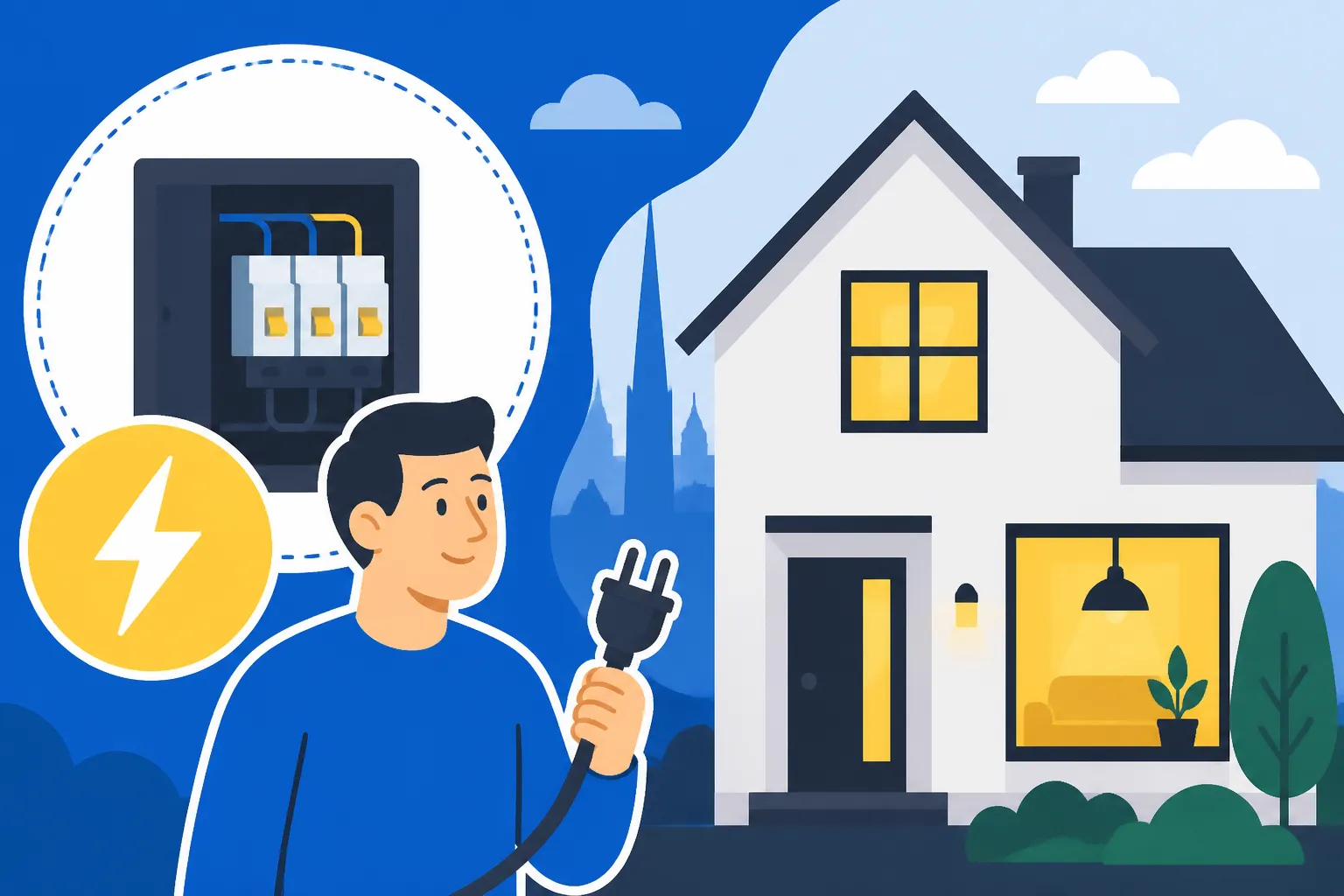
Moving to Estonia, whether you're setting up shop in bustling Tallinn or finding a quiet corner in Tartu, comes with its own unique set of administrative hurdles. One of the first and most fundamental tasks, often overlooked until you're fumbling for a light switch in the dark, is getting your electricity sorted. It’s not just about flipping a switch; it’s about navigating a deregulated market, understanding local terminology, and ensuring your new Estonian home has power from day one. This guide will walk you through every step, helping you avoid common expat pitfalls and get your lights on without a hitch.
Understanding Estonia's Electricity Market: Deregulation and Choices
When you first arrive in Estonia, you might assume setting up electricity is as simple as calling one company. Well, it's a bit more nuanced than that, thanks to Estonia's deregulated electricity market. This means you have choices, which is great for competition and potentially your wallet, but it can initially feel like an extra layer of complexity when you're just trying to settle in.
The Basics of Deregulation and Energy Providers
Estonia, much like many other European countries, operates on a system where the generation and sale of electricity are separate from the distribution network. What this translates to for you, the end-user, is that you get to choose your electricity seller. This isn't always the case in every country, and it’s a detail that often catches newcomers off guard. You're not tied to a single, monolithic utility provider that handles everything from the power plant to your light bulb. Instead, you'll need to pick a company that sells you the actual electricity.
The major players in the Estonian electricity retail market are well-known. You'll frequently hear names like Eesti Energia, which is the state-owned energy giant and the largest producer and seller. Then there's Alexela, known for its broader energy offerings including fuel and gas, and Elektrum, a strong regional player with roots in Latvia. These are just a few, and there are other smaller providers as well, all vying for your business. Each offers various packages and pricing models, which we'll delve into later. The key takeaway here is that you have the power to compare, choose, and switch if you find a better deal. This choice is empowering but also means you can't just pick the first option and forget about it.
The Importance of Your Network Operator (Elektrilevi)
While you get to choose your electricity seller, there's one player in the game you absolutely cannot pick: your network operator. In Estonia, for most residential customers, this role is almost universally fulfilled by Elektrilevi. Think of Elektrilevi as the guardians of the infrastructure – the power lines, cables, transformers, and meters that bring electricity from the grid to your home. They are responsible for the actual delivery of electricity, maintaining the network, fixing faults, and managing outages.
It’s crucial to understand this distinction. Even if you choose Eesti Energia as your seller, the physical electricity still travels to your home via Elektrilevi's network. And for this service, you pay a network fee, which will appear on your bill, separate from the cost of the electricity itself. This network fee goes directly to Elektrilevi, regardless of who your chosen electricity seller is. So, when you're comparing prices, remember that the network fee is a constant, unavoidable cost determined by your location and consumption patterns, not by your chosen seller.
Elektrilevi also plays a vital role in communicating with you. If there's a planned maintenance outage in your area or an unexpected power cut due to a storm, it's Elektrilevi that will inform you. They have an excellent online map where you can check for outages by address, and often provide SMS alerts if you've registered your phone number with them. This is a critical service, especially during Estonia's sometimes harsh winters, when power cuts can happen. Knowing that you can't choose them but they're essential makes them a silent but omnipresent partner in your electricity supply.
Finding Your Current Electricity Provider and Contract Status
Navigating the electricity setup process can feel a bit like detective work, especially if you're moving into a property that's already been lived in. It's not always a straightforward "sign up here" process, and understanding the status of your connection is the first real step.
Moving into a New (or Previously Occupied) Property
The path you take largely depends on whether you're moving into a brand-new build or a home that someone has previously occupied.
Scenario 1: Moving into a New Build
If you're lucky enough to be moving into a sparkling new apartment or house, the process for setting up electricity will involve initiating a brand-new contract. The property will have an existing connection to Elektrilevi's network, but there won't be an active contract with an electricity seller. This means you'll be the very first person to choose a seller and package for that specific address. It’s a clean slate, which can be less complicated than inheriting an existing situation. You'll need to contact your chosen electricity seller (Eesti Energia, Alexela, etc.) directly, provide them with the property details, your personal information (including your Isikukood (Personal Code)), and choose a package. They'll then coordinate with Elektrilevi to activate your supply under your new contract.
Scenario 2: Moving into a Previously Occupied Property
This is often where the real administrative fun begins for expats. When you move into a place where someone else has been living, there's a high chance an electricity contract is already active. The big question is: who is it with, and what's its status?
It's absolutely paramount to clarify this with your landlord or the previous tenant before you move in. If the previous tenant hasn't terminated their contract, you might find yourself unknowingly paying for their past or continued usage, or, conversely, facing a sudden disconnection. Many landlords in Estonia handle the initial setup or transfer of utilities as part of the rental agreement. Some might prefer to keep the network contract in their name and simply add the electricity cost to your monthly 'kommunaalkulud' (utility bills), especially in older apartment buildings. However, it's increasingly common for tenants to have their own electricity contracts.
Always insist on clarity. Ask your landlord for the tarbimiskoha number (consumption point number) and details of the current electricity provider. If there's an active contract in the previous tenant's name, ensure it's terminated upon your move-in date. If you're simply taking over an existing contract, make sure the transfer is properly documented, with meter readings taken on your handover day. Failing to do this can lead to awkward and frustrating disputes later on.
How to Check Your Property's Electricity Connection
Regardless of whether it's a new or old property, getting your electricity sorted hinges on one crucial piece of information: the tarbimiskoha number, or consumption point number. This is a unique identifier for your specific electricity connection, much like a specific account number for your address, and you'll need it for just about anything related to your electricity service.
Where to Find Your Tarbimiskoha Number:
- Previous Bill: The easiest way to find this number is on a previous electricity bill for the property. If your landlord or previous tenant can provide one, you're golden.
- Landlord/Property Owner: This is usually your best bet. The owner of the property will have access to this information.
- Elektrilevi: If all else fails, you can contact Elektrilevi directly. You'll need the exact address of the property. If you have your Estonian ID-card and an Isikukood, you might be able to find it on their self-service portal (e-teenindus). However, if no contract has ever been in your name, you'll likely need to call them or have the landlord do it. Remember, Elektrilevi is the network operator, they know every connection.
Once you have this number, you're well-equipped to contact any electricity seller and get a quote or sign a contract. It streamlines the process significantly, as it uniquely identifies the exact point where electricity is supplied to your home. Estonia's digital infrastructure is generally very advanced, with services like eesti.ee helping to consolidate information, but for specific utility numbers, a direct approach is often best.
Choosing an Electricity Package and Supplier
Once you’ve confirmed the status of your connection and armed yourself with the crucial tarbimiskoha number, it’s time for the exciting part: choosing your electricity package and supplier. This is where your financial savvy and consumption habits come into play.
Decoding Electricity Packages: Fixed vs. Exchange Price
Estonian electricity sellers typically offer two main types of pricing models: fixed price (fikseeritud hind) and exchange price (börsihind or muutuv hind). Each has its own merits and potential drawbacks, and the best choice for you depends entirely on your risk tolerance and lifestyle.
Fixed Price (Fikseeritud Hind)
- What it is: With a fixed price contract, you pay a set rate per kilowatt-hour (kWh) for a specified period, typically 6, 12, or 24 months. This rate remains constant, regardless of fluctuations in the wholesale electricity market.
- Pros:
- Predictability: This is the biggest advantage. Your electricity costs are stable, making budgeting much easier. You won't be hit with unexpected spikes in your monthly bill.
- Peace of Mind: For many expats, especially those new to Estonia's market, the simplicity and security of a fixed price are invaluable. You don't need to constantly monitor market prices.
- Good for High Consumption: If you have high, consistent electricity consumption and want to avoid potential market volatility, a fixed price can offer a hedge against rising prices.
- Cons:
- Missed Savings: If wholesale electricity prices drop significantly, you won't benefit from those lower rates. You're locked into your agreed-upon higher price.
- Potentially Higher Overall Cost: Over a long period, a fixed price might end up being slightly more expensive than an exchange price if the market trend is generally downwards.
Exchange Price (Börsihind/Muutuv Hind)
- What it is: An exchange price contract directly links your electricity rate to the hourly (or sometimes daily) market price on the Nord Pool electricity exchange. This price changes constantly, meaning your per-kWh rate will fluctuate throughout the day and from one day to the next.
- Pros:
- Potential Savings: When market prices are low (e.g., during windy nights when there's an abundance of wind energy), you pay less for your electricity. Savvy users can significantly reduce their bills by shifting consumption to cheaper hours.
- Transparency: You're paying the true market rate, reflecting real-time supply and demand.
- Dynamic Usage: This option is fantastic for those who can monitor prices (via apps like Nord Pool Spot) and adjust their electricity usage accordingly – running the dishwasher or doing laundry late at night, for example.
- Cons:
- Volatility and Risk: The biggest drawback is unpredictability. If market prices spike (e.g., due to cold weather, low wind, or power plant issues), your bill can become significantly higher.
- Budgeting Challenges: It can be harder to budget precisely for electricity costs, as they vary month-to-month based on market conditions and your usage patterns.
- Requires Monitoring: To truly benefit, you need to be proactive about checking prices and adjusting your habits, which isn't for everyone.
Many providers also offer time-of-day tariffs (päeva/öö tariif), meaning different rates for daytime and nighttime consumption. This can be combined with either a fixed or exchange price contract, offering an additional layer of optimization. Nighttime rates are almost always cheaper, encouraging off-peak consumption. Consider your work schedule and daily routines when deciding if this is a suitable option for you.
Here's a quick comparison:
| Feature | Fixed Price (Fikseeritud Hind) | Exchange Price (Börsihind/Muutuv Hind) |
|---|---|---|
| Price Stability | High (rate locked for contract duration) | Low (fluctuates hourly/daily with market) |
| Budget Predictability | High (easier to budget) | Low (can vary significantly month-to-month) |
| Potential Savings | Misses out on market dips | High during low market prices (if managed) |
| Risk Level | Low (protected from market spikes) | High (exposed to market spikes) |
| Ideal User | Values certainty, consistent consumption, less active monitoring | Can monitor prices, willing to adapt consumption, risk-tolerant |
Comparing Providers and Signing a Contract
With an understanding of the pricing models, it's time to shop around. Thankfully, Estonia makes this relatively straightforward.
1. Use Comparison Websites:
The most efficient way to compare offers from various providers like Eesti Energia, Alexela, and Elektrum is by using dedicated comparison websites. A popular and reliable one is energiaturg.ee. You input your tarbimiskoha number and estimated annual consumption (if you have it; otherwise, typical household averages can be used), and it will show you available packages and estimated monthly costs from different sellers. This allows for a clear, apples-to-apples comparison.
2. Gather Your Documents:
Before you apply, make sure you have the following ready:
- Your Isikukood (Personal Code): Absolutely essential for any official contract in Estonia.
- Proof of Residence/Rental Agreement: The electricity provider will want to see that you have a legal right to occupy the property.
- Tarbimiskoha number: We've covered this – your unique connection identifier.
- Bank Account Details: For setting up payments, usually direct debit. You'll likely need an Estonian bank account for this, so make sure you've already started the process for opening a bank account in Estonia as a foreigner.
3. The Application Process:
Most electricity providers offer online application forms through their websites. This is usually the quickest and most convenient method. Many also provide their services in English, or at least have an English version of their website. Don't hesitate to call their customer service lines – most will have English-speaking staff who can guide you through the process.
The process typically involves:
- Filling out an online form with your personal details and property information.
- Choosing your preferred package (fixed or exchange price, and duration).
- Agreeing to terms and conditions, often digitally signed using your Estonian ID-card or Mobile-ID.
- Setting up payment preferences.
Once submitted, the provider will process your application. If there's an existing contract at the address, they will usually handle the termination with the old provider on your behalf, ensuring a smooth transition. However, always double-check this, especially if you're taking over from a previous tenant whose contract was not fully closed. The whole process is remarkably simple, especially when you have all your details in order. For general relocation support, resources like Sirelo can provide overarching guidance, though for specific electricity setup, the provider's direct customer service is your best bet.
Managing Your Electricity Account and Bills
Once you've successfully set up your electricity contract, the next phase is managing your account and understanding your monthly bills. This is where Estonia's advanced digital infrastructure truly shines, making these tasks surprisingly straightforward.
Understanding Your Monthly Electricity Bills
Your electricity bill in Estonia isn't just a simple charge for the power you've consumed; it's a breakdown of several components that contribute to the overall cost. Understanding these elements will help you decipher your bill and truly grasp what you're paying for.
A typical Estonian electricity bill will usually include:
- Energy Consumption (Elektrienergia): This is the actual cost of the electricity you've used, calculated by multiplying your consumption in kilowatt-hours (kWh) by your chosen rate (fixed or exchange price). This part of the bill goes to your chosen electricity seller (e.g., Eesti Energia, Alexela).
- Network Fee (Võrguteenus): As we discussed, this fee goes to Elektrilevi for maintaining the distribution network. It's usually comprised of a fixed monthly charge and a variable charge based on your consumption. You pay this regardless of your electricity seller.
- Renewable Energy Fee (Taastuvenergia Tasu): This is a government-mandated charge that supports the production of electricity from renewable sources in Estonia. It's a small per-kWh fee added to everyone's bill.
- Electricity Excise Tax (Elektriaktsiis): Another government tax levied on electricity consumption.
- VAT (Käibemaks): Estonia's standard Value Added Tax (currently 22% as of early 2024, but always check for the latest rate) is applied to all the above components.
Common Confusion Points:
Expats often get confused by the separate network fee and the renewable energy fee. It's easy to think everything should come from one company. Just remember that your electricity seller is only selling you the power, while Elektrilevi is delivering it, and the government adds taxes and green energy support. So, your bill might actually be split into two main sections or even come as two separate bills, one from your seller and one from Elektrilevi. However, many sellers now consolidate these into one comprehensive bill for your convenience.
Meter Readings:
Modern Estonia has largely transitioned to smart meters (targad arvestid). This means that Elektrilevi typically reads your meter remotely, so you usually don't need to submit readings yourself. This eliminates a common chore and potential source of error. However, it's always good practice to periodically check your meter yourself and compare it against your bill to ensure accuracy. If you're in an older building, or for some reason don't have a smart meter, your landlord or electricity provider will instruct you on how and when to submit readings, usually via their online portal.
Payment Methods and Digital Convenience
Paying your electricity bill in Estonia is generally a seamless and digital experience, reflecting the country's commitment to e-governance.
1. Automatic Direct Debits (E-arve püsimakse):
This is by far the most convenient and widely used method. Once you have an Estonian bank account (which you'll definitely need for life here – check out our guide on The Expat Guide to Opening a Bank Account in Estonia), you can set up an e-invoice direct debit agreement (e-arve püsimakse leping) directly through your online banking portal. Your electricity provider will send an e-invoice to your bank, and the payment will be automatically deducted on the due date. This saves you from forgetting payments and incurring late fees.
2. Online Banking (Internetipank):
If you prefer to manually manage your payments, you can always pay your bills directly through your online bank. Your electricity provider's bill will include their bank account details (IBAN) and a unique reference number (viitenumber) for your payment. Always use the reference number to ensure your payment is correctly allocated to your account.
3. Other Payment Methods (Less Common for Expats):
While less common for foreigners due to language barriers and convenience, some providers might offer payment via postal service or kiosks. However, for digital-savvy expats, online banking and direct debits are the gold standard.
Estonia's robust digital infrastructure extends to managing all your utilities. Many providers have user-friendly self-service portals where you can view your consumption history, current bills, change your package, and update your personal details. This transparency and ease of access are huge benefits that really simplify the mundane tasks of expat life. Understanding how to pay your utility bills in Estonia effectively will make your life much easier, saving you time and stress.
Troubleshooting and Important Considerations
Even with the best planning, sometimes things go awry. Knowing how to handle common issues and what to consider when your living situation changes can save you a lot of headache.
Power Outages and Emergency Contacts
Living in Estonia, especially outside the bustling city centres, means being prepared for the occasional power outage. While the infrastructure is generally reliable, strong winds, heavy snow, or even just regular maintenance can interrupt your supply.
1. Checking for Outages:
Your primary resource for power outage information is Elektrilevi's website. They have a real-time outage map (elektrilevi.ee/et/katkestused) where you can input your address or simply view current outages across the country. This map is updated frequently and will often provide an estimated time for restoration. It's a lifesaver when the lights suddenly go out.
2. Emergency Contacts:
- Elektrilevi Fault Reporting (Rikke Teatamine): If you suspect a localized fault that isn't on the Elektrilevi map, or if you notice damaged power lines, you should call 1343. This is the direct fault reporting number for Elektrilevi. They're equipped to handle technical issues related to the network.
- General Emergency Number: For immediate danger, such as a fallen power line sparking or a fire caused by an electrical fault, always call the European emergency number 112. This connects you to police, ambulance, and fire services.
It’s always a good idea to have some basic emergency supplies at home: a flashlight or headlamp, some candles, and a power bank for charging your phone. While outages in urban areas like Tallinn are usually resolved quickly, more rural locations might experience longer disruptions. Staying informed through Elektrilevi's channels is key.
Changing Providers and Moving Out
Life in Estonia, as an expat, often involves changes – whether it's moving to a new apartment or even leaving the country. How you manage your electricity contract during these transitions is critical.
1. Switching Electricity Providers:
One of the advantages of a deregulated market is the freedom to switch providers if you find a better deal or are unhappy with your current service. The process is generally very smooth. When you sign a contract with a new electricity seller (e.g., switching from Eesti Energia to Alexela), the new provider will usually handle the termination of your old contract for you. They will liaise with your previous seller and Elektrilevi to ensure a seamless transition, often without any interruption to your power supply.
However, always check the terms of your current contract. Fixed-price contracts, especially longer ones, might have early termination fees if you switch before the contract period is over. Exchange price contracts usually have shorter or no notice periods, offering more flexibility. Always clarify any potential fees with your existing provider before making the switch.
2. Moving Out of Your Property:
This is perhaps the most critical point for expats. When you move out of your rented apartment or sell your property, you must remember to terminate your electricity contract or transfer it to the new occupant. If you simply leave without doing so, you could remain liable for the electricity consumption at that address, even if you no longer live there. This is a common and incredibly frustrating expat headache that can lead to unexpected bills months after you’ve departed.
Steps for Moving Out:
- Give Notice: Check your contract for the required notice period for termination. This is often 14 or 30 days.
- Contact Your Provider: Inform your electricity seller of your exact moving-out date.
- Final Meter Reading: Take a clear photo of your electricity meter reading on the day you move out. This is crucial proof of your final consumption. If you have a smart meter, the reading will be automatic, but a photo still provides an extra layer of security.
- Provide Forwarding Address/Bank Details: Ensure your provider has your correct forwarding address (or email) and bank details so they can send you the final bill and, if applicable, return any overpayments.
- Transfer to New Tenant/Owner (if applicable): If a new tenant or owner is moving in immediately, you can often coordinate a transfer of the contract directly to their name, again with a clear meter reading on the handover day. Your landlord can often help facilitate this.
Don't let the excitement of a new move or the stress of departure make you forget this vital step. Properly closing your electricity account is as important as setting it up. For broader moving considerations, our guide on The Complete Guide to Moving to Estonia: Your First 90 Days offers more comprehensive advice on navigating the relocation process. Similarly, understanding all your utility and maintenance costs (Kommunaalkulud) in Estonia is essential for budgeting and a smooth transition.
It's clear that setting up and managing electricity in Estonia has its own set of nuances, particularly with the deregulated market. However, with the right information and a bit of proactive effort, it's a completely manageable task. Embrace the digital convenience, don't be afraid to compare providers, and always pay attention to the details when moving in or out. Your journey in Estonia should be well-lit, not left in the dark!
Disclaimer
Please note that while this guide provides comprehensive and up-to-date information based on general practices and publicly available data, regulations and services in Estonia can change. It is always recommended to consult official government websites, speak directly with electricity providers, or seek professional advice for the most current and personalized information regarding your specific situation. This article is intended for informational purposes only and does not constitute legal or financial advice.