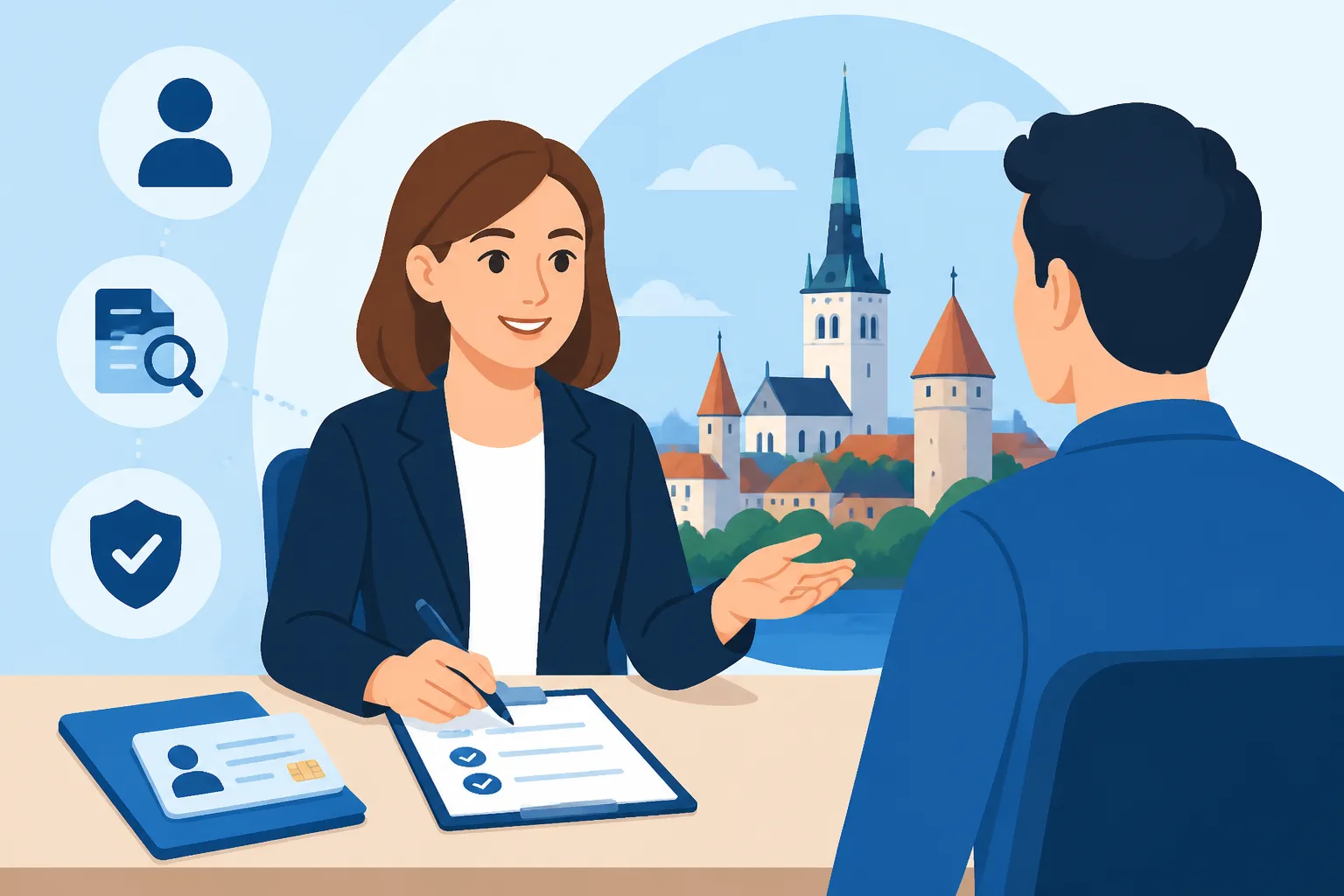
How Do I Prepare for a PPA Interview for My Residence Permit?
Facing an interview with the Estonian Police and Border Guard Board (PPA) for your residence permit can feel like walking into an exam you didn't quite study for. It’s a moment packed with anxiety, wondering if you've missed a crucial document or if your answers will be good enough. This guide is here to demystify the PPA interview process, helping you prepare thoroughly, anticipate questions, and walk in with the confidence of a seasoned expat, making your journey to living in Estonia a smoother one.
Understanding the Purpose of the PPA Interview
First things first, let’s peel back the layers and understand why the PPA even conducts these interviews. It’s not a personal attack, I promise. It’s a standard procedure to ensure everything is above board and that your move to Estonia is genuine and well-considered.
Why an Interview at All?
Think of the interview as a conversation, not an interrogation. The PPA's primary goal is to validate the information you've provided in your application and supporting documents. In a world where document fraud and misrepresentation are unfortunately common, the interview serves as a crucial checkpoint. They want to put a face to the name, hear your story directly, and ensure that your intentions for residing in Estonia align with the type of residence permit you're applying for.
For instance, if you're applying for a student residence permit, they'll want to confirm you understand your study program, where you'll be living, and how you plan to finance your education. They might ask about your previous academic experiences, why you chose Estonia, and what your post-study plans are. If you're coming on a work visa, they’ll likely delve into your job role, the company you'll be working for, and your qualifications. This helps them confirm that you're not just trying to skirt immigration rules under false pretences. It’s about ensuring the integrity of Estonia's immigration system, plain and simple. They're also looking for consistency. If something in your interview contradicts your application forms, or if there are gaps in your story, they’ll want to clarify it. It’s much easier for them to do this in a brief chat than through endless back-and-forth emails.
Furthermore, these interviews help the PPA assess your genuine ties to Estonia. They're not just rubber-stamping applications; they want to see that you have a legitimate reason and a realistic plan for living here. For those moving for family reunification, they’ll be assessing the authenticity of your relationship. They want to know you’re prepared for the realities of life in a new country.
Common Misconceptions About the Interview Process
It’s easy to let your imagination run wild when you hear "government interview," especially in a foreign country. Many expats, myself included, have gone into these situations feeling like we were on trial. But let me tell you, it’s usually not that dramatic.
One of the biggest misconceptions is that the PPA is actively trying to "catch you out." While they do their due diligence, their primary objective isn't to deny you. It's to confirm your eligibility. They are professionals performing a necessary administrative task. Approach it with honesty and transparency, and you’ll find it’s much less intimidating. Another common worry is the language barrier. Many assume they'll need fluent Estonian, or at least perfect English, to navigate the interview. While English is widely spoken in Estonia, especially in government offices, if you’re not confident, remember you often have the right to bring an interpreter. This is especially true for more complex residence permit applications or if you truly struggle with English. Always clarify this when you book your appointment at the Police and Border Guard Board (PPA). Don't just show up with a friend; check if an official interpreter is required or if a specific language is preferred. Being prepared for the language aspect can alleviate a lot of stress.
Remember, the PPA staff deal with people from all over the world every single day. They understand that you might be nervous, and they are generally quite professional and empathetic. So, take a deep breath, and let’s get into the practical steps of preparing.
Gathering and Organising Your Documents
The PPA interview is often less about what you say and more about what you show. Having your documents in perfect order is half the battle won. This is where most people stumble, myself included, when I first moved here. You think you have everything, and then BAM! They ask for something obscure you didn't even know existed.
The Essential Document Checklist
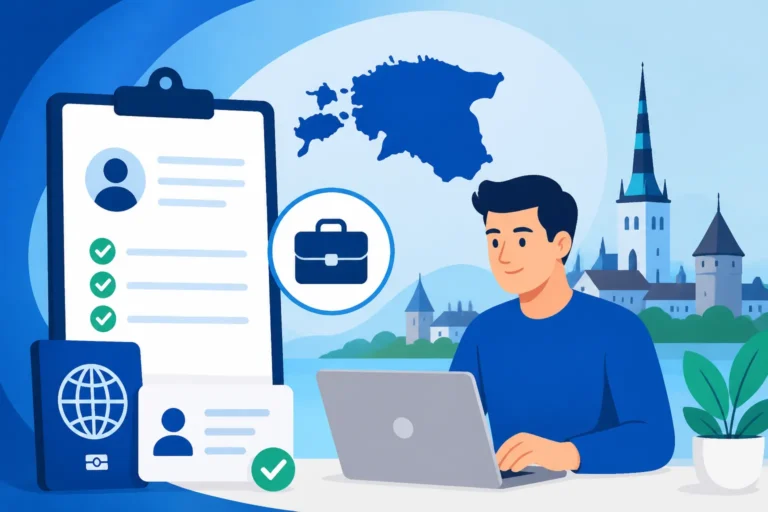
Before your interview, revisit the specific requirements for your type of residence permit on the PPA website. This is paramount, as requirements can shift. Don't rely on old advice from forums; go straight to the source. However, generally, you'll need a core set of documents.
- Your Passport and Previous Travel Documents: Always bring your original, valid passport, along with copies of the main data page and any relevant previous visas or entry stamps for Estonia or the Schengen area. If you’ve ever had a long-stay (Type D) visa for Estonia, bring those details too.
- The Residence Permit Application Form: This seems obvious, but make sure you have the exact form you submitted, signed, and dated. Sometimes they might ask for a fresh copy, so having one filled out but unsigned can be handy, just in case.
- Proof of Financial Means: This is critical. How will you support yourself without becoming a burden on the Estonian state? This could be:
- Employment Contract: If you're moving for work, a signed contract stating your salary, position, and start date.
- Bank Statements: Recent statements (usually for the last 3-6 months) showing sufficient funds to cover your living expenses. The PPA website will usually specify the minimum required amount per month.
- Scholarship Letter: If you're a student, proof of your scholarship, its duration, and the amount.
- Sponsorship Letter: If someone is financially supporting you, a notarized letter from them, along with their financial proof.
- Business Plan: For entrepreneurs applying for residence based on business activity, a detailed business plan showing viability and projected income.
- Proof of Accommodation: Where will you lay your head at night?
- Rental Agreement (Üürileping): A signed and valid tenancy agreement, registered where necessary. Make sure your name is clearly on it.
- Property Ownership Documents: If you’ve bought property here, provide the relevant ownership certificates from the Estonian Land Register (Kinnistusraamat).
- Hostel/Hotel Booking: For initial stays, a booking for a reasonable period (e.g., a month) might suffice, but you'll need to demonstrate a plan for long-term housing. Remember, they want to see genuine long-term commitment. For help on this, you can check out the guide on How to Prove Accommodation for an Estonian Residence Permit?.
- Health Insurance Certificate: This is non-negotiable. You need valid health insurance coverage for your entire period of stay. For shorter stays, travel insurance might be enough, but for a residence permit, you'll need something more comprehensive, often covering up to €30,000 for medical expenses and repatriation. Companies like Cigna Global offer expat-specific plans that meet these requirements. Make sure you understand What Health Insurance Do I Need for an Estonian Residence Permit?.
- Educational Diplomas/Transcripts: If your permit is linked to studies or a skilled job, have your original certificates and their official translations ready.
- Family Documents (if applicable): If you're applying for family reunification, bring original and translated birth certificates, marriage certificates, and any other documents proving your relationship.
- Isikukood: If you've already obtained your personal code, have that information handy. If not, don't worry, as obtaining it is often part of the residence permit process itself. But it's good to understand How to Apply for an Isikukood as Part of Your Residence Process.
This list is not exhaustive, so always check the PPA's official website for the most up-to-date and specific requirements for your particular situation.
Organising for Clarity and Efficiency
Imagine shuffling through a stack of loose papers while a PPA official waits patiently (or not-so-patiently). Not ideal, right? Organisation is key.
- Physical Folder: Invest in a sturdy folder or binder with dividers. Label each section clearly: "Passport Copies," "Financial Proof," "Accommodation," "Health Insurance," etc. This makes it incredibly easy to pull out a document when requested.
- Originals and Copies: Always have both. The PPA often wants to see the original document and will keep a copy. If you only have one, you might be sent away to make copies, delaying your application.
- Translations: Any document not in Estonian or English must be officially translated. This usually means a sworn translator or a notary-certified translation. Don't skimp on this; a poor translation can raise red flags.
- Digital Backups: Scan all your documents and save them in a cloud drive or on a USB stick. While they usually want physical copies, having digital backups is smart for your records and emergencies.
- Chronological Order: For documents like bank statements or previous visas, arrange them in chronological order. It shows attention to detail and makes it easier for the official to follow.
Think of it this way: the more organised you are, the smoother and quicker the interview will be, and the better impression you'll make. Many expat service providers, or even international moving companies like Sirelo, provide checklists and advice that can help you get this part right.
Anticipating Questions and Crafting Your Responses
This is where the mental preparation comes in. The PPA interview isn't just about documents; it's about understanding your story and your intentions. While you can't predict every single question, you can certainly prepare for the most common themes.
Questions Related to Your Background and Intentions
These questions are designed to get to know you and understand your motivations for moving to Estonia.
- "Why Estonia? What specifically attracted you here?"
- Bad answer: "My friend lives here" or "I just needed to leave my home country."
- Good answer: Be specific. "I was drawn to Estonia's innovative tech sector and found a fantastic opportunity at [Company Name] where my skills in [area] can contribute significantly." Or, "I chose the University of Tartu for its highly regarded [program name] and its strong focus on research in [field]." Show genuine interest in the country, its culture, and the specific opportunities that align with your purpose. Mentioning something you appreciate about Estonian society or its digital landscape can go a long way.
- "What are your plans here? For how long do you intend to stay?"
- This is about confirming your application's purpose and assessing your long-term outlook. If you're applying for a student permit, you'll be here for the duration of your studies. If it's a work permit, specify the length of your contract. If you genuinely see yourself settling down, you can express that too, explaining your reasoning. Be realistic and consistent with your permit type. For those seeking How to Get a Long-Stay (Type D) Visa for Estonia?, your immediate and long-term plans are key.
- "Where did you live before? What did you do there?"
- They want to establish your background and ensure there are no red flags. Be honest about your previous employment, studies, or residence. If you’ve been travelling extensively, be prepared to explain your itinerary.
- "Do you have any family or friends already living in Estonia?" (If applying for family reunification):
- Be ready to discuss the relationship's authenticity, how you met, details about your partner/family member, and your shared life. They want to ensure it's a genuine family unit, not a marriage of convenience.
Questions About Your Finances and Accommodation
Financial stability and a secure place to live are fundamental requirements for any residence permit. Expect detailed questions here.
- "How will you support yourself financially during your stay in Estonia?"
- Refer back to your proof of financial means. If you have a job offer, confidently state your salary and explain how it covers the cost of living in Estonia. If you have savings, be specific about the amount and how long it will last. If a scholarship, explain its terms. Make sure you have a solid understanding of your own How Much Income Is Required for an Estonian Residence Permit?.
- "Where exactly will you live? Do you have a rental agreement? What are your landlord's details?"
- Provide the full address, details of your rental agreement (or property ownership), and your landlord's contact information if asked. They may even call your landlord to verify, so ensure everything is legitimate. It's not uncommon for them to ask about your utility costs (kommunaalkulud) or even the size of your apartment to ensure it's suitable.
- "Do you understand the cost of living in Estonia, and how will you manage your expenses?"
- This shows foresight. You should have at least a basic idea of average costs for rent, groceries, transport, and utilities. Demonstrate that you’ve done your homework. Referring to a resource like The Complete Guide to Cost of Living in Estonia for Expats (2026) can give you a good idea.
Questions About Your Understanding of Estonian Life
These questions gauge your level of preparation for cultural integration and your general awareness of life in Estonia.
- "Do you have plans to learn Estonian?"
- Even if your work or studies are in English, showing an openness to learning the local language is a huge positive. Mention any online courses you're taking, apps you're using, or plans to enrol in a local language school. It shows commitment.
- "What do you know about Estonian culture/history/laws?"
- You don't need to be an expert, but showing some basic knowledge or curiosity helps. Mentioning an Estonian tradition, a famous landmark, or a general appreciation for the country’s digital government services can impress.
- "What are your long-term goals in Estonia?"
- This circles back to your initial intentions. If you envision a long future, explain why. If your permit is temporary, simply state your plans post-permit. Honesty is key.
- For those considering business or self-employment, you might be asked about your business plans in detail. Getting acquainted with information like Understanding Residence for Self-Employment and Business in Estonia can be beneficial.
Crafting Your Responses:
- Be Truthful: Always, always be honest. Any discrepancy can lead to problems.
- Be Concise: Answer the question directly without rambling. If they need more detail, they will ask.
- Be Confident: Speak clearly and maintain eye contact. Your body language communicates as much as your words.
- Anticipate Follow-ups: For every question, think about what the next logical question might be. This helps you structure your initial answer better.
| Category | Common Documents Required | Sample Interview Questions |
|---|---|---|
| Identity & Permit | Valid Passport, Old Visas, Completed Application Form | Why Estonia? What are your plans here? |
| Financial Means | Employment Contract, Bank Statements, Scholarship Letter, Business Plan | How will you support yourself? What is your monthly income/expenditure? |
| Accommodation | Rental Agreement, Property Ownership Docs, Proof of Address | Where exactly will you live? Who is your landlord? |
| Health & Background | Health Insurance Certificate, Educational Diplomas, Marriage/Birth Certificates (if applicable), CV | Do you have health insurance? What is your educational/professional background? |
| Intent & Integration | (Implied from other docs) | Do you plan to learn Estonian? What do you know about Estonia? What are your long-term goals here? |
Remember, this is about presenting a clear, coherent, and honest picture of your intentions and preparations for life in Estonia.
Practical Tips for Interview Day
The day of the interview itself can be stressful, but with a few practical tips, you can ensure everything goes as smoothly as possible.
The Importance of Punctuality and Presentation
These might seem like small things, but they make a big difference in creating a good impression.
- Arrive Early: Aim to be at the PPA office at least 15-20 minutes before your scheduled appointment. This gives you time to find parking (if applicable), locate the correct department, take a breath, and gather your thoughts without rushing. There’s nothing worse than arriving flustered.
- Dress Smartly: You don't need to wear a three-piece suit, but avoid overly casual attire. Think smart-casual – something you'd wear to a job interview or an important meeting. Clean, tidy clothes show respect for the process and the official. It’s about demonstrating you take this seriously.
- Be Polite and Respectful: Greet the PPA official courteously. Use "Tere!" (hello) or "Tere päevast!" (good day) if you know a little Estonian. Maintain a respectful tone throughout the interview. Remember, they are the ones holding the keys to your Estonian residence.
Communicating Clearly and Confidently
How you communicate is just as important as what you communicate.
- Answer Truthfully and Concisely: Don't waffle. Answer the questions directly and to the point. If an answer requires more detail, the official will prompt you. If you don't know the answer to something, it's better to admit it honestly than to fabricate information. For example, if asked about a specific law you're unfamiliar with, you can say, "I'm not familiar with the specifics of that regulation yet, but I am committed to learning and abiding by all Estonian laws."
- Ask for Clarification: If you don't understand a question, don't just guess. Politely ask the official to rephrase it or explain it further. "Vabandust, kas saaksite seda uuesti öelda?" (Excuse me, could you please say that again?) or "Could you please explain what you mean by that?" is perfectly acceptable. They want to understand you, and for you to understand them.
- Interpreter Protocol: If you've arranged for an interpreter (or if one is provided), ensure you understand how to use them effectively. Speak directly to the PPA official, not the interpreter. The interpreter is there to facilitate, not to mediate. Wait for them to translate before responding. If you are preparing for your appointment, you might want to review How to Book an Appointment at the Police and Border Guard Board (PPA).
- Stay Calm: It's okay to be nervous, but try to manage it. Take a deep breath if you feel overwhelmed. Remember, you've done your homework, you've gathered your documents, and you know your story.
Post-Interview Expectations
The interview isn't the final step, just another one in the journey. Understanding what happens next can help manage your expectations.
- Processing Times: After the interview, your application will typically enter a processing period. The duration can vary greatly depending on the type of permit, the PPA's current workload, and whether additional information is required. The PPA website usually provides estimated processing times, but these are just estimates. Patience is a virtue here.
- Checking Application Status: You can usually check the status of your application online via the PPA's self-service portal (e-PPA). This is where you'll see updates like "in processing," "additional documents requested," or "decision made."
- Additional Documents: Don't be surprised if the PPA requests further documents or clarifications after the interview. This is common and not necessarily a sign that anything is wrong. Respond promptly and comprehensively to any such requests. They might, for example, ask for more detailed bank statements or a clarification on a specific clause in your rental agreement. Having all your documents neatly organised, as discussed in How to Prepare Documents for an Estonian Residence Permit Application, will make this much easier.
Remember, the PPA interview is a significant step towards securing your Estonian residence permit. By understanding its purpose, diligently preparing your documents, thoughtfully anticipating questions, and maintaining a calm, respectful demeanor, you significantly increase your chances of a successful outcome. Good luck, and soon you'll be one step closer to calling Estonia your home!
Disclaimer
Please note that immigration laws and procedures are subject to change. While this guide provides comprehensive information based on current understanding, it is always recommended to consult the official website of the Estonian Police and Border Guard Board (PPA) or seek advice from a qualified immigration lawyer for the most up-to-date and personalized guidance regarding your specific situation. This content is for informational purposes only and does not constitute legal advice.