How Do I Avoid Double Taxation Between Estonia and My Home Country?
The fear of paying taxes twice on the same hard-earned money is a real nightmare for many expats, a bureaucratic beast that can frankly be quite intimidating when you're trying to build a new life in a foreign country like Estonia. Trust me, I’ve been there, staring at forms and wondering if my home country or my new home here in Tallinn has the primary claim on my income. This guide is specifically designed to help you cut through the confusion and understand how to avoid double taxation between Estonia and your home country, providing clear, actionable steps and validating the very real frustrations you might be feeling.
Understanding Your Tax Residency Status in Estonia
Before you can even begin to tackle the concept of double taxation, you absolutely must nail down your tax residency status. This isn't just a formality; it dictates which country sees you as a primary taxpayer, and it's often the root cause of potential double taxation woes. You might feel like you've moved and that's that, but the taxman in your home country might still have an eye on you, and Estonia certainly will once you're properly settled.
Establishing Estonian Tax Residency
Generally, Estonia considers you a tax resident if you meet one of two main criteria: you live here for at least 183 days within any 12-month period that begins or ends in the tax year, or your permanent home is located in Estonia. This "permanent home" concept goes beyond just renting an apartment; it implies an intention to reside here, even if you travel frequently. If you've been working here, have a rental agreement, and have truly moved your life – your family, your main social connections, your regular haunts – to Estonia, then it's highly likely you'll be considered an Estonian tax resident.
It's a common misconception that simply having an Estonian ID or being registered in the Population Register automatically makes you a tax resident. While these steps are crucial for many administrative functions, including getting your unique personal code or Isikukood, and are part of the process, the tax residency status itself is determined by those core criteria of physical presence and centre of vital interests. For a deeper dive into this, I highly recommend checking out our comprehensive guide on Tax Residency in Estonia: A Definitive Guide for Expats (2027). Once you have your Isikukood, remember to officially register with the Estonian Tax and Customs Board, Maksu- ja Tolliamet (MTA), as part of getting your life sorted here; our guide How to Get an Isikukood and Register with the Estonian Tax Board explains how.
Navigating Dual Residency Claims
Here's where the headache often begins for expats: both Estonia and your former home country might believe you're their tax resident. This is called a dual residency claim, and it's precisely what leads to double taxation. Your home country might have a similar 183-day rule or consider you resident because you still own property there, have family ties, or receive income from sources within its borders.
When this happens, you need to turn to Double Taxation Treaties (DTTs). These international agreements are designed precisely for this kind of situation. They provide a set of "tie-breaker rules" to determine which country has the primary right to tax your income, effectively settling the dual residency dispute for tax purposes. These rules typically look at things like where your permanent home is, where your centre of vital interests (personal and economic ties) lies, where you habitually reside, and your nationality. Understanding these rules is absolutely paramount, as they are your first line of defense against paying taxes twice.
The Cornerstone: Double Taxation Treaties (DTTs)
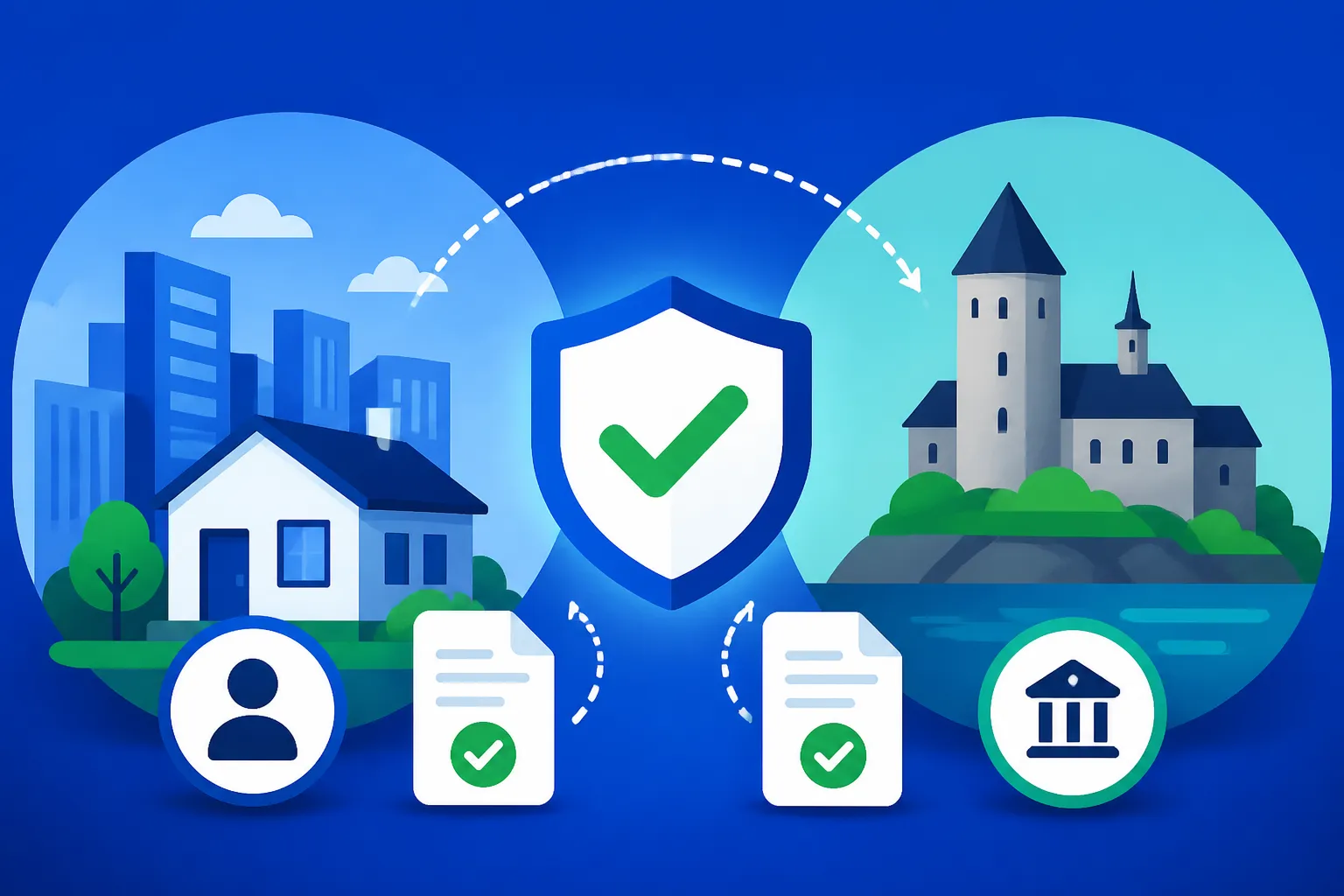
Double Taxation Treaties, or DTTs, are truly your best friend as an expat trying to avoid paying too much tax. Estonia has an extensive network of these treaties with many countries around the world, and they exist for one main purpose: to allocate taxing rights between two states and prevent the same income from being taxed twice.
What DTTs Are and How They Work
Think of a DTT as a carefully negotiated contract between Estonia and another country. These treaties don't create tax liabilities; rather, they restrict them based on domestic laws. They specify which types of income (e.g., salary, business profits, dividends, interest, rental income) can be taxed by which country, and under what conditions.
For example, a DTT might state that salary income is primarily taxable in the country where the work is performed, or where the individual is considered a resident. However, it also typically includes clauses on how to provide relief if both countries still end up taxing the same income, even after applying the residency tie-breaker rules. This is where the methods of relief come into play, usually either the "exemption method" or the "credit method."
You can usually find a list of countries with which Estonia has DTTs, along with the full text of these treaties, on the Maksu- ja Tolliamet (MTA) website. It's not the easiest reading, I'll admit, but understanding the specific treaty between Estonia and your home country is absolutely critical. For a more comprehensive overview of Estonia’s tax system and how it interacts with international rules, our guide The Complete Guide to Taxes in Estonia for Expats (2027) is an invaluable resource.
Methods for Avoiding Double Taxation under DTTs
Once a DTT determines which country has the right to tax certain income, it also lays out the method by which double taxation is avoided. These methods are broadly categorised:
-
Exemption Method: Under this method, income that is taxable in one country (the source country) according to the DTT is simply exempt from tax in the other country (the residence country). For instance, if the DTT says your pension income is only taxable in your home country, Estonia would exempt that income entirely from its tax calculations, even if you are an Estonian tax resident. However, often the residence country might still consider this exempted income when calculating the tax rate on your other income, which is known as "exemption with progression."
-
Credit Method: This is more common. Under the credit method, if both countries have a right to tax the same income (which can happen with certain types of income like dividends or interest, where the source country might levy a withholding tax, and the residence country taxes it fully), the residence country allows you to credit the tax you've already paid in the source country against your tax liability in the residence country. So, if Estonia is your residence country and you earned dividends from a company in your home country that withheld 15% tax, Estonia would tax the dividends but allow you to deduct that 15% already paid from your Estonian tax bill on those dividends. The credit is usually limited to the amount of tax that would have been payable on that income in the residence country.
Here’s a simplified comparison of these two core methods:
| Feature | Exemption Method | Credit Method |
|---|---|---|
| Principle | Income taxed in source country is exempt in residence country. | Tax paid in source country is credited against tax in residence country. |
| Application | Often for employment income, some business profits. | Often for dividends, interest, royalties, sometimes capital gains. |
| Benefit | Simplifies calculations, potentially lower overall tax if source tax is lower. | Ensures you don't pay more than the higher of the two tax rates. |
| Limitation | Residence country might still consider income for rate progression. | Credit is usually capped at the residence country's tax on that income. |
| Example | Salary earned abroad, specified as taxable only there, not taxed in Estonia. | Foreign dividends taxed in source country, that tax amount reduces your Estonian dividend tax. |
Understanding which method applies to which type of income in your specific DTT is crucial. It’s not always straightforward, but it’s the legal framework protecting you from overpayment.
Practical Steps for Expats to Avoid Double Taxation
Alright, so you know about tax residency and DTTs. Now, let's get down to the brass tacks – what do you actually do to ensure you’re not caught in the double taxation trap? This requires proactive planning and diligent reporting.
Declaring All Your Income (Even Foreign Income)
The first and most important rule: as an Estonian tax resident, you are generally required to declare your worldwide income to the Estonian Tax and Customs Board (MTA). Yes, that includes income earned, received, or sourced from outside Estonia, even if you’ve already paid tax on it in another country. It’s tempting to think, "If it's already taxed elsewhere, why bother?" but ignoring this step can lead to penalties and a whole lot of unnecessary stress.
The key is that you declare it so Estonia can apply the relevant DTT provisions. When you file your annual tax return through the e-MTA portal, there are specific sections for declaring foreign income. This is where you indicate the type of income, the country of origin, and the amount of tax already paid. Our guide on How to Report Foreign Income to the Estonian Tax Board walks you through this in more detail.
For most employed individuals, your Estonian employer handles your income tax and social tax deductions here. But if you have income from other sources – perhaps rental properties back home, dividends from foreign investments, or freelance work for clients outside Estonia – then you'll need to report these yourself. Don’t forget to check out Understanding Income Tax (Tulumaks) in Estonia: The Full Expat Guide for a comprehensive look at Estonian income tax principles.
Claiming Relief Under Double Taxation Treaties
Once you've declared your worldwide income, it’s time to claim the relief provided by the DTT. This is usually done directly on your Estonian annual tax return.
- For the Exemption Method: If the DTT specifies that certain income is only taxable in the source country, you would declare it on your Estonian tax return but indicate that it is exempt under the relevant DTT article. The e-MTA system is quite intuitive and often guides you through this, but you need to know which article applies.
- For the Credit Method: If the DTT allows for a tax credit, you would report the gross foreign income and then, in the designated section, enter the amount of tax you’ve already paid in the foreign country. Estonia’s MTA will then calculate your tax liability and apply the credit, ensuring you only pay the difference (if any) to Estonia.
It’s often necessary to provide documentation proving that the tax was indeed paid in the other country. This could include foreign tax certificates, pay slips, or bank statements showing tax deductions. Keep meticulous records!
The Role of Your Employer and Financial Institutions
If you are employed by an Estonian company, they will typically handle your Estonian income tax and social contributions correctly, so you won't need to worry about that particular income being double-taxed in Estonia. However, if you're a remote worker for a foreign company while living in Estonia, things get trickier, as your foreign employer might not be deducting Estonian taxes. Our article, How to Handle Tax as a Remote Worker for a Foreign Company in Estonia, delves into this specific challenge.
When it comes to receiving foreign income, whether it's your salary from a remote job or earnings from investments, you'll want reliable ways to move money internationally. Many expats find services like Wise incredibly useful for receiving foreign currency payments and then converting them to Euros at competitive rates, which simplifies tracking and reduces potential fees that might eat into your income. It's a lifesaver for managing international finances efficiently.
Remember, filing your annual tax return in Estonia is a structured process. For a complete guide, refer to Filing Your Annual Tax Return in Estonia: The Complete Walkthrough (2027).
Navigating Common Expat Scenarios and Nuances
The general rules are one thing, but expat life throws up a myriad of unique situations. Let's look at a few common scenarios and the nuances that often catch people out when trying to avoid double taxation.
Remote Workers and Cross-Border Employment
Estonia is a hub for digital nomads and remote workers, and while the freedom is fantastic, the tax implications can be a maze. If you live in Estonia and work remotely for a company in another country, you are generally an Estonian tax resident (assuming you meet the criteria). This means your global income, including your remote salary, is taxable in Estonia.
The key question then becomes: where does your employer pay social security and income tax? Ideally, your foreign employer should be registered in Estonia or you should be treated as self-employed for tax purposes in Estonia. If your employer continues to withhold taxes in their country, that's where the DTT comes into play. You’d declare the gross income in Estonia and then claim a credit for taxes paid in the source country, as per the DTT. If your home country also claims you as a tax resident, the tie-breaker rules in the DTT will determine your primary tax residency. Often, this boils down to where you physically perform your work and where your "centre of vital interests" truly lies. It's a complex area, and it’s why many remote workers seek professional advice to make sure they're compliant on both ends. You might even wonder Can I Keep My Foreign Employer While Living in Estonia? and still be tax-compliant, and the answer is yes, but with careful planning.
Self-Employed Individuals (FIEs and OÜs)
If you're self-employed in Estonia, perhaps as an FIE (sole proprietor) or running an OÜ (private limited company), your income is generally taxed in Estonia. If you have foreign clients, that income is still Estonian income for you. The risk of double taxation here usually arises if your foreign client's country tries to claim you have a "permanent establishment" there, which would give them the right to tax a portion of your profits. DTTs define what constitutes a permanent establishment, usually requiring a fixed place of business. For freelancers working digitally, this is rarely an issue, but it's something to be aware of.
Split Residency and Moving Mid-Year
Moving to Estonia rarely aligns perfectly with the start of a tax year. Many expats find themselves with "split residency" for their first year, meaning they are tax residents in one country for part of the year and in Estonia for another part. In such cases, DTTs have specific provisions for how income earned during each period should be taxed. Typically, you'll be taxed by each country only for the period you were a resident there, but reporting requirements can still be confusing. You need to understand How Do I File Taxes If I Have Income in Two Countries? to avoid pitfalls.
Other Income Sources: Pensions, Dividends, Interest, and Rental Income
Different types of income are treated differently under DTTs.
- Pensions: Often, pensions are only taxable in the country of residence. However, some DTTs allow the source country (the country paying the pension) to also tax it, in which case the credit method would apply in your residence country.
- Dividends and Interest: Typically, the source country can impose a limited withholding tax (e.g., 5-15%), and then your residence country (Estonia) taxes the full amount, giving you a credit for the tax already withheld.
- Rental Income: Usually, income from immovable property (like a rental apartment) is taxable in the country where the property is located (the source country). Your residence country (Estonia) would then typically exempt this income or provide a credit.
These specific rules highlight why knowing your DTT is so crucial. If you're managing investments or property abroad, you might want to look at a service like Wise to streamline foreign currency transfers, whether you're receiving rental payments or moving investment income around. It helps keep your finances organized for tax reporting.
Seeking Professional Guidance
Honestly, international taxation is complex. While this guide provides a solid foundation, individual situations can vary wildly based on your specific income sources, your home country's tax laws, and the exact wording of the DTT. If your situation is complex – say, you have multiple income streams from different countries, or your tax residency is ambiguous – it's always, always worth consulting with a tax professional specializing in international taxation for expats. Companies like Taxes for Expats often have experience with Estonian tax laws and DTTs, and they can provide tailored advice that ensures full compliance and peace of mind. Getting an Estonian Tax Residency Certificate from the MTA can also be important for proving your status to foreign tax authorities. Don't let the potential for double taxation keep you up at night when expert help is available.
Disclaimer
The information provided in this guide is intended for general informational purposes only and does not constitute professional tax or legal advice. Tax laws and regulations, including double taxation treaties, are subject to change and can be complex. Always consult with a qualified tax advisor or legal professional for advice tailored to your specific situation and jurisdiction. We cannot be held responsible for any decisions made based on the information presented here.