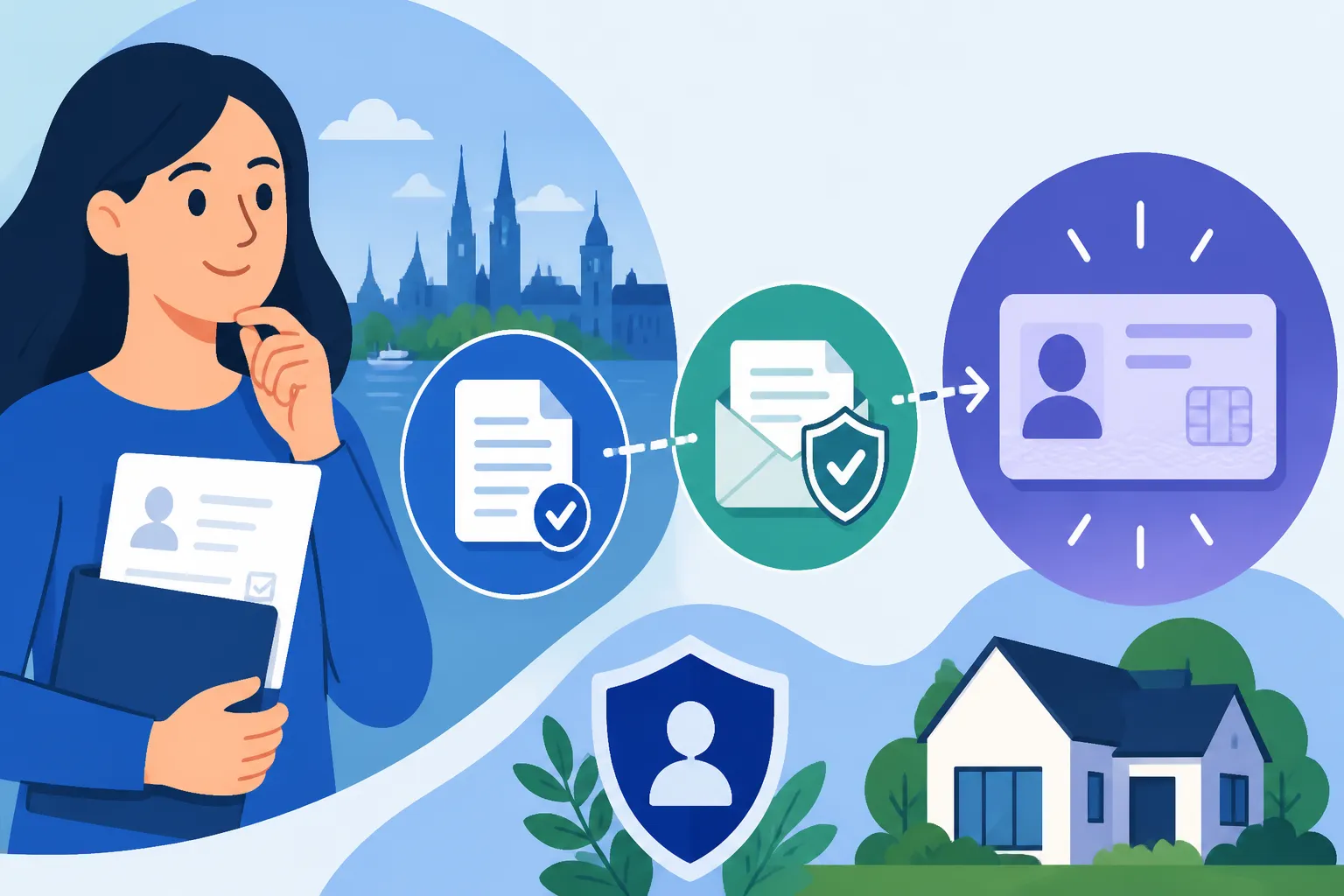
How Do I Apply for an Isikukood for My Residence Process?
One of the trickiest parts of moving to Estonia, especially if you're coming from outside the EU, is figuring out the isikukood. It's not just a number; it's your key to unlocking virtually everything in this digital society, and the confusion around when and how you get it for your residence permit application can be genuinely frustrating. This guide is here to walk you through the process, clarifying exactly how your isikukood is issued as an integral part of your Estonian residence permit journey.
What Exactly is an Isikukood and Why It's Indispensable for Your Estonian Life
Let’s be honest, when you first hear about the isikukood, it sounds a bit like another bureaucratic hurdle. But trust me, once you’re settled here, you’ll realize it's the magical eleven-digit number that makes Estonian life incredibly convenient. It’s not just a personal identification code; it’s your digital fingerprint in Estonia, tying together all aspects of your administrative and daily life. Without it, you’re essentially operating on the fringes, and who wants that when you’re trying to build a new life?
Your Unique Digital Identity: The Backbone of Estonian E-Services
Think of your isikukood as your personal access code to Estonia’s famous e-state. This isn't just a marketing slogan; it's the reality. From the moment you have it, your isikukood grants you access to a world of digital services. You’ll use it to securely log into the e-MTA (the Tax and Customs Board's online portal), your bank, the Tervisekassa (Health Insurance Fund) portal, and even eesti.ee, the main government information portal. Without this number, you'd be dealing with paper forms and waiting in lines, which, while sometimes unavoidable, is definitely not the Estonian way. It's the unique identifier that links you to your personal data in various national registers, ensuring that everything from your health records to your tax declarations are correctly attributed to you. It makes navigating bureaucracy surprisingly smooth, once you get past the initial hurdle of actually acquiring it.
Essential for Every Major Life Step: From Banking to Healthcare
Your isikukood is literally your golden ticket for almost every essential service in Estonia. When you want to open a bank account – say, at Swedbank, SEB, or LHV – they'll ask for your isikukood. This isn't just for identification; it's how they report your financial activities to the relevant authorities and link you to the national payment system. Similarly, if you're trying to set up utilities in your new apartment, whether it's electricity with Eesti Energia or internet with Telia, your isikukood will be required to create an account and link the services to your identity.
Healthcare is another massive area where this number is non-negotiable. Your isikukood is absolutely fundamental for linking you to the national health insurance system. It’s how the Tervisekassa knows you’re covered, how your prescriptions are recorded digitally (the Digiretsept system!), and how doctors access your medical history through the Digilugu (digital health record) system. Without it, accessing public healthcare, seeing a family doctor (perearst), or even getting essential medications becomes incredibly complicated, if not impossible. For those considering private health insurance, even providers like Cigna Global will eventually need your isikukood to ensure any local services or reimbursements can be processed effectively and linked to your official records. It’s the thread that weaves your entire life here together, legally and practically.
The Streamlined Path: Getting Your Isikukood with Your Residence Permit Application
Now, this is the part that often catches people off guard. For many non-EU citizens applying for a residence permit, you don't actually apply for the isikukood separately. Instead, it's typically issued automatically as a crucial component of your successful residence permit application. This integrated approach is designed to simplify things, preventing you from needing to jump through multiple hoops before even getting your main permit approved. It means that when you apply for your residence permit at the Police and Border Guard Board (PPA), you're not just applying for the right to live here; you're simultaneously setting in motion the process for obtaining your fundamental digital identity.
Navigating the Police and Border Guard Board (PPA) Application
The Police and Border Guard Board, or PPA (Politsei- ja Piirivalveamet), is where your journey to both a residence permit and an isikukood truly begins. Whether you're applying for a work visa (Type D) that leads to a temporary residence permit, a student residence permit, or a digital nomad visa, the application form you fill out will be comprehensive. On this form, you'll provide all the necessary personal details that the PPA uses to assign you an isikukood. This is why it's absolutely vital to be meticulous and accurate with every piece of information you provide – from your name and date of birth to your current address and contact details. Any discrepancies or errors here could cause significant delays, and believe me, you don't want those.
You'll usually submit your application, either online or in person at a PPA service point. If you apply online, you'll need a way to digitally sign your application, often with an Estonian ID card if you're extending, or a local eID solution. For first-time applicants from outside Estonia, you'll typically start with a D-visa application at an Estonian embassy or consulate abroad, which then allows you to enter Estonia to apply for the actual residence permit. During the residence permit application (often submitted in person at a PPA office in Estonia), your fingerprints and a photo will be taken for your residence card, and all your information will be compiled. This is the moment your isikukood starts to take shape in the system. Make sure you book an appointment at the Police and Border Guard Board (PPA) well in advance, especially if you’re in Tallinn, as slots can fill up quickly.
Crucial Documentation for a Smooth Process
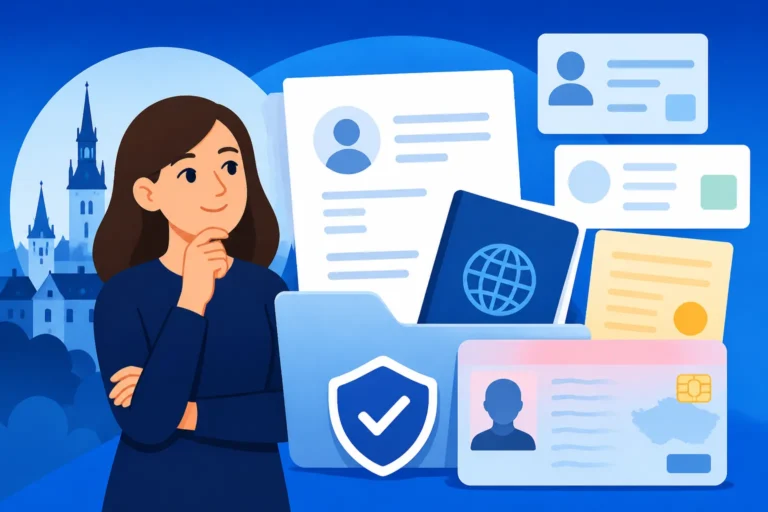
The documents required for your residence permit application are numerous and varied, depending on your specific situation (work, study, family, etc.). However, all these documents collectively serve to verify your identity and eligibility, which in turn facilitates the issuance of your isikukood. You'll almost certainly need:
- Your valid passport: This is paramount for proving your identity and nationality.
- A filled-out application form: As mentioned, accuracy is key here.
- Proof of financial means: Whether it's an employment contract, scholarship, or bank statements, this shows you can support yourself in Estonia.
- Proof of accommodation: A rental agreement or a letter from your host is typically required. The address you provide here will be crucial for the Population Register.
- Health insurance: This is a big one. For non-EU citizens, you'll usually need valid private health insurance for the entire duration of your requested residence permit. Companies like Cigna Global offer comprehensive plans that meet the requirements, covering emergency medical treatment, hospital care, and even repatriation. It's not just a formality; it's a safety net.
These documents are not just for the permit itself; they build the official profile that the PPA uses to assign your isikukood and enter you into the Estonian Population Register. The address you provide on your application will be the one used to register your place of residence, which is an integral step after your permit is approved and your isikukood is issued. If you're coming with a lot of belongings, services like Sirelo can help you manage your international move while you focus on these essential administrative steps. Preparing all these documents carefully and having them ready at your PPA appointment will significantly streamline the entire process.
Here's a quick overview of how the isikukood is typically issued depending on your status:
| Scenario | Isikukood Issuance Process | Key Considerations |
|---|---|---|
| Non-EU Citizen (Residence Permit Applicant) | Issued automatically upon successful residence permit approval and entry into the Population Register. | Provided with your residence card. No separate application needed. |
| EU/EEA/Swiss Citizen (Right of Residence) | Issued when you register your place of residence at a local government office. | You apply for it after arrival. You don't get a residence permit, but you must register your right of residence. |
| E-Resident (Non-Resident) | Not issued. E-Residency does not grant an isikukood or residency rights. | E-residents get an e-Residency ID number, which is different from an isikukood. |
Beyond the Application: Receiving and Activating Your Isikukood
The waiting period after submitting your residence permit application can feel like an eternity. But once you get that glorious notification that your permit is approved, the final steps to receiving and activating your isikukood are fairly straightforward. It's the moment all that paperwork and anticipation finally pay off, and you can officially start building your life in Estonia.
Your Residence Card: The Physical Manifestation of Your Isikukood
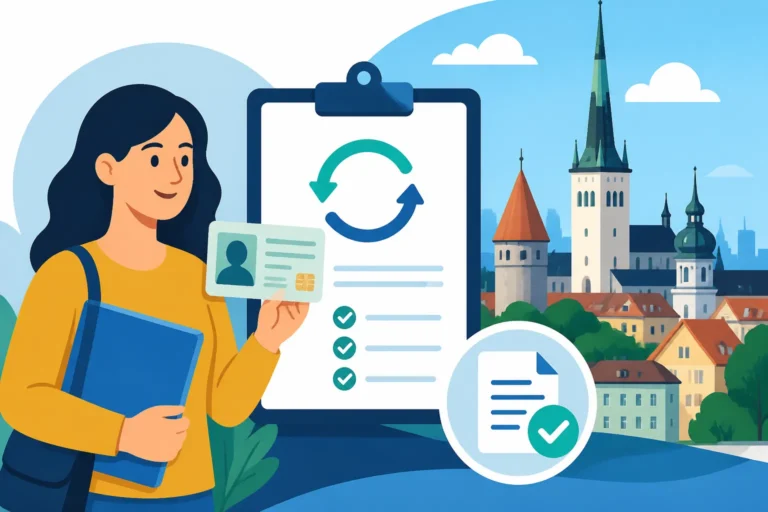
Once your residence permit application is approved, the PPA will inform you that your residence card is ready for collection. This is a crucial moment, because your isikukood is printed directly on your physical residence card. It's usually found on the back of the card, along with other personal details. This card is not just proof of your right to reside in Estonia; it also functions as your official identification document and provides the access credentials for Estonia's digital services when used with a card reader.
When you go to collect your card, make sure to bring your passport for identification. The PPA officer will hand you your new residence card, and often, an envelope containing your PIN codes for digital authentication. Guard these codes carefully, as they are essential for using your card to log into e-services and digitally sign documents. Take a moment to locate your isikukood on the card and commit it to memory, or at least know exactly where to find it. This eleven-digit number will become your best friend in Estonia! For a deeper dive, check out our guide on How to Get an Estonian Residence Card and Its Biometrics.
Immediate Practicalities: What to Do Once You Have Your Number
Receiving your residence card and isikukood isn't the finish line; it’s the starting gun for many essential next steps in your expat life. The very first thing you should do, if you haven't already, is ensure your place of residence is officially registered in the Population Register. While the address was submitted with your residence permit application, confirming its official registration is vital. You can do this at your local municipal government office. This is crucial for linking your isikukood to a physical address, which is required for many administrative tasks and even for receiving mail from official sources. Our detailed article on Registering Your Place of Residence in Estonia: The Complete Guide can help you with this.
Next, you'll want to leverage that isikukood to set up other vital aspects of your life. This includes finally opening a proper Estonian bank account, if you haven’t managed to do so with temporary ID or through a challenger bank. Having an account at a traditional bank like Swedbank, SEB, or LHV will make paying bills and managing your finances much simpler. Take a look at The Expat Guide to Opening a Bank Account in Estonia for more advice. You’ll also need your isikukood to fully set up your utilities – electricity, internet, water, and heating – at your home. This is where your new digital identity truly comes into its own, simplifying what can be a cumbersome process in other countries. For assistance with utilities, refer to The Expat Guide to Setting Up Utilities in Estonia. And of course, with your isikukood, you are now fully integrated into the Estonian healthcare system, allowing you to register with a family doctor and access services through the Tervisekassa. To understand your options better, be sure to read The Complete Guide to Healthcare in Estonia for Expats (2026) and Health Insurance in Estonia: Mandatory, Private and Travel Options Explained. Moving your belongings can be a huge task; if you used services like Sirelo to help you relocate, now you can truly feel settled in your new Estonian home.
Disclaimer
The information provided in this guide is intended for general informational purposes only and does not constitute legal, financial, or immigration advice. While we strive to keep the content up-to-date and accurate, regulations and procedures in Estonia can change. Always consult with official government sources, legal professionals, or immigration specialists for advice tailored to your specific situation.