How Do I Add My Spouse to My Estonian Health Insurance?
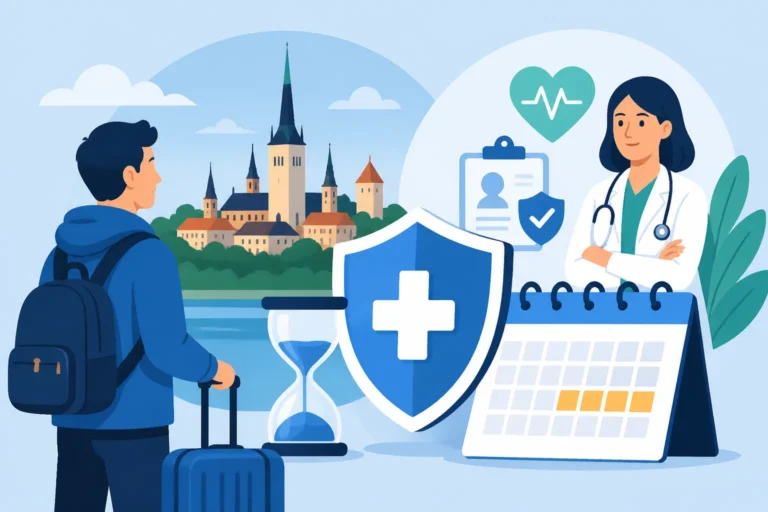
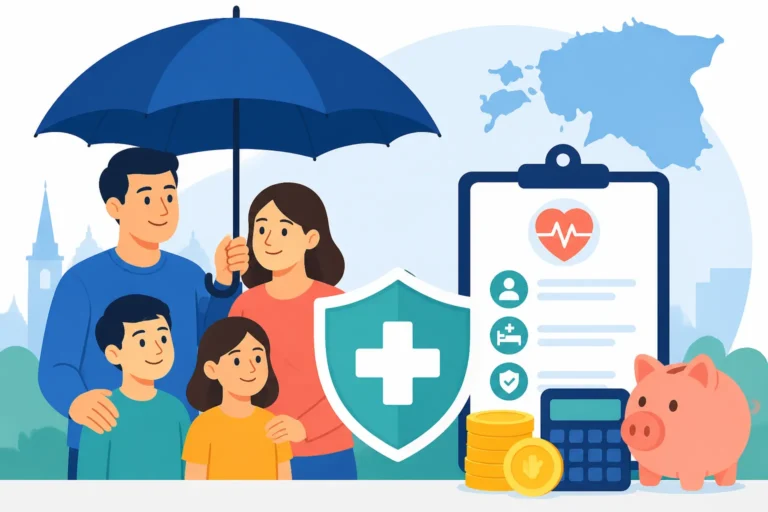
Moving to Estonia as a family often means one partner hits the ground running with a tech job while the other handles the household transition, but the stress of realizing your spouse isn't automatically covered by the state healthcare system can be overwhelming. This guide explains exactly how to bridge that gap, navigate the Tervisekassa bureaucracy, and ensure your loved one has full medical protection from day one.
Understanding the Concept of the Dependent Spouse in the Estonian System
When you first arrive in Tallinn or Tartu, the digital seamlessness of the country can be deceptive. You might assume that because you are paying social tax through your employer, your spouse is automatically tethered to your account. In reality, Estonia operates on an individual-based social insurance system. However, there is a specific provision for a "dependent spouse" (ülalpeetav abikaasa) that allows a non-working partner to receive state health insurance if certain conditions are met.
Who Qualifies Under the Tervisekassa Rules
To add your spouse to your insurance, the first thing to understand is that the state doesn't just look at the marriage certificate; they look at your status as the "insured person." In Estonia, the primary way to get insurance is through employment. If you are working and your employer is paying social tax, you are the anchor. Your spouse can be covered if they are not currently employed, not registered as a sole proprietor (FIE), and not receiving a pension from another country.
Crucially, the dependent spouse must be raising at least one child under the age of 8, or at least three children under the age of 16, or be within five years of reaching the Estonian retirement age. If your spouse does not meet these specific "rearing children" or "retirement age" criteria, they cannot simply be "added" to your state insurance for free. In those cases, many expats look at temporary solutions like SafetyWing to ensure there is a safety net while the spouse looks for work or settles in. Understanding How Estonia's Health Insurance Fund (Tervisekassa) Works: A Full Overview is essential before you begin the application, as the rules for "dependent" status are quite rigid compared to some other EU nations.
The Importance of Your Social Tax Contribution
The entire system is fueled by the social tax (sotsiaalmaks) that your employer deducts from your gross salary. For a spouse to be covered as a dependent, the working partner must be contributing enough to the system to "sponsor" the secondary coverage. In most standard employment contracts, this is handled automatically, but if you are working part-time or on a very low salary, you should double-check if your contributions meet the minimum threshold required by the Tervisekassa.
It is a common point of frustration for many expat families to find out that "partnership" or "cohabitation" doesn't carry the same weight as a legal marriage in the eyes of the Estonian Health Insurance Fund for this specific benefit. If you are not legally married, the state does not recognize the dependent status, and your partner will likely need to find their own path to coverage, perhaps by Registering with the Tervisekassa in Estonia: The Complete Expat Guide (2027) under a different category or seeking private alternatives.
The Administrative Path to Adding Your Spouse
If your spouse meets the criteria—for example, you have a 4-year-old child and your spouse is staying home to help them adjust to a new Estonian kindergarten—the process is digital, but it requires a few prerequisite steps that often trip up newcomers. You cannot add someone to a system they don't exist in yet.
Step 1: Getting the Isikukood and Residency Right
Before the Tervisekassa can even process a request, your spouse must have an Estonian personal identification code, known as the Isikukood. This is the "key" to everything in Estonia. You cannot skip this. Typically, this happens when you apply for your residence permit or register your right of residence as an EU citizen.
The spouse's place of residence must also be registered in the Estonian Population Register at the same address as the working spouse. If you are living in a rental and the landlord hasn't allowed you to register yet, this will block your health insurance application. We often tell people that knowing How to Get Your Isikukood (Personal Code) and Why It Matters for Healthcare is the most important "Level 1" task you have as an expat. Once the Isikukood is active and the address is registered, the Tervisekassa can "see" your spouse in the state systems.
Step 2: Submitting the Application to Tervisekassa
The application isn't something your employer does; it is something you or your spouse must initiate. You can do this via the state portal (eesti.ee) or by sending a digitally signed application to the Tervisekassa email address. The application must state that the spouse is a dependent and meet the criteria (e.g., raising a child under 8).
Wait times can vary. Usually, it takes about 5 to 10 working days for the status to update in the system. During this window, your spouse is technically uninsured. For those who are risk-averse, having a plan from SafetyWing during this administrative transition is a smart move. It covers the "what ifs" while you wait for the Estonian digital gears to turn. Once the application is approved, the insurance doesn't necessarily start retroactively from the day you moved; it starts from the date the entry is made in the health insurance database.
| Document/Requirement | Purpose | Where to Get It |
|---|---|---|
| Isikukood | Identity in all state databases | PPA or Local Government |
| Marriage Certificate | Proof of legal relationship | Home country (must be apostilled/translated) |
| Registered Address | Proof of living in Estonia | Population Register (eesti.ee) |
| Application Form | Formal request to Tervisekassa | Tervisekassa website or eesti.ee |
| Valid TRP/EU Residence | Legal right to be in Estonia | Police and Border Guard Board (PPA) |
Managing the Coverage Gap and Private Alternatives
One of the biggest shocks for expats is the "14-day rule" or the processing lag. Even if you do everything right, there is often a period where you are "in-between" systems. This is especially true if you are moving from a non-EU country where your previous insurance ended the moment you boarded the plane.
The Reality of the 14-Day Rule
In many employment scenarios, health insurance only kicks in 14 days after the start of the employment contract (as reported in the Employment Register). If you are adding a spouse, their coverage is linked to yours. If yours hasn't started yet, theirs certainly won't. This gap is a high-risk period. While emergency care is always available in Estonia, a simple visit to a specialist or a diagnostic test during this window could result in a significant out-of-pocket bill.
This is where supplemental coverage becomes a lifesaver. Using a provider like SafetyWing allows you to have a flexible, month-to-month plan that fills these administrative holes. It’s particularly useful for the spouse who might arrive a few weeks after the primary breadwinner and needs to wait for their own residence card to be printed and activated. For more on how these layers work together, read our guide on Health Insurance in Estonia: Mandatory, Private and Travel Options Explained.
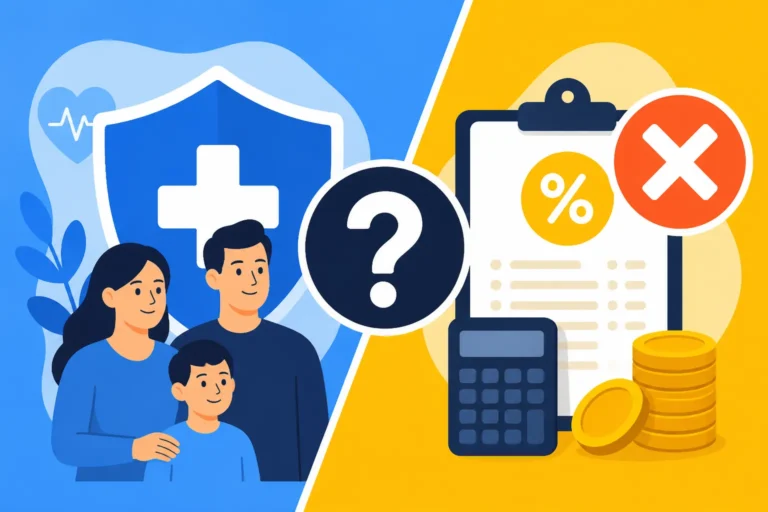
What Happens if Your Spouse Doesn't Qualify?
If your spouse is not raising young children and is not near retirement age, they generally cannot be added to your state insurance for free. They have two main options:
- Find Employment: Even a part-time job that pays the minimum social tax will grant them their own independent Tervisekassa coverage.
- Voluntary Insurance: You can actually "buy into" the Tervisekassa system. You pay a monthly premium (calculated based on the average salary in Estonia) directly to the Health Insurance Fund. It isn't cheap, but it grants full access to the public system.
- Private Insurance: Many expats prefer private clinics like Confido or Valve because the wait times are shorter. However, for long-term residency, having some form of state-level protection is usually required for permit renewals.
Practical Tips for Your Spouse's Healthcare Journey
Once the registration is complete and the status says "Kindlustatud" (Insured) on the eesti.ee portal, the work isn't quite over. You need to integrate your spouse into the actual medical infrastructure of the city you've chosen to call home.
Finding a Family Doctor (Perearst)
In Estonia, the Family Doctor (Perearst) is the gatekeeper. You cannot just call up a cardiologist or a neurologist and book an appointment under the state system without a referral (saatekiri). Your spouse needs to be on a specific doctor's list. Since many doctors' lists are full, especially in central Tallinn, this can be a challenge.
I always suggest that when the working spouse finds a doctor, they should immediately ask if there is room for their spouse and children as well. It makes logistics much easier if the whole family goes to the same clinic. Check out The Expat Guide to Finding a Family Doctor (Perearst) in Estonia for tips on how to write that first email to a clinic in Estonian or English to increase your chances of being accepted.
Navigating the Digilugu (Digital Health Record)
Estonia is famous for its e-health system. Once your spouse is added to the insurance, they can log into the Health Portal using their Smart-ID or ID-Card. Here, they can see their prescriptions, test results, and even book appointments through the central digital registration system.
If your spouse is home with children, they will likely need to use the system for Understanding Sick Leave (Haigusleht) and Sick Pay in Estonia if the kids get sick and they need a formal record for any reason, or simply to track vaccinations. Every expat should spend an hour Understanding the Digilugu (Digital Health Record) system in Estonia because it is vastly different from the paper-based systems most of us grew up with. It’s incredibly empowering once you realize you have access to your entire medical history at your fingertips, but the interface can be a bit daunting the first time you log in.
Managing Expectations and Language Barriers
While the system is efficient, the "Veteran Expat" advice is to always be prepared for a bit of a language struggle in the public system. While many doctors speak excellent English, the administrative staff at the front desk or the nurses might not. When How to Register Family Members for Health Insurance in Estonia is finally sorted, try to accompany your spouse to their first appointment to help navigate the check-in process, or have a translation app ready.
If you find that the public system wait times are too long—sometimes it can be months for a non-urgent specialist—remember that your state insurance still covers the basics, but you can always "top up" your care with private visits. Having SafetyWing as a backstop during your initial months also provides that extra layer of comfort, knowing that if you need to bypass the public system entirely for an urgent (but non-emergency) issue, you have options beyond just the Tervisekassa.
Disclaimer
This guide is for informational purposes only and does not constitute legal or professional medical advice. Healthcare regulations and immigration laws in Estonia are subject to change. Always verify the latest requirements with the Estonian Health Insurance Fund (Tervisekassa) or the Police and Border Guard Board (PPA) before making administrative decisions. The author is an expat blogger, not a government official.