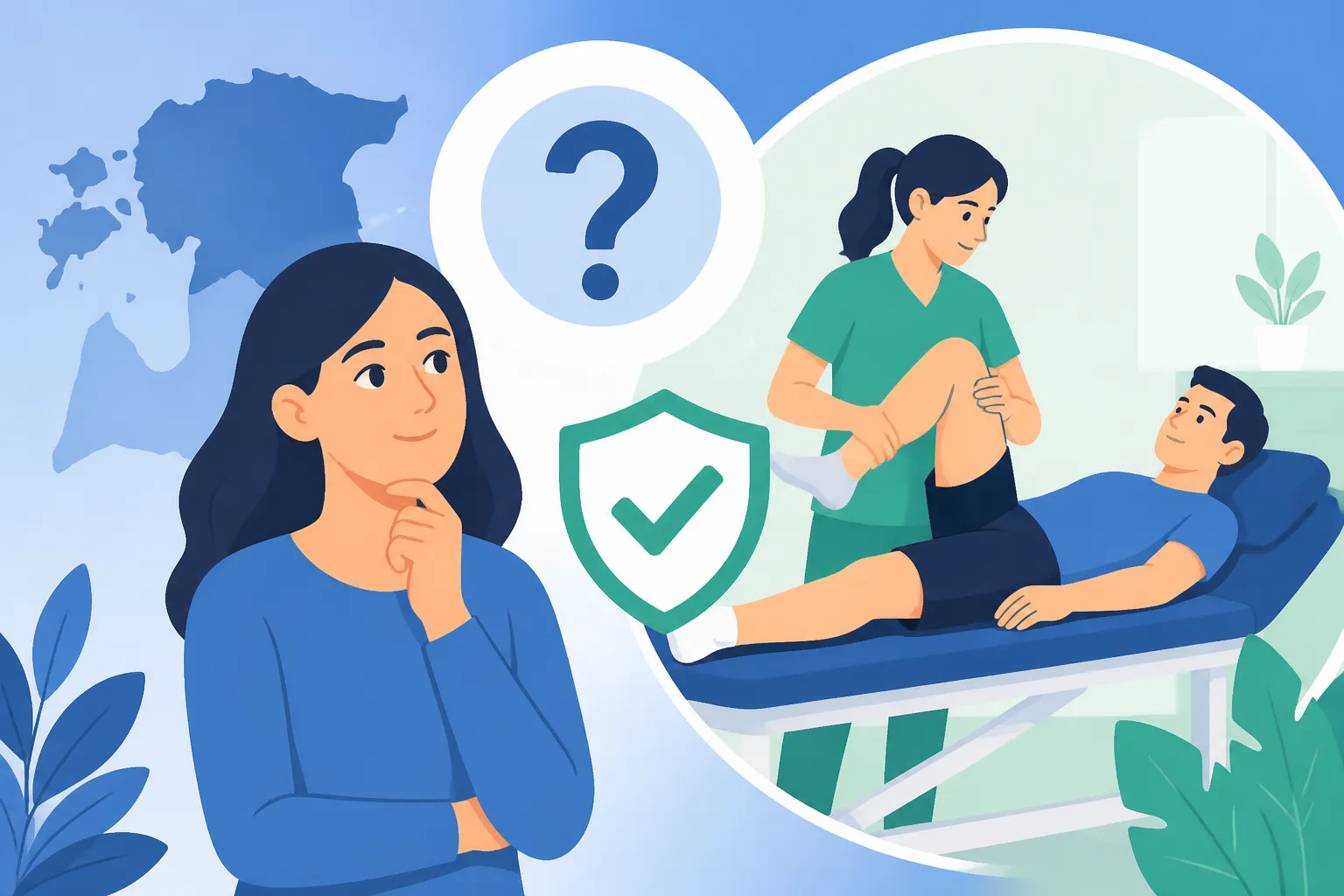
Can I Get Physiotherapy Covered by the Tervisekassa in Estonia?
If you have ever spent a long winter in Tallinn hunched over a laptop, only to feel a sharp, nagging twinge in your lower back, you know how quickly physical discomfort can overshadow the excitement of living abroad. Navigating the Estonian medical system while in pain is a daunting task for any expat. This guide clarifies exactly how to get physiotherapy covered by the Tervisekassa, ensuring you understand the referral process and the realistic timelines involved.
Understanding the Referral System for Physiotherapy in Estonia
The most important thing to realize about the Estonian healthcare system is that it is built on a "gatekeeper" model. Unlike some countries where you might be able to call up a specialist and book an appointment directly using your insurance, the Estonian Health Insurance Fund (Tervisekassa) requires a very specific paper trail. If you want the state to pick up the bill for your physical therapy, you cannot simply walk into a clinic and show your residence card. Everything begins and ends with a referral.
The Essential Role of the Family Doctor (Perearst)
Your primary point of contact for any non-emergency medical issue is your family doctor. For many newcomers, learning How to Choose and Register with a Family Doctor (Perearst) in Estonia is the first major administrative hurdle. When you experience joint pain, muscle strain, or a sports injury, your first step must be to book a consultation with your Perearst. During this visit, you need to be very clear about your symptoms and how they are impacting your daily life.
The doctor will perform an initial assessment to determine if physiotherapy is medically necessary. It is important to note that "medically necessary" is the key phrase here. If you simply want a massage for relaxation or general wellness, the Tervisekassa will not cover it. However, if you have a documented injury, chronic pain, or post-surgical recovery needs, the doctor will issue a digital referral. This is a critical step in The Expat Guide to Finding a Family Doctor (Perearst) in Estonia because without a proactive doctor who understands your needs, getting that referral can sometimes feel like pulling teeth.
Navigating the E-Referral (Saatekiri) Process
Once your doctor agrees that you need therapy, they will create an electronic referral, known as a saatekiri, in the central health system. You won't usually receive a physical piece of paper; instead, the referral is attached to your digital health profile. You can see these referrals yourself by logging into the national health portal. Understanding How to Access My Digilugu Health Record Online in Estonia is incredibly helpful here, as it allows you to verify that the referral actually exists before you start calling clinics.
This digital system is highly efficient, but it also means the referral has an expiration date and is often specific to a type of service. For example, a referral for "rehabilitation" is different from a simple "physiotherapy" referral. If your condition is complex, your Perearst might first refer you to a physical medicine and rehabilitation doctor (taastusarst), who then manages your long-term therapy plan. This layered approach ensures that the state’s resources are directed toward those with the highest clinical need, but for an expat in pain, it can feel like a lot of waiting.
Direct Access vs. Tervisekassa Funding
It is technically possible to see a physiotherapist without a referral, but this is considered "private" care. In this scenario, you are responsible for the full cost of the session. Many expats choose this route when the pain is acute and they cannot wait weeks for a public opening. Private sessions in cities like Tallinn or Tartu can range from 40 to 90 Euros depending on the clinic's prestige and the therapist's expertise.
If you are concerned about these out-of-pocket costs, this is where having a secondary plan like SafetyWing can be a lifesaver. While Tervisekassa is excellent for long-term chronic issues, private insurance often allows you to bypass the Perearst bottleneck for certain types of acute care. If you choose to go the public route, you must ensure the clinic you visit has an active contract with Tervisekassa for the specific year you are seeking treatment.
What the Tervisekassa Actually Covers (and What It Doesn't)
Just because you have a referral does not mean you have an unlimited budget for physical therapy. The Estonian Health Insurance Fund has very specific guidelines on what types of treatments are funded and for how long. Generally, the system focuses on functional recovery—getting you back to a state where you can work and perform daily tasks.
Standard Physiotherapy Sessions and Limitations
A typical referral through the Tervisekassa usually covers a "block" of sessions, often between five and ten visits. Each session generally lasts 30 to 60 minutes. During these visits, the therapist will focus on therapeutic exercises, manual techniques, and educating you on how to manage your condition at home. It is a collaborative process; the Estonian approach to healthcare places a high value on patient responsibility. You will likely be given "homework" exercises that you are expected to perform between sessions.
The coverage includes the therapist's time and the use of specialized equipment within the clinic. However, it does not usually cover "luxury" additions. For instance, if you want specialized kinesio-taping or certain types of high-end laser therapy, the clinic might ask you to pay a small supplemental fee. Understanding What Is Covered by Estonian Public Health Insurance more broadly can help you manage your expectations regarding these small surcharges.
Specialized Rehabilitation Programs
For more serious conditions, such as recovering from a stroke, major spinal surgery, or severe trauma, the Tervisekassa offers comprehensive rehabilitation programs. These are much more intensive than standard outpatient physiotherapy. They might involve a multidisciplinary team including physiotherapists, occupational therapists, psychologists, and even social workers.
These programs are often conducted at specialized centers like the Haapsalu Neurological Rehabilitation Centre or within the rehabilitation departments of large hospitals like Ida-Tallinna Keskhaigla. Because these programs are expensive and resource-intensive, the waiting lists can be significant. If you are in this position, it is vital to stay in close contact with your Perearst to ensure your application for intensive rehab is moving through the system.
Common Out-of-Pocket Expenses
While the core of the treatment is covered, there are almost always minor costs involved in the public system. When visiting a specialist or a hospital-based physiotherapist, you will typically pay a mandatory "visit fee" (visiiditasu), which is usually around 5 Euros. Additionally, if your therapy requires specific orthopedic aids, like braces or custom insoles, Tervisekassa may only cover a percentage of the cost, leaving you to pay the remainder.
| Expense Type | Tervisekassa Coverage | Expat Out-of-Pocket |
|---|---|---|
| Initial Consultation | 100% (after visit fee) | ~5 EUR Visit Fee |
| Standard Physio Sessions | 100% (with referral) | 0 EUR |
| Private Physio (No Referral) | 0% | 45 – 90 EUR |
| Orthopedic Braces/Aids | 50% – 90% (with limit) | Varies by item |
| Specialized Laser/Heat Therapy | Often not covered | 10 – 20 EUR per session |
As you can see, the public system is very affordable if you have the patience to navigate the bureaucracy. However, the costs of specialized equipment or choosing to skip the queue by going private can add up. This is why many foreigners maintain a policy with SafetyWing to cover those unexpected gaps, especially during their first year while they are still Registering with the Tervisekassa in Estonia: The Complete Expat Guide (2027).
How to Find and Book a Physiotherapist with Public Insurance
Once you have your digital referral sitting in the system, the next challenge is finding a clinic that has an open slot under the Tervisekassa budget. This is where many expats get frustrated, as the popular clinics in central Tallinn often have waiting lists that stretch several months into the future.
Using the Terviseportaal to Manage Appointments
The Terviseportaal (Health Portal) is your best friend when it comes to booking. By logging in with your Smart-ID or Mobile-ID, you can search for available appointments across many different healthcare providers simultaneously. The system allows you to filter by specialty and, crucially, by "Tervisekassa funded" slots.
If you see an opening, you can book it instantly. However, be aware that not all private clinics with state contracts list their openings on the central portal. Sometimes, you have to do it the old-fashioned way: looking up a list of contracted partners on the Tervisekassa website and calling each clinic individually to ask about their availability. This is a recurring theme in Navigating Estonia's Digital Healthcare System: An Expat's Roadmap (2027); the digital tools are powerful, but personal persistence is often still required.
Choosing a Hospital or Private Clinic with a Tervisekassa Contract
In Estonia, public healthcare isn't just delivered in grey, Soviet-era hospitals. Many modern, high-end private clinics actually have contracts with the state. This means you can receive treatment in a state-of-the-art facility with the latest equipment, and as long as they have "contractual volume" left for the month, the Tervisekassa will pay for it.
When searching, look for clinics that mention "Haigekassa" (the old name for Tervisekassa, still widely used) or "lepinguline partner" (contractual partner). Large hospitals like the North Estonia Medical Centre (PERH) in Tallinn or the University of Tartu Hospital have massive physiotherapy departments, but they are also the busiest. Sometimes, looking for a smaller clinic in a residential neighborhood like Mustamäe or Lasnamäe can result in shorter wait times. If you are wondering How to Find an English-Speaking Doctor in Estonia, you'll find that most younger physiotherapists speak excellent English, though the administrative staff at the front desk might still prefer Estonian or Russian.
Dealing with Waiting Lists and Timelines
The reality of the public system is the "Wait." For a non-urgent physiotherapy referral, the maximum wait time is technically regulated by the government, but in practice, it can still be 4 to 12 weeks. If your case is deemed urgent—for example, if you cannot walk or return to work—your Perearst can mark the referral as high priority, which should move you up the list.
If you are struggling with a long wait, don't be afraid to look outside your immediate city. Sometimes a clinic in a smaller town just 30 minutes away will have an opening next week, while the clinics in downtown Tallinn are booked solid for three months. It’s also worth calling clinics on Monday mornings to check for cancellations. Because the visit fee is so low, people sometimes forget to show up, and clinics are often eager to fill those empty slots.
When to Consider Private Physiotherapy or International Insurance
There comes a point for many expats where the bureaucratic dance is no longer worth it. If you are in significant pain and it is affecting your ability to sleep or work, waiting two months for a state-funded appointment is simply not an option.
The Benefits of Going Private for Faster Treatment
When you pay privately, the "gatekeeper" system disappears. You can usually get an appointment within 24 to 48 hours. Furthermore, private clinics often offer a wider range of modern treatments that the Tervisekassa doesn't yet fund, such as shockwave therapy or advanced dry needling. For an athlete or someone with a very active lifestyle, these specialized treatments can significantly speed up recovery.
If you are a freelancer or business owner, you should also look into Self-Employment in Estonia: The FIE and OÜ Guide for Foreigners to see how you can potentially deduct health-related expenses through your company. Many expats find that the time saved by going private is worth the financial cost, especially since it allows them to maintain their productivity.
How SafetyWing and Other Plans Supplement Public Care
International health insurance plans like SafetyWing are designed to bridge the gap between "standard" care and "expedited" care. While Tervisekassa is fantastic for your general health and long-term security, it isn't always built for speed or convenience. If you have an accident while hiking in Lahemaa National Park or trip on the cobblestones in the Old Town, a private insurance policy can allow you to seek immediate private care without worrying about whether you have the right referral from a Perearst.
Having SafetyWing as a backup is particularly useful for those who travel frequently or who aren't yet fully integrated into the Estonian social tax system. It provides a level of flexibility that the public system, by its very nature as a taxpayer-funded resource, cannot always offer. Many seasoned expats keep their Tervisekassa coverage for major surgeries and chronic management while using private options for specialist visits like physiotherapy to ensure they aren't stuck in a queue for half a year.
Comparing Costs: Public vs. Private Clinics
The cost-benefit analysis of physiotherapy in Estonia really depends on your current insurance status and your urgency. If you are employed by an Estonian company and paying social tax, you are already paying for the Tervisekassa, so it makes sense to use it for chronic, manageable issues. However, if you are a digital nomad or on a work visa, you need to be aware of How Estonia's Health Insurance Fund (Tervisekassa) Works: A Full Overview before you assume everything is free.
For many, the hybrid model works best:
- Use Tervisekassa for the initial assessment and long-term exercise planning.
- Pay for 2-3 private sessions at the beginning of an injury to get immediate relief and a diagnosis.
- Use a private policy like SafetyWing to claim back the costs of those private visits.
This approach ensures you get the best of both worlds—the high-quality, high-tech care available in the Estonian private sector and the long-term, stable support of the state system. Regardless of which path you choose, the key is to act quickly. In Estonia, the medical system rewards those who are proactive and understand how the digital pieces fit together.
Disclaimer
This guide is for informational purposes only and does not constitute medical or legal advice. Healthcare regulations and Tervisekassa policies in Estonia can change. Always consult with a qualified medical professional or the Estonian Health Insurance Fund for the most current information regarding your specific situation.