Do I Need to Speak Estonian to Get a Residence Permit?
One of the biggest worries I hear from newcomers considering a move to Estonia, right up there with deciphering the public transport system or figuring out their isikukood, is whether they absolutely must speak Estonian to get a residence permit. It’s a completely valid concern, especially since Estonian can feel like a formidable language. This guide aims to clear up this common anxiety, walking you through the actual language requirements for various residence permits and offering practical advice for navigating the system, regardless of your linguistic prowess.
The Short Answer: Often, No, But…
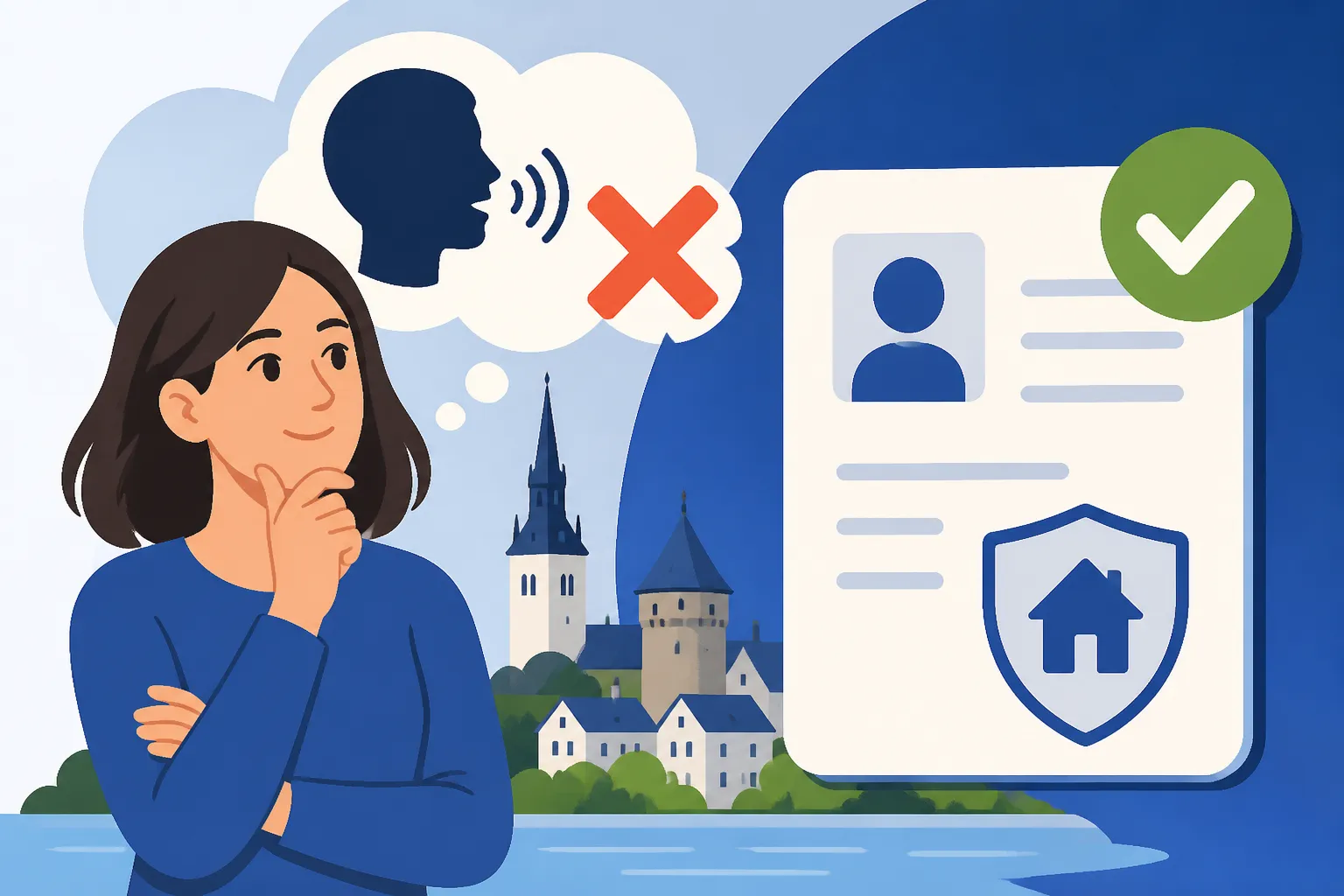
Let’s cut to the chase for the immediate concern: no, you generally do not need to speak Estonian to successfully apply for and receive an initial temporary residence permit in Estonia. This comes as a huge relief to many, and frankly, it makes the initial hurdles of moving here feel a little less daunting. The Estonian state understands that people relocate for various reasons – work, study, family – and acquiring a new language takes time. Their focus for initial permits is typically on your purpose for being here, your financial stability, and your adherence to immigration rules, not your ability to conjugate verbs in Estonian.
Initial Residence Permits: Generally No Language Requirement
When you’re first applying for a temporary residence permit – whether it’s for work, study, starting a business (like the startup visa), or even as a digital nomad – the Police and Border Guard Board (PPA) primarily evaluates other crucial criteria. For instance, if you're coming for work, they'll scrutinize your employment contract, your salary, and ensure your employer has met their obligations. If you’re a student, they’ll check your acceptance letter from an accredited institution. For family reunification, the focus is on your relationship with the Estonian resident and their ability to support you.
This means you won't be asked to sit a language test or prove any level of Estonian proficiency during the application process for these initial permits. The paperwork itself, including the application forms, is available in English, and PPA officials are generally equipped to communicate with applicants in English, especially at their larger service points in Tallinn or Tartu. So, you can breathe a sigh of relief on that front. The administrative hoops might feel endless, but a language barrier isn't one of them for the initial permit stage.
The Caveat: Indirect Language Benefits and Practicalities
While not mandatory, let’s be realistic: living in a foreign country without speaking the local language, even one as digitally advanced and English-friendly as Estonia, presents its own set of daily challenges. While the PPA might process your application in English, and many services in larger cities cater to English speakers, venturing outside that bubble can quickly become an exercise in charades. Imagine trying to explain a complex medical symptom to a doctor who isn't fluent in English, or navigating a small-town shop where no one understands your query.
Beyond administrative tasks, knowing even a little Estonian opens doors socially and culturally. It shows respect for your new home and its people. While Estonia is incredibly welcoming, especially to those who make an effort, relying solely on English can sometimes leave you feeling a bit isolated from the deeper fabric of society. So, while it’s not a hurdle for your permit, it's definitely a boost for your quality of life. Services like Sirelo can help with the initial moving logistics, but they won't teach you Estonian, which is where your own initiative comes in.
When Estonian Language Skills Do Become Relevant
Alright, so the immediate residence permit might not demand Estonian, but don't get too comfortable just yet. As you settle into your new life in Estonia and start thinking about long-term integration, the language requirement absolutely will come into play. This is where many expats hit a wall, realising that while temporary stay is flexible, permanent integration has its linguistic expectations. It’s a natural progression, really, as the country wants to ensure those who plan to stay long-term can truly participate in society.
Long-Term Residence EU Status
If your goal is to make Estonia your permanent home and eventually apply for a long-term resident (EU) status, then yes, you will need to demonstrate a certain level of Estonian language proficiency. Specifically, you'll need to prove at least an A2 level of Estonian. This is a significant step up from the initial permits, and it's something you should definitely plan for if you envision a future here. The A2 level isn't incredibly advanced, but it requires dedicated effort and consistent practice.
What does A2 practically mean? It means you can understand and use frequently used expressions and simple phrases related to immediate needs and familiar topics. You can introduce yourself, ask and answer basic questions about personal details, and engage in simple, direct exchanges. You’ll be able to manage simple transactions in shops, understand basic public announcements, and follow straightforward instructions. To prove this, you'll need to pass an official Estonian language proficiency exam, often administered by companies approved by the Ministry of Education and Research. Alongside the language exam, you'll also need to pass an exam on the Estonian Constitution and the Citizenship Act – another important step towards truly integrating. For detailed guidance on this, check out our guide on How to Apply for Long-Term Residence in Estonia.
Estonian Citizenship by Naturalisation
Now, if your ultimate dream is to become an Estonian citizen, the language requirements become even more stringent, and for good reason. Citizenship implies a deep connection and commitment to the country, its culture, and its future. For naturalisation, you'll typically need to demonstrate at least a B1 or even B2 level of Estonian language proficiency, depending on your circumstances and when you apply. This is a substantial jump from A2 and represents a much higher degree of fluency.
At the B1 level, you can understand the main points of clear standard input on familiar matters regularly encountered in work, school, leisure, etc. You can deal with most situations likely to arise whilst travelling in an area where the language is spoken. You can produce simple connected text on topics that are familiar or of personal interest. For B2, you can understand the main ideas of complex text on both concrete and abstract topics, including technical discussions in your field of specialisation. You can interact with a degree of fluency and spontaneity that makes regular interaction with native speakers quite possible without strain for either party. This will certainly require years of dedicated study and immersion. In addition to the language exam, the Constitution and Citizenship Act exam is also a mandatory part of the process. This isn't just about grammar; it’s about understanding the civic framework of the country. For a deep dive into this, our post on How to Apply for Estonian Citizenship by Naturalisation will be invaluable.
It's also worth noting that there are certain exemptions to the language requirement for citizenship, such as for individuals with severe disabilities. However, for the vast majority of applicants, demonstrating a strong command of Estonian is a non-negotiable step on the path to citizenship. This journey is long and demanding, but incredibly rewarding for those who commit to it.
Here’s a quick overview of how language requirements evolve with different statuses:
| Status | Estonian Language Requirement | Other Key Requirements | Duration of Stay Required |
|---|---|---|---|
| Temporary Residence Permit | None | Valid reason (work, study, family), sufficient funds, insurance | Varies (e.g., 1-5 years) |
| Long-Term Resident (EU) Status | A2 Level + Constitution Exam | 5 years continuous legal residence, stable income, health insurance | Indefinite |
| Estonian Citizenship | B1/B2 Level + Constitution Exam | 8 years continuous legal residence, stable income, oath of allegiance | Permanent |
Practical Considerations and Support for Language Learning
Moving to Estonia is an adventure, and like any grand adventure, it comes with its share of practicalities that need careful planning. Dealing with officialdom in a new country, especially when there's a language barrier, can feel like navigating a maze blindfolded. But trust me, you're not alone, and there are ways to make it smoother.
Navigating the Application Process Without Estonian
First off, let’s tackle the immediate concern: how do you manage the residence permit application if your Estonian is limited to "Tere" and "Aitäh"? The good news is that the PPA (Police and Border Guard Board) understands this and has made efforts to be accessible. Their website, filled with information on How to Apply for a Temporary Residence Permit in Estonia, has excellent English sections. Application forms are also available in English. When you book an appointment at a PPA service point, especially in Tallinn or Tartu, you can often request service in English. Be sure to specify this when booking your appointment, which you can do online. Our guide on How to Book an Appointment at the Police and Border Guard Board PPA provides step-by-step instructions.
The key here is preparation. Have all your documents meticulously organised, translated into English or Estonian by a sworn translator if necessary (check PPA requirements carefully), and clearly labelled. Bring a local friend or a professional translator if you’re particularly anxious about an interview or if you anticipate complex questions. While most PPA staff are incredibly helpful and often speak English, having an Estonian speaker by your side can alleviate a lot of stress and clarify any misunderstandings. It's also wise to check out our advice on How to Prepare Documents for an Estonian Residence Permit Application to ensure you have everything in order.
For complex relocation scenarios, especially if you're moving from a non-EU country and juggling multiple administrative tasks, companies like Sirelo can offer valuable insights and connections to local services that might assist with translations or administrative navigation. Their expertise in international moving can ease the burden of logistical challenges, leaving you more mental space to focus on important things like your permit application.
Learning Estonian: Resources and Realistic Expectations
So, you’ve secured your initial permit, and now you’re looking ahead. The thought of learning Estonian might feel overwhelming – and I get it, it’s a Finno-Ugric language, which means it’s quite different from most Indo-European languages. But it's absolutely achievable! Many expats have done it, and so can you. The journey to language proficiency is a marathon, not a sprint, and setting realistic expectations from the start will prevent burnout.
There are numerous resources available to help you on your language journey. The Integration Foundation (Integratsiooni Sihtasutus) offers free Estonian language courses at various levels, often subsidised by the government, which are incredibly popular and fill up fast. These courses are fantastic for structured learning and meeting other expats on the same journey. Beyond that, many private language schools in Tallinn and Tartu offer courses, or you can opt for online platforms like Speakly or Memrise, which can supplement your learning. Don't forget informal methods either: watching Estonian TV with subtitles, listening to Estonian radio, or simply trying to chat with locals at the market. Every little bit helps. Check out our comprehensive post on Learning Estonian: A Complete Guide to Language Courses and Levels for more options.
Embrace the learning process, even the mistakes. Estonians are generally very encouraging when they see foreigners attempting their language. Even a simple "Tänan" (thank you) or "Palun" (please) goes a long way. This commitment to integrating can also have a profound impact on your overall well-being. Lingering language barriers can exacerbate feelings of isolation and stress, impacting your mental and physical health. Having comprehensive health insurance from providers like Cigna Global can offer peace of mind, knowing you’re covered for medical needs regardless of language issues, but proactively learning Estonian will empower you to navigate daily life and healthcare more independently.
The effort you put into learning Estonian will pay dividends not just for future permit applications, but for your entire expat experience in Estonia. It will deepen your connections, enrich your cultural understanding, and truly make Estonia feel like home.
Disclaimer
Please note that immigration laws and requirements in Estonia are subject to change. While we strive to provide the most accurate and up-to-date information, it is always advisable to consult the official website of the Estonian Police and Border Guard Board (PPA) or seek advice from a qualified immigration lawyer for the latest regulations pertaining to your specific situation. This guide is for informational purposes only and does not constitute legal advice.