How Do I Get a Residence Permit Based on Family Reunification?
Finding your feet in Estonia is one thing, but settling in truly begins when you can share your new life with your loved ones. The thought of bringing your family to Estonia might feel overwhelming, a bureaucratic labyrinth of forms, interviews, and specific requirements that seem designed to test your patience. This guide aims to demystify the process of obtaining a residence permit based on family reunification, helping you navigate the Estonian Police and Border Guard Board (PPA) rules with greater clarity and less stress.
Understanding Family Reunification Eligibility in Estonia
When you're an expat in Estonia, the primary goal for many is to eventually bring their family over. But before you get too far down the road, it's crucial to understand who actually qualifies for a residence permit under family reunification and under what conditions. Estonia, like many countries, has specific definitions of "family" for immigration purposes, and it's not always as broad as we might hope. The key here is generally that you, the sponsor, must already hold a valid Estonian residence permit.
Who Can Be Sponsored for a Residence Permit?
Estonian law is quite clear about the immediate family members eligible for reunification. Primarily, this includes your spouse and your minor children. The definition of a "spouse" is important: it refers to a legally married partner, not merely a long-term partner or fiancé, unless you are an EU citizen exercising your right to free movement. For children, it generally means those under 18 years of age. If your children are over 18, their eligibility becomes much more restrictive, usually requiring them to be unable to cope independently due to health or other serious reasons, and critically, financially dependent on you.
Beyond spouses and minor children, bringing other family members, such as parents or adult children, is exceptionally difficult under the family reunification umbrella. The bar for this is incredibly high, typically requiring proof of severe dependence (e.g., severe disability requiring your care) and no other family members in their home country who could provide support. It's not enough to simply miss your mum; there has to be a compelling, demonstrable need for them to live with you in Estonia. This often comes as a shock to expats from cultures with broader family definitions, so setting realistic expectations from the outset is vital.
Sponsor Requirements: Who Can Bring Family?
Not everyone with a residence permit in Estonia can automatically sponsor their family. There are specific conditions that you, the sponsor, must meet. Generally, you need to hold a temporary residence permit in Estonia for at least two years and have a valid reason for residing here, such as work, study, or business. For example, if you've recently arrived on a short-term employment registration or a very new study permit, you might not yet meet the stability criteria required to bring family. This is about proving to the PPA that your stay in Estonia is stable and long-term, and that you have the means to support your family without relying on state benefits.
Furthermore, your residence permit must allow for family reunification. While most standard work or study residence permits do, it's always wise to double-check the specifics of your own permit. The process for EU citizens and their family members is slightly different, falling under the "right of residence" rather than a residence permit per se, though similar documentation proving family ties and financial stability will still be required. Understanding How to Apply for a Temporary Residence Permit in Estonia as the primary sponsor is the absolute first step.
The Application Process: Step-by-Step for Family Permits
Once you've established who can be sponsored and that you meet the criteria as a sponsor, it's time to dive into the actual application. This is where the Estonian bureaucratic precision truly shines, and preparedness is your best friend. There's no room for guesswork here; every document must be in order.
Gathering Your Documents
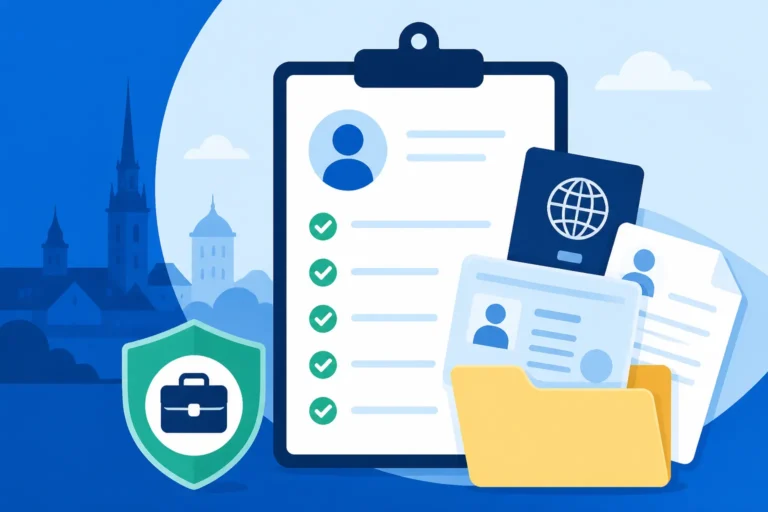
The sheer volume of required paperwork for a family reunification residence permit can be daunting. It’s not just about proving who your family members are, but also demonstrating your ability to support them in Estonia. You’ll need valid travel documents for everyone, passport photos meeting specific requirements, proof of your own valid residence permit, and comprehensive documentation proving your family relationship (marriage certificates, birth certificates, adoption papers). Remember, any documents not in Estonian, Russian, or English will need to be officially translated and often apostilled or legalised, which can add significant time and cost.
Crucially, you'll also need to prove you have sufficient legal income to support your family in Estonia. The PPA calculates this based on the number of family members you are sponsoring, and it’s a non-negotiable threshold. This isn't just about showing a payslip; it's about demonstrating consistent, reliable income over a period. Alongside income, you must provide proof of accommodation – a valid rental agreement in your name, or a property deed if you own your home, showing sufficient living space for everyone. Another critical item is health insurance. While successful applicants eventually gain access to the public health insurance fund (Tervisekassa) through social tax payments, it's often a requirement to have private health insurance for the initial waiting period or if your employment doesn't immediately qualify you. Companies like Cigna Global offer comprehensive expat health insurance plans that are often accepted by immigration authorities during this phase.
Submitting the Application to the PPA
Applications for family reunification residence permits are submitted to the Police and Border Guard Board (PPA). Depending on where your family members are currently located, they might apply at an Estonian embassy or consulate in their home country, or in Estonia if they are already here on a valid long-stay (Type D) visa or have another legal basis for their presence. It is highly recommended to book an appointment with the PPA well in advance, as slots can be scarce, especially in Tallinn. The application form itself needs to be filled out meticulously, and it’s often best to complete it digitally via the e-MTA portal after obtaining an Isikukood.
Once all documents are prepared and the application form is filled, your family member will typically need to attend an in-person appointment for fingerprinting and to submit their biometric data. This is where the PPA officers will review all the original documents. Be prepared for potential questions, and ensure all information is consistent and truthful. Processing times can vary significantly, so patience is key. It’s not uncommon for it to take several weeks or even months for a decision to be made, and during this time, it's generally not advisable for the family member to travel extensively outside Estonia or the Schengen area.
Key Requirements and Common Hurdles
Even with all your documents in order, the family reunification process has specific requirements that often catch expats off guard. These hurdles aren't just minor inconveniences; they can genuinely stall or even derail an application if not addressed properly.
Demonstrating Sufficient Financial Means
Estonia is particular about ensuring that new residents and their families will not become a burden on the state. For family reunification, this means proving you have a stable and sufficient legal income to support everyone. The exact amount is specified by the Estonian government and is usually tied to a multiple of the average Estonian salary or a set standard. This income cannot solely come from social benefits. You'll need to show bank statements, employment contracts, and tax declarations (from the Estonian Tax and Customs Board) that clearly illustrate your financial capacity. If your income fluctuates, or if it's new, the PPA might ask for additional proof of stability.
A common pitfall here is underestimating the required income, especially if you have multiple family members joining. It's not enough to scrape by; the PPA wants to see a comfortable buffer. You might need to provide proof of savings, but generally, consistent income is preferred. Remember that this financial threshold is periodically updated, so always check the latest requirements directly on the PPA website or by contacting them directly. Don't rely on outdated information from forums or old blogs, as the numbers can change year to year. For a broader perspective on financial planning, consulting a guide on The Complete Guide to Cost of Living in Estonia for Expats (2026) can help you gauge if your income aligns with overall expenses here.
Adequate Accommodation and Health Insurance
Another critical requirement is proving you have adequate accommodation for your family. This means demonstrating that your current living situation is large enough for everyone who will be living there. For example, a single-room studio might be fine for one person, but it won't be considered adequate for a family of three. You'll need to provide a copy of your rental agreement (üürileping) or property ownership documents. The agreement should clearly state the number of rooms and square meters, and importantly, it needs to allow for additional residents. Some rental agreements have clauses against additional occupants, so make sure yours is flexible, or be prepared to find new housing.
As mentioned earlier, health insurance is also non-negotiable. While the Tervisekassa provides excellent public healthcare once you're fully registered, there's often a period where new residents aren't yet covered, or if your status doesn't automatically grant public insurance. During this time, private health insurance is mandatory for the residence permit application. This is where a provider like Cigna Global becomes essential, as their plans are designed for expats and meet the stringent requirements of immigration authorities. Understanding Health Insurance in Estonia: Mandatory, Private and Travel Options Explained is crucial, and you might also want to compare Public vs Private Healthcare in Estonia: Which Should Expats Choose? to make an informed decision about your family's coverage.
Background Checks and Interview Process
Expect that the PPA will conduct thorough background checks on all adult applicants. This includes criminal record checks from their home country and any other countries where they have lived for an extended period. Any serious criminal history could lead to a rejection of the application. It's vital to be entirely honest and transparent about any past issues, as concealment will undoubtedly be discovered and result in an immediate refusal.
In some cases, especially if there are any ambiguities in the application or relationship proof, applicants might be called for an interview. This is a chance for the PPA to clarify details and assess the authenticity of the relationship. For spouses, they might ask questions about how you met, your daily life, and future plans. For children, it might be more about their intentions for schooling in Estonia. Prepare for these interviews by ensuring you have a consistent story and can answer questions openly and honestly.
Life After Approval: What to Expect Next
Congratulations, the permits are approved! This is a huge milestone, but it's not quite the end of the journey. There are still crucial steps to take to ensure your family is fully integrated into Estonian society.
Registering Your Residence and Getting an Isikukood
The very first thing your family members must do upon arrival (or shortly after permit approval if already in Estonia) is to Registering Your Place of Residence in Estonia: The Complete Guide in the Population Register. This is a legal requirement and absolutely essential for accessing many public services, like healthcare, education, and even simply proving your address. Without this, your family won't have an official tie to a specific municipality, which can cause issues down the line. Each family member will also receive their own Isikukood (personal identification code), if they don't have one already, which is the cornerstone of administrative life in Estonia. You can find more details on How to Apply for an Isikukood as Part of Your Residence Process.
This registration process typically happens at your local municipality's population register office. Bring your new residence permits, passports, and proof of your address (rental contract or property deed). It's usually a straightforward process if all documents are in order. This step is also fundamental for ensuring their health insurance through Tervisekassa kicks in if they are employed or dependent on an employed family member.
Integrating into Estonian Society and Future Renewals
Once all the paperwork is done, the real integration begins. Your children will need to be enrolled in school or kindergarten, which can involve finding a place in a local public school or considering an international school if English is preferred. Accessing Understanding eesti.ee and Digital Government Services in Estonia will become a daily part of life for managing everything from doctor's appointments to tax matters. Getting comfortable with the local public transport system, perhaps even using free public transport in Tallinn, will also be important for daily life.
Remember that residence permits are generally temporary and will need to be renewed. This means keeping all your documents in order, maintaining your stable income and accommodation, and adhering to Estonian laws. Typically, you'll need to apply for an extension well before the current permit expires. For a comprehensive understanding of this, it's worth reviewing How to Extend Your Temporary Residence Permit in Estonia. When it comes to the practical aspects of moving your family and their belongings, especially if they're coming from abroad, services like Sirelo can be incredibly helpful for comparing moving companies and getting quotes for international relocation, easing the logistical burden once the permits are secured.
| Family Member Type | Primary Requirements | Key Considerations |
|---|---|---|
| Spouse | Marriage certificate (legalised/apostilled) | Must be legally married; proof of authentic relationship. |
| Minor Child | Birth certificate (legalised/apostilled) | Under 18 years old; parental consent from non-applying parent. |
| Adult Child | Proof of severe disability/incapacity, financial dependence | Extremely strict; proof of no other family support in home country. |
| Parent | Proof of severe disability/incapacity, financial dependence | Exceptionally strict; proof of no other family support in home country. |
| Sponsor | Valid Estonian Residence Permit (2+ years), stable income, accommodation, health insurance | Income threshold varies by family size; accommodation must be adequate for all. |
Disclaimer
The information provided in this guide is for general informational purposes only and does not constitute legal advice. Immigration laws and regulations in Estonia are subject to change, and individual circumstances can significantly affect the application process. It is highly recommended to consult directly with the Estonian Police and Border Guard Board (PPA) or a qualified immigration lawyer in Estonia for advice specific to your situation before making any decisions or taking any action. While every effort has been made to ensure accuracy, the author and publisher disclaim any liability for errors or omissions.