How Do I Get a Residence Permit for My Non-EU Spouse?
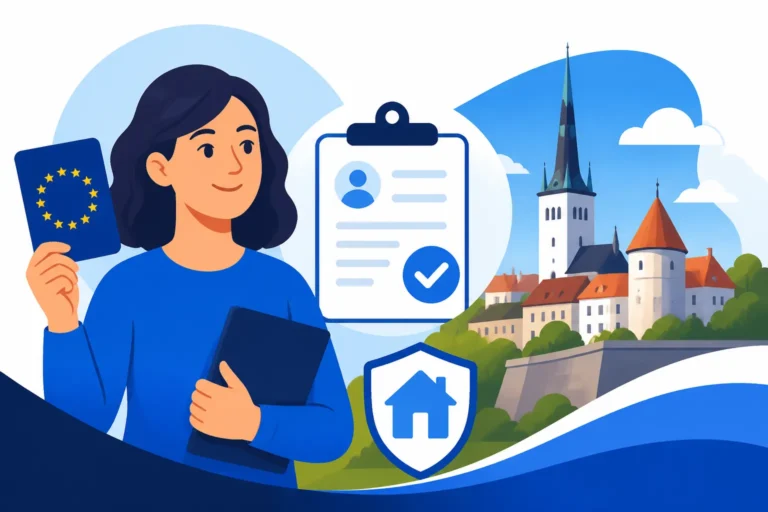
So, you’ve made the leap, settled into the Estonian rhythm, and now your heart aches for your beloved spouse to join you. Believe me, I know that feeling of wanting to build a life together, only to be confronted by a labyrinth of paperwork and regulations. Getting a residence permit for your non-EU spouse in Estonia isn't always straightforward, and it certainly comes with its share of hurdles, but it is absolutely achievable. This guide will walk you through the nitty-gritty of the family reunification process, sharing insights, tips, and a healthy dose of realism to help you navigate this journey with your partner.
Understanding the Basics: Who Qualifies for Family Reunification in Estonia?
Before you even start dreaming of cozy evenings in Tallinn or Tartu with your spouse, it's crucial to understand the fundamental criteria that both you (as the anchor, or "sponsor") and your spouse must meet. Estonian immigration law, like many others, is quite specific about who qualifies for family reunification. It’s not just a matter of being married; there are layers of conditions related to your own status, your financial stability, and the legal definition of your relationship.
The Core Applicant's Status and Requirements
First things first: your own status in Estonia is the bedrock upon which your spouse's application will be built. You, as the main applicant inviting your spouse, must hold a valid Estonian residence permit. This isn't for tourists or short-term visitors. Typically, this means you have a temporary residence permit for work, study, or business, or you might even be an EU citizen who has registered your right of residence.
If you're on a temporary residence permit, its validity period directly impacts how long your spouse can be granted a permit for. Generally, your spouse's permit cannot exceed yours. The Estonian Police and Border Guard Board (PPA) needs to see that you are genuinely residing in Estonia long-term and contributing to society. They want to ensure that family reunification isn't a backdoor entry for individuals who don't meet the primary immigration criteria. You need to be able to demonstrate that your primary ties are now in Estonia. For more comprehensive details on your own permit, check out our guide on The Complete Guide to Estonian Residence Permits for Expats (2027).
Defining 'Family Member' in the Eyes of Estonian Law
While "spouse" seems straightforward, Estonian law has a precise definition. It applies to legally married partners, including same-sex marriages performed abroad if they are recognized in your home country and meet Estonian legal principles. Common-law partnerships, unfortunately, don't typically qualify for this specific type of family reunification permit under current regulations, which can be a real sticking point for many.
The purpose of family reunification is to allow families to live together. This extends beyond just spouses to include minor children, and in specific, very limited circumstances, other dependent family members. For spouses, the key is the legal marital bond. You’ll need to provide an original marriage certificate, and if it's not in Estonian, English, or Russian, it will require an official translation, often apostilled or legalised. This can be a time-consuming step, so it’s best to get on it early. Understanding the nuances of Understanding Family Reunification Requirements in Estonia can save you a lot of headache.
Crucial Financial Thresholds and Proof of Income
Ah, money. The eternal gatekeeper. Estonia requires you, as the sponsor, to demonstrate sufficient legal income to support both yourself and your spouse (and any other family members) without relying on state benefits. This isn't just a suggestion; it's a strict requirement. The PPA wants to be sure that your family won't become a burden on the Estonian social system.
The exact income threshold changes periodically, so it’s vital to check the latest figures on the PPA website or consult with an immigration specialist. As of my last check, for a family of two (you and your spouse), the required income is generally calculated as 1.5 times the official subsistence level for the first family member and then multiplied by a certain factor for each subsequent family member. This means you’ll need to prove a steady, legitimate income from employment, self-employment, or other legal sources within Estonia. Your bank statements, employment contract, salary slips, and tax returns (via the e-MTA portal) will all be scrutinised. Don’t just rely on savings; they want to see a continuous flow of income. You can find more specific information on How Much Income Is Required for an Estonian Residence Permit? to ensure you meet the financial criteria.
It’s not uncommon for expats to face frustrations here. Your salary might feel perfectly adequate for your lifestyle, but the official calculations can sometimes feel disconnected from reality. Be prepared to gather extensive proof, and don't underestimate the PPA's thoroughness.
The Application Process: Step-by-Step for Your Non-EU Spouse
Once you’ve confirmed you meet the basic criteria, it’s time to roll up your sleeves and dive into the application process itself. This phase involves a significant amount of document collection, form-filling, and potentially, travel for your spouse. It’s a marathon, not a sprint, so patience and meticulousness are your best friends here.
Gathering Essential Documents (The Paperwork Gauntlet)
This is often where the real challenge begins. The PPA requires a comprehensive set of documents, not just from your spouse but also from you as the sponsor. Think of it as building a robust legal case for why your spouse should join you.
Here’s a general list of what you’ll likely need:
- Application Form: Your spouse will need to fill out the residence permit application form. Ensure every field is completed accurately.
- Passport: A valid passport for your spouse, with at least six months' validity beyond the intended permit expiry.
- Photograph: A recent, high-quality passport-style photo meeting Estonian specifications.
- Marriage Certificate: The original, apostilled or legalised, and officially translated (if necessary) marriage certificate.
- Proof of Your Residence Permit: A copy of your valid Estonian residence permit and residence card.
- Proof of Funds/Income: This is for you, the sponsor. We're talking employment contracts, recent pay slips (at least 6 months), bank statements, tax declarations, and any other evidence of stable income that meets the required threshold.
- Proof of Accommodation: Evidence that you have adequate housing for both of you in Estonia. This could be your rental agreement (üürileping) or property ownership documents. For details on what qualifies, refer to How Do I Prove Accommodation for an Estonian Residence Permit?.
- Health Insurance: Your spouse will need valid health insurance coverage for Estonia. This is non-negotiable. It must cover the entire period of their requested permit and include a minimum sum insured for medical expenses. Many expats opt for international providers like Cigna Global for comprehensive coverage that satisfies these requirements.
- State Fee Payment: There is a processing fee for the application. Keep the receipt!
- Other Documents: Depending on your specific situation, the PPA might request additional documents, such as previous divorce decrees (if applicable), birth certificates, or even proof of relationship (photos, communication records).
Each document must be exactly as specified by the PPA. A single missing or incorrectly prepared document can lead to significant delays or even rejection. This is where attention to detail pays off. Consider preparing all your documents by referring to How to Prepare Documents for an Estonian Residence Permit Application for a smoother experience.
Where and How to Submit the Application
The application typically needs to be submitted in person by your spouse. For non-EU citizens, this usually means applying at an Estonian embassy or consulate in their country of residence before travelling to Estonia. It is generally not possible to apply for the first temporary residence permit from within Estonia if your spouse is on a tourist visa or visa-free entry, as their stay might not be legal during the processing period.
However, there can be exceptions, particularly for spouses of EU citizens who have registered their right of residence in Estonia, or in cases where the primary applicant holds a very specific type of long-term permit. Always double-check the latest guidelines on the PPA website for the most accurate information.
If your spouse applies from an embassy abroad, they will need to schedule an appointment, submit all the paperwork, and often undergo a short interview. They will also provide their biometric data (fingerprints and photo) at this stage.
The Interview and Biometrics: What to Expect
During the application process, your spouse will almost certainly be required to attend an interview, either at an Estonian embassy abroad or, if eligible to apply in Estonia, at a PPA service point. This interview is a critical part of the process. The purpose is to verify the authenticity of the relationship and the information provided in the application.
They might ask about:
- How and when you met.
- Details of your relationship timeline.
- Your living arrangements in Estonia.
- Your financial situation and ability to support them.
- Your future plans together in Estonia.
- Details about their background, education, and intentions.
It's natural to be nervous, but the key is to be truthful, consistent, and calm. Both you and your spouse should be able to provide consistent answers about your relationship. Don't try to memorise answers, just speak from the heart about your shared life. The biometrics—fingerprints and a digital photograph—are standard procedure for all residence permits and will be used for their residence card. Booking an appointment at the PPA can be tricky; our guide How to Book an Appointment at the Police and Border Guard Board (PPA) offers practical tips.
After Application: Waiting, Decisions, and Next Steps
Once the application is submitted, you enter the dreaded "waiting game." This period can feel interminable, filled with anxiety and uncertainty. But it’s important to understand the typical timelines and what to do once a decision is made.
Processing Times and How to Check Status
The processing time for a family reunification residence permit can vary significantly. It can range from a couple of months to several months, depending on the volume of applications, the complexity of your case, and whether additional information is requested. Estonian bureaucracy, while digital in many aspects, still moves at its own pace for these types of decisions.
You can usually check the status of your application online via the PPA’s e-service portal using the application number. However, these updates might not always be in real-time or provide detailed reasons for delays. It’s more often a case of patience, as frustrating as that sounds. Resist the urge to call every day; it generally won't speed things up.
What to Do If Approved (and What if Not)
If Approved:
Congratulations! This is the moment you've been waiting for. Your spouse will be informed, and they can then arrange to collect their residence card. If they applied from an embassy abroad, they’ll collect it there, and then they can travel to Estonia. If they applied in Estonia (in rare cases where permitted), they will collect it at a PPA service point.
Once they arrive in Estonia with their residence card, the very first crucial step is to register their place of residence in the Estonian Population Register. This is mandatory by law and establishes their official address in Estonia. It also activates various rights and access to services. Learn more about this vital step here: How to Register Your Place of Residence (Elukoht) in the Population Register. This also often triggers the process of obtaining their How to Get Your Isikukood (Personal Code) and Why It Matters for Healthcare, which is essential for almost everything here.
If Not Approved:
A rejection can be heartbreaking, but it's not always the end of the road. The PPA will provide a reason for the refusal. It might be due to missing documents, insufficient income, doubts about the relationship's authenticity, or other factors. You have the right to appeal the decision within a specific timeframe, usually 30 days.
If you decide to appeal, carefully review the reasons for refusal and gather any additional evidence or clarification needed to address those points. Sometimes, it’s a simple misunderstanding or a document that wasn’t clearly presented. Consulting with an immigration lawyer at this stage can be incredibly valuable to understand your options and strengthen your appeal.
Initial Arrival, Registration, and Integration
Once your spouse has their permit and arrives, the journey isn't over. They need to integrate into Estonian life. This means getting their isikukood (personal code), registering their address, and potentially enrolling in Estonian language courses.
Here’s a brief checklist for their first few weeks:
- Residence Registration: As mentioned, register their address with the local municipality.
- Isikukood: Ensure they have their personal code. It’s vital for everything from opening a bank account to accessing healthcare.
- Bank Account: Help them open an Estonian bank account. Luminor, LHV, and Swedbank are popular choices, but the process can be slow for new arrivals without an established history.
- Mobile Phone/Internet: Get them an Estonian SIM card.
- Health Insurance Registration: If your permit means they are covered by your social tax contributions, ensure they are registered with the Tervisekassa (Estonian Health Insurance Fund). If not, maintain their private health insurance, like from Cigna Global.
- Language Learning: Encourage them to start learning Estonian. While many Estonians speak excellent English, knowing the local language significantly aids integration.
- Community: Help them find expat groups, hobbies, or activities to build a social circle. Moving can be incredibly isolating, and having a support network is crucial. For moving logistics, especially if you're bringing household goods, a service like Sirelo can help compare moving companies.
Common Pitfalls and Pro Tips for Expats
Even with the best intentions, the process of getting a residence permit for your non-EU spouse in Estonia can be fraught with unexpected challenges. Knowing these common pitfalls and arming yourself with some insider tips can make a significant difference in your journey.
The Language Barrier and Official Communication
Estonia is a highly digital society, which is fantastic for many things, but official communication from the PPA or other government bodies will primarily be in Estonian. While some offices might have English-speaking staff, relying on it for critical information can be risky. If your Estonian isn't up to par, ensure you have a trusted friend, colleague, or professional translator who can assist you in understanding correspondence, checking the PPA website, and potentially accompanying you to appointments. Misinterpreting a request for additional documents or a deadline can have severe consequences.
When submitting documents that aren't in Estonian, English, or Russian, remember the importance of certified translations and apostilles. Don't cut corners here; unofficial translations will almost certainly be rejected, causing frustrating delays.
Maintaining Your Spouse's Status Long-Term
Getting the first residence permit is a huge win, but it's not a one-and-done deal. Your spouse's permit will be temporary, usually linked to your own permit's validity. This means you will need to think about renewal well in advance. Generally, you should start the renewal process at least 2-3 months before the current permit expires.
For permit renewals, the PPA will again assess whether the conditions for family reunification still exist. This includes:
- Continued Financial Sufficiency: You must still meet the income requirements.
- Continued Residence: You and your spouse must both genuinely reside in Estonia.
- Valid Relationship: The marital relationship must still be valid and subsisting.
- No Criminal Record: Neither you nor your spouse should have committed any serious crimes.
Failure to renew on time can lead to your spouse becoming an illegal resident, which carries serious penalties. Keep an eye on the expiry dates, and be proactive. Our guide How to Renew Your Estonian Residence Permit provides a detailed walkthrough.
Dealing with Bureaucracy and Delays
Let's be frank: bureaucracy anywhere in the world can be frustrating, and Estonia is no exception, especially for non-EU immigration matters. Documents can go missing, processing times can extend without clear reasons, and sometimes you might receive conflicting information from different officials.
My best advice for dealing with this is:
- Document Everything: Keep copies of everything you submit, every email, every receipt, every communication.
- Be Patient, but Persistent: Follow up when appropriate, but understand that daily calls won't help. If you haven't heard anything after the stated processing time, a polite email or call to the PPA (ideally with an Estonian speaker) is reasonable.
- Stay Informed: Regularly check the PPA website for updates to laws or procedures. Things can change.
- Seek Professional Help: If your case is complex, or you hit a major roadblock, don't hesitate to consult an Estonian immigration lawyer. Their expertise can be invaluable in navigating tricky situations.
- Be Prepared for the Unexpected: Have a contingency plan. What if there's a delay? What if a document is rejected? Having a Plan B reduces stress.
Ultimately, bringing your non-EU spouse to Estonia requires dedication, thoroughness, and a lot of patience. But the joy of building your life together in this beautiful country makes every bureaucratic hurdle worth it.
| Document Type | Required for Sponsor (You) | Required for Spouse | Notes |
|---|---|---|---|
| Identity/Travel | Copy of valid residence permit and residence card | Valid passport (min. 6 months beyond permit validity) | Ensure clear copies, and bring originals to PPA appointments. |
| Passport-size photograph (recent, specific dimensions) | Must meet Estonian photo requirements. | ||
| Relationship Proof | Original marriage certificate | Must be apostilled/legalised and officially translated if not in EE, EN, RU. | |
| Financial Proof | Employment contract, salary slips (last 6-12 months), bank statements, tax declarations, proof of sufficient income | N/A | Demonstrates ability to support family; check current PPA thresholds carefully. |
| Accommodation | Rental agreement (üürileping), property ownership documents | N/A | Must show adequate living space for all family members. |
| Health Insurance | N/A (unless primary applicant needs private cover) | Proof of valid health insurance for Estonia | Must cover the entire permit period and meet minimum coverage amounts (e.g., Cigna Global). |
| Application & Fees | N/A | Completed residence permit application form | Fill out meticulously. |
| Proof of state fee payment (receipt) | Proof of state fee payment (receipt) | Keep all payment receipts. | |
| Other | Any previous divorce decrees (if applicable) | Provide originals with certified translations if needed. |
Disclaimer
The information provided in this guide is for general informational purposes only and does not constitute legal advice. Immigration laws and regulations in Estonia are subject to change, and individual circumstances may vary. It is always recommended to consult the official website of the Estonian Police and Border Guard Board (PPA) or seek advice from a qualified immigration lawyer or consultant for the most accurate and up-to-date information pertaining to your specific situation. We cannot be held responsible for any inaccuracies or outdated information.