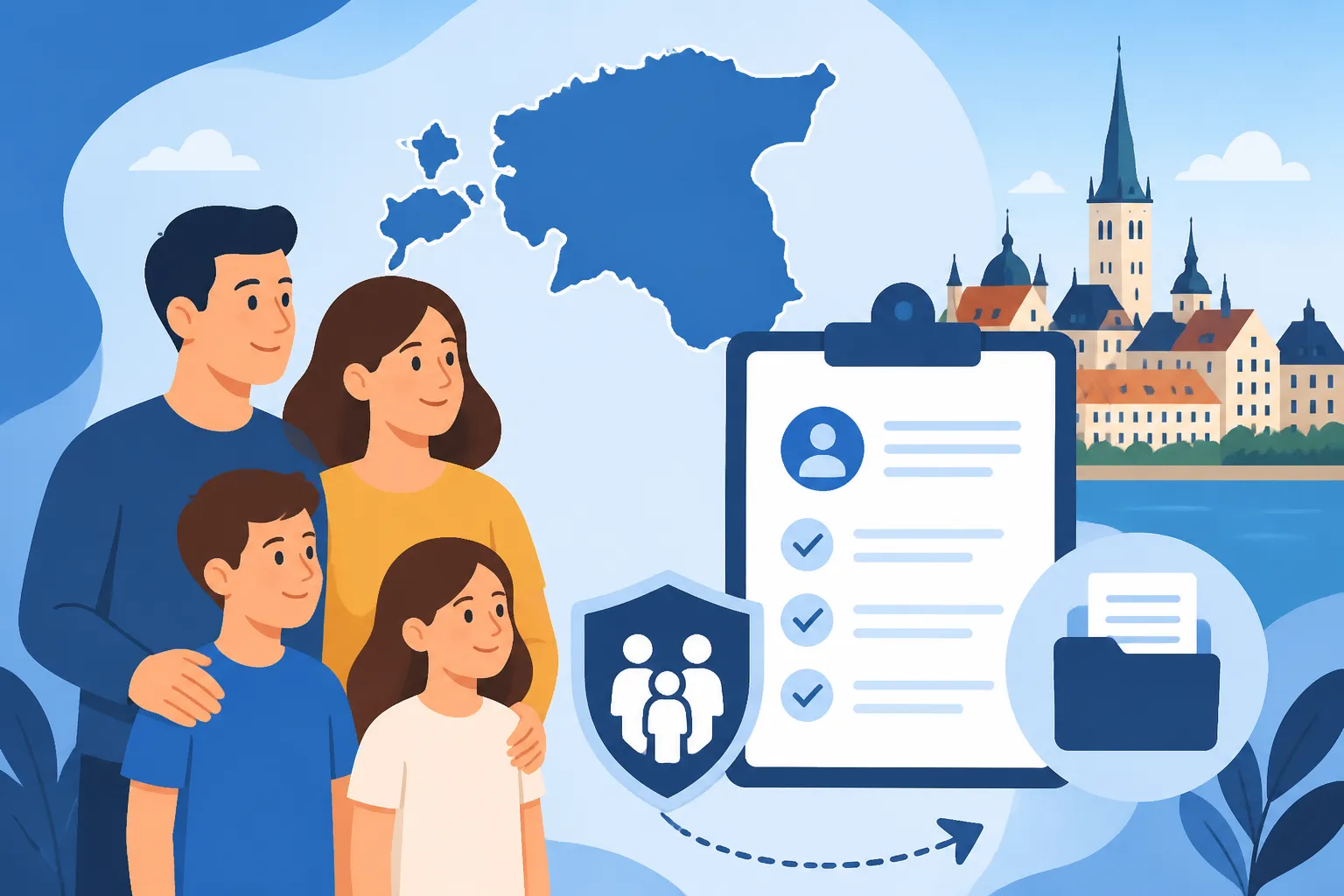
How Do I Apply for Family Reunification in Estonia?
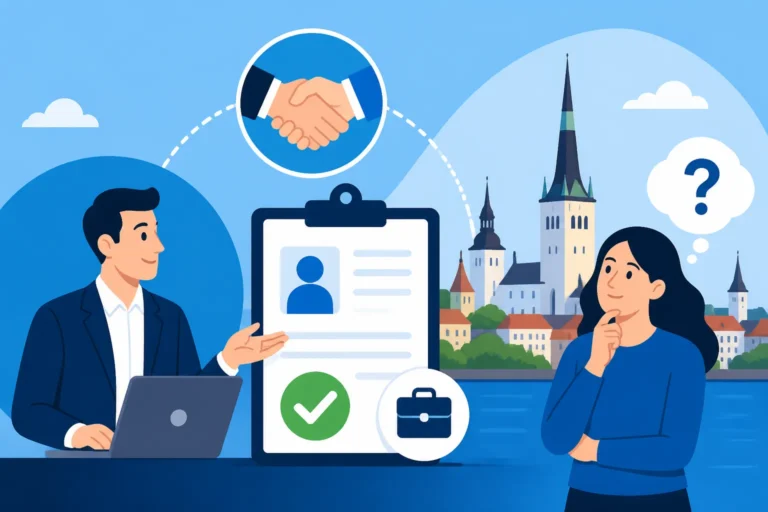
Coming to Estonia as an expat is an incredible adventure, but let's be honest, it can also be a lonely one at times. You settle in, find your routine, and then that familiar ache starts – the longing for your loved ones back home. The idea of navigating yet another complex administrative process, this time to bring your family over, can feel utterly daunting, like climbing Mount Everest after already running a marathon. But don't despair! This comprehensive guide is here to walk you through the often-confusing world of family reunification in Estonia, helping you bring your cherished family members to your new home.
Understanding the Basics of Estonian Family Reunification
First things first, let's get our heads around what "family reunification" actually means in the Estonian context. It's not just a blanket term; there are specific relationships and criteria that the Estonian state recognizes. The primary aim is to allow those who already hold a valid residence permit or Estonian citizenship to extend that right to their immediate family members. This whole process hinges on the sponsor – that's you, the expat already living here – meeting certain conditions, primarily around financial stability and having suitable accommodation. Without these, even the most legitimate family ties won't move the needle. It's a system designed for stability, but for newcomers, it can feel like a maze.
The key institution you'll be dealing with is the Police and Border Guard Board (PPA). They are the gatekeepers, the ones who review every application with a fine-tooth comb. It's crucial to understand that while Estonia is generally welcoming, especially to skilled workers and entrepreneurs, family reunification is a distinct process with its own set of rules, which can differ slightly from your initial permit application. This isn't just about ticking boxes; it's about proving a stable, long-term foundation for your family here.
Who Qualifies as a Family Member?
So, who exactly can you bring over under the family reunification umbrella? Estonia's definition is pretty standard for EU countries, focusing on the closest of kin.
Primarily, this includes:
- Your Spouse: If you are legally married, your husband or wife can apply to join you. It doesn't matter if your marriage was performed abroad, as long as it's recognized under Estonian law and properly legalized (which often means an apostille, but more on that later!). Common-law partners or de facto relationships generally don't qualify under this route, which can be a real sticking point for many. This is where many expats find themselves frustrated, as their relationships, perfectly valid and loving in their home countries, aren't immediately recognized here without a formal marriage certificate.
- Your Minor Children: Any children under the age of 18 are usually eligible. This applies to your biological children, adopted children, and in some cases, stepchildren, provided you have full parental rights. If one parent remains in the home country, you might need notarized consent from them for the child to relocate to Estonia. The well-being of the child is paramount, so the PPA will be looking to ensure they are moving into a safe and supportive environment.
- Dependent Parents/Grandparents: This is where it gets significantly trickier, and honestly, often near impossible for most non-EU expats. The law does allow for the reunification of dependent parents or grandparents, but only in exceptional circumstances where they are fully dependent on you and cannot live independently in their home country. This usually requires very robust proof of medical necessity, financial dependence, and a lack of other caregivers. It's not a common route and typically comes with a much higher bar for approval. Don't go into this expecting a smooth ride; prepare for a very detailed and scrutinizing process if you're trying to bring elderly relatives over.
It's also worth noting that if you're an EU citizen exercising your right of residence in Estonia, the rules are slightly different and often more lenient under EU free movement directives. This guide primarily focuses on the situation for non-EU citizens, which is generally more complex.
Eligibility Requirements for the Sponsor
As the sponsor, the onus is on you to demonstrate that you can genuinely support your family in Estonia. This isn't just about wishing them here; it's about proving you have the practical means to make it happen. The PPA wants to ensure that once your family arrives, they won't become a burden on the Estonian state.
Here are the critical areas they'll scrutinize:
- Your Residence Status: You must already hold a valid Estonian residence permit (temporary or long-term) or be an Estonian citizen. The type of permit you have can sometimes influence the ease of the process. For instance, if you're on a startup visa, your ability to bring family might be tied to the success and sustainability of your business. If you are applying for a residence permit for the first time, or if your own permit is nearing expiry, it can complicate or even delay your family's application. Make sure your own status is rock solid before initiating your family's application.
- Sufficient and Stable Income: This is arguably the biggest hurdle for many. You must prove you have a stable and regular income that is sufficient to support yourself and your arriving family members. The exact amount isn't just plucked from thin air; it's linked to the average salary in Estonia. For 2024, the monthly income requirement for family reunification is set at the same level as the average gross salary, which is updated annually by Statistics Estonia. For each additional family member, a percentage of this average salary is added. This means you’ll need to demonstrate consistent earnings, usually through bank statements, salary slips, and employment contracts. The PPA wants to see a track record, not just a one-off payment. If your income fluctuates, this can be a real headache.
- Example: If the average gross salary is around €1,800-€2,000 per month (as it typically trends), and you're bringing your spouse and one child, you might need to show proof of income significantly higher than that, perhaps €3,000-€4,000 gross or more, depending on the exact percentages applied by the PPA for additional family members. This can feel like a massive jump from just supporting yourself.
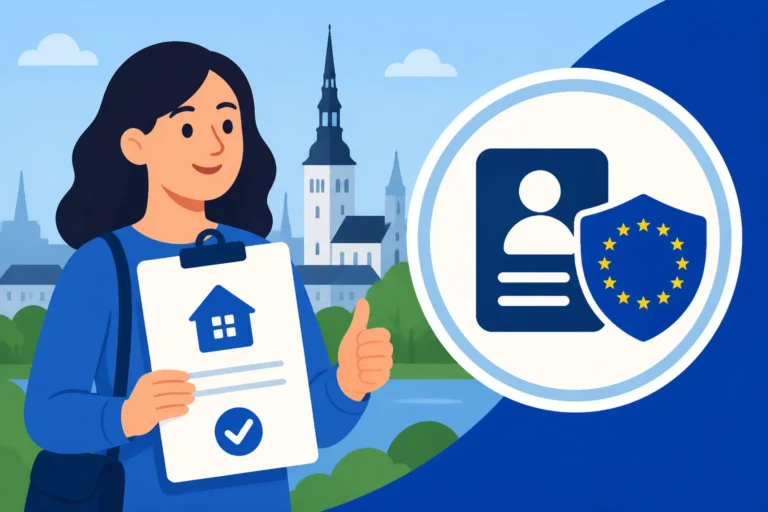
- Adequate Accommodation: You also need to prove that you have suitable housing in Estonia for your entire family. This means enough living space to meet the minimum standards (which are rarely explicitly defined but generally imply more than just a single room for a family of three). You'll typically need to provide a valid rental agreement or proof of property ownership. The PPA might even conduct a check to ensure the accommodation is legitimate and suitable. If you're currently in a studio apartment, you'll likely need to upgrade before your family arrives. Remember, the goal is to show that your family will have a proper home, not just a temporary crash pad.
- Health Insurance: While public health insurance (Tervisekassa) coverage often kicks in once your family members are registered and meet certain criteria (usually linked to your employment and social tax payments), for the initial application, and definitely during the waiting period, they will need valid health insurance. This needs to be a private plan that covers medical expenses in Estonia, ideally for the full duration of their requested residence permit or at least for a significant period. Don't skimp here; insufficient insurance can be a deal-breaker. Reputable providers like Cigna Global offer expat-specific plans that can often meet these requirements. Make sure you check the exact coverage requirements from the PPA.
- Clean Record: Unsurprisingly, you and your family members should not have any criminal records or serious immigration violations that would deem you undesirable to the Estonian state.
Meeting these requirements is paramount. The PPA takes these conditions seriously as they are fundamental to ensuring the successful integration and well-being of new residents.
The Step-by-Step Application Process for Family Reunification
Alright, now that we've covered the eligibility, let's dive into the nitty-gritty of the application process itself. This is where meticulous planning and patience truly become your best friends. It’s a multi-stage journey, and missing a single detail can send you right back to square one.
Gathering Essential Documents
This is perhaps the most critical and often the most frustrating part. The Estonian bureaucracy is digital and efficient in many ways, but when it comes to international documents, they want them in precise order.
You will need:
- Application Form: Each family member (including minor children) will need to complete their own application for a temporary residence permit. These are available on the PPA website.
- Passport Photos: Recent, passport-sized colour photos that meet the specific requirements (white background, no glasses unless medically necessary, neutral expression, etc.).
- Passport/Travel Document: A valid passport for each applicant, valid for at least six months beyond the requested permit expiry date.
- Proof of Family Relationship: This is huge.
- For spouses: Your original marriage certificate, legalized with an apostille if issued in a country that's a signatory to the Hague Apostille Convention, or properly legalized by consular means if not. It will also need to be translated into Estonian or English by a sworn translator.
- For children: Original birth certificates, similarly legalized and translated. For adopted children, adoption papers. If only one parent is applying or residing in Estonia, notarized consent from the other parent (also legalized and translated) may be required.
- Proof of Sponsor's Residence Status: A copy of your valid Estonian residence permit or citizenship certificate.
- Proof of Income: Your employment contract, salary slips for the last 6-12 months, bank statements showing regular income deposits, and your latest tax declaration (from the Estonian Tax and Customs Board via the e-MTA portal). If you're self-employed (an FIE or running an OÜ), you'll need financial statements, tax declarations, and proof of consistent business income. This is where they really check for that "sufficient means."
- Proof of Accommodation: Your valid rental agreement (üürileping), property ownership documents, or a statement from the property owner confirming that your family will reside there. If it's a rental, ensure the agreement is properly registered and names all residents if possible.
- Health Insurance Policy: A private health insurance policy covering each family member for the requested permit duration, or at least for the first few months, with sufficient coverage (€30,000 minimum is typical, covering emergency medical care and repatriation). Companies like Cigna Global specialize in these types of international plans.
- State Fee Payment: Proof that you have paid the state fee for each application. The fees vary by permit type and are non-refundable. You'll find the current amounts on the PPA website.
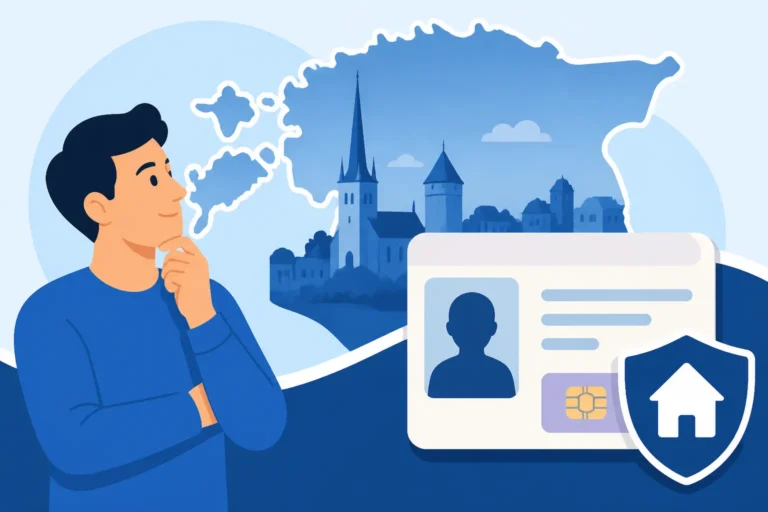
- Estonian ID Card: If you have already applied for an Estonian residence permit, you'll typically have been issued an Isikukood (personal code), which is crucial for all administrative processes in Estonia.
A critical point: all foreign documents (marriage certificates, birth certificates, etc.) must be apostilled or super-legalized and officially translated into Estonian or English by a sworn translator. This isn't optional, and ignoring it will lead to immediate rejection or significant delays. This step alone can take weeks or even months in your home country, so start early!
Submitting Your Application to the PPA
Once you have all your ducks in a row with the documents, it's time to submit.
- Book an Appointment: You must book an appointment at a PPA service point. The easiest way is online through their official website. Be prepared to book well in advance, especially in Tallinn, as slots can fill up quickly. Choose a service point that's convenient for you, such as the one at Pärnu mnt 139 in Tallinn.
- Attend the Appointment: Bring all original documents (and their copies, translations, and apostilles) for yourself and each family member. The PPA officer will review everything. This is not the time to be shy or disorganized; come prepared. They will verify your documents, scan them, and usually ask some clarifying questions. This interaction might be in Estonian or English, depending on the service point and officer.
- Submit Applications: Each family member’s application form, along with their respective documents, will be submitted.
- Pay the State Fee: If you haven't paid it online already, you can usually do so at the PPA service point via card. Always keep the payment receipt.
It's common for PPA officers to seem very direct or even stern; don't take it personally. They are simply following procedures. Be polite, answer truthfully, and provide all requested information.
Biometrics, Interviews, and Waiting Times
After submission, the process continues:
- Biometrics: At the PPA appointment, or shortly thereafter, each applicant (usually including children over a certain age, currently 6 years old) will have their fingerprints and facial image taken for their residence card. This data is essential for the production of the card if the permit is approved.
- Potential Interviews: While not always required, the PPA reserves the right to call you or your family members for an interview. This is typically to clarify information, verify the authenticity of your relationship, or assess your integration plans. Don't be alarmed if this happens; just be honest and consistent in your answers.
- Waiting Times: This is where the patience comes in. The processing time for a temporary residence permit for family reunification can vary significantly, but generally, it's stipulated to be up to two months from the date a complete application is submitted. However, it’s not unheard of for it to take longer, especially if additional documents are requested or if there are peak periods. You can track the status of your application online using the reference number provided by the PPA. While waiting, ensure you check your email regularly, including spam folders, for any communication from the PPA. They might request further information, and a delay in responding can halt your application.
- During this waiting period, your family members cannot typically enter Estonia on a regular tourist visa if their intention is to stay and reside. They should only enter once their residence permit is approved, or if they hold a Long-Stay (Type D) Visa that allows for permit application within Estonia. However, generally, applying from abroad is the safer option.
Once approved, the residence card will be produced and sent to your chosen PPA service point for collection. You’ll receive an SMS notification when it’s ready. It's an immense relief when that message finally comes through!
Common Hurdles and How to Overcome Them
Navigating the Estonian family reunification process can feel like a gauntlet. You’re dealing with bureaucracy, potential language barriers, and the emotional weight of your family’s future. It’s absolutely normal to feel overwhelmed, and believe me, many of us expats have been there, pulling our hair out over what feels like endless paperwork.
Navigating Bureaucracy and Document Requirements
The biggest hurdle for many is the sheer volume and precision required for documents. It's not enough to have a marriage certificate; it needs to be the original, with the correct legalization (apostille or super-legalization), and a certified translation.
- Apostille/Legalization: This is a common stumbling block. Many countries are signatories to the 1961 Hague Apostille Convention, which simplifies the legalization of documents for international use. If your documents are from a signatory country, you need an apostille stamp from the competent authority in that country. If your country is not a signatory, you'll likely need consular legalization, which is a more complex process involving both your country's Ministry of Foreign Affairs and the Estonian embassy/consulate. Always confirm the exact requirements for your specific country of origin with the Estonian PPA or an embassy beforehand. Don't assume.
- Sworn Translations: You can't just use any translator. Estonian authorities require translations by a sworn (authorized) translator. In Estonia, these are officially recognized notaries who also perform translations. If you get translations done in your home country, ensure they are certified and accepted internationally or be prepared to have them re-translated here.
- The "Completeness" Trap: The PPA will only start processing your application once it deems it "complete." If a single document is missing, improperly legalized, or incorrectly translated, your application won't progress, and precious time will be lost.
- Tip: Create a checklist and meticulously go through it. Make copies of everything. Consider using a reputable moving service like Sirelo that might have resources or partners who can help navigate these document challenges, or even better, consult an immigration lawyer in Estonia. While it adds to the cost, it can save you significant time and stress by ensuring everything is correct the first time.
Proving Financial Stability and Adequate Accommodation
These two are often linked and can be sources of significant stress.
- Financial Proof: As mentioned, the income requirement is non-negotiable and adjusted annually.
- Challenge: What if your income fluctuates? What if you're newly employed? The PPA looks for stability. If you've just started a new job, they might ask for more evidence of previous income or a longer track record with your current employer. If you're an entrepreneur, your company's financial health needs to be robust, not just on paper, but demonstrably through bank statements.
- Solution: Be transparent and provide as much supplementary evidence as possible. If your income is variable, show average earnings over a longer period. If you have significant savings, include statements for those, although regular income is usually prioritized over savings. Ensure your employment contract is clear on your salary.
- Accommodation Proof: The space requirements can feel ambiguous, but the intent is clear: your family needs a proper home.
- Challenge: Many expats initially rent smaller apartments. If you're bringing a spouse and two children, a one-bedroom flat just won't cut it. Finding suitable, larger accommodation, especially in competitive markets like Tallinn, can be tough and expensive.
- Solution: Start looking for suitable accommodation well in advance. Secure a new, larger rental agreement before you apply for family reunification. If you're buying, ensure the purchase is finalized. Provide a copy of the rental agreement or property deed. If you are staying with friends or family temporarily, this is unlikely to be sufficient unless they are officially sponsoring your family and can prove adequate space and consent. Remember, the PPA is looking for stability.
Life in Estonia with Your Reunited Family
Once the residence permits are approved and your family finally arrives, the initial relief is immense. But the journey doesn't end there; a new chapter begins – one of integrating your family into Estonian life. This is about building a home, not just getting permission to live here.
Post-Arrival Essentials: Registration and Healthcare
Immediately after your family arrives and collects their residence cards, there are critical steps to take to ensure they are fully integrated into the public services system.
- Registering Your Place of Residence: This is absolutely essential. Within one month of arrival (or obtaining the residence permit), your family members must register their place of residence in the Estonian Population Register. This is usually done at your local city or rural municipality government office (e.g., the Tallinn Population Register Office). You’ll need their residence cards, your IDs, and proof of your shared address (rental agreement or property deed). This is a crucial step for accessing public services and officially becoming residents. Without registration, they won't fully exist in the Estonian administrative system. You can learn more about Registering Your Place of Residence in Estonia: The Complete Guide.
- Healthcare (Tervisekassa): Once registered in the Population Register and if you, as the sponsor, are employed and paying social tax, your family members usually become eligible for Estonian public health insurance (Tervisekassa) coverage.
- For Spouses: Your spouse will typically gain Tervisekassa coverage through your employment, provided they are not employed themselves. This is often an automatic process once their residence is registered.
- For Children: Minor children almost always get Tervisekassa coverage automatically through one of their parents' social tax payments, usually once their birth is registered in Estonia or their residence permit is processed and linked to your information.
- Action: It's always a good idea to confirm their coverage status directly with Tervisekassa after their residence is registered. You can check their status on the e-Tervisekassa portal or by contacting them directly. For comprehensive information, check out How Estonia's Health Insurance Fund (Tervisekassa) Works: A Full Overview and Registering with the Tervisekassa in Estonia: The Complete Expat Guide (2027). In the interim, if there are any gaps, remember that private health insurance is essential, and providers like Cigna Global can bridge these periods.
- Finding a Family Doctor (Perearst): Once Tervisekassa coverage is confirmed, your family should register with a family doctor (perearst). This is their first point of contact for most medical needs. In larger cities like Tallinn or Tartu, you'll find more English-speaking options. Do this as soon as possible, especially for children. You'll find helpful guidance in The Expat Guide to Finding a Family Doctor (Perearst) in Estonia.
Integrating into Estonian Society
Bringing your family over is just the beginning of their journey to call Estonia home. Integration is a continuous process, filled with its own unique rewards and challenges.
- Schools and Kindergartens: If you have children, enrolling them in an appropriate educational institution is paramount.
- Kindergarten (Lasteaed): For younger children, securing a spot in a kindergarten can be competitive, especially for popular ones or those with English-speaking staff. Apply early!
- Schools: For school-aged children, you'll need to decide between public Estonian-language schools, public schools with immersion programs, or international schools. International schools offer curricula in English but come with significant tuition fees. Public schools are free but may require your child to learn Estonian rapidly. There's a lot to consider, so delve into Schools and Education in Estonia: A Complete Guide for Expat Families for detailed insights.
- Language Learning: While many Estonians, especially in Tallinn, speak excellent English, learning Estonian is incredibly beneficial for true integration. Encourage your family to take Estonian language courses. Many municipal centers and private schools offer courses for adults and sometimes for children. This isn't just about communication; it's about connecting with the local culture and making daily life smoother.
- Social Life and Community: Help your family find their own social circles. Look for expat groups on social media, join local clubs or activities (sports, hobbies, volunteer work), and explore community events. Tallinn and Tartu have vibrant international communities, and many organizations cater to newcomers. Encourage them to explore Estonian nature, participate in local festivals, and enjoy the unique Baltic culture. Shipping your belongings to Estonia can be made easier with services like Sirelo, helping your family feel more at home with their familiar possessions around them.
- Financial Planning: Re-evaluate your family budget, considering the increased cost of living with additional family members. Everything from groceries to utilities and leisure activities will now be multiplied. Understanding the broader The Complete Guide to Cost of Living in Estonia for Expats (2026) will be helpful.
- Long-Term Permits: After living in Estonia for a certain period on temporary residence permits (usually five consecutive years), your family members may become eligible to apply for Long-Term Residence in Estonia: The Complete Pathway (2027). This grants more stable rights and removes some of the anxieties associated with temporary permits.
Bringing your family to Estonia is a significant undertaking, fraught with paperwork and bureaucratic hurdles. But the joy of having your loved ones by your side, experiencing this beautiful country together, truly makes all the effort worthwhile. Approach each step with patience, thoroughness, and a bit of that resilient expat spirit, and you’ll successfully build your new family life here.
Summary of Key Family Reunification Requirements
To help you keep track of the essentials, here's a quick summary of the critical requirements for family reunification in Estonia.
| Requirement Area | Key Details |
|---|---|
| Sponsor's Status | Must hold a valid Estonian temporary/long-term residence permit or Estonian citizenship. Ensure your own permit is stable and not nearing expiry. |
| Qualifying Family Members | Primarily spouses and minor children (under 18). Exceptionally, fully dependent parents/grandparents under very strict criteria. Common-law partners typically do not qualify for this route. |
| Financial Means | Proof of stable, sufficient income for sponsor + all family members. Income requirement linked to Estonian average gross salary + percentages for each additional family member. Requires bank statements, salary slips, employment contract, tax declarations. |
| Accommodation | Proof of adequate, suitable housing for the entire family in Estonia (rental agreement, property ownership deed). Must meet basic living standards. |
| Health Insurance | Private health insurance policy covering each applicant for the duration of the permit (or initial period, minimum €30,000 coverage). Essential during waiting periods and until public Tervisekassa coverage kicks in. |
| Documents & Legalization | All foreign civil status documents (marriage, birth certificates) must be original, legalized (apostille or super-legalization specific to country of origin), and officially translated into Estonian or English by a sworn translator. |
| PPA Application | Each family member must submit their own application form. Requires prior online appointment at a PPA service point. Biometrics (fingerprints, photo) will be taken. State fee applies per application. |
| Waiting Period | Official processing time is up to 2 months from submission of a complete application. Can take longer if additional documents are requested or during peak periods. Track application status online. |
| Post-Arrival | Register place of residence in Population Register within 1 month. Confirm Tervisekassa coverage. Register with a family doctor. Enroll children in school/kindergarten. Consider Estonian language courses for faster integration. |
| Key Internal Links | How to Get an Isikukood (Personal Code) and Why It Matters for Healthcare, How to Register Your Place of Residence (Elukoht) in the Population Register, Health Insurance in Estonia: Mandatory, Private and Travel Options Explained, The Complete Guide to Healthcare in Estonia for Expats (2027), The Complete Guide to Renting an Apartment in Estonia (2027), How to Apply for a Temporary Residence Permit in Estonia |
Disclaimer
Please note that immigration laws and regulations in Estonia can change. While this guide aims to provide accurate and up-to-date information, it should not be considered legal advice. Always consult the official websites of the Estonian Police and Border Guard Board (PPA) and relevant government agencies, or seek professional legal counsel, for the most current and specific information pertaining to your individual situation.