How Do I Set Up a Mobile Plan with Telia or Elisa in Estonia?
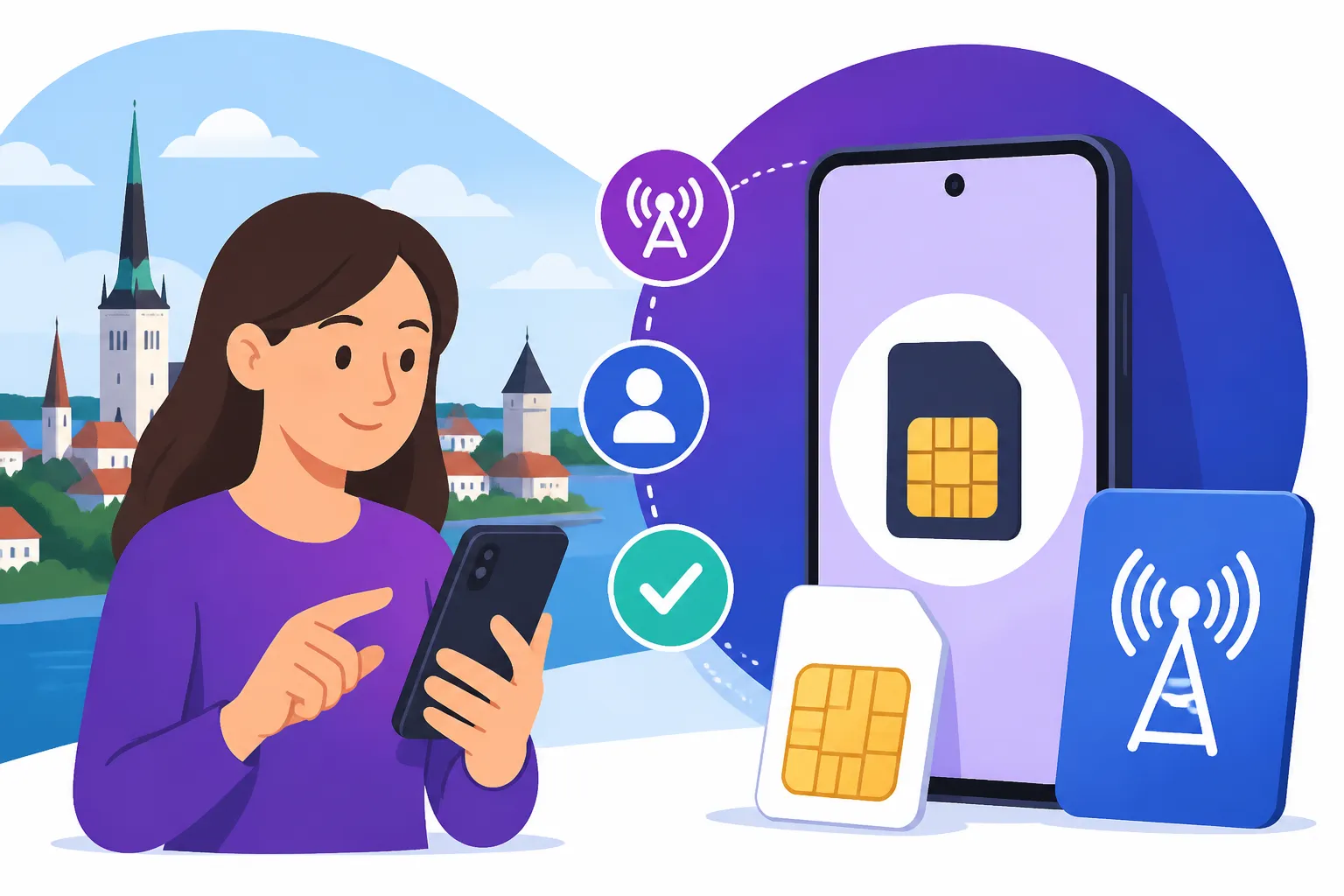
Ah, the quest for a reliable mobile plan in Estonia! I remember that feeling, arriving here with a foreign SIM barely clinging to life, desperately needing to connect with family, sort out apartment viewings, or just figure out where to buy milk. It’s one of those essential, immediate hurdles that every expat faces, and while Estonia is wonderfully digital, navigating the local telecoms landscape can still feel like a bit of a maze, especially if you’re not fluent in Estonian or used to their specific systems. This guide is here to demystify the process, focusing on the main players like Telia and Elisa, so you can get connected without the usual expat headaches.
First Steps to Staying Connected: Initial Considerations for Expats
When you first land in Estonia, your immediate concern will be communication. While most of us are used to just popping into a corner store and grabbing a SIM card, getting a full-fledged contract here, especially with the major providers, often requires a bit more groundwork. Don't worry, it's totally manageable once you know the ropes!
Pre-Arrival & Short-Term Solutions
Before you even think about committing to a local Estonian plan, you need to ensure you have connectivity from day one. Relying solely on Wi-Fi is a recipe for stress, particularly if you need to coordinate arrival details, navigate public transport, or contact potential landlords or employers.
Many expats initially rely on international eSIMs like Airalo. These are fantastic because you can purchase a data plan for Estonia (or Europe) before you even leave your home country, activate it upon arrival, and instantly have mobile data. No hunting for SIM cards at the airport, no language barriers when you're jet-lagged. It's a lifesaver for those first few days or weeks as you get your bearings. Think of it as your digital safety net. While these are usually data-only or come with limited talk time, they bridge the gap perfectly until you can sort out a local solution. For those coming from another EU country, your existing plan might work for a while due to roaming regulations, but be mindful of fair usage policies and potential speed reductions once you officially reside here. It's really just a temporary fix, not a long-term strategy for living in Estonia.
The All-Important Isikukood and Residence Registration
This is where Estonia’s unique digital identity comes into play, and it’s a big one. To sign up for a post-paid mobile contract with any of the major providers, you will almost certainly need an Estonian personal identification code, or Isikukood. This isn't just for healthcare or taxes; it’s fundamental for establishing almost any long-term service or official connection in Estonia, including your mobile phone contract.
I remember the relief when I finally got my Isikukood. It felt like unlocking the next level of Estonian life. Without it, you're pretty much limited to prepaid options, which are fine for data and local calls but lack the flexibility and often the better rates of contract plans. So, one of your absolute first administrative tasks upon moving here should be to secure your Isikukood. You usually get this as part of registering your place of residence in the Population Register. If you're an EU citizen, this is part of registering your right of residence. For non-EU citizens, it's typically issued when your temporary residence permit is granted. Don't put this off! The sooner you have it, the sooner you can truly integrate into Estonia's digital society and access services like a local. For more detailed guidance on this crucial step, you can read our comprehensive guide on How to Get Your Isikukood (Personal Code) and Why It Matters for Healthcare. Similarly, understanding How to Register Your Place of Residence (Elukoht) in the Population Register is a critical precursor to many services.
Diving into Estonia's Main Mobile Providers: Telia, Elisa, and Tele2
Once you're settled in, have your Isikukood, and are ready to commit, it's time to choose your Estonian mobile provider. The market is dominated by three main players: Telia, Elisa, and Tele2. Each has its strengths, and what’s "best" often comes down to your individual needs, location, and budget.
A Look at Telia: Coverage, Plans, and Benefits
Telia is often considered the incumbent and largest operator in Estonia, a part of the wider Nordic and Baltic Telia Company. Their network coverage is generally excellent, especially in urban areas and along major roads. If you're planning to explore the more remote parts of Estonia, Telia usually offers the most reliable signal.
Their plans tend to be comprehensive, often including generous data allowances, unlimited calls and SMS within Estonia, and sometimes even roaming benefits for EU travel. Telia also offers a wide range of bundled services, including home internet and TV packages, which can be convenient if you want to keep all your services under one roof. For example, if you're setting up your new apartment, you might find it appealing to get your mobile, home internet, and TV from the same provider. They have dedicated physical stores in all major cities like Tallinn and Tartu, making in-person assistance readily available. While their prices might be slightly higher than some competitors, many expats find the peace of mind that comes with their extensive network and customer support to be worth it. They also tend to have very robust self-service options online and through their app, once you're set up.
Elisa: Options for Every User
Elisa is another major player in the Estonian market, originally a Finnish telecommunications company. They are known for offering competitive prices and a good balance of coverage and features. Elisa has invested heavily in its 4G and 5G networks, providing fast speeds in most populated areas.
Elisa’s plans are often structured to cater to different user needs, from basic talk-and-text options to comprehensive packages with large data allowances. They frequently run promotions, so it’s always worth checking their website or popping into a store to see what deals are currently available. Similar to Telia, Elisa also offers home internet and TV services, making them another strong contender for bundled packages. Many expats praise Elisa for their customer service, which often includes English-speaking staff, a huge plus when you're trying to understand complex billing or technical issues. They also have a strong retail presence, particularly in shopping centres, making it easy to find a branch. Elisa also prides itself on innovation, often being among the first to roll out new technologies or services.
Tele2: The Budget-Friendly Contender
Tele2, a Swedish-based operator, typically positions itself as the more budget-friendly option in Estonia. If cost is your primary concern, Tele2 often has the most attractive prices for similar data and call allowances compared to Telia and Elisa.
While their network coverage is generally very good in urban centres, some users report slightly less extensive coverage in very rural or remote areas compared to Telia. However, for most expats living and working in cities like Tallinn, Tartu, or Pärnu, Tele2's network performance will be perfectly adequate. Their plans are usually straightforward, focusing on competitive pricing for mobile data, calls, and SMS. They might not offer as many integrated services or extensive bundles as the other two, but if you just need a solid mobile plan without all the bells and whistles, Tele2 is definitely worth considering. Don't be fooled by the lower price; you still get reliable service, just perhaps without some of the premium extras. They also have physical stores, though perhaps fewer than Telia or Elisa.
Contract vs. Prepaid: What's Best for You?
This is a fundamental decision when getting a mobile plan in Estonia.
-
Prepaid (Kõnekaart): This is the easiest option, especially if you don't have an Isikukood yet or prefer not to commit to a long-term contract. You buy a SIM card, top it up with credit, and use it until the credit runs out. Prepaid cards are available at R-Kiosk convenience stores, supermarkets (like Rimi or Selver), and the service providers' own stores. They are perfect for short stays, temporary use, or for those who want to avoid monthly bills. The downside is that rates per minute or per GB might be slightly higher, and you have to remember to top up. You also typically don't get the same kind of customer service or bundled benefits. This is often the initial go-to for many new arrivals, but as you settle in, most transition to a contract.
-
Contract (Pakett or Kuuplaan): These are monthly plans, usually requiring an Isikukood, sometimes a valid residence permit, and a local bank account for direct debits. Contracts offer better value, with more generous data, unlimited calls/SMS, and sometimes international roaming included. They often come with a 12- or 24-month commitment, though some providers offer more flexible month-to-month options at a slightly higher price. For long-term residents, a contract is almost always the more economical and convenient choice. It’s definitely the way to go once you're rooted in Estonia.
Here's a quick comparison of the three main providers:
| Feature | Telia | Elisa | Tele2 |
|---|---|---|---|
| Network Coverage | Generally strongest, especially rural | Very good, strong in urban areas | Good, very competitive in urban areas |
| Pricing | Premium, good value for features | Competitive, frequent promotions | Budget-friendly, often lowest prices |
| Plan Types | Comprehensive, bundles (TV/Internet) | Diverse, caters to various needs, bundles | Straightforward mobile plans |
| Customer Service Language | Good English support in stores/online | Good English support in stores/online | English support available |
| Bundling Options | Strongest for home internet & TV | Strong for home internet & TV | Limited bundling, mobile-focused |
| Innovation | Reliable, stable, established | Often an early adopter of new tech | Focus on core mobile value |
The Practicalities: Setting Up Your Plan and Managing Your Account
Once you've decided on a provider and a plan type, the next step is the actual setup. This can be intimidating, but knowing what to expect makes it much smoother.
Documents Needed and Application Process
For a post-paid contract, you’ll typically need:
- Your Isikukood (Personal Identification Code): As discussed, this is non-negotiable for most contracts.
- A valid form of ID: Your passport or Estonian ID card.
- Proof of address: While not always strictly required at the point of signing, it's good to have your Population Register confirmation.
- Estonian bank account details: For setting up direct debits for your monthly payments. If you haven't opened one yet, check out our guide on The Expat Guide to Opening a Bank Account in Estonia. It’s an essential step in getting your finances in order here.
The best way to apply for a contract is usually in person at one of the provider's physical stores. This allows you to speak with a representative (hopefully one who speaks English, which most do in bigger cities), ask questions, and ensure all your documents are correct. They can help you choose the right plan for your needs and get the SIM card activated on the spot. While online applications might exist, they often require an Estonian ID card and its associated digital capabilities (like Smart-ID or Mobile-ID), which you might not have initially.
For prepaid, it’s much simpler: just buy the SIM card at a shop, follow the instructions on the packaging (usually available in English), and top it up. No documents needed initially, although recent regulations may require registration of prepaid numbers for security purposes, often done easily via their websites.
Understanding Billing and Online Management
Once you have your plan, understanding the billing and how to manage your account is key. Most Estonian mobile providers leverage the country's highly digital infrastructure. You'll receive monthly invoices, usually via email or through the provider's online self-service portal.
Paying your bills is usually done via direct debit from your Estonian bank account, or through online bank transfers. It’s incredibly rare to pay bills in person or via paper invoices here. Most providers have excellent apps and web portals where you can monitor your data usage, check your current bill, change plans, and manage other services. For instance, Telia and Elisa both have robust digital platforms that tie into the broader Estonian e-services ecosystem. These are usually quite intuitive, even if the initial setup might be in Estonian. I strongly recommend familiarizing yourself with these digital tools, as they make life so much easier. Many services in Estonia, including managing your utilities and even government interactions, are handled through portals like eesti.ee. Understanding these digital tools is a core part of expat life. You can dive deeper into this topic by exploring Understanding eesti.ee and Digital Government Services in Estonia.
Tips for Troubleshooting and Customer Service
Despite Estonia's digital prowess, sometimes things just go wrong. Maybe your data isn't working, or you have a question about a weird charge on your bill. Here are some tips:
- Check Online Resources First: Most providers have extensive FAQ sections on their websites. These are often available in English and can quickly resolve common issues.
- Use the Chatbots/Online Support: Many providers offer online chat support, which can be great for quick questions without having to make a phone call.
- Visit a Store: For more complex issues, or if you prefer face-to-face interaction, visiting a physical store is usually the best bet. In Tallinn (e.g., Viru Keskus, Kristiine Keskus) or Tartu (e.g., Tasku Keskus, Lõunakeskus), you'll almost always find English-speaking staff.
- Call Customer Service: If you need to call, be prepared to wait a little, and try to have your Isikukood and account details ready. Ask politely if they have an English-speaking agent.
Remember, getting your phone sorted is just one piece of the puzzle when you move here. As you're tackling all the essentials of settling in, from finding a place to live to understanding the local way of doing things, you'll find that having reliable communication is paramount. Resources like The Complete Guide to Moving to Estonia: Your First 90 Days can provide a broader context, covering everything from mobile plans to setting up other crucial utilities. Many expats also find external services incredibly helpful for the whole relocation process – perhaps you even discovered your moving company through platforms like Sirelo, which compiles information on various international movers. Making sure all your services, from your mobile to your internet, are smoothly set up, as detailed in our guide The Expat Guide to Setting Up Utilities in Estonia, will make your life significantly less stressful.
Choosing and setting up a mobile plan in Estonia might seem like a small detail in the grand scheme of moving to a new country, but it’s a foundational step to feeling connected and in control. Take your time, weigh your options, and don't hesitate to ask for help – you'll be calling, texting, and streaming like a local in no time!
Disclaimer
The information provided in this guide is intended for general informational purposes only and does not constitute professional advice. While we strive to keep the information up-to-date and accurate, regulations, prices, and services offered by mobile providers in Estonia can change. Readers are encouraged to verify any critical information with official sources and the respective service providers.