How Do I Set Up Online Banking at LHV or SEB in Estonia?
When you first land in Estonia, there's a whirlwind of things to sort out: finding a place to live, getting your initial paperwork in order, and then, inevitably, dealing with your finances. The local banking system can feel like navigating a different planet, especially if you're used to something else. But one of the biggest keys to a smooth financial life here is embracing online banking. This guide is going to walk you through the ins and outs of setting up your online banking with two of Estonia's most popular banks, LHV and SEB, ensuring you're ready to manage your money with confidence and ease.
Why Online Banking is Essential for Expats in Estonia
Let's be real, Estonia is a digital nation through and through. From voting to signing documents, almost everything is done online. It's not just a convenience; it's practically a way of life here, and your bank is no exception. For expats, this digital-first approach to banking offers a level of efficiency and autonomy that can truly simplify your life in your new home.
The Digital-First Reality of Estonian Life
Forget about endless queues at physical branches for every little transaction. In Estonia, the expectation is that you’ll handle most, if not all, of your financial affairs digitally. Your online banking portal isn't just for checking your balance; it's your gateway to paying bills, managing investments, and even communicating securely with your bank. This system is designed for speed and convenience, reflecting the country's broader commitment to e-governance. If you're coming from a country where paper statements and branch visits are still the norm, it might take a slight mental shift, but trust me, once you're set up, you'll wonder how you ever managed without it. Your Estonian ID card, Mobile-ID, or Smart-ID are your keys to this digital world, unlocking not just your bank account but a myriad of other public and private e-services. Understanding eesti.ee and Digital Government Services in Estonia will give you a broader picture of how integrated everything truly is.
Managing Finances Remotely and Efficiently
For expats, the ability to manage finances remotely is invaluable. You might be working remotely yourself, or perhaps you travel frequently. With robust online banking, your bank is always just a few clicks away, no matter where you are. Need to pay your rent or utility bills? Most Estonian banks offer seamless e-invoice services that integrate directly into your online banking, making payments practically automatic. Need to transfer money to a friend or set up a recurring payment? It’s all there, usually with just a few taps on your phone. This efficiency extends to monitoring your spending, reviewing statements, and accessing detailed transaction histories – all crucial for budgeting and, dare I say, for dealing with your annual tax return. Having all your financial data readily accessible online can make interactions with services like Taxes for Expats much smoother when it comes to understanding your obligations or reporting foreign income.
Choosing Between LHV and SEB: What Expats Need to Know
When it comes to mainstream banking in Estonia, two names you'll hear often are LHV and SEB. Both are strong contenders, but they cater to slightly different preferences and offer distinct advantages. Making the right choice for your needs as an expat is crucial, and it’s not just about who has the prettiest app. You might want to consider "How to Choose the Best Bank for Expats in Estonia" for a broader overview, but for LHV and SEB, here's a deep dive.
LHV Pank: The Local Innovator with Expat Appeal
LHV Pank is an Estonian success story, a local bank that has quickly grown to become a significant player, especially popular among tech-savvy locals and expats alike. What often draws expats to LHV is its modern, agile approach to banking. Their mobile app is generally considered intuitive and user-friendly, offering a smooth experience for everyday banking tasks. They pride themselves on innovation and excellent customer service, often with a strong focus on English-speaking support, which can be a huge relief when you’re still getting to grips with the local language.
LHV often appeals to those who appreciate a bank that feels forward-thinking and understands the needs of a modern, international clientele. They offer competitive rates on certain investment products and have been quite active in the Estonian startup scene, aligning with the country's innovative spirit. Their fees are often seen as transparent and reasonable, although it's always wise to compare specific services you intend to use frequently. If you're someone who values a seamless digital experience, responsive support in English, and a bank that feels less like a traditional institution and more like a partner in your financial journey, LHV might be your ideal choice.
SEB Pank: The Established Scandinavian Giant
SEB Pank, on the other hand, is part of a larger Scandinavian banking group, bringing with it the stability, extensive network, and comprehensive range of services you'd expect from a major international bank. While LHV is rooted in Estonia, SEB has a broader European presence, which can be beneficial if you have financial ties or frequent transactions across borders. They offer a full spectrum of banking services, from everyday accounts to mortgages, investment advice, and private banking.
SEB’s online banking platform is robust and reliable, perhaps a bit more traditional in its interface compared to LHV's sleeker design, but it offers all the functionality you need. They also provide strong English-speaking customer support and have physical branches in major cities, which can be reassuring for those who prefer the option of face-to-face interaction, even if it's less frequent. If stability, a wide array of services, and a recognized international brand give you peace of mind, then SEB could be the more suitable option. Their extensive ATM network is also a plus, although cash usage is becoming increasingly rare in Estonia.
LHV vs SEB: A Quick Comparison for Expats
To help you decide, here’s a quick overview comparing some key aspects of LHV and SEB that are often important for expats. Keep in mind that specific offers, fees, and features can change, so always check their current terms directly.
| Feature / Aspect | LHV Pank | SEB Pank |
|---|---|---|
| Origin & Focus | Estonian, modern, innovative, popular with tech/expats | Scandinavian, established, comprehensive services, broader network |
| Online Banking Experience | Generally perceived as more modern, intuitive app | Robust, reliable, comprehensive, perhaps more traditional interface |
| English Support | Very strong, highly expat-friendly | Strong, professional, standard for a large international bank |
| Branch Network | Fewer physical branches, primarily digital focus | More extensive branch network in Estonia, wider international presence |
| Fees & Pricing | Often competitive, transparent, especially for daily use | Generally competitive, standard for a major bank, may have more tiered options |
| Investment Options | Strong focus on local and international investments | Broad range of investment products, wealth management |
| International Transfers | Standard bank transfers, supports SEPA | Standard bank transfers, supports SEPA, broader currency options |
| Digital ID Support | Full support for ID-card, Mobile-ID, Smart-ID | Full support for ID-card, Mobile-ID, Smart-ID |
This table should give you a good starting point, but ultimately, the best choice depends on your personal financial habits and priorities.
Step-by-Step: Setting Up Your Online Banking at LHV or SEB
Alright, you've chosen your bank, or at least narrowed it down. Now for the practical part: getting everything set up. The process is largely similar for both LHV and SEB, as it involves adhering to Estonian regulatory requirements and leveraging the country's digital identity infrastructure.
Pre-requisites: What You Need Before You Start
Before you even think about logging into an online bank, you absolutely need to have a few crucial things sorted. Estonia isn't like some countries where you can walk into a bank with just your passport and leave with an account number.
First and foremost, you'll need an Isikukood, your Estonian personal identification code. This is non-negotiable for most official services, including opening a bank account as a resident. It's essentially your digital fingerprint in Estonia. If you haven't got one yet, you need to prioritize that. Our guide, "How to Get an Isikukood and Register with the Estonian Tax Board", covers this in detail.
Secondly, if you're a non-EU/EEA citizen, you'll need a valid Estonian Residence Permit. This permit proves your legal right to reside in Estonia, which banks require for anti-money laundering and know-your-customer (KYC) regulations. Even EU citizens need to register their right of residence with the Population Register.
Lastly, you’ll need a valid identity document – your passport, Estonian ID card, or a residence card. This will be used during your account opening appointment to verify your identity. Having your Estonian ID card or Mobile-ID (or Smart-ID) activated is crucial for accessing online banking securely later on.
The Initial Account Opening Process
Unlike many countries where you might be able to start an account application online, for new non-e-resident expats in Estonia, the first step to opening a bank account (and thus getting online banking access) almost always involves a physical visit to a bank branch.
- Book an Appointment: Both LHV and SEB strongly recommend, and often require, that you book an appointment in advance. You can usually do this through their websites or by calling their customer service lines. Specify that you are a new customer and an expat, and request an appointment with an English-speaking representative if you need one. This will save you a lot of hassle.
- Gather Your Documents: Double-check that you have your valid passport, residence permit (if applicable), and your Isikukood ready. Some banks might also ask for proof of address (though your Population Register address might suffice) or proof of income/employment, especially if you're opening a business account or seeking certain services.
- Attend the Appointment: This is where you’ll formally apply for your bank account. The bank representative will verify your identity, explain the different account packages available, and walk you through the paperwork. Don’t be afraid to ask questions about monthly fees, transaction costs, and especially how to activate your online banking and digital ID tools. This is also where you’ll typically receive your debit card.
- Wait for Approval: While the process is usually efficient, it's not always instantaneous. Banks conduct background checks as part of their compliance process. Once approved, you'll be notified, and your card will either be given to you on the spot or sent to your registered address.
This initial physical interaction is vital. Our comprehensive guide, "The Expat Guide to Opening a Bank Account in Estonia", offers more granular details on this step.
Activating Online Banking Access
Once your physical account is open and you have your debit card, the next hurdle is gaining access to the online banking portal. This is where Estonia’s sophisticated digital identity system truly shines.
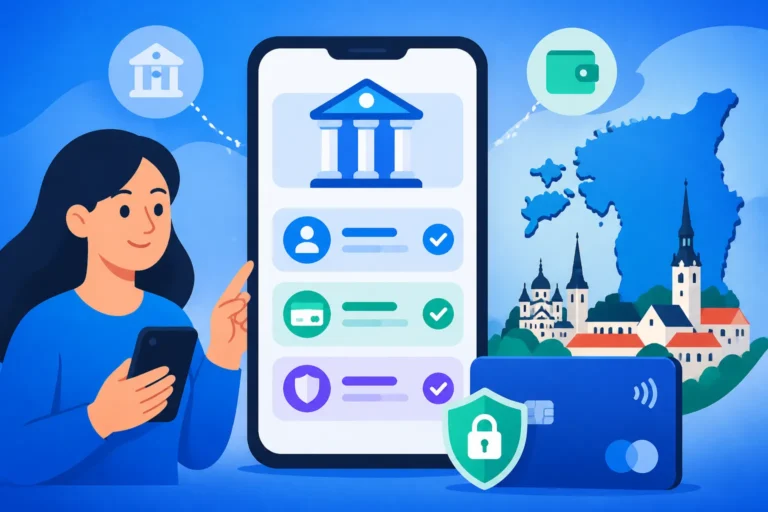
- Login Credentials: During your account opening appointment, the bank representative will typically guide you through the initial setup of your online banking access. They will provide you with a username (often your Isikukood) and explain how to set up your primary authentication method.
- Choose Your Authentication Method: This is critical. In Estonia, strong authentication is mandatory for online banking. Your options generally include:
- ID-card with Card Reader: If you have an Estonian ID card, you can use it with a smart card reader connected to your computer. You’ll enter your PIN codes (PIN1 for logging in, PIN2 for signing transactions). This is the most traditional method.
- Mobile-ID: This is incredibly popular and convenient. Your phone number is linked to your identity, and you receive secure PIN requests directly on your mobile device. You’ll need to activate Mobile-ID separately through your mobile operator and the Police and Border Guard Board (PPA).
- Smart-ID: Another very popular and user-friendly app-based solution. It works on both smartphones and tablets, even without a SIM card, using two PINs you set up during activation. You'll typically activate Smart-ID via your bank or an existing ID-card/Mobile-ID.
- Other Options (e.g., Code Card/Calculator): While less common now due to stronger security requirements, some banks might still offer legacy code cards or PIN calculators for certain transactions or as a backup. However, Mobile-ID and Smart-ID are the future, and strongly encouraged.
- First Login: Once you have your chosen authentication method set up and verified, head to your bank’s website (lhv.ee or seb.ee) and look for the 'Log in' button. Use your username and then follow the prompts for your chosen authentication method. You might be asked to change a temporary password or set up additional security questions.
- Familiarize Yourself: Take some time to explore the online banking environment. Look for sections like 'Payments,' 'Accounts,' 'Cards,' and 'Settings.' Most banks have an English language toggle, which will be a lifesaver.
This setup process might feel like a lot of steps, but once you're through it, the ease of managing your money in Estonia is truly liberating.
Navigating and Utilizing Your Estonian Online Banking
So, you're in! Congratulations, you've unlocked the digital world of Estonian banking. Now, let’s talk about what you can actually do with it and how to keep your finances safe.
Common Online Banking Features and How to Use Them
Once logged in, you'll find a wealth of features designed to make your financial life simple.
- Paying Bills and E-Invoices: This is perhaps the most useful feature for everyday life. Many service providers in Estonia (utilities, internet, mobile) send e-invoices directly to your online bank. You simply log in, see your pending e-invoices, and approve them with a PIN. You can also set up direct debits (e-arve püsimakse) for recurring payments, ensuring you never miss a bill. Our guide, "How Do I Set Up Direct Debit for Bills in Estonia?", dives deeper into this.
- Making Transfers: Whether it's to another account within Estonia (often instant between major banks) or to a SEPA country, initiating transfers is straightforward. You'll need the recipient's IBAN (International Bank Account Number), name, and sometimes a reference number. Don't forget that you can also find your own IBAN easily within your online bank. See "How Do I Get an IBAN for an Estonian Bank Account?" if you're unsure.
- Checking Statements and Transactions: All your account activity is available digitally. You can view your current balance, recent transactions, and download statements for specific periods. This is invaluable for tracking your spending, reconciling your budget, and preparing for tax season. Keeping clear records is always a good idea, especially when considering your obligations and potentially needing support from Taxes for Expats for complex financial reporting.
- Card Management: Lost your debit card? Suspect fraudulent activity? You can usually freeze or block your card, order a replacement, or change card limits directly from your online banking portal, even from your mobile app.
- Setting Up Savings Goals and Investments: Many banks offer tools to help you save, set financial goals, or even begin investing in local funds or stocks directly through your online bank.
Security Best Practices and Digital ID Tools
Estonia’s digital system is incredibly secure, but you still play a vital role in maintaining that security.
- Always Use Strong Authentication: Your Mobile-ID, Smart-ID, or ID-card with reader are built for robust security. Never share your PINs with anyone. Be wary of phishing attempts (emails or messages asking for your login details or PINs).
- Keep Your Devices Secure: Ensure your computer and smartphone have up-to-date operating systems and antivirus software. Use strong, unique passwords for any other online accounts.
- Regularly Check Your Account Activity: Make a habit of logging in and reviewing your transactions. If anything looks unfamiliar, contact your bank immediately.
- Beware of Scams: Estonian banks will never ask you for your PINs or full credit card details via email, SMS, or phone call. If something feels off, it probably is. Always verify directly with the bank using official contact channels.
Embracing these digital ID tools and security practices makes your online banking experience not just convenient but also incredibly safe.
International Transfers and Expat Considerations
For many expats, sending money home or receiving funds from abroad is a frequent necessity. While your LHV or SEB online banking allows for international transfers (SEPA transfers are usually inexpensive or free, while non-SEPA can incur fees), you might find more cost-effective options elsewhere for certain currencies or larger sums.
This is where services like Wise (formerly TransferWise) come into play. Wise is a fantastic alternative that has gained immense popularity among expats globally, including those in Estonia, for its transparent fees and often better exchange rates compared to traditional banks. You can link your Estonian bank account to Wise to send and receive money internationally, often saving you a good chunk of cash. Whether you’re sending your salary home or receiving payments for freelance work, exploring options like Wise alongside your Estonian bank for international transfers is highly recommended. For a deeper dive, check out our article on "How to Transfer Money Internationally from an Estonian Account". Ultimately, having a reliable local bank like LHV or SEB for your day-to-day finances, complemented by smart tools for international transfers, gives you the best of both worlds.
Disclaimer
Please remember that I am an expat blogger, not a financial advisor or legal professional. The information provided in this guide is based on personal experience, publicly available information, and general understanding of Estonian banking as of the last update. Banking regulations, fees, and specific procedures can change, so always verify the most current information directly with LHV Pank, SEB Pank, or the relevant Estonian authorities. Always consult with a qualified financial or legal expert for advice tailored to your individual circumstances.