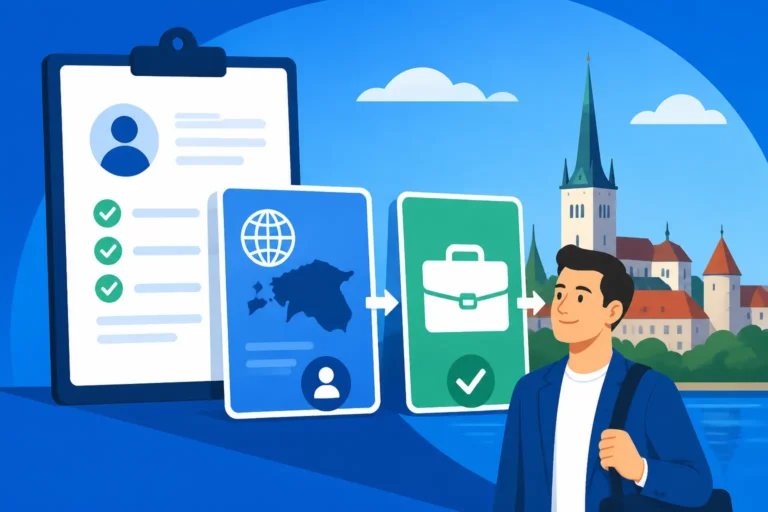
How Do I Find Finance Jobs in Tallinn?
Landing a finance job in a new country like Estonia can feel like navigating a dense forest without a map. You know Tallinn has a growing financial sector, but actually finding those coveted positions, especially ones friendly to international talent, often presents a unique set of challenges. This comprehensive guide is here to walk you through the specifics of finding finance jobs in Tallinn, detailing where to look, what to expect, and how to best position yourself for success in this dynamic Baltic hub.
Understanding Estonia's Financial Landscape
Estonia might be famous for its e-governance and startup scene, but don't sleep on its robust and evolving financial sector. While it's not a global financial superpower like London or New York, Tallinn is home to a surprisingly vibrant and modern financial services industry, largely driven by its digital-first approach and a strategic location that bridges East and West. For expats, understanding this unique ecosystem is the first step to finding your niche.
Key Financial Sectors in Tallinn
When you think finance in Tallinn, it’s not all about traditional banking in the towering glass buildings of Maakri. While banking certainly plays a significant role, the landscape is much broader, offering diverse opportunities. You’ll find strong representation in areas like financial technology (FinTech), which is a natural fit for Estonia’s tech-savvy environment. Many companies are pushing boundaries in payment processing, digital banking solutions, and blockchain applications. Investment management and asset management firms are also growing, serving both local and international clients. Beyond that, the country's position as a gateway to the Nordic and Baltic markets means there's a constant need for professionals in treasury, risk management, and compliance, especially with the increasingly stringent EU regulations. Don’t overlook the insurance sector either, which is surprisingly dynamic and innovative here.
Major Players and Companies
Tallinn is home to both local giants and a good number of international branches. The banking sector is largely dominated by Nordic banks like Swedbank and SEB, which have a massive presence here and often look for English-speaking talent for various roles, from customer service to complex financial analysis. LHV Pank is Estonia's largest domestic bank and a significant player in the FinTech space, constantly expanding and innovating. These larger banks frequently post vacancies for roles across their corporate, retail, and investment banking divisions. Beyond traditional banking, companies like Wise (formerly TransferWise) have a massive operational hub in Tallinn, driving innovation in international payments and consistently seeking finance professionals, analysts, and compliance experts. Other notable names include Luminor Bank, part of a pan-Baltic group, and a host of smaller FinTech startups and investment funds that are always on the lookout for fresh talent. It's worth keeping an eye on these specific companies' career pages, as many prefer to recruit directly.
The Role of English and Estonian Language Skills
This is often the million-dollar question for expats, isn't it? The good news is that English is very much the lingua franca in Tallinn's financial and tech sectors. Most major banks, FinTech companies, and international firms operate internally in English, especially for higher-level or specialized roles. Meetings, emails, and daily communication often happen seamlessly in English, so you absolutely can find excellent opportunities without speaking a word of Estonian initially. Many job descriptions explicitly state "fluency in English required," sometimes with "Estonian language skills a plus."
However, and this is where realism kicks in, making an effort to learn Estonian will always put you at an advantage. Even basic proficiency can significantly improve your daily life, help you integrate socially, and demonstrate a long-term commitment to living and working in Estonia. For client-facing roles, or positions requiring interaction with local regulatory bodies, Estonian might quickly become a requirement. For those aiming for leadership positions or a truly long-term career in Estonia, learning the language is almost essential. Resources like iTalki offer fantastic one-on-one lessons with native speakers, which can be invaluable for cultural immersion and daily life communication, not just for work. It shows initiative, and Estonian employers truly appreciate that.
Where to Look for Finance Opportunities
The job hunt itself in Estonia requires a slightly different approach than you might be used to. It's not just about firing off CVs into the ether; it’s about strategic searching and leveraging various platforms. Tallinn's job market, while modern, still values networking and direct approaches.
Online Job Boards and Professional Networks
Your first port of call should definitely be online. There are several popular job boards where Estonian companies, including those in finance, post their vacancies.
- Work in Estonia: This is an excellent starting point, specifically designed for international talent looking for jobs in Estonia. They aggregate listings from various companies and often have a strong focus on roles where English is sufficient.
- LinkedIn: Unsurprisingly, LinkedIn is a powerhouse for professional networking and job searching everywhere, and Estonia is no exception. Make sure your profile is up-to-date, highlights your finance experience, and clearly states your interest in roles in Tallinn. Many companies, especially international ones, post directly here. Engage with finance professionals and companies in Estonia on the platform.
- CV-Online and CVKeskus: These are the two largest local job portals in Estonia. While many listings will be in Estonian, you’ll find a significant number of English-language finance roles, especially for larger companies and international branches. Don't be shy about browsing these; often, the job title and requirements will quickly tell you if it's an English-friendly position.
- Glassdoor and Indeed: These international platforms also list jobs in Tallinn, sometimes mirroring what's on local sites, sometimes offering unique postings from global companies with a local presence.
When using these platforms, be diligent with your search terms. Don't just type "finance jobs." Try "financial analyst Tallinn," "risk management Estonia," "accounting specialist English," "treasury jobs Estonia," or even "FinTech Tallinn."
Recruitment Agencies Specialising in Finance
For many expats, a good recruitment agency can be a game-changer. These agencies often have established relationships with companies and can fast-track your application, especially if you have niche skills. They understand the local market and can help you tailor your CV and interview approach.
Some prominent recruitment agencies in Tallinn that frequently handle finance roles include:
- Talentor Estonia: A well-known executive search and recruitment firm that often handles mid to senior-level finance positions.
- CGI Estonia: While also an IT consultancy, they often recruit for financial roles within their own company and for clients, especially those with a strong tech component.
- Manpower Estonia: A global presence, Manpower often has a good selection of roles, including temporary and permanent positions in various sectors, finance included.
Don’t hesitate to reach out to these agencies directly. Send them your CV, explain your experience and what you’re looking for. They might have unadvertised positions or be able to advise you on current market demand. This direct contact is often more effective than just applying to general listings on their websites.
Direct Company Websites and Networking Events
Sometimes, the best jobs aren't advertised widely. Many companies, especially smaller FinTechs or specialized investment funds, prefer to post vacancies directly on their "Careers" pages. Create a list of companies you're interested in (the major players mentioned earlier, plus any niche firms you discover) and regularly check their websites.
Networking is also incredibly important, even in a digital society. Tallinn has a vibrant startup and tech community, which often overlaps with FinTech. Look for events, meetups, and conferences. Platforms like Meetup.com and Eventbrite often list professional gatherings. Keep an eye out for events organized by the Estonian Business School or the [University of Tartu] that might bring industry professionals together. While direct finance-specific meetups might be less frequent than tech ones, attending related tech or business events can still put you in touch with people who work in finance roles within those companies. Don't underestimate the power of a casual conversation leading to an introduction! Building your local network is key.
Crafting Your Application for the Estonian Market
So, you’ve found some promising leads. Now, how do you make sure your application stands out in the Estonian context? It’s not just about translating your CV; it's about understanding local expectations and regulatory needs.
Tailoring Your CV and Cover Letter
Estonian employers, like many in Europe, appreciate a concise, clear, and professional CV. Typically, a two-page CV is sufficient.
- Highlight Relevant Experience: Emphasize any international experience, particularly if it aligns with EU regulations or global financial standards. If you've worked with diverse teams or in a multicultural environment, definitely point that out.
- Quantify Achievements: Don't just list responsibilities; showcase your impact. "Managed a portfolio" is less impactful than "Managed a €X million portfolio, achieving Y% growth."
- Education and Certifications: Clearly list your educational background, including degrees and relevant professional certifications (CFA, ACCA, FRM, etc.). These carry significant weight in the finance sector.
- Skills: Be specific about your technical skills (e.g., financial modeling, data analysis tools like Python/R, specific trading platforms, accounting software) and language proficiencies.
- Cover Letter: This is your chance to tell your story. Explain why you want to work in Estonia and for that specific company. Generic cover letters often fall flat. Research the company, mention their recent projects or values, and connect them to your skills and aspirations. Briefly address any potential questions about your visa status or willingness to relocate.
Generally, a photo on your CV is optional but common in Estonia. Including your date of birth is also common but not strictly necessary unless requested.
Understanding Salary Expectations and Compensation
This is a crucial aspect for any expat considering a move. Tallinn’s salaries in finance can be competitive, especially in niche areas like FinTech or for experienced specialists. However, they might not always match the rates of major financial hubs like London or Frankfurt. It’s vital to do your research. Sites like Glassdoor or LinkedIn Salary Insights can offer a rough guide, but they might not always have extensive data specifically for Tallinn.
When you're looking at job offers, it’s not just the gross salary that matters – you’ll need to factor in taxes and social contributions, which can be quite different from your home country. Estonia has a flat income tax rate, but understanding the full picture of your net income after social tax, unemployment insurance, and pension contributions is essential. Resources like The Complete Guide to Taxes in Estonia for Expats (2027) or even specialized services like Taxes for Expats can really help clarify your net income and understand the cost of living. Don't be afraid to ask about the full compensation package, including benefits like health insurance, pension contributions (Estonia has a Understanding the Funded Pension (II Pillar) for Workers in Estonia), and any relocation assistance, especially for more senior roles. It's perfectly acceptable to inquire about the salary range early in the recruitment process to ensure alignment.
Navigating Visa and Work Permit Requirements
For non-EU/EEA citizens, this is probably the biggest hurdle. You absolutely need to understand the immigration requirements. Generally, if you're a non-EU citizen, you'll need a work permit and a residence permit. The good news is that if an Estonian company offers you a job, they are usually quite experienced in sponsoring these permits.
- Employer Sponsorship: Most commonly, your employer will initiate the process for your work permit and help you apply for a temporary residence permit based on employment. This is crucial because it often requires the employer to prove that they couldn't find a suitable candidate from within Estonia or the EU/EEA, though there are exemptions for 'top specialists' or high-salary positions.
- Digital Nomad Visa (DNV): If you're currently freelancing or working remotely for a foreign company, the Estonian Digital Nomad Visa might allow you to relocate to Estonia first. However, if your intention is to work for an Estonian company, a traditional work and residence permit is usually the pathway. Keep in mind that for the DNV, your income requirements are specific.
- Key Documents: Be prepared to provide a clean criminal record certificate, proof of adequate health insurance (often mandatory for the visa/permit process – see Health Insurance in Estonia: Mandatory, Private and Travel Options Explained), and proof of sufficient funds to support yourself during the initial period. The process can take several weeks to a few months, so patience is key. Start familiarizing yourself with The Complete Guide to Estonian Residence Permits for Expats (2027) as early as possible.
Don't wait until you have a job offer to think about this. Research the process for your specific nationality and be clear with potential employers about your status and needs.
Preparing for Success in Tallinn's Finance Scene
Getting the job is one thing; thriving in it is another. Estonia has a unique professional culture that, while modern and international, still has its nuances.
Language Skills and Cultural Nuances
As mentioned, English will get you far professionally, but personal integration benefits hugely from learning Estonian. Beyond the language, understanding Estonian professional culture is beneficial.
- Directness and Efficiency: Estonians tend to be direct and to the point in communication. Small talk is less common than in some other cultures. Meetings are usually efficient and goal-oriented.
- Digital First: Embrace the digital way of life. Estonia prides itself on its e-services. You'll use systems like Digilugu for healthcare and e-MTA for taxes. Being comfortable with digital platforms is a huge plus.
- Work-Life Balance: While dedicated, Estonians value their free time. Expect a healthy work-life balance, with less pressure for late-night office hours than in some other financial centers.
- Teamwork and Independence: There's a strong emphasis on individual responsibility and independence, but also a collaborative spirit within teams.
- Continuous Learning: The finance sector, especially FinTech, is rapidly evolving. Showing an eagerness to learn new technologies and adapt to changes will be highly valued.
Continuous Learning and Professional Development
The financial world doesn't stand still, and Estonia's finance sector, with its tech-driven innovations, is no exception. To remain competitive and attractive to employers, especially as an expat, continuous learning is crucial.
- Industry Certifications: Maintaining or pursuing additional certifications like CFA, ACCA, FRM, or CAMS can significantly boost your profile. Many Estonian financial institutions value these global standards.
- Tech Skills: Even in traditional finance roles, a basic understanding of data analytics, cybersecurity, or even blockchain technology is increasingly important. Look for online courses or local workshops that can help you upskill in these areas.
- Regulatory Knowledge: Staying abreast of EU financial regulations (MiFID II, GDPR, AML directives) is paramount, as Estonia, being an EU member, adheres strictly to these. Showing proactive engagement with these topics can set you apart.
- Estonian Specifics: Learn about the local financial market peculiarities, the Estonian pension system (Understanding Pension Pillars (I, II, III) in Estonia), and local investment trends. This demonstrates a deeper commitment to your career in Estonia.
Building Your Local Network
Don't just rely on online applications. Actively participate in the finance community.
- Professional Associations: Look for local chapters of international finance organizations or Estonian professional bodies that align with your specialization. Attending their events can open doors.
- Informal Gatherings: Tallinn has a vibrant expat community. Join expat groups on social media or attend their meetups. You never know who might have a connection or insight into the job market.
- Mentorship: Consider seeking out a mentor in the Estonian finance industry. Their guidance can be invaluable for understanding the local landscape and identifying opportunities.
- Meetup Groups and Conferences: As mentioned, keep an eye on industry-specific events. Even if a conference ticket is an investment, the networking opportunities can be priceless. The connections you make here can be as valuable as a stellar CV.
Ultimately, finding a finance job in Tallinn as an expat requires patience, persistence, and a strategic approach. It's a fantastic place to build a career, offering a high quality of life and an innovative professional environment. Embrace the challenge, prepare thoroughly, and you'll soon be thriving in Estonia's financial scene.
| Job Search Platform/Strategy | Best For | Key Benefits for Expats | Considerations |
|---|---|---|---|
| Work in Estonia | All levels | English-focused, specific for international talent | Fewer postings than local sites, not always the most niche roles |
| All levels | Professional networking, direct company posts, global reach | Requires active networking, competition can be high | |
| CV-Online / CVKeskus | All levels | Most comprehensive local listings, direct access to Estonian companies | Many listings in Estonian, requires filtering for English roles |
| Recruitment Agencies | Mid-senior | Access to unadvertised roles, tailored advice, market insights | Can be more selective, commission-based for employer |
| Direct Company Websites | All levels | First access to new openings, specific company fit | Requires proactive research for each company |
| Networking Events | All levels | Personal connections, informal insights, hidden opportunities | Time-consuming, results not guaranteed, requires proactiveness |
Disclaimer
The information provided in this guide is for general informational purposes only and does not constitute professional advice. While we strive to keep the information up-to-date and correct, we make no representations or warranties of any kind, express or implied, about the completeness, accuracy, reliability, suitability, or availability with respect to the website or the information, products, services, or related graphics contained on the website for any purpose. Any reliance you place on such information is therefore strictly at your own risk. It is advisable to consult with relevant professionals (e.g., immigration lawyers, tax advisors, recruiters) for specific advice tailored to your situation.