Can I Open an Estonian Bank Account Without Residency?
Moving to a new country like Estonia often brings a whirlwind of administrative tasks, and right at the top of that daunting list for many expats is figuring out how to manage their money. One of the most common questions, and often a source of significant frustration, is whether you can open an Estonian bank account before you’ve officially established residency here. This guide will walk you through the realistic answer, the hurdles you'll face, and the practical alternatives that will keep your finances flowing smoothly until you're fully settled in this digital nation.
The Blunt Reality: Why Traditional Estonian Banks Say "Ei" (No) to Non-Residents
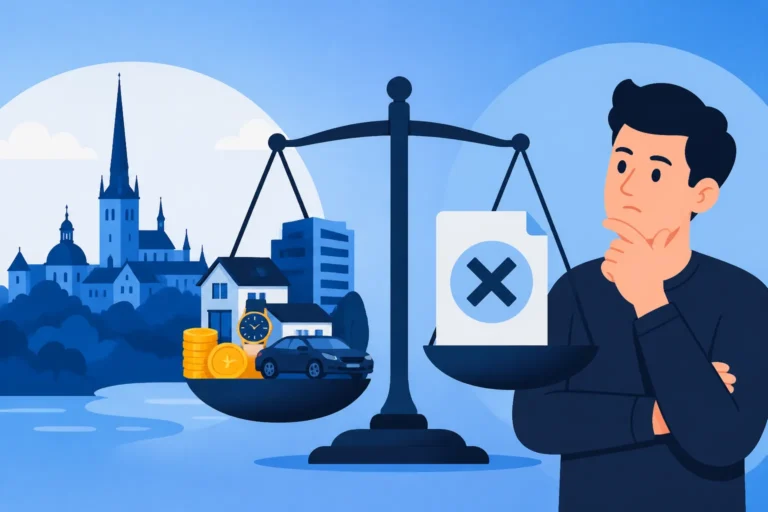
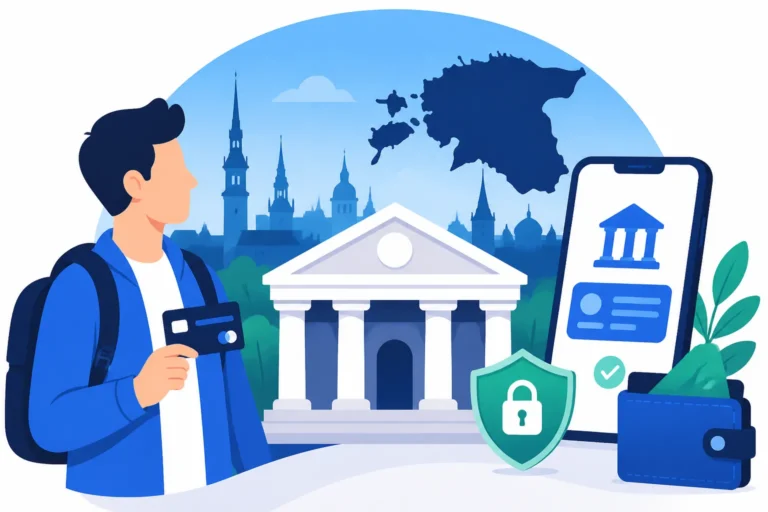
Let's get straight to it: for the most part, traditional Estonian banks (think Swedbank, SEB, LHV, Luminor, Coop Pank) are quite reluctant, if not outright refusing, to open personal current accounts for individuals who do not possess a strong, verifiable link to Estonia. This isn't just Estonian bureaucracy being difficult; it's a reflection of strict global financial regulations that every respectable bank must adhere to.
What "Residency" Truly Means to an Estonian Bank
When an Estonian bank talks about "residency," they're usually looking for more than just you physically being in the country for a few weeks. They want to see official ties that confirm your intent and right to reside here long-term. The golden ticket here is often your Isikukood, your personal identification code, which is issued upon the registration of your place of residence in the Population Register. Without this, and often without proof of a legitimate long-term basis for your stay (like a valid residence permit or an employment contract), you're essentially a stranger in the financial system.
Imagine walking into a branch, passport in hand, explaining you've just arrived and are looking for a job or a place to live. While you might feel like a legitimate future resident, from the bank's perspective, you lack the verifiable local footprint they need. They're looking for stability and an official paper trail that connects you directly to the Estonian system, making it easier for them to fulfill their regulatory obligations and assess your financial risk. This is why simply having an address where you receive mail, or even a rental agreement, often isn't enough without that crucial Population Register entry and an Isikukood to back it up.
The Strict Regulatory Landscape: KYC and AML
Estonia, being a modern EU member state and a financial hub, takes its anti-money laundering (AML) and "Know Your Customer" (KYC) regulations incredibly seriously. These rules are designed to prevent financial crime, terrorism financing, and tax evasion. For banks, this means they have a legal obligation to thoroughly verify the identity of every single customer, understand the source of their funds, and ascertain the purpose of their banking relationship.
When you don't have established residency, a local job, or any other strong tie, this verification process becomes exponentially more complex and risky for the bank. They would have to put in significantly more effort to scrutinize your background, your income streams (especially if they're coming from abroad), and your reasons for needing an Estonian account specifically. Many traditional banks simply aren't willing to absorb that additional risk and administrative burden for a potential customer who might only be in Estonia temporarily or whose financial ties are primarily elsewhere. This isn't about discrimination; it's about adherence to rigorous compliance standards that protect both the financial system and the bank itself from potential illicit activities.
The Chicken-and-Egg Problem: Needing a Bank Account for Life, Needing Life for a Bank Account
This is the classic expat conundrum, isn't it? You arrive in Estonia, eager to get settled. You need a local bank account to receive your salary, pay your rent, cover utility bills, and generally function in society. Yet, when you approach the banks, they tell you that you need an employment contract, a registered address, or even a residence permit to open an account. But how are you supposed to get an apartment or a job that pays into an account if you don't have a local account in the first place?
This Catch-22 situation is incredibly frustrating and something many of us have personally experienced. It forces new arrivals into a temporary state of financial limbo, relying on international cards or cash, which are less convenient and often incur extra fees. The system, while logical from a regulatory standpoint, often overlooks the practical realities of moving and establishing a new life. It’s why many expats feel like they're constantly running in circles during their initial weeks or months here.
Navigating the Digital Frontier: Your Best Bets Without Formal Residency
While traditional banks might feel like a fortress, the good news is that the modern financial landscape offers several excellent alternatives for managing your money in Estonia, especially before you've solidified your official residency. These digital solutions are often designed with international users in mind and can bridge the gap beautifully.
The Rise of Challenger Banks and Fintech Solutions
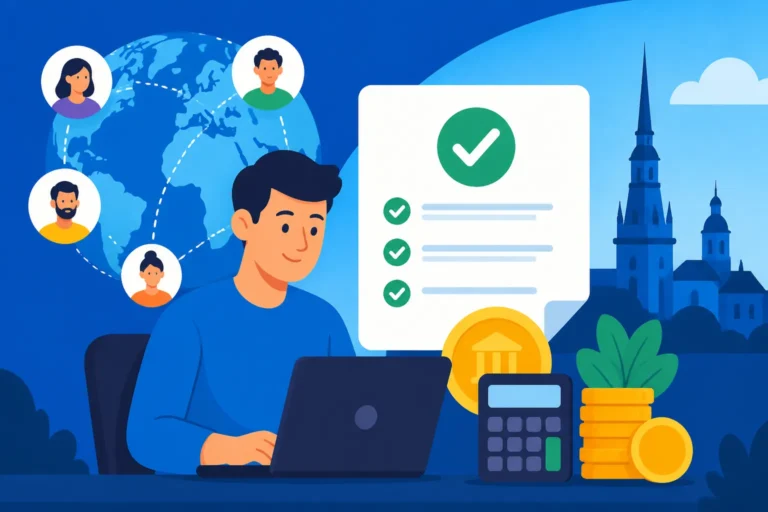
This is where the game truly changes for non-residents. Challenger banks and fintech companies like Wise (formerly TransferWise), Revolut, and N26 have revolutionized cross-border banking. Unlike traditional banks, many of these platforms are built from the ground up to serve a global, mobile clientele. They understand that not everyone has a fixed residence in the country where they need banking services.
The primary advantage of these services is the relative ease of account opening. Often, you can open an account with just your passport or national ID from your home country, and without needing a local address in Estonia or an Isikukood. Wise, for instance, offers a multi-currency account that comes with bank details for several different currencies, including Eurozone IBANs. This means you can receive euros as if you had a local European bank account, even if you’re not an Estonian resident. You can also hold and convert money in dozens of currencies, and often get a debit card that works internationally.
While they might not offer physical branches or every single service a traditional bank provides (like complex loan products), for everyday transactions, receiving salary, and making payments, they are incredibly robust. They provide a vital financial lifeline when you're still navigating the initial residency bureaucracy, allowing you to pay rent, subscribe to local services, and manage your daily expenses without relying solely on expensive international card transactions. They are, without a doubt, the go-to solution for many expats initially arriving in Estonia.
E-Residency: A Business Solution, Not a Personal Banking Passport
A common misconception among foreigners looking to establish ties with Estonia is that obtaining e-Residency automatically grants you the right to a personal Estonian bank account. Let’s clarify this: it doesn't. E-Residency is a brilliant initiative, designed primarily to make it easy for entrepreneurs and freelancers from anywhere in the world to establish and run an Estonian company fully online. It provides you with an Estonian digital identity, allowing you to sign documents, declare taxes for your company, and access various e-services.
However, e-Residency does not grant you personal residency in Estonia, nor does it automatically entitle you to a personal Estonian bank account. Traditional Estonian banks are still bound by the same KYC and AML regulations when it comes to personal accounts, meaning they will still require proof of your physical residency in Estonia or a very strong, demonstrable personal link to the country. While an e-resident's company might find it easier to open a business bank account (often with fintech providers that partner with e-Residency, or even with some Estonian banks if the company has substantial local operations), this is distinct from a personal account. If you happen to be an e-resident who also physically resides in Estonia and has an established business here, then your e-Residency might contribute to your overall profile when applying for a personal account, but it's not the sole determinant. It's crucial to understand this distinction to avoid disappointment.
Prepaid Cards and Other Temporary Fixes
Before you even manage to set up a digital account, or if you're just looking for an extremely short-term solution, there are other temporary fixes. Prepaid debit cards, often available at kiosks or convenience stores in many European countries (though less common for long-term use in Estonia), can serve for basic purchases. However, these usually come with limitations on top-up amounts, withdrawal limits, and often higher fees.
For most new arrivals, continuing to use your existing international debit or credit cards for the first few days or weeks is the most straightforward approach. Just be mindful of potential foreign transaction fees from your home bank. While not ideal for long-term living, these solutions can tide you over until you can set up a more robust digital bank account with a provider like Wise. These temporary measures are truly just that – temporary – and should quickly be replaced by more stable and cost-effective solutions as you get your feet on the ground.
The Path to a Proper Estonian Bank Account: Steps Once You're Settling In
Once you've navigated the initial setup phase and are genuinely establishing roots in Estonia, opening a traditional bank account becomes a much more achievable goal. The key is to demonstrate a clear and verifiable link to the country.
Establishing Your Genuine Link to Estonia
This is the cornerstone of getting a traditional Estonian bank account. The more tangible ties you have to Estonia, the higher your chances of success.
The first and most critical step is getting your Isikukood (Personal Code) and Why It Matters for Healthcare. This unique 11-digit number is your digital fingerprint in Estonia and is required for almost all administrative processes. It links you to the Estonian state and enables various services. Following that, you absolutely must Register Your Place of Residence (Elukoht) in the Population Register. This formal act legally registers your address in Estonia and is the foundation for establishing residency. Without a registered address, banks will be hesitant, as they need to verify a stable local presence for their KYC requirements.
Beyond these foundational steps, having a legitimate reason for being in Estonia is crucial. If you've secured an Estonian employment contract, this is a strong indicator of your long-term commitment. Banks see a local salary as a consistent and verifiable source of funds tied to the Estonian economy, which significantly reduces their perceived risk. Similarly, if you are a student enrolled in an Estonian university, your student status and a valid student visa or residence permit provide a solid basis for your stay. Presenting these documents shows the bank that you are not just a transient visitor but someone with a clear, official purpose for living in Estonia.
Approaching Traditional Banks (Swedbank, SEB, LHV, Coop Pank)
Once you have your Isikukood, your registered address, and ideally a job or student status, you are in a much stronger position to approach the major Estonian banks. You’ll want to gather all the necessary documentation meticulously before you head to a branch. Typically, you will need:
- Valid identification: Your passport or EU/EEA national ID card.
- Estonian Isikukood: As mentioned, this is non-negotiable for most.
- Proof of address: A document confirming your registered address in the Population Register. Sometimes a rental agreement or utility bill in your name can also support this, but the Population Register entry is paramount.
- Proof of income/purpose of account: An employment contract with an Estonian company, a letter from your university confirming enrollment, or documentation related to your legal basis for residency (e.g., residence permit details).
- Residence permit (if applicable): Non-EU/EEA citizens will need to show their valid Estonian residence permit.
- Completed application form: These can often be started online, but usually require a physical signature in branch.
It's important to remember that even with all these documents, opening an account still involves the bank's discretion. Each bank, whether it's Swedbank, SEB, LHV, or Coop Pank, has its own internal policies, and some might be more stringent than others. It's advisable to check their specific requirements online or via customer service before visiting. Be prepared for a conversation where they might ask about your financial history, the source of your funds, and your reasons for needing an account in Estonia. Patience and thorough documentation are your best allies in this process. For a more detailed walkthrough, you can consult The Expat Guide to Opening a Bank Account in Estonia or How to Open a Bank Account at an Estonian Bank as a Foreigner.
Essential Considerations for New Account Holders
Congratulations, you've successfully opened your Estonian bank account! Now, it's time to make the most of it. One of the first things you'll do is How to Set Up Online Banking and Payments in Estonia. Estonia is a highly digital society, and almost all your banking will be done online or through a mobile app. Familiarize yourself with the interface, learn how to make payments, set up direct debits for bills, and manage your debit card. You'll likely receive a debit card shortly after opening your account, which will be essential for daily transactions.
Be aware of any monthly maintenance fees for your account, as these vary between banks and account types. While Estonia prides itself on its digital efficiency, it's also worth noting that some older services or very specific transactions might still incur fees. Ensure you understand these terms upfront. Finally, making your new Estonian bank account your primary financial hub for local transactions is highly recommended. It simplifies receiving your salary, paying local bills, and integrating into the Estonian financial system, making your daily life much smoother.
Financial Management Beyond Basic Banking in Estonia
Getting your initial banking sorted is a huge step, but the financial journey in Estonia often involves more than just a basic current account. Understanding broader financial management, especially for those with international ties, is key to thriving here.
Seamless International Money Transfers
Even after you've secured a traditional Estonian bank account, the need for international money transfers will likely remain, whether it's sending money back home, receiving funds from clients abroad, or handling payments in different currencies. This is where fintech services like Wise continue to be invaluable. While Estonian banks offer international transfer services, Wise often provides more competitive exchange rates and lower fees, especially for frequent transfers or for handling multiple currencies. Their transparent fee structure and mid-market exchange rates can save you a significant amount over time.
Think about it: if your family needs to send you money from their home country, or you're getting paid by an overseas client, using a service like Wise to receive those funds into your Estonian bank account (or directly into your Wise multi-currency account) can bypass layers of fees and poor exchange rates often imposed by traditional banking networks. It's a fantastic tool to have in your financial arsenal, even when you're fully integrated into the Estonian banking system. For more information on this, check out How to Transfer Money Internationally from an Estonian Account.
Understanding Your Tax Obligations from Day One
Navigating the financial world in a new country isn't just about bank accounts; it's also fundamentally about understanding your tax responsibilities. As soon as you begin earning income or spend a significant amount of time in Estonia, you'll need to consider your Understanding Tax Residency Rules for Expats in Estonia. Even if you're managing your finances through a foreign or digital bank account initially, your income and presence in Estonia have tax implications. The Estonian Tax and Customs Board (Maksu- ja Tolliamet) cares about where you earn your money and where you are deemed a tax resident, not just which bank you use.
This is where seeking advice tailored to expats can be crucial. Companies specialising in Taxes for Expats often provide services that help individuals understand their specific obligations, whether it's income tax, social tax, or reporting foreign income. Being proactive about understanding your tax status from the moment you arrive, even before you have an Estonian bank account, will save you headaches down the line. A comprehensive resource on this topic is The Complete Guide to Taxes in Estonia for Expats (2027).
The Importance of a Long-Stay Visa or Residence Permit
For many non-EU/EEA citizens, the ability to reside and work in Estonia long-term is directly tied to a Understanding the Long-Stay (Type D) Visa for Estonia or a residence permit. These documents are not just bureaucratic necessities; they are the foundation upon which you build your life here, including your financial stability. A valid visa or permit demonstrates to all official bodies, including banks, that you have a legal right to be in the country for an extended period.
Whether you're moving to Estonia on a work visa, a student visa, or even the increasingly popular How to Get Estonia's Digital Nomad Visa: The Full Guide (2027), these documents are your proof of legitimacy. They significantly strengthen your application for a traditional bank account, as they solidify your status as a genuine resident (or long-term visitor with clear intent) rather than a short-term tourist. Without these, securing any long-term financial service in Estonia becomes an uphill battle.
Comparison: Traditional Estonian Banks vs. Digital Fintech Platforms for Non-Residents
To help illustrate the differences and guide your choices, here's a handy comparison of traditional Estonian banks and popular digital fintech platforms like Wise, specifically for non-residents.
| Feature / Service | Traditional Estonian Banks (e.g., Swedbank, SEB, LHV) | Digital Fintech Platforms (e.g., Wise, Revolut) |
|---|---|---|
| Ease of Opening (Non-Resident) | Very Difficult (requires strong local ties: Isikukood, registered address, job/study) | Easy (often requires only foreign ID and proof of address in any supported country) |
| Required Documents | Passport, Isikukood, registered address, employment/study proof, residence permit (non-EU) | Passport/National ID, proof of address (often from home country) |
| Local Estonian IBAN | Yes, a direct Estonian IBAN (EE prefix) | Yes, for Eurozone (LT/BE/DE prefix usually, but functions identically to EE) |
| Physical Branches | Yes | No (online-only) |
| Debit Card Availability | Yes (linked to Estonian account) | Yes (linked to multi-currency account) |
| Multi-Currency Accounts | Limited, often involves foreign currency accounts with fees | Extensive, supports many currencies, easy conversion |
| International Transfers | Yes, via SWIFT (can be slower, higher fees, poorer rates) | Yes, fast, transparent fees, mid-market rates |
| Loans & Mortgages | Yes (for eligible residents) | No |
| E-Residency Integration | No direct personal banking benefit, but helps for business accounts if local operations | Often partners for e-resident business accounts, not personal |
| Initial Use Case | Long-term, fully integrated financial management | Initial settlement, cross-border payments, daily spending before residency |
Disclaimer
The information provided in this guide is intended for general informational purposes only and does not constitute financial, legal, or immigration advice. While we strive to keep the information up-to-date and accurate, regulations and banking policies in Estonia can change. It is always recommended to consult with official institutions, financial advisors, or legal professionals for advice tailored to your specific situation. Reliance on any information in this guide is solely at your own risk.