How to Choose the Best Bank for Expats in Estonia
Oh, the joy of setting up your life in a new country! Moving to Estonia is fantastic, but let's be honest, the administrative hurdles can feel like a gauntlet. One of the first, and often most frustrating, tasks for any newcomer is figuring out how to handle their money – specifically, which bank to choose. It's not just about finding a place to stash your cash; it's about integrating into the local financial system, accessing digital services, and making your daily life actually work. This guide is here to cut through the confusion, offering a deep dive into Estonia's banking options so you can pick the best fit for your unique expat journey.
Understanding the Estonian Banking Landscape for Expats
Navigating the financial world in a foreign country can be a bit like walking into a labyrinth blindfolded. Estonia, despite its digital prowess, has its own quirks when it comes to banking, especially for those of us who weren't born here. You'll find a mix of well-established traditional banks and a growing number of digital alternatives, each with its own pros and cons. It’s crucial to understand these players before you even think about opening an account.
The Big Players: Swedbank, SEB, LHV, and Coop Pank
When you first arrive in Estonia and start asking about banks, these four names will inevitably pop up. They are the titans of Estonian banking, and for good reason. They offer comprehensive services, have wide branch networks (though less relevant for daily operations in digital Estonia), and are generally considered reliable.
Swedbank and SEB are Nordic giants with a strong presence in the Baltics. They offer a full spectrum of services, from basic current accounts to mortgages and investment products. For expats, this often means they have more experience dealing with international clients and frequently offer robust English language support, both in-branch and through their online platforms. Their online banking interfaces are generally user-friendly, and they are well-integrated into Estonia's digital society, meaning your bank ID will work seamlessly with most e-services. However, sometimes their processes for new expat customers can feel a bit rigid, requiring specific documentation or a clear "tie to Estonia" beyond just existing here. This is a common frustration, but it's largely due to anti-money laundering regulations, not a personal slight against you!
LHV Pank, on the other hand, is Estonia's largest domestic bank. It has a very modern, digitally-focused approach that often appeals to younger expats and those working in the tech sector. LHV prides itself on being innovative and is generally very welcoming to foreigners, often having more flexible requirements for account opening compared to the more conservative Nordic banks. Their customer service is often lauded for being quick and efficient, with strong English support. They also offer competitive investment opportunities, which can be a plus if you're planning a long-term stay and thinking about your financial future here, perhaps even considering your Understanding Pension Pillars (I, II, III) in Estonia.
Then there's Coop Pank, a more recent entrant into the mainstream banking scene, evolving from a cooperative retail network. While perhaps less internationally recognized, it's quickly gaining popularity, offering competitive rates and a growing network. They tend to have a strong focus on local communities and are integrating their banking services with their grocery store network, which can be quite convenient. For expats, they might offer a slightly different feel than the global giants, sometimes with a more personal touch, but their expat services are still developing compared to Swedbank, SEB, or LHV.
Smaller Banks and Neobanks: Niche Options and Digital Alternatives
Beyond the big four, you'll find other options that might cater to more specific needs or offer a different banking experience entirely. Luminor, for example, is another large Baltic bank that emerged from the merger of Nordea and DNB's Baltic operations. They are a significant player, offering comprehensive services similar to Swedbank and SEB, and generally have good English support. TBB Pank is a smaller, more specialized Estonian bank, often catering to businesses or offering specific savings products, and might be less immediately visible for typical expat needs.
However, the real game-changers for many expats are the neobanks and digital solutions. Companies like Revolut and Wise (formerly TransferWise) have become incredibly popular. While they don't offer traditional physical bank accounts in Estonia in the same way Swedbank or LHV do, they provide excellent multi-currency accounts, debit cards, and, crucially, very cost-effective international money transfers. For someone who needs to manage money across different currencies or frequently send money back home, a platform like Wise is often a lifesaver, cutting down on the exorbitant fees traditional banks might charge. It's a fantastic solution for managing your day-to-day international finances, often serving as a primary account for those new to Estonia who might still be trying to secure a traditional local bank account. These platforms are particularly useful for those still navigating the initial phases of getting settled, perhaps even before they have their How to Get Your Isikukood (Personal Code) and Why It Matters for Healthcare. They won't replace a fully functional Estonian bank account for all purposes, like receiving certain local payments or applying for local credit, but they certainly bridge a significant gap.
Key Considerations When Choosing Your Estonian Bank
Making an informed decision about your bank isn't just about picking the biggest name. For expats, there are several critical factors that often differ significantly from what locals might prioritize. Understanding these nuances can save you a lot of headaches down the line.
Account Opening Requirements and Process
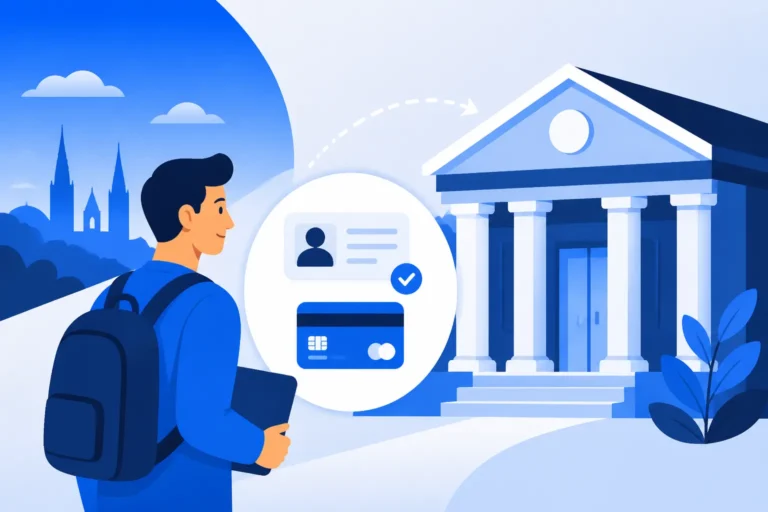
Ah, the infamous account opening process! This is where many expats hit their first real wall in Estonia. Unlike some countries where you can walk into a bank, show your passport, and walk out with an account, Estonia is much stricter, especially for non-residents. You'll almost certainly need your personal identification code (Isikukood), which is paramount for virtually all administrative tasks in Estonia, including banking. Beyond that, banks will typically ask for your passport, proof of address in Estonia, and often a clear demonstration of your "tie to Estonia." This "tie" can be an employment contract with an Estonian company, a residence permit, or a lease agreement. Without a solid connection, expect a more challenging time.
For most traditional banks, a personal visit to a branch is still a requirement. Even if you've done everything online, they'll want to see your face and verify your documents in person. This can be a bit of a trek if you're not in Tallinn or Tartu, and it means scheduling an appointment, which can sometimes take a few days or even a week during busy periods. Don't be surprised if they ask a lot of questions about your source of income, your purpose for opening the account, and your future plans in Estonia. This isn't meant to be intrusive; it's part of their due diligence to comply with Know Your Customer (KYC) and anti-money laundering regulations. Be prepared, be patient, and bring every document you can think of. For a deep dive into this, check out our guide on The Expat Guide to Opening a Bank Account in Estonia.
Fees, Charges, and Everyday Banking Costs
No one likes unexpected fees, and they can really add up, especially if you're not aware of them. Estonian banks, like banks worldwide, have various charges you need to be mindful of. A common one is the monthly account maintenance fee. While often quite low (a few euros), it's a consistent drain on your funds. It’s worth checking if these fees are waived under certain conditions, like maintaining a minimum balance or having your salary paid into the account.
ATM withdrawal fees can also vary, particularly if you're withdrawing cash from a machine not owned by your bank. While major banks often have agreements for free withdrawals within their networks, using other banks' ATMs might incur a small charge. For international transfers, this is where the costs can really sting. Traditional banks often charge a fixed fee plus a percentage for currency conversion, and their exchange rates might not be the most favorable. This is precisely why platforms like Wise have become so popular among expats – they offer much more transparent and typically lower fees for sending money across borders, making it an excellent alternative if you're frequently dealing with foreign currencies or need to send funds back to your home country. Understanding these costs is crucial; otherwise, a significant portion of your hard-earned money could disappear into banking fees. We break down the specifics in How Much Does an Estonian Bank Account Cost Per Month?.
Online Banking and English Language Support
In Estonia, digital is king, and banking is no exception. A robust, user-friendly online and mobile banking experience isn't a luxury; it's a necessity. You'll use your bank's online platform for everything from paying bills (which are often e-invoices sent directly to your bank) to checking your balance, applying for services, and managing investments. Therefore, having an online banking system that is fully functional in English is paramount. All the major banks – Swedbank, SEB, LHV, and Luminor – offer excellent English versions of their online and mobile banking apps. This makes managing your finances far less intimidating when you don't yet speak fluent Estonian.
Beyond the interface, consider the availability and quality of English-speaking customer support. Can you easily reach someone by phone or chat who can answer your questions in English? For many expats, this is a non-negotiable. While most bank staff in major cities, especially Tallinn, will speak English, it's good to know that dedicated English support lines exist. This ensures that if you run into an issue, you won't be left stranded trying to explain complex financial matters in a language you're still learning. This also extends to the digital authentication methods, like Smart-ID or Mobile-ID, which are deeply integrated into Estonian online banking. Ensure your chosen bank seamlessly supports these digital IDs for all your transactions and government e-services. For more on the digital side, see our guide on How to Set Up Online Banking and Payments in Estonia.
Specific Services and Features Important for Expats
As an expat, your banking needs might go beyond simple transactions. You might be sending money home, looking to buy property, or trying to integrate fully into Estonia's digital ecosystem. The right bank can facilitate these processes, while the wrong one can make them a nightmare.
International Transfers and Foreign Currency Exchange
For many expats, regularly sending money home or receiving payments from abroad is a fact of life. This is where the efficiency and cost-effectiveness of international transfers become a major deciding factor. While traditional Estonian banks can certainly facilitate these transfers, their exchange rates and associated fees might not always be the most competitive. Banks often add a hidden margin to the exchange rate, in addition to charging a transaction fee. These costs can quickly eat into your funds, especially with frequent or large transfers.
This is where specialist services truly shine. Platforms like Wise were built precisely to address this pain point for international users. They offer mid-market exchange rates (the real rate you see on Google) and transparent, upfront fees, often significantly lower than traditional banks. Many expats use an Estonian bank for their local salary and bill payments, but rely on Wise for all their international money movements, effectively getting the best of both worlds. It’s an ideal solution for those needing to regularly convert euros to another currency, or vice-versa, without breaking the bank. Don't forget to consider this when looking at the overall financial picture, including implications for your The Complete Guide to Taxes in Estonia for Expats (2027). For further reading on this, check out How Do I Transfer Money Internationally from an Estonian Account.
Loans, Mortgages, and Investment Opportunities
Once you're settled and thinking about a longer stay, you might start considering larger financial commitments, such as buying property or making investments. This is where the services of a full-fledged local bank become essential. Getting a mortgage in Estonia as a foreigner, especially a non-EU citizen, can be challenging but not impossible. Banks will typically require a stable income, a significant down payment, and a clear history of residence and employment in Estonia. They'll also scrutinize your credit history, which can be tricky if most of it is from another country. Swedbank, SEB, and LHV are the main players for mortgages, and it's advisable to speak directly with their lending specialists, as expat situations often require more personalized assessment. For a comprehensive guide, check out How Do I Get a Mortgage from an Estonian Bank as a Foreigner?.
Beyond loans, if you're planning to build wealth or save for retirement in Estonia, you'll want access to investment products. Estonian banks offer various options, from basic savings accounts and time deposits to more complex investment funds and brokerage services for stocks and bonds. They can also guide you through the intricacies of Estonia's pension system. For long-term expats, understanding how to integrate your personal finances into the Estonian system, including potential investments, is crucial. It’s worth researching which banks offer the best platforms and advice for foreign investors, and whether they can easily report your gains for Understanding Capital Gains Tax in Estonia.
Digital ID and E-Services Integration
Estonia is famous for its e-governance, and your bank account plays a pivotal role in this digital ecosystem. Your Estonian bank ID (whether it’s Smart-ID, Mobile-ID, or the ID card reader-based login) is not just for banking; it's your key to accessing almost all public and many private e-services. This includes logging into the e-Tax Board (e-MTA), the healthcare portal (Digilugu), checking your pension fund status, signing documents digitally, and even voting online. Without a local bank ID, many of these incredibly convenient services become inaccessible, making your life significantly more cumbersome.
Therefore, when choosing a bank, ensure they provide seamless integration with these digital identification methods. All the major Estonian banks do, but it's important to understand how to set them up. Often, you'll need to link your bank account to your Mobile-ID or Smart-ID during the account opening process or shortly thereafter. This integration is a huge benefit of having a local bank account over relying solely on international digital solutions. It's truly what makes daily life in Estonia so smooth once you're set up.
Navigating the Application Process and Common Hurdles
It’s easy to feel overwhelmed when applying for a bank account as an expat. The process isn't always straightforward, and you might encounter hurdles that locals simply don't face. But armed with the right information and a bit of persistence, you can successfully navigate it.
Required Documents and Proving Your Ties to Estonia
Let's reiterate: having an Isikukood (personal code) is usually the absolute baseline. If you don't have one yet, your banking options are extremely limited, often restricted to specific neobanks or a few very specific branches that cater to temporary residents. Beyond the Isikukood, you’ll typically need:
- Valid Passport/ID Card: Your primary identification.
- Estonian Residence Permit or EU Right of Residence Registration: Proof of your legal right to live in Estonia.
- Proof of Estonian Address: A rental agreement (üürileping) registered with the Population Register, or a document from your employer confirming your address.
- Proof of Income/Employment: An employment contract with an Estonian company, a self-employment registration (FIE or OÜ), or a university acceptance letter for students.
- Purpose of Account: Be prepared to explain why you need an Estonian bank account (e.g., to receive salary, pay bills, buy property).
The "proving your ties to Estonia" part can be nebulous and frustrating. Banks are legally required to assess money laundering risks, and new foreign arrivals, particularly from higher-risk countries, can sometimes trigger extra scrutiny. They want to see a legitimate reason for you to have an account in Estonia. Simply being a tourist or e-resident without a physical presence or a strong economic link often isn't enough for traditional banks. If you have an Estonian job, a long-term rental, and are paying social taxes, you're usually in a strong position. For a complete list, consult What Documents Do I Need to Open a Bank Account in Estonia?.
The "Why Was I Denied?" Dilemma and Alternative Solutions
It's disheartening, but some expats do face initial rejections when trying to open a bank account. It's vital to remember this isn't necessarily a reflection of you; it's often due to strict internal bank policies, risk assessment algorithms, or insufficient "ties to Estonia" as defined by their compliance departments. Common reasons for denial include:
- Lack of Isikukood: As mentioned, this is often a deal-breaker for traditional banks.
- No Permanent Address Registered in Estonia: A temporary Airbnb address typically won't cut it.
- Insufficient Proof of Legitimate Income/Purpose: If your income source is unclear or entirely from outside Estonia without a strong local link, banks can be hesitant.
- "De-risking" policies: Unfortunately, some banks might have blanket policies that make it harder for citizens from certain countries to open accounts, regardless of their individual situation.
If you find yourself in this frustrating situation, don't despair. Firstly, try another bank. Their internal policies can differ. Secondly, consider starting with a digital-first solution like Wise. While not a full Estonian bank account, it allows you to receive and send money in euros, often with an Estonian IBAN, and manage other currencies. This can serve as an excellent temporary solution for day-to-day finances while you strengthen your ties to Estonia (e.g., getting an employment contract, registering your apartment) and then try applying for a traditional bank account again. Remember, even if you can't open a full bank account right away, there are still ways to manage your money effectively. Our article on Can I Open an Estonian Bank Account Without Residency? delves deeper into this.
Bank Comparison Table for Expats
To help you visualize and compare the main options, here’s a quick overview of what you might expect from the prominent banks in Estonia from an expat perspective. Please note that fees and specific services can change, so always verify directly with the bank.
| Feature / Bank | Swedbank | SEB | LHV Pank | Coop Pank | Luminor |
|---|---|---|---|---|---|
| Expat-friendliness (perceived) | Good (established, English support) | Good (established, English support) | Excellent (modern, welcoming) | Growing (local focus) | Good (Baltic presence) |
| English Support | High (online, phone, branches) | High (online, phone, branches) | High (online, phone, branches) | Moderate (growing online, limited branch) | High (online, phone, branches) |
| Typical Monthly Fee (Basic Account) | €0 – €3 | €0 – €3 | €0 – €5 (varies by package) | €0 – €2.5 | €0 – €2 |
| International Transfer Fees (SEPA/SWIFT) | Varies, typically €0.35-€6 + FX margin | Varies, typically €0.35-€6 + FX margin | Varies, typically €0.35-€6 + FX margin | Varies, typically €0.35-€6 + FX margin | Varies, typically €0.35-€6 + FX margin |
| Online/Mobile Banking | Excellent, full English | Excellent, full English | Excellent, full English | Good, full English | Excellent, full English |
| Branch Network | Extensive | Extensive | Fewer, but modern | Growing (often within Coop stores) | Moderate |
| Ease of Account Opening for Non-Residents | Moderate (strong tie required) | Moderate (strong tie required) | Good (more flexible) | Moderate (requires Isikukood, local tie) | Moderate (strong tie required) |
| Digital ID Integration | Full Smart-ID/Mobile-ID | Full Smart-ID/Mobile-ID | Full Smart-ID/Mobile-ID | Full Smart-ID/Mobile-ID | Full Smart-ID/Mobile-ID |
Note: For international transfers, while local banks list low fees, remember to factor in potential currency exchange rate margins. Services like Wise typically offer better overall rates for multi-currency transactions.
Making Your Final Decision: Practical Tips and Expert Advice
Choosing a bank isn't a "one size fits all" scenario, especially for expats whose needs can evolve rapidly. Your ideal bank might depend on how long you plan to stay, your employment status, and your financial habits.
Aligning Bank Choice with Your Expat Journey Stage
Think about where you are in your expat journey. Are you a brand-new arrival, still figuring things out? A digital solution like Wise might be your best first step for managing funds and international transfers, especially if you haven't yet secured a residence permit or an Isikukood. This allows you to hit the ground running without the immediate pressure of opening a traditional bank account.
If you're settling in for the long haul, have secured employment, and have your Isikukood and residence registered, then a traditional Estonian bank becomes essential. For general expat-friendliness and modern services, LHV is often a top pick. If you prefer the stability and extensive network of a larger European bank, Swedbank or SEB are solid choices. If you're a self-employed individual or running an OÜ, LHV is also well-regarded for its business banking services. Your choice might also be influenced by where your employer banks, as sometimes internal transfers within the same bank are faster.
Consider your long-term financial goals as well. Are you planning to buy property? Then comparing mortgage offerings and conditions at Swedbank, SEB, and LHV will be paramount. Are you interested in investing? LHV has a strong reputation for its investment platform. The key is to match the bank's strengths with your personal and financial circumstances.
What to Do If You're Still Struggling
Even with all this information, the process can feel daunting. If you're hitting roadblocks, don't give up! First, try visiting different branches of the same bank, or try different banks entirely. Sometimes, one branch might have a more expat-savvy representative or slightly different interpretation of requirements. It's worth trying a few times.
Secondly, leverage expat communities online. Facebook groups like "Expats in Tallinn" or "Expats in Estonia" are invaluable resources. Many seasoned expats have gone through the same struggles and can offer real-time advice, recommend specific bank contacts, or share their experiences. Just remember that advice varies, and official information should always be confirmed with the bank itself.
Lastly, consider consulting with a local financial advisor or relocation specialist. While there's a cost involved, they can often cut through the red tape, understand the nuances of your situation, and guide you directly to the best banking solutions for your specific needs, potentially saving you a lot of time and frustration. The ultimate goal is to find a banking partner that makes your life easier, not harder. You can get more insights from our detailed comparison, Which Bank Is Best for Expats in Estonia?, and understand the regulatory framework by reading Understanding the Bank of Estonia (Eesti Pank) and Banking Regulation.
Good luck, and welcome to the future of banking in Estonia!
Disclaimer
The information provided in this guide is for general informational purposes only and does not constitute financial, legal, or other professional advice. Banking policies, fees, and requirements in Estonia can change, and individual circumstances vary significantly. Always verify information directly with the respective banks and consult with a qualified professional for personalized advice regarding your specific financial situation.