What Health Services Are Free for Children in Estonia?
Moving to a new country with children always brings a mountain of questions, and healthcare is often at the very top for expat parents. You're probably wondering what will be covered for your little ones in Estonia, fearing unexpected bills or complicated processes. This guide is here to walk you through exactly which health services are free for children in Estonia, explaining how the system works and what to expect so you can breathe a little easier.
Understanding Estonia's Universal Healthcare for Children
One of the biggest reliefs for expat parents in Estonia is understanding that the country has a robust universal healthcare system, and children are generally a priority. This means a significant portion of their medical needs are covered, much like for local Estonian families. It's a system designed to ensure all children have access to essential care, which is a huge comfort when you're navigating life in a new land.
Who is Covered by Tervisekassa?
In Estonia, children under 19 are automatically covered by the Estonian Health Insurance Fund (Tervisekassa) if they are registered residents. This is a crucial point: "registered residents." It means that once you, as a parent, have sorted out your own residency and, importantly, your child’s residence permit and their registration in the Estonian Population Register, they are typically eligible. The process usually hinges on the parent's health insurance status. If you are legally employed in Estonia and paying social tax, your children residing with you will generally fall under the umbrella of your Tervisekassa coverage. This ensures that even if you're fresh off the plane, as long as your paperwork is in order and you've established residency and obtained an isikukood for your child, they should be covered.
It’s not just about being physically present; it's about being officially integrated into the system. You’ll need to make sure you register your family members for health insurance in Estonia, as this is the gateway to unlocking these services. Without this, even with an isikukood, accessing free care might be limited to emergencies, and you could face significant costs. For new arrivals or those still getting their feet wet, travel insurance like SafetyWing can bridge any gaps during waiting periods or initial administrative hurdles. It's always a good idea to have a backup while the Tervisekassa gears up.
The Role of the Family Doctor Perearst in Child Health
The family doctor, or perearst, is truly the cornerstone of child healthcare in Estonia, much like for adults. They act as the primary point of contact and, quite often, the "gatekeeper" to specialist care. For children, this role is even more pronounced. Your perearst will be responsible for almost all routine check-ups, monitoring your child's growth and development, administering vaccinations, and handling initial consultations for any illnesses or minor injuries.
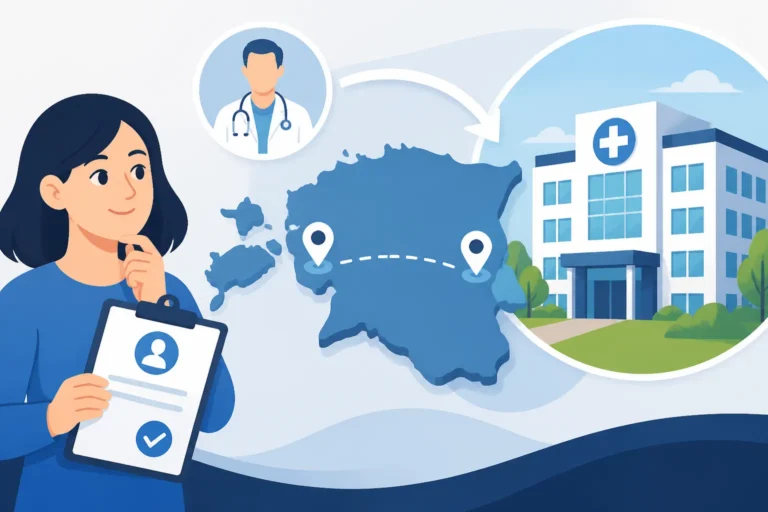
When your child needs to see a specialist, it's typically your perearst who will provide an e-referral (or saatekiri). This referral system ensures that children get to the right specialist at the right time, preventing unnecessary visits and streamlining the process. It also helps manage the flow within the public healthcare system. Finding a family doctor (perearst) in Estonia, especially one who speaks English, is one of the first crucial steps for any expat parent. It’s a relationship you'll want to establish early on, as they'll become intimately familiar with your child's health history and needs, providing that continuity of care we all want for our little ones. Don't be afraid to ask around in expat groups for recommendations – personal experience often trumps any official list.
Key Free Healthcare Services for Children in Estonia
Once your child is properly registered and covered by Tervisekassa, a wide array of essential healthcare services become available to them at no direct cost. This is where Estonia truly shines, offering comprehensive care from birth through adolescence. Knowing exactly what's covered can alleviate a lot of that parental anxiety about budgeting for unforeseen medical needs.
Routine Check-ups and Vaccinations
This is probably one of the most reassuring aspects of child healthcare in Estonia. All routine well-child check-ups, from infancy through adolescence, are completely free of charge. Your perearst will meticulously follow a schedule of visits, monitoring your child's physical development, cognitive milestones, and overall health. These visits are vital for early detection of any potential issues and for ensuring your child is growing up healthy and strong.
Alongside these check-ups, the standard vaccination schedule is also fully covered. Estonia has a national vaccination program that protects children against a wide range of infectious diseases, including measles, mumps, rubella, diphtheria, tetanus, pertussis, polio, and more. These vaccines are administered at your perearst's practice, often during routine check-ups. The nurses there are usually incredibly skilled and gentle, which helps make a potentially daunting experience a bit smoother for both child and parent. It's truly a relief knowing that these preventative measures, so crucial for public health, don't come with a price tag attached.
Specialist Referrals and Hospital Care
Should your child's perearst determine that a specialist is needed – perhaps a paediatrician, an ear, nose, and throat (ENT) doctor, or an ophthalmologist – the referral process is smooth, and the consultations with these specialists are largely covered by Tervisekassa. You typically won't pay for the specialist's visit itself, though there might be a small nominal co-payment fee, usually just a few euros, for the initial visit to some outpatient specialists. These fees are usually capped and are minimal compared to the actual cost of care.
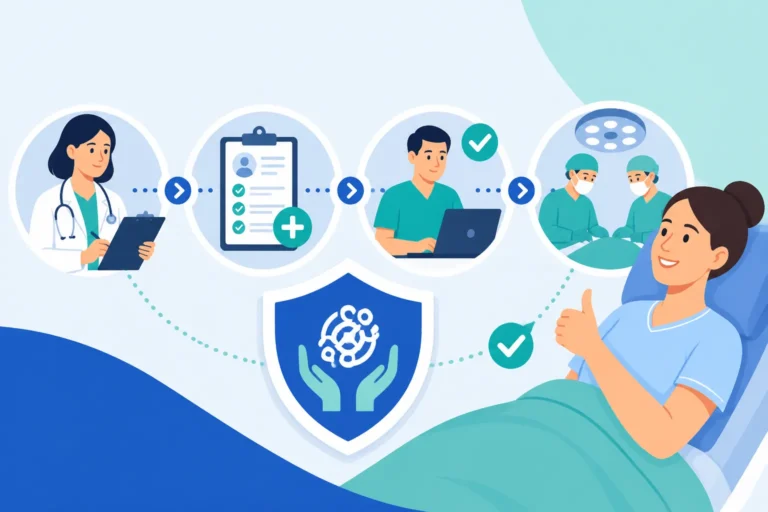
In the unfortunate event that your child needs hospital care, whether it's for an emergency, surgery, or a longer stay, the significant costs associated with inpatient treatment are also covered by Tervisekassa. This includes consultations, diagnostic tests (like X-rays or blood work), medical procedures, and the hospital stay itself. Emergency medical care in Estonia is always provided, regardless of insurance status, but if your child is uninsured, subsequent or non-emergency care can become very expensive. This is another reason why robust health insurance, or at least a short-term plan like SafetyWing for tourists or those awaiting full Tervisekassa coverage, is absolutely vital. Imagine the peace of mind knowing that if your child has an accident or suddenly falls very ill, you won’t be faced with astronomical bills for their hospital treatment.
Dental Care for Children
Ah, the dreaded dentist! But for children in Estonia, it's a bit less daunting on the wallet. Dental care for children up to 19 years of age is largely covered by the Tervisekassa when provided by a dentist who has a contract with the Health Insurance Fund. This means routine check-ups, fillings, extractions, and preventative procedures like fissure sealants are often free.
However, it's important to understand the nuances. While basic treatments are free, more complex procedures or certain types of materials might incur a cost. For instance, orthodontic treatment (braces) is only partially covered, or covered only in cases of severe malocclusion that impacts health, not purely cosmetic reasons. It’s always best to clarify with your child’s dentist what exactly is covered before treatment begins, especially if it seems like a more extensive procedure. Still, the fact that regular check-ups and basic fillings are covered is a massive benefit, encouraging good oral hygiene habits from a young age without financial stress. You can find more specific details by looking into Understanding Dental Care and Adult Dental Benefits in Estonia, which also touches upon the children's provisions.
When Costs Might Arise: What's Not Always Free
While Estonia provides extensive free healthcare for children, it's important to be realistic. There are situations where you might encounter out-of-pocket expenses. Knowing these upfront helps you plan and avoid any unwelcome surprises, which is crucial when living in a new country.
Elective Treatments and Specific Therapies
Not every medical service or therapy falls under the "free" umbrella, especially if it's considered elective, experimental, or not deemed medically necessary through the public system's criteria. For example, while some speech therapy or psychological counseling might be covered if referred by a perearst and provided by Tervisekassa-contracted specialists, extensive or long-term private therapies often come with a cost. This is particularly true for specialized developmental therapies that might not be readily available or fully funded within the public system.
Orthodontics is another common area where costs can arise. While severe cases of malocclusion that affect a child's health might receive some public funding, cosmetic orthodontics – like getting braces purely for aesthetic reasons – will typically be at your own expense. Private clinics, while offering faster access and often a wider range of services or English-speaking staff, will charge for their consultations and treatments. It's a trade-off many expat families consider, balancing cost against speed and convenience.
Medications and Aids
When it comes to prescription medications, the situation in Estonia is a bit nuanced. While you won't pay the full price for most prescribed drugs, they are rarely completely free. Tervisekassa applies a system of reimbursement, meaning you usually pay a co-payment or a percentage of the cost. The reimbursement rates vary (e.g., 50%, 75%, 90%, or 100%) depending on the drug, its necessity, and whether it's on a special list for chronic conditions. For children, many essential medications are highly subsidised.
Over-the-counter medications, like paracetamol for a fever or cough syrup, are generally purchased at full price from an Estonian pharmacy (apteek). Similarly, medical aids such as prescription glasses, hearing aids, or specialized orthopedic devices are usually not fully covered. While there might be some partial reimbursement for certain aids, you should expect to cover a significant portion of these costs yourself. It’s always a good idea to check with your perearst or a pharmacist about the expected cost and potential reimbursement for any prescribed medication or aid.
Emergency Care for Uninsured Children or Tourists
Now, this is a critical point that often causes confusion. If your child has a medical emergency in Estonia, they will absolutely receive care, regardless of their insurance status. The emergency services and hospitals are legally obligated to provide life-saving treatment. However, if your child is not covered by Tervisekassa – perhaps because you’re a tourist, or you're a new resident still awaiting your full coverage to kick in – you will be billed for that emergency care. And trust me, those bills can be eye-wateringly expensive.
This is where having robust travel insurance or specific expat insurance becomes non-negotiable, especially for short-term stays or during those initial few weeks or months after arrival before full Tervisekassa coverage is active. Brands like SafetyWing are specifically designed for digital nomads and travellers, offering a safety net for unexpected medical emergencies when you're abroad or in transition. Do not underestimate the importance of this safety net. A simple broken bone or severe infection could otherwise lead to financial ruin.
Here’s a quick overview of what to expect:
| Service Category | Tervisekassa Coverage for Children (Under 19) | Potential Costs |
|---|---|---|
| Routine Check-ups | Fully Covered | None |
| Standard Vaccinations | Fully Covered | None |
| Perearst Consultations | Fully Covered | None |
| Specialist Consultations | Mostly Covered (with Perearst referral) | Small nominal co-pay for some initial visits |
| Emergency Hospital Care | Fully Covered (if Tervisekassa insured) | Significant costs if uninsured |
| Inpatient Hospital Stays | Fully Covered | None |
| Basic Dental Care | Fully Covered (contracted dentists) | None |
| Prescription Medications | Partially Covered (reimbursement system) | Co-payment or percentage of cost |
| Over-the-Counter Drugs | Not Covered | Full cost |
| Elective Therapies | Not Covered (if not medically necessary or referred) | Full cost |
| Orthodontics (Cosmetic) | Not Covered | Full cost |
| Medical Aids (e.g., glasses) | Partially or Not Covered | Significant portion of cost |
Navigating the System as an Expat Parent
Dealing with healthcare in a foreign country, especially for your children, can feel like trying to solve a Rubik's Cube blindfolded. But with a bit of preparation and understanding, it becomes much more manageable. Estonia’s digital-first approach can be both a blessing and a curse – wonderfully efficient once you’re in, but sometimes a bit opaque at first glance.
Essential Documents and Registration
I cannot stress this enough: paperwork, paperwork, paperwork! To access those free health services for your children, you need to ensure they are properly integrated into the Estonian system. This means that first and foremost, they need an isikukood (personal identification code). This code is their key to the entire digital healthcare infrastructure, including their digital health record (Digilugu) and digital prescriptions (Digiretsept). You'll typically get this when you apply for their residence permit or register their place of residence.
Speaking of residence, your child’s place of residence must be officially registered in the Estonian Population Register. This links them to a specific municipality and, crucially, to the Tervisekassa system. If your child is covered through your employment, ensure that the Population Register information is accurate and that your employer has correctly declared your social tax contributions. Without these foundational steps, even if you’re a tax-paying resident, your child’s Tervisekassa status might remain inactive, meaning you’d be on the hook for costs. So, once you arrive, prioritize registering your address and securing everyone's isikukood. It truly is the gateway to everything.
Language Barriers and Support
One of the biggest anxieties for expat parents is the language barrier, especially when discussing sensitive health issues for their children. While many doctors and medical staff, particularly in Tallinn and Tartu, have a good grasp of English, it’s not a guarantee everywhere, especially outside the main cities. Don't let this deter you, but be prepared.
When booking an appointment for your child, it's perfectly acceptable to ask if there's an English-speaking doctor or nurse available. Sometimes, you might be offered an appointment with a doctor who speaks Russian if that's an option for you. If language is a significant concern, consider bringing a trusted Estonian-speaking friend to appointments or using a translation app for simple exchanges. For non-emergency health advice, the Family Doctor Advice Line (1220) is a phenomenal resource available in both Estonian and Russian, 24/7. While they might not provide English service on this line, having someone translate for you can be invaluable for quick questions. Remember, doctors here are generally very empathetic, and they will do their best to communicate effectively, even if it means resorting to simpler terms or body language.
Disclaimer
Please remember that I am an expat blogger sharing my experiences and insights. While I strive to provide accurate and up-to-date information, healthcare policies and regulations in Estonia can change. Always verify information with official sources such as the Estonian Health Insurance Fund (Tervisekassa), the Police and Border Guard Board (PPA), or a legal professional before making any decisions. This guide is for informational purposes only and does not constitute official medical or legal advice.