How Do I Register for Municipal Waste Services in Estonia?
One of the first, slightly bewildering tasks you'll encounter as a new arrival in Estonia, after the initial whirlwind of settling in, is figuring out the local utilities – and trust me, waste management is often the most confusing of the bunch. It’s not just about finding the right bin; it’s about understanding a system that varies by municipality, is mandatory, and might feel very different from what you're used to back home. This guide is here to untangle the intricacies of municipal waste services in Estonia, providing you with a clear, step-by-step roadmap to get you properly registered and responsibly disposing of your household waste.
Navigating Estonia's Municipal Waste System: What Every Expat Needs to Know
When you first arrive in Estonia, you're hit with a barrage of new information, and often, waste management isn't at the top of your list. But ignore it at your peril! Unlike some places where waste disposal might feel like an optional add-on, in Estonia, participating in municipal waste services is absolutely mandatory for all residents and property owners. This isn't just a suggestion; it's enshrined in local ordinances designed to ensure environmental hygiene, public health, and efficient recycling across the country. Understanding this fundamental principle is your first step.
The Local Principle: Why Waste Management Varies
One of the biggest head-scratchers for expats is that Estonia doesn't have a single, unified national waste management system. Instead, it operates on a "local principle," meaning each of Estonia's 79 municipalities is responsible for organising waste collection within its administrative boundaries. This is where things get interesting, and occasionally, a little frustrating. What's perfectly normal in Tallinn might be subtly different in Tartu, and significantly varied in a smaller rural parish.
This decentralisation means that while the general rules about sorting and mandatory participation are consistent nationwide, the specifics can change. The designated waste collection company, the collection schedule, the types of bins provided, and even the exact categories for sorting recyclables might differ from one municipality to another. For instance, some municipalities might have very frequent collection for mixed waste, while others might offer more nuanced services for biowaste or packaging. This local variation is why relying solely on advice from a friend who lives in a different city might lead you astray. Your first port of call should always be your specific municipality's website or waste department.
Mandatory Services vs. Your Choices
So, what does "mandatory" actually mean here? It means that if you own property or are a long-term resident in a municipality, you are obligated to have a contract with the designated waste management company and participate in their organised collection system. You cannot simply decide to take your waste to another area or burn it (which is, of course, illegal and harmful). This system ensures that waste is collected regularly and processed responsibly, preventing illegal dumping and environmental pollution.
However, "mandatory" doesn't mean you have no choices. While you must use the designated company, you usually have some flexibility regarding service frequency and bin sizes, which directly impacts your costs. For example, if you're a single person producing very little mixed waste but diligently recycling, you might opt for a smaller mixed waste bin collected less frequently. If you're a large family, you'll likely need larger bins and more frequent collections. For those moving to Estonia, whether you're coordinating a large international move and relying on services like Sirelo to handle logistics, or arriving with just a few suitcases, figuring out this local waste system is a necessary part of setting up your new home. This initial flexibility allows you to tailor the service somewhat to your household's actual needs, balancing cost with convenience, within the bounds of municipal regulations.
Step-by-Step: How to Register for Waste Services in Estonia
Registering for waste services might seem like a daunting administrative task, especially in a new country. However, once you understand the steps and what's required, it becomes much more manageable. The key is knowing who to contact and what information you need.
Identifying Your Local Waste Collection Area and Operator
Before you can even think about filling out forms, you need to pinpoint your specific waste collection operator. As mentioned, this is highly localised.
- Confirm Your Municipality: Your residential address dictates your municipality. This might seem obvious, but Estonia's administrative divisions can sometimes be a bit tricky, especially if you're living near a border between two areas. If you've just moved and haven't yet registered your address, that's your absolute first step. You need to officially register your place of residence (elukoht) in the Population Register. You can find a comprehensive guide on how to register your place of residence (elukoht) in the Population Register, which will tie you to your local services.
- Visit Your Municipality's Website: Once you know your municipality, navigate to its official website (usually
[municipality-name].ee). Look for sections related to "jäätmed" (waste), "keskkond" (environment), or "kommunaalteenused" (utility services). These pages will usually list the designated waste collection company or companies for your area. In larger cities like Tallinn or Tartu, there might be different operators for different districts or types of waste. For instance, in Tallinn, the city itself manages the waste collection areas, and specific companies win tenders for these areas. - Identify the Waste Operator: The municipality's website will provide contact details for the waste operator(s) in your area. Common operators include companies like Ragn-Sells, Eesti Keskkonnateenused, or Cleanaway. Take note of their contact information and website.
The Application Process: Documents and Digital Ease
Once you know your operator, it's time to get registered.
-
Gather Necessary Information: You'll typically need:
- Your Isikukood (Estonian Personal ID Code): This is crucial for almost all administrative tasks in Estonia. If you don't have one yet, you need to get it. Understanding how to get your Isikukood (personal code) and why it matters for healthcare (and other services!) is fundamental to life here.
- Your Residential Address: The full, official address of the property.
- Property Ownership Details: If you own the property, you'll need proof of ownership (e.g., Land Register extract). If you're renting, you'll need your rental contract (üürileping).
- Contact Information: Phone number and email address.
-
Contact the Waste Operator: You can generally register in one of a few ways:
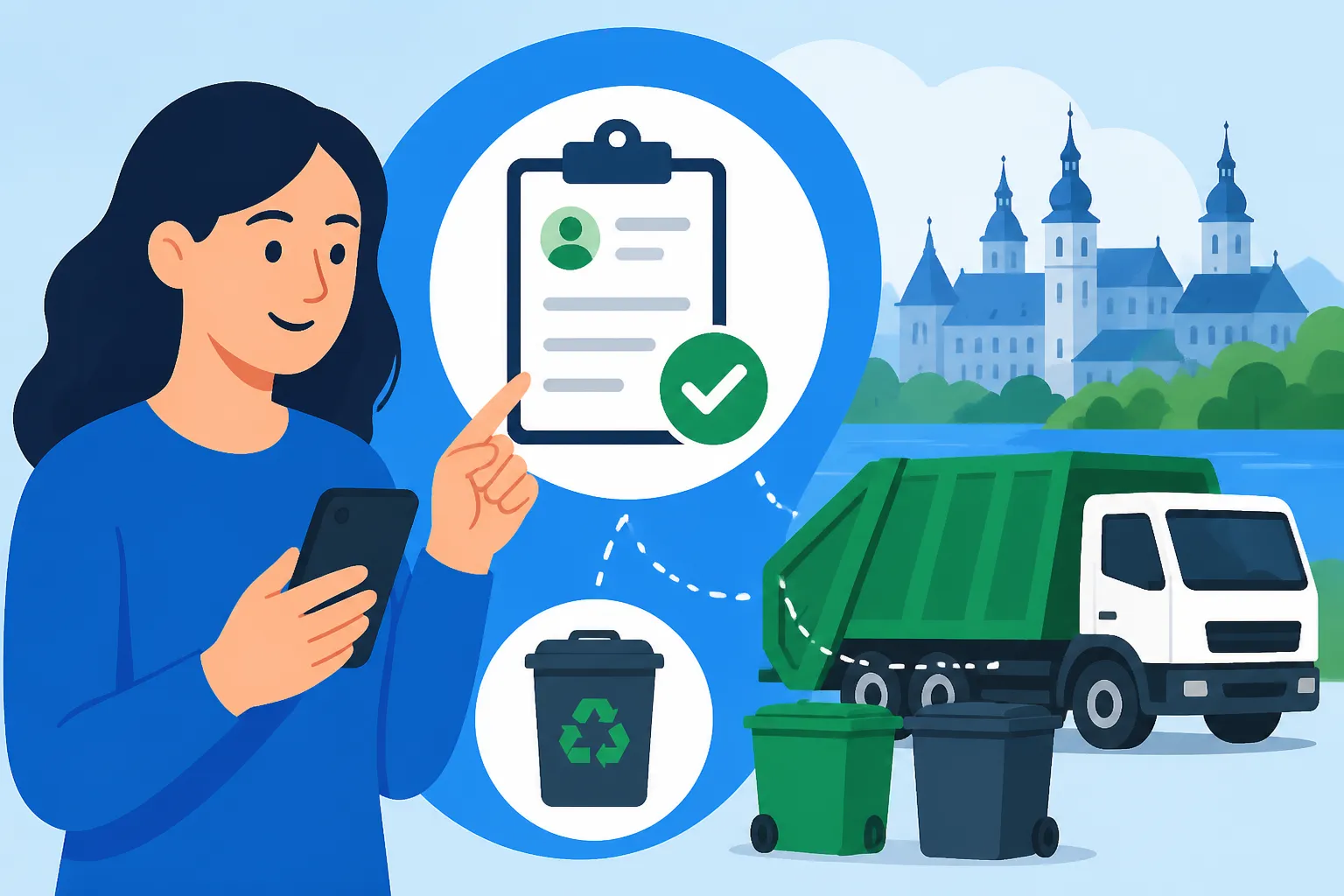
- Online Portal: Many waste management companies have user-friendly online portals where you can sign up, manage your services, and view bills. This is usually the quickest and most convenient method. Remember, getting connected is key – whether you're using a local SIM or an eSIM from providers like Airalo, reliable internet access will be your best friend when navigating municipal websites or calling service providers.
- Email or Phone: You can also contact their customer service directly via email or phone. Be prepared for potential language barriers, though many companies have English-speaking staff, especially in larger cities.
- In-Person: Some operators might have service points where you can register in person, but this is becoming less common with the push towards digital services.
-
Choose Your Services: During registration, you'll typically select:
- Bin Size: Options usually range from small (e.g., 80L) to large (e.g., 240L for mixed waste, larger for recycling).
- Collection Frequency: How often do you want the bins emptied? Common options are once every 2 weeks, once a month, or even less frequently for mixed waste if you're an avid recycler. Biowaste bins often have weekly or bi-weekly collections, especially in warmer months.
Once registered, the company will deliver your bins (if not already present) and inform you of your collection schedule.
Special Cases: Apartment Associations and Rental Properties
Estonian living often involves korteriühistu (apartment associations) if you live in an apartment building. This significantly changes your approach to waste services.
-
Apartment Associations (Korteriühistu – KÜ): In most apartment buildings, the KÜ manages communal services, including waste collection, for all residents.
- No Direct Registration: You, as an individual resident, will likely not directly register with a waste management company. Instead, the KÜ has a contract with the waste operator for the entire building.
- Waste Fees Included in Bills: Your monthly utility bill (kommunaalkulud) from the KÜ will include your share of the building's waste management costs. This makes things much simpler for you as a tenant or apartment owner – you just pay your KÜ bill.
- KÜ Rules: The KÜ will set the rules for waste disposal within the building, including where to put bins, what to sort, and any specific communal recycling points. Always check with your KÜ board or building manager for these specifics. You can learn more about how to pay the korteriühistu (apartment association) fee in Estonia, which covers these services.
-
Rental Properties: If you are renting an apartment, clarify with your landlord or rental agent how waste services are handled.
- Landlord Responsibility (Individual Houses): If you're renting a detached house, the responsibility for setting up waste services often falls to the tenant, similar to how you'd set up electricity or water. Ensure this is explicitly stated in your rental contract.
- KÜ Responsibility (Apartments): For apartments, as above, it's typically managed by the KÜ. Your rent or utility payments will cover it.
- Check Your Rental Agreement: Always review your rental contract (üürileping) carefully to understand who is responsible for utility and waste service payments. A good guide to how to sign a rental contract (üürileping) in Estonia can help you navigate these clauses.
Everyday Waste Management: Bins, Schedules, and Sorting
Once you're registered and your bins are in place, the daily routine of waste management begins. Estonia places a strong emphasis on sorting, and getting it right not only helps the environment but can also influence your costs.
Understanding Your Waste Bins and Collection Frequencies
The types of bins you'll have can vary, but generally, you'll encounter a few main categories:
- Mixed Waste (Segajäätmed / Olmejäätmed): This is your general rubbish bin. It's for anything that can't be recycled, composted, or handled through special collections. Think non-recyclable plastics, dirty packaging, sanitary products, ash from wood burners (cooled!), and small broken items. This bin is often collected bi-weekly or monthly for individual households.
- Biowaste (Biojäätmed / Toidujäätmed): This bin is specifically for food scraps and garden waste. Peels, coffee grounds, tea bags, leftover food, withered plants, and paper towels stained with food all go here. Biowaste is highly encouraged to be sorted, especially in urban areas, as it significantly reduces landfill volume and allows for composting or biogas production. Collection is typically more frequent, often weekly or bi-weekly.
- Packaging (Pakendijäätmed): This is where you put clean and dry packaging materials: plastic bottles and containers, metal cans, milk cartons, juice boxes, and often glass bottles and jars (though some municipalities have separate glass bins). It's crucial that these items are relatively clean; a quick rinse often suffices. Collection frequency varies.
- Paper and Cardboard (Paber ja Kartong): Newspapers, magazines, clean cardboard boxes, brochures, and office paper belong here. Remove any plastic covers or excessively greasy parts. These bins are common in apartment buildings.
For individual houses, you might have your own set of these bins delivered by the waste company. For apartments, you'll find communal bins, often clearly labelled, in your building's waste area.
The Art of Recycling in Estonia: Beyond the Mixed Waste Bin
Estonia is making strides in increasing its recycling rates, and your participation is key. Beyond the curbside or communal bins, there are other avenues for recycling:
- Public Recycling Points (Avalikud Pakendikogumispunktid): For packaging, paper, and sometimes glass, there are designated public collection points, often located near grocery stores or in residential areas. These are typically large containers with separate openings for different material types. You can usually find the locations of these points on your municipality's website or the websites of the waste management companies.
- Bottle Return Machines (Pandipakendi Automaadid): For deposit-bearing plastic (PET) bottles and aluminium cans, you'll find reverse vending machines in almost every supermarket. Just insert your empty, uncrushed bottles and cans (look for the "PANDIPAKEND" or a deposit symbol), and you'll receive a receipt that you can redeem for cash or apply to your grocery bill. This system is incredibly efficient and widely used.
- Textile and Clothing Collection: Many municipalities and charities (like Humana or Uuskasutuskeskus) have collection points for used clothing and textiles. These are often separate bins.
- Electronic Waste (E-jäätmed): Old electronics, batteries, and light bulbs cannot go into regular waste. There are specific collection points, often at larger electronics stores, waste stations (jäätmejaamad), or during organised collection campaigns.
Proper sorting isn't just a nicety; it can save you money. The mixed waste bin is typically the most expensive to empty because it requires more processing at the landfill or incineration plant. By diligently sorting out recyclables and biowaste, you reduce the volume in your mixed waste bin, allowing you to choose a smaller bin or less frequent collection for it, thus lowering your overall costs.
Dealing with Larger Items and Hazardous Waste
What about things that don't fit into your regular bins, like old furniture or paint?
- Waste Stations (Jäätmejaamad): These are designated facilities run by municipalities or their partners where residents can bring larger items, construction waste, old electronics, hazardous waste (paints, chemicals, oils), and sometimes even garden waste or tires. There might be a small fee for certain types of waste or large volumes, but many items are accepted free of charge from residents. Always check the specific jäätmejaam's website for opening hours, accepted materials, and any fees.
- Bulky Waste Collection (Suurjäätmete Vedu): Some municipalities offer organised bulky waste collection days where you can leave large items (like old sofas or washing machines) by the curb for pick-up. This is usually advertised in advance. Alternatively, some waste companies offer a paid service where they come and collect bulky waste directly from your property.
- Hazardous Waste Collection (Ohtlikud Jäätmed): This is critical. Never dispose of hazardous waste (chemicals, batteries, light bulbs, old medicines) in your regular bins. Use dedicated collection points at pharmacies (for medicines), waste stations, or special collection drives.
Costs and Common Challenges for Expats
Understanding the costs associated with waste services and navigating potential pitfalls can save you a lot of headache and unexpected bills.
Deciphering Your Waste Bills and Fees
The cost of waste services in Estonia is made up of several components:
- Service Fee (Tühjendustasu): This is the fee for emptying your bins. It's usually calculated based on the size of the bin and the frequency of collection. As discussed, a smaller mixed waste bin emptied less often will be cheaper.
- Waste Management Fee (Jäätmekäitlustasu): This is a fixed fee, sometimes included in the service fee, that covers the overall administration of the municipal waste system, environmental monitoring, and maintenance of collection points.
- Transport Fee (Veotasu): The cost associated with transporting the waste from your property to the processing facility.
- Apartment Association Fees: If you live in an apartment, these costs will be aggregated and presented as a line item in your monthly utility bill from your korteriühistu. This falls under the general umbrella of utility and maintenance costs (kommunaalkulud) in Estonia, which can sometimes be quite high, especially in winter.
It's common for waste bills to be sent either monthly or quarterly, depending on your operator and preferred billing cycle. You can usually access your bills and payment history through the waste company's online portal.
Language Barriers and Finding Support
One of the most common frustrations for expats in Estonia, particularly outside of Tallinn and Tartu, can be the language barrier when dealing with administrative tasks.
- Online Translators: For navigating municipal or waste operator websites, online translation tools are your best friend. Google Translate can provide a decent understanding of the Estonian text.
- English-Speaking Customer Service: Many larger waste management companies (like Ragn-Sells, Eesti Keskkonnateenused) in major cities do have English-speaking customer service representatives. Don't hesitate to ask if they can assist you in English when calling.
- Local Help: If you're struggling, ask a trusted Estonian friend, colleague, or your landlord for help. They can often clarify specific terms or even make a call on your behalf.
- eesti.ee Portal: The state portal eesti.ee is a treasure trove of information about all public services. While not directly for waste registration, it provides links and general guidance that can be helpful, and much of it is available in English. Understanding eesti.ee and digital government services in Estonia is essential for managing various aspects of life here.
Moving Out or Changing Residences: What to Do with Waste Services
Life in Estonia often involves moving, whether it's relocating within the country or departing altogether. When you move, you need to properly manage your waste service contract.
-
For Individual Households:
- Terminate or Transfer Contract: If you are moving out of a house where you had a direct contract, you'll need to contact your waste management operator to terminate the service or transfer it to the new resident. Give them advance notice as per your contract's terms (usually 30 days).
- Bin Removal: Ensure the bins are empty and accessible for collection on your last day.
- Final Bill: You'll receive a final bill for services rendered up to your termination date.
- New Residence: When you move to a new individual residence, you'll need to go through the registration process again for that new address with the local municipality's designated operator.
-
For Apartment Dwellers:
- Inform KÜ: If you're moving out of an apartment, inform your apartment association (KÜ) and landlord. Your waste fees are part of your communal charges, which will cease once your tenancy or ownership ends and the KÜ is informed. You won't have a direct contract to terminate.
Neglecting to properly handle your waste services when moving can lead to unexpected charges or issues down the line. It’s always best to be proactive and communicate clearly with your service providers or apartment association. Setting up your entire household can be a challenge, so planning ahead for all utilities, as detailed in an expat guide to setting up utilities in Estonia, is a wise move.
| Waste Type | Typical Bin Colour/Label | What Goes In | Key Considerations |
|---|---|---|---|
| Mixed Waste | Grey/Black | Non-recyclable plastics, dirty packaging, sanitary items, ash (cooled), small broken items. | Most expensive to empty. Aim to reduce volume by sorting. |
| Biowaste/Food Waste | Brown/Green | Food scraps, fruit/veg peels, coffee grounds, tea bags, garden waste. | Mandatory in many urban areas. More frequent collection. |
| Packaging | Yellow/Orange/Blue | Clean plastic bottles/containers, metal cans, cartons, glass (check local rules). | Must be clean and dry. Check for separate glass bins or public collection points. |
| Paper & Cardboard | Blue/Green | Newspapers, magazines, clean cardboard boxes, office paper. | Remove plastic sleeves, greasy parts. |
| Hazardous Waste | N/A | Batteries, chemicals, paints, oils, old medicines, light bulbs. | Never in general bins. Use waste stations, pharmacies, or special collection events. |
| Bulky Waste | N/A | Furniture, large appliances, mattresses. | Waste stations, special collection events, or paid pickup services. Not everyday collection. |
| Electronic Waste | N/A | Old computers, TVs, phones, small appliances. | Waste stations or large electronics stores for proper disposal. |
| Deposit Packaging | N/A | PET bottles, aluminium cans with deposit symbol. | Return to supermarket machines for refund. |
Disclaimer
The information provided in this guide is intended for general informational purposes only and does not constitute legal, financial, or specific professional advice. While we strive to keep the information accurate and up-to-date, waste management regulations, designated operators, and specific procedures can change at the municipal level in Estonia. We strongly recommend verifying all information with your specific municipality, the relevant waste management company, or a legal professional before making any decisions or taking action. We assume no responsibility for any errors or omissions, or for any actions taken based on the information provided herein.